Korean Cosmetics for Acne: Expert Recommendations and Science-Backed Solutions
Korean skincare has revolutionized how millions of people approach acne treatment, blending traditional herbal wisdom with cutting-edge cosmetic chemistry. Unlike Western acne solutions that often rely heavily on harsh actives, Korean cosmetics for acne emphasize a multi-layered approach combining gentle cleansing, targeted treatments, and barrier-strengthening ingredients. This philosophy has made K-beauty a game-changer for those struggling with breakouts, whether you’re dealing with hormonal acne, inflammatory lesions, or persistent congestion.
The Korean beauty industry’s focus on prevention and skin health rather than just spot treatment has produced some of the most effective acne-fighting products available today. From fermented ingredients that boost skin immunity to innovative delivery systems that enhance ingredient penetration, Korean cosmetics offer solutions that address acne at multiple levels. This guide explores the best Korean cosmetics for acne, examining the science behind their efficacy and helping you build a targeted routine that actually works.
Why Korean Cosmetics Excel at Treating Acne
Korean cosmetics approach acne differently than traditional Western dermatological products. While prescription retinoids and benzoyl peroxide remain gold standards in clinical settings, Korean beauty brands have developed sophisticated formulations that work synergistically to reduce inflammation, regulate sebum production, and prevent future breakouts without the irritation that often accompanies harsh actives.
The philosophy centers on maintaining skin barrier integrity while treating acne—a concept that Western dermatology is increasingly recognizing as crucial. When your skin barrier is compromised, acne-causing bacteria proliferate more readily, and inflammation escalates. Korean cosmetics prioritize hydration and barrier repair alongside acne-fighting ingredients like salicylic acid (BHA), niacinamide, and centella asiatica extract.
Fermentation is a cornerstone of Korean skincare science. Fermented ingredients undergo enzymatic breakdown, making them smaller and more bioavailable for skin penetration. Fermented yeast, rice bran, and ginseng have demonstrated antimicrobial and anti-inflammatory properties in multiple studies. Additionally, Korean cosmetics frequently incorporate green tea extract, which contains EGCG—a powerful antioxidant that reduces sebum production and inhibits Propionibacterium acnes, the bacteria responsible for inflammatory acne.
The multi-step Korean skincare routine itself becomes therapeutic for acne. By distributing active ingredients across multiple lightweight products rather than relying on one heavy treatment, skin tolerance improves and results become more consistent. This layering approach, combined with hydrating toners and essences, means your skin receives treatment without the dryness and irritation common with Western spot treatments.
Best Korean Cleansers for Acne-Prone Skin
Cleansing forms the foundation of any acne-fighting routine. Korean cleansers for acne-prone skin typically use gentle surfactants and include oil-controlling or antibacterial ingredients without stripping the skin.
Double Cleansing with BHA: Many Korean brands offer oil cleansers formulated with jojoba oil and squalane that dissolve sebum and makeup without clogging pores. Follow with a water-based second cleanser containing salicylic acid (BHA) to exfoliate inside pores. This combination effectively removes acne-triggering debris while maintaining hydration. Korean brands excel at formulating BHA cleansers that don’t over-dry, often adding soothing ingredients like centella asiatica or panthenol.
Foam Cleansers with Sebum Control: Korean foam cleansers frequently contain tea tree oil, charcoal, or clay to manage excess sebum. Unlike harsh Western equivalents, these formulations include humectants and emollients that prevent the tight, uncomfortable feeling after cleansing. Look for products mentioning pore-minimizing or sebum-control specifically.
Enzyme Powder Cleansers: Korean brands pioneered enzyme cleansers that gently exfoliate using papain (from papaya) or bromelain (from pineapple). These are gentler than physical scrubs and effective for acne-prone skin when used 2-3 times weekly. The enzymatic action dissolves dead skin cells that contribute to congestion without irritating active breakouts.
When selecting a cleanser for acne, prioritize products that maintain your skin’s pH balance (ideally 4.5-5.5) and avoid sulfates, which can trigger inflammation. Korean cleansers are typically formulated at slightly acidic pH, supporting your skin’s natural defense mechanisms against acne bacteria.
Targeted Acne Treatments and Essences
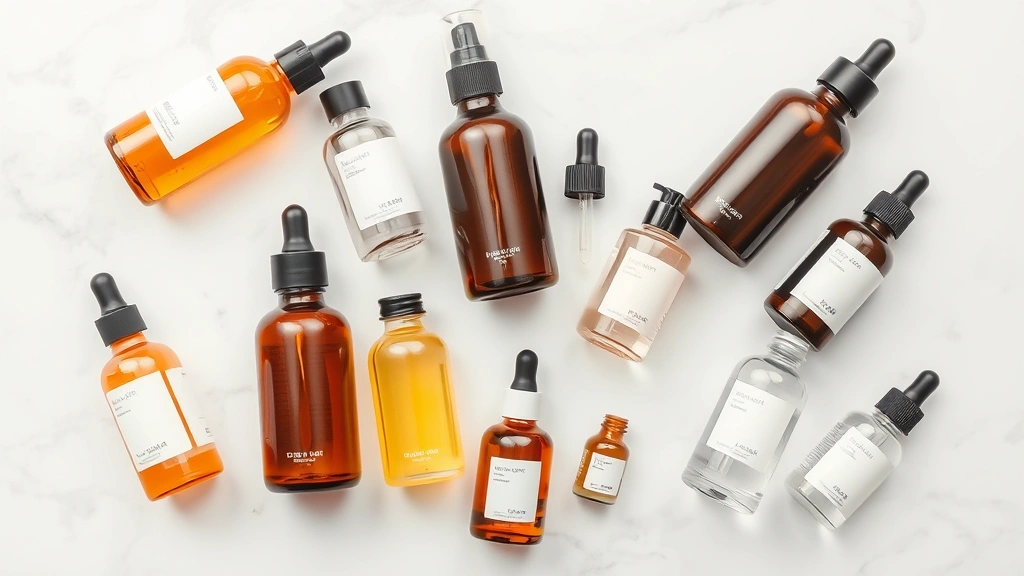
Essences represent one of Korea’s most innovative skincare contributions. These lightweight, hydrating treatments deliver active ingredients while preparing skin for subsequent products. For acne, essences containing niacinamide, salicylic acid, or azelaic acid offer targeted benefits.
Niacinamide Essences: Niacinamide (vitamin B3) reduces sebum production, minimizes pore appearance, and strengthens skin barrier—all crucial for acne management. Korean essences typically contain 4-10% niacinamide, higher concentrations than Western serums. This ingredient also has anti-inflammatory properties, reducing redness associated with active breakouts. Research published in the Journal of Cosmetic Dermatology confirms niacinamide’s efficacy for sebaceous skin.
BHA and PHA Treatments: Korean brands offer sophisticated exfoliating essences combining salicylic acid with polyhydroxy acids (PHAs) like gluconolactone. PHAs are gentler than AHAs, making them suitable for sensitive or actively inflamed acne. These essences typically use stabilized forms of BHA that remain effective across a broader pH range than traditional salicylic acid products.
Azelaic Acid Formulations: Though less common than in Western products, some Korean brands incorporate azelaic acid, which research shows is particularly effective for rosacea-adjacent acne and post-inflammatory hyperpigmentation. Azelaic acid inhibits bacterial growth and reduces melanin production simultaneously.
Calming and Healing Essences: Many Korean acne essences prioritize inflammation reduction alongside exfoliation. Ingredients like centella asiatica (also called cica), mugwort extract, and snail secretion filtrate accelerate healing and reduce the appearance of active lesions. These ingredients work through multiple mechanisms: centella increases collagen synthesis and strengthens barrier function, while snail filtrate contains glycoproteins with antimicrobial and anti-inflammatory properties.
Hydrating and Barrier-Repair Products
A common mistake in acne treatment is neglecting hydration. Over-stripped skin triggers increased sebum production, paradoxically worsening acne. Korean cosmetics emphasize barrier repair with ceramides and humectants that work alongside acne treatments.
Hydrating Toners and Essences: Korean hydrating toners contain hyaluronic acid, glycerin, and plant extracts that draw moisture into skin. Unlike Western toners that often contain alcohol, Korean formulations are hydrating by design. For acne-prone skin, look for toners that also include niacinamide or centella to combine hydration with acne management.
Ceramide-Rich Creams: Ceramides are lipid molecules that comprise 50% of your skin barrier. Korean creams formulated with ceramide NP, ceramide AP, and ceramide EOP restore barrier function, reducing sensitivity and preventing the irritation that often accompanies acne treatment. Many Korean brands use patented ceramide delivery systems for enhanced penetration.
Peptide and Collagen Treatments: Korean cosmetics frequently incorporate peptides and hydrolyzed collagen in acne-fighting routines. These ingredients strengthen skin structure and support barrier repair. Peptides also have anti-inflammatory properties, making them suitable for post-acne skin recovery.
Centella-Based Products: Centella asiatica has become ubiquitous in Korean skincare for good reason. Clinical studies demonstrate it accelerates wound healing, reduces inflammation, and strengthens capillaries. For acne-prone skin, centella products are invaluable for reducing redness and supporting skin recovery after active breakouts.
Spot Treatments and Serums
Korean spot treatments represent some of the most innovative acne solutions available. Rather than traditional benzoyl peroxide or sulfur-based treatments, Korean brands offer sophisticated serums targeting specific acne types.
Salicylic Acid Spot Treatments: Korean BHA spot treatments often use encapsulated or stabilized salicylic acid for extended release, meaning the ingredient works throughout the day. Many formulations include tea tree oil, zinc, or clay for enhanced sebum control. The advantage over Western spot treatments is the inclusion of soothing and hydrating ingredients that prevent the flaking and irritation typical of harsh actives.
Sulfur-Based Treatments: Though sulfur was popular decades ago, Korean brands have reformulated it into elegant, odor-controlled treatments. Sulfur remains one of the most effective acne-fighting ingredients for inflammatory and cystic acne, working through multiple mechanisms including keratolytic action and antibacterial properties.
Targeted Serums with Advanced Actives: Korean beauty companies invest heavily in cosmetic chemistry, producing serums with bakuchiol (a retinol alternative), azelaic acid, or tranexamic acid specifically formulated for acne-prone skin. Bakuchiol offers retinization benefits without irritation, making it ideal for acne-prone skin that can’t tolerate retinoids. Research in the British Journal of Dermatology confirms bakuchiol’s efficacy for acne and photoaging.
Pore-Refining Serums: Many Korean serums target enlarged pores and congestion simultaneously. These typically contain niacinamide, hyaluronic acid, and plant extracts that tighten pores while improving hydration. The combination addresses acne’s root causes rather than just symptoms.
Sheet Masks for Acne Management
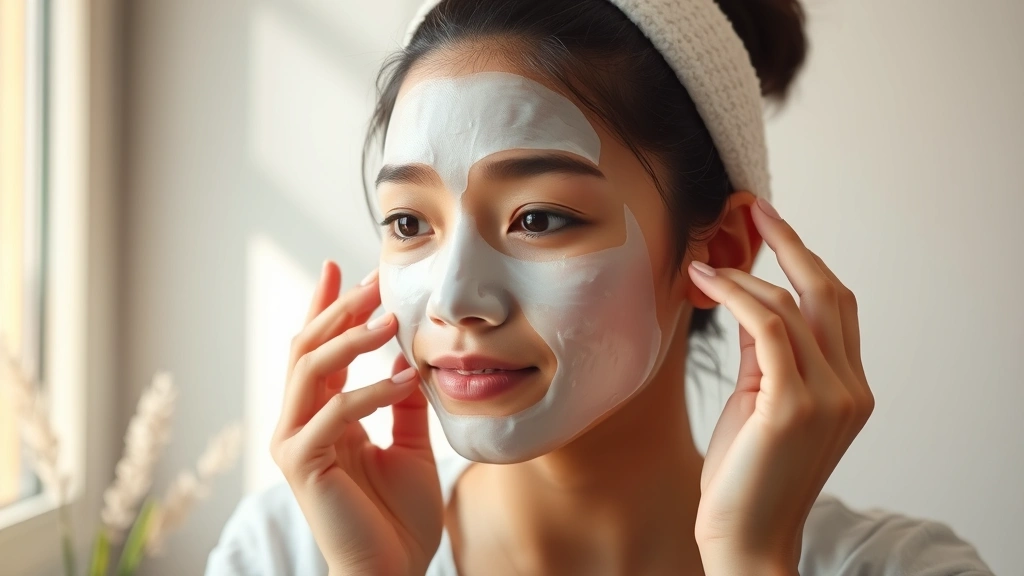
Sheet masks are quintessentially Korean and surprisingly effective for acne management when chosen correctly. Rather than general hydration masks, look for acne-specific formulations.
Acne-Fighting Sheet Masks: Korean brands offer masks saturated with essences containing salicylic acid, tea tree, or centella. Using a sheet mask 2-3 times weekly delivers concentrated actives while the occlusion enhances penetration. The hydration component prevents the irritation that can occur with leave-on acne treatments.
Calming and Healing Masks: For inflamed or recovering acne, Korean calming masks with snail secretion, honey, or propolis accelerate healing. Propolis, a bee product, has been extensively researched for acne management and demonstrates antimicrobial and anti-inflammatory properties comparable to benzoyl peroxide in some studies.
Clay and Pore-Cleansing Masks: Korean clay masks often combine kaolin or bentonite clay with hydrating ingredients and plant extracts. This prevents the over-drying associated with Western clay masks while effectively drawing out congestion.
Building Your Complete Korean Acne Routine
Creating an effective acne routine requires strategic layering of products addressing multiple acne-causing factors. Korean cosmetics excel at this multi-targeted approach.
Morning Routine Structure:
- Gentle Cleanser: Use a mild foam or gel cleanser (no BHA needed in AM unless skin is very oily)
- Hydrating Toner: Apply a hydrating essence to damp skin
- Targeted Serum: Use a niacinamide or calming serum
- Lightweight Moisturizer: Choose a gel or light cream with ceramides
- Sunscreen: Essential, as many acne treatments increase photosensitivity
Evening Routine Structure:
- Oil Cleanser: Remove makeup and sebum with a gentle oil-based first cleanser
- Water-Based Cleanser: Follow with a BHA cleanser for pore exfoliation
- Hydrating Toner: Rebalance skin pH and hydrate
- Treatment Essence: Apply a BHA, PHA, or calming essence
- Spot Treatment: Target active breakouts with a concentrated treatment
- Barrier-Repair Cream: Use a ceramide-rich moisturizer or sleeping mask
Weekly Additions:
- Gentle Exfoliation: Use an enzyme powder cleanser 1-2 times weekly
- Sheet Masks: Apply acne-fighting masks 2-3 times weekly
- Intensive Treatments: Consider a pore-clearing or calming mask weekly
Customization by Acne Type:
For hormonal acne, prioritize products with niacinamide, centella, and azelaic acid that address inflammation and barrier function. For inflammatory acne, focus on BHA exfoliation combined with potent anti-inflammatory ingredients like snail secretion or propolis. For congestion and blackheads, emphasize BHA and PHA treatments that exfoliate inside pores. For sensitive acne-prone skin, choose gentler formulations with bakuchiol, azelaic acid, and centella rather than aggressive chemical exfoliants.
Integration with Professional Treatments: Korean cosmetics work synergistically with professional acne treatments. If using prescription retinoids or undergoing professional extractions, use gentle Korean cleansers and barrier-repair products to support healing. Many dermatologists now recommend Korean skincare products alongside clinical treatments for enhanced results and reduced irritation.
When building your routine, introduce new products slowly—one every 1-2 weeks—to identify any triggering ingredients. Some individuals react to fermented ingredients or specific plant extracts, so patch testing remains crucial despite Korean cosmetics’ generally gentle formulations.
FAQ
Are Korean cosmetics effective for severe acne?
Korean cosmetics excel at managing mild to moderate acne and preventing breakouts. For severe cystic or nodular acne, they work best as complementary treatments alongside prescription medications like isotretinoin or oral antibiotics. Consult a dermatologist for severe acne while incorporating Korean products for barrier support and healing.
How long before seeing results from Korean acne products?
Most people notice improvements in 4-6 weeks. Exfoliating products (BHA/PHA) show faster results for congestion (1-2 weeks), while anti-inflammatory ingredients take longer. Consistency matters more than any single product—results compound when using complementary products daily.
Can I use Korean acne products with prescription retinoids?
Yes, but carefully. Avoid combining BHA/AHA with retinoids initially. Use retinoids at night, and support with hydrating toners and barrier-repair creams. Many dermatologists recommend gentle Korean essences and moisturizers when prescribing retinoids to minimize irritation and support healing.
Which Korean brands are best for acne?
Top-rated brands include those specializing in affordable yet effective formulations with proven acne-fighting ingredients. Research brands known for fermented ingredients, niacinamide formulations, and centella-based products. Check ingredient databases to verify active concentrations.
Are Korean acne products suitable for all skin types?
Most Korean acne products are formulated for combination or oily skin but include hydrating components suitable for all types. Those with dry acne-prone skin should focus on hydrating toners and barrier-repair creams alongside gentler exfoliants like PHAs or bakuchiol rather than strong BHAs.
How do Korean cosmetics compare to Western acne treatments?
Korean cosmetics prioritize barrier health and prevention, while Western treatments often emphasize potent actives. Both approaches have merit. Korean products excel for maintenance and mild acne; Western prescription treatments are superior for severe acne. Many dermatologists recommend combining both—using prescription actives with Korean supportive products for optimal results.