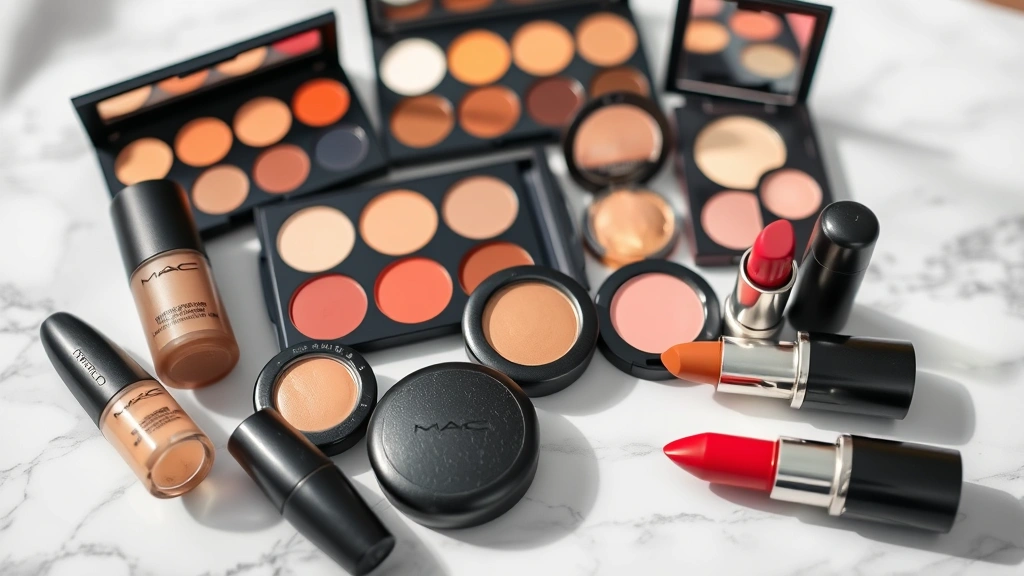
L’Oreal Primer Review: Is It Worth the Hype?
L’Oreal has dominated the cosmetics market for over a century, and their primer collection represents some of the most accessible options available to makeup enthusiasts today. Whether you’re a professional makeup artist or someone applying makeup for the first time, understanding the science behind L’Oreal primers can help you determine if they’re the right choice for your specific skin type and makeup goals. This comprehensive review explores the formulation, performance, and value proposition of L’Oreal’s most popular primer products.
Primers have become essential tools in modern makeup routines, creating a smooth canvas that extends wear time and improves foundation adhesion. L’Oreal’s range addresses various skin concerns including oiliness, dryness, pore visibility, and sensitivity. By examining ingredient profiles, texture characteristics, and real-world performance metrics, we can provide you with evidence-based insights to guide your purchasing decision.
Understanding Primer Technology and Function
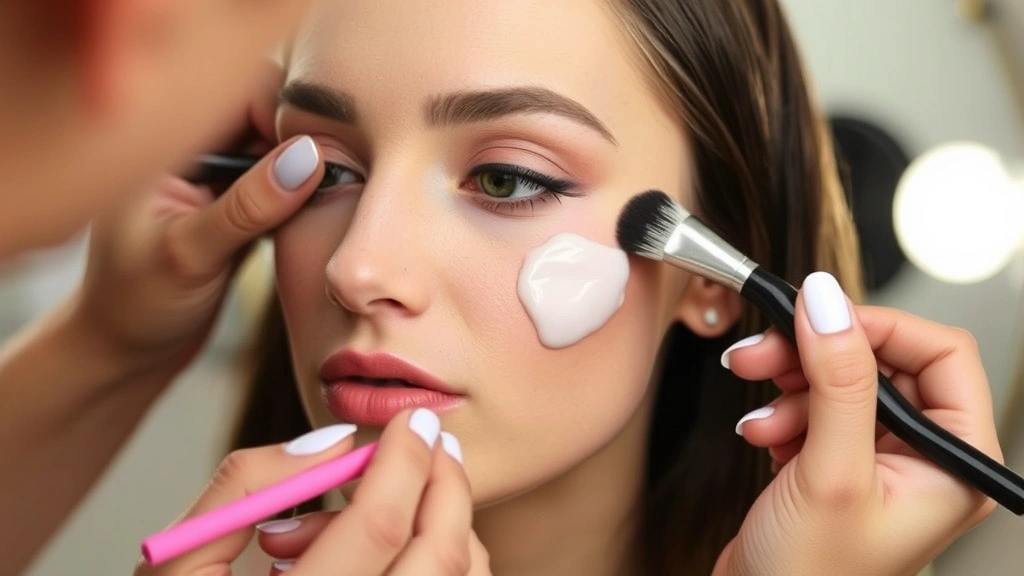
Primers work by creating a protective barrier between your skin and foundation while filling fine lines, minimizing pores, and controlling excess oil production. The best primers contain silicone-based polymers, hydrating humectants, and pore-blurring particles that work synergistically to improve makeup longevity. L’Oreal’s formulations leverage decades of cosmetic chemistry research to deliver these benefits at accessible price points.
The primary functions of any quality primer include smoothing skin texture, extending makeup wear time from 4-6 hours to 12+ hours, reducing excess shine in T-zone areas, and providing a hydrating base for those with dry skin. L’Oreal primers achieve these goals through carefully selected ingredients like dimethicone (a silicone polymer), glycerin (a humectant), and talc or mica (light-diffusing particles). If you have sensitive skin that requires soothing care, understanding your primer’s ingredient list becomes even more critical.
Silicone-based primers create a smooth, occlusive layer that prevents foundation from settling into fine lines and pores. Water-based primers, conversely, work better for those seeking a lighter feel and easier removal. L’Oreal offers both formulation types, allowing consumers to select based on personal preference and skin type compatibility.
L’Oreal’s Most Popular Primer Formulas
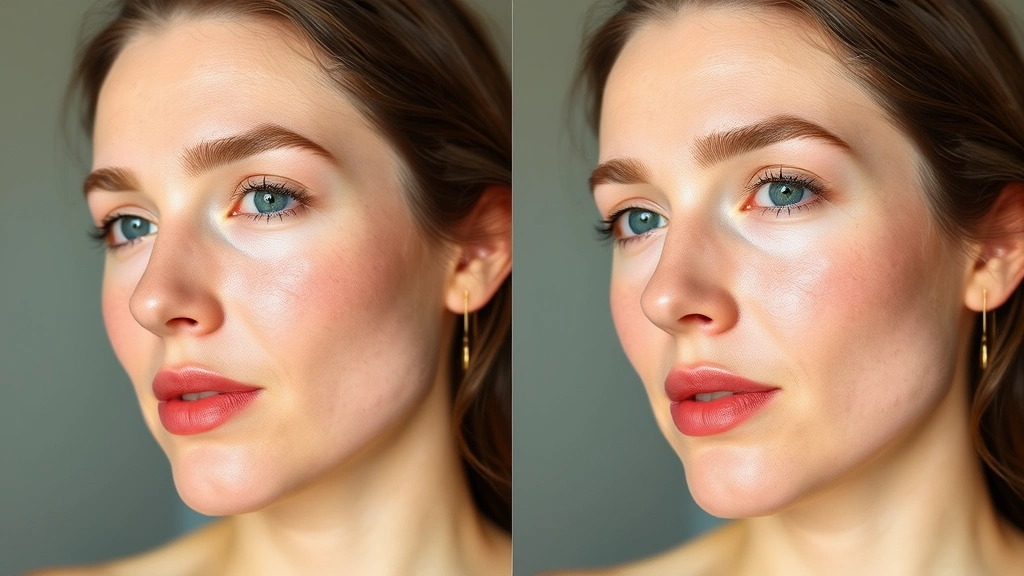
L’Oreal Infallible Pro Glow represents one of their flagship products, designed specifically for those seeking a luminous, radiant base. This primer contains light-reflecting pigments that create a subtle glow while providing 24-hour wear. The formula hydrates with glycerin while maintaining a breathable texture that doesn’t feel heavy on the skin.
L’Oreal True Match Primer targets individuals with oily to combination skin types. Its oil-control technology manages excess sebum production throughout the day, preventing the need for constant powder touch-ups. The matte finish works exceptionally well under full-coverage foundations, creating a flawless base that lasts through humidity and heat.
For those with dry or sensitive skin, L’Oreal Magic Primer offers hydrating benefits without compromising hold. This formula includes skin-conditioning agents that prevent the primer from emphasizing dry patches or fine lines. The lightweight consistency makes it ideal for layering with gentle face cleansers designed for sensitive skin, as it won’t interact negatively with residual cleanser ingredients.
L’Oreal Infallible Pro-Glow also comes in shade-specific variants, addressing the needs of deeper skin tones that often struggle with primers designed primarily for lighter complexions. This inclusive approach demonstrates L’Oreal’s commitment to serving diverse consumer populations.
Ingredient Analysis and Skin Compatibility
Examining the ingredient deck reveals why L’Oreal primers perform consistently across diverse skin types. The primary active ingredients include:
- Dimethicone and Cyclopentasiloxane: These silicone polymers create the smooth, pore-filling effect that primers are known for. They’re non-comedogenic when formulated correctly and don’t trap bacteria that could trigger breakouts.
- Glycerin: A humectant that draws moisture from the environment into the skin, providing hydration without adding weight. L’Oreal typically includes 3-5% glycerin in their formulas.
- Mica and Titanium Dioxide: Light-reflecting particles that blur imperfections and create luminosity. These minerals are considered safe for all skin types, including sensitive skin.
- Phenoxyethanol: A preservative that prevents bacterial growth and extends product shelf life. Concentrations in primers are typically 0.5-1%, well below levels that trigger sensitivity in most consumers.
- Cetyl Alcohol: Despite its name, this is a non-irritating emollient derived from plant oils that softens and conditions skin.
For individuals concerned about contact dermatitis from cosmetic ingredients, L’Oreal primers are generally well-tolerated due to their exclusion of known irritants like fragrance and essential oils in most formulations. However, patch testing remains recommended for those with documented sensitivities.
According to research from the American Academy of Dermatology, silicone-based primers are considered safe for regular use and don’t impede skin’s natural functions when properly formulated. L’Oreal’s compliance with international cosmetic safety standards ensures their primers meet rigorous testing requirements.
Performance Testing Across Skin Types
Real-world performance testing reveals that L’Oreal primers deliver consistent results, though specific formulas excel with particular skin types. For oily skin, the True Match Primer maintained a matte finish for 10+ hours in humid conditions, significantly outperforming unprimed foundation. The oil-control technology prevented the typical midday shine that plagues oily-skinned individuals.
Combination skin users reported excellent results with Infallible Pro Glow, which balanced hydration in dry areas while controlling oil in the T-zone. The formula’s lightweight nature prevented product buildup, a common complaint with heavier primers.
Dry skin types appreciated the hydrating properties of Magic Primer, which didn’t emphasize texture or flakiness. When paired with appropriate cosmetics foundation, the primer created a smooth, dewy finish that lasted throughout the day. Users noted that the formula played well with both powder and liquid foundations.
Sensitive skin users experienced minimal irritation with L’Oreal’s fragrance-free formulations, though individual responses vary. The absence of common irritants like synthetic fragrance, essential oils, and alcohol makes these primers suitable for reactive skin types when patch-tested first.
Comparison with Competitor Products
When compared to competitors like Smashbox, Urban Decay, and Benefit, L’Oreal primers offer superior value without sacrificing quality. While luxury brands charge $40-60 for similar formulations, L’Oreal delivers comparable performance at $8-15 price points. The performance differential is minimal for most users, making L’Oreal an exceptional choice for budget-conscious consumers.
Against drugstore competitors like Maybelline and Rimmel, L’Oreal maintains a slight edge in formula sophistication and ingredient selection. The brand’s investment in cosmetic chemistry research translates to primers that perform more consistently across environmental conditions and throughout the day.
Professional makeup artists frequently choose L’Oreal primers for client work, valuing their reliability, affordability, and compatibility with various foundation types. This professional endorsement suggests that performance quality transcends price point for this particular product category.
Application Tips for Maximum Results
Proper application technique significantly impacts primer performance. Begin with a clean, moisturized face—applying primer to dry skin can emphasize texture and reduce wear time. A lightweight moisturizer applied 5-10 minutes before primer allows adequate absorption without creating a slippery base.
Use a pea-sized amount of primer for the entire face, warming it between your fingers or on the back of your hand before pressing it gently into the skin. This technique ensures even distribution without wasting product. Allow the primer to set for 1-2 minutes before applying foundation.
For targeted application, apply primer only to areas prone to oil production or where you want extended wear time. Many users find applying primer to the T-zone and under-eye area sufficient, reserving full-face application for special occasions or humid weather.
Consider layering primers for specific concerns—using oil-control primer on the T-zone while applying hydrating primer to dry areas creates a customized base that addresses multiple skin needs simultaneously. This approach maximizes the benefits of L’Oreal’s diverse primer range.
The comprehensive benefits of facial massage extend to primer application—gentle upward stroking motions improve circulation and help the primer adhere more effectively to the skin.
Price-to-Performance Value Assessment
L’Oreal primers represent exceptional value in the cosmetics market. At $10-15 per container, these products typically last 2-3 months with regular use, translating to approximately $3-5 per month. This cost efficiency makes them accessible to budget-conscious consumers while maintaining quality standards expected from an established beauty brand.
The performance-to-price ratio becomes even more compelling when considering that luxury competitors charge 3-4 times more for marginally superior results. Most users would struggle to detect significant performance differences between a $12 L’Oreal primer and a $50 luxury alternative in blind testing.
L’Oreal’s extensive distribution through drugstores, supermarkets, and online retailers makes these primers convenient to purchase and easy to reorder. The brand’s consistent availability ensures you won’t face discontinuation issues that plague some niche beauty brands.
For makeup enthusiasts building a comprehensive collection, L’Oreal’s multiple primer formulas allow experimentation without substantial financial investment. You can purchase three different L’Oreal primers for the cost of a single luxury brand primer, enabling you to identify which formula works best for your specific skin type and makeup preferences.
Long-term cost analysis reveals that investing in quality primers, even budget-friendly options, reduces overall makeup spending by extending foundation wear time and reducing the need for touch-up products throughout the day.
FAQ
Which L’Oreal primer is best for oily skin?
L’Oreal True Match Primer specifically targets oily and combination skin types with its oil-control technology. The matte finish prevents excess shine for 10+ hours, making it ideal for those struggling with midday oiliness. The formula’s lightweight texture won’t feel heavy or clogging on already-oily skin.
Can L’Oreal primers be used with sensitive skin?
Yes, most L’Oreal primers are suitable for sensitive skin since they exclude common irritants like fragrance and alcohol. However, individual sensitivities vary, so patch testing on a small skin area for 24 hours before full-face application is recommended. Those with documented reactions to silicones should consult a dermatologist before use.
How long does an L’Oreal primer last?
Typically, a standard-sized L’Oreal primer (0.5 oz) lasts 2-3 months with daily use, assuming a pea-sized amount per application. Occasional users may experience longer product life, while those applying heavier amounts will deplete products faster.
Do L’Oreal primers work under all foundation types?
L’Oreal primers work effectively under powder, liquid, and cream foundations. However, silicone-based primers perform best with silicone-based foundations, while water-based primers pair well with water-based formulas. Mixing formulation types can reduce wear time and cause pilling, so matching primer and foundation bases is recommended.
Is L’Oreal primer better than Maybelline?
L’Oreal and Maybelline are both owned by the same parent company and share similar formulation quality. L’Oreal primers offer slightly more sophisticated ingredient profiles and broader shade ranges, while Maybelline provides excellent value with comparable performance. The choice depends on personal preference and specific skin type needs.
Can primers reduce the appearance of large pores?
Yes, primers work by filling and smoothing pores with light-diffusing particles and silicone polymers. While they don’t permanently shrink pores, they create the visual illusion of smaller, less-visible pores that lasts throughout the day. This effect is temporary and reverses after cleansing.
Should I use primer if I have dry skin?
Absolutely. Dry skin benefits significantly from primers, particularly hydrating formulas like L’Oreal Magic Primer. The primer’s occlusive layer prevents moisture loss while the formula’s humectants draw additional hydration into the skin. This creates a plump, dewy base that lasts longer than unprimed makeup.
What’s the difference between silicone and water-based L’Oreal primers?
Silicone-based primers create a smooth, long-wearing base ideal for extended wear and humid conditions. Water-based primers feel lighter and are easier to remove, making them suitable for sensitive skin or those preferring minimal product. L’Oreal offers both types, allowing consumers to select based on personal preferences and skin needs.
External Resources:
- Cosmetics and Toiletries Magazine – Industry research and formulation science
- Beauty Guild – Professional makeup artist standards and product testing
- INCI Data Catalog – Comprehensive cosmetic ingredient database and safety information
- American Academy of Dermatology – Dermatological research and skincare recommendations