Lush Soap Benefits? Beauty Expert Explains
Lush Cosmetics has built a reputation for handmade, natural soaps that promise more than just basic cleansing. But do these artisanal bars deliver on their claims? As a beauty and skincare expert, I’ve analyzed the formulations, ingredients, and real-world results of Lush soaps to give you the comprehensive breakdown you need. Whether you’re considering switching to their products or simply curious about what makes them different from conventional drugstore options, this guide explores the genuine benefits, potential drawbacks, and which Lush soaps work best for specific skin types.
The beauty industry has seen a significant shift toward handmade and natural skincare products, and Lush stands at the forefront of this movement. Their soaps are created using cold-processed methods that preserve beneficial plant extracts, essential oils, and botanical ingredients. But understanding the actual science behind these formulations helps you make informed decisions about whether Lush soaps are right for your skincare routine.

What Makes Lush Soaps Different From Regular Soap
Lush soaps distinguish themselves through their manufacturing process and ingredient sourcing philosophy. Unlike most commercial soaps that use synthetic surfactants and preservatives, Lush employs cold-process soap making, which means the mixture never reaches high temperatures. This preservation method maintains the integrity of delicate botanical extracts and essential oils that would otherwise degrade under heat.
The cold-process method creates a naturally glycerin-rich bar because the soap maker doesn’t remove the glycerin byproduct as mass manufacturers do. This means your skin receives superior moisturization compared to conventional bars. When you use traditional commercial soaps, manufacturers typically extract and sell the glycerin separately for use in other products, leaving behind a drying bar. Lush’s approach reverses this, keeping all the beneficial compounds in your soap bar.
Lush also prioritizes ethical sourcing and fair-trade ingredients. Many of their formulations include green tea and other plant extracts with documented cosmetic benefits, sourced from suppliers who meet strict environmental and labor standards. This commitment to sustainability doesn’t just feel good—it often translates to higher-quality, more potent ingredients in the final product.
Another distinguishing factor is the absence of synthetic fragrance. Lush soaps use essential oils and natural fragrance compounds rather than synthetic perfume, which matters significantly for people with sensitive skin or fragrance sensitivities. Essential oils provide aromatherapeutic benefits alongside their skincare properties.

Key Ingredients and Their Skin Benefits
Understanding the specific ingredients in Lush soaps helps you identify which formulas align with your skin concerns. The brand rotates seasonal products, but several core ingredients appear consistently across their range.
Cocoa Butter and Shea Butter: These plant-based butters provide intense hydration and contain natural fatty acids that strengthen your skin barrier. Cocoa butter also contains polyphenols with antioxidant properties, protecting skin from environmental stressors. Shea butter is rich in vitamins A, E, and F, supporting skin repair and maintaining elasticity.
Jojoba Oil: This ingredient closely mimics human sebum, making it universally compatible across skin types. Jojoba oil won’t clog pores, yet it provides lightweight moisture and contains iodine and zinc that support skin healing. It’s particularly beneficial for acne-prone skin because it helps regulate sebum production without stripping the skin.
Essential Oils: Lush incorporates oils like lavender (soothing and antibacterial), tea tree (antimicrobial and clarifying), peppermint (stimulating circulation), and chamomile (calming inflammation). These aren’t just for fragrance—they deliver measurable skincare benefits when properly formulated.
Sea Salt and Ground Botanicals: Several Lush soaps include exfoliating ingredients like sea salt, ground seaweed, or crushed flower petals. These mechanical exfoliants remove dead skin cells without being as abrasive as microbeads, promoting cell turnover and revealing brighter skin underneath.
Honey: A humectant that draws moisture into the skin, honey also contains trace enzymes and amino acids supporting natural skin renewal. It’s particularly valuable in soaps designed for sensitive or compromised skin barriers.
Lush Soap Benefits by Skin Type
For Oily and Acne-Prone Skin: Lush soaps containing tea tree oil, charcoal, or citrus extracts work effectively for managing excess oil and breakouts. The tea tree oil provides antimicrobial action without the harshness of benzoyl peroxide, while charcoal gently absorbs excess sebum. These formulations still maintain hydration through glycerin, which is crucial because over-stripping oily skin causes compensatory sebum production.
For Dry and Sensitive Skin: Formulations rich in cocoa butter, shea butter, and honey create a protective, moisturizing cleanse. Sensitive skin benefits from Lush’s elimination of synthetic preservatives and fragrances, which commonly trigger irritation. The glycerin content supports the skin barrier, reducing inflammation and restoring comfort.
For Combination Skin: Those with mixed skin types benefit from Lush’s balanced formulations. A soap with moderate exfoliation and essential oils addresses oily zones while the glycerin and plant butters nourish drier areas. You might use different Lush soaps for face and body, or rotate formulations based on seasonal changes.
For Mature Skin: Soaps containing peptides (found in some Lush formulations) and antioxidant-rich ingredients support skin elasticity and firmness. The benefits of peptides in skincare products extend to soap formulations, where they help maintain skin structure. Essential oils like frankincense and rose support a more youthful appearance.
Ingredient Deep Dive: Understanding Cold-Pressed Formulations
The cold-process soap-making method deserves deeper exploration because it fundamentally impacts what you’re applying to your skin. Traditional hot-process and industrial soap manufacturing use temperatures exceeding 100°C, which destroys many beneficial plant compounds. Cold-process soap makers combine oils with lye at room temperature, creating a chemical reaction that transforms oils into soap while preserving heat-sensitive ingredients.
This matters because many botanical extracts contain volatile compounds—particularly essential oils and delicate phytochemicals—that evaporate or degrade at high temperatures. When Lush creates a soap with rose petals, lavender oil, or green tea extract using cold-process methods, these ingredients retain their full potency. A conventional bar made the same way would lose much of these benefits.
The glycerin preservation in cold-process soaps creates a notable difference in skin feel and hydration. Commercial soap manufacturers often produce bars containing 8-10% glycerin, while cold-process soaps can contain 25% or more. This dramatic difference explains why Lush soaps feel creamier and leave skin feeling softer compared to mass-market alternatives.
Another advantage relates to pH balance. While all true soaps are slightly alkaline (pH 8-10), the cold-process method allows for better control and incorporation of ingredients that buffer pH, making these soaps gentler on skin. The added botanical extracts in Lush formulations can help neutralize some of this alkalinity, reducing the potential for irritation, though your skin’s natural pH-balancing mechanisms still operate normally after cleansing.
Potential Drawbacks and Considerations
While Lush soaps offer genuine benefits, they’re not perfect for everyone, and understanding limitations helps set realistic expectations.
Price Point: Lush soaps cost significantly more than drugstore alternatives—typically $6-8 per bar versus $1-3 for conventional options. For budget-conscious consumers, this investment might not fit their skincare spending. However, cold-process soaps often last longer than commercial bars because they don’t contain fillers and have better structural integrity.
Ingredient Sensitivity: While natural doesn’t automatically mean safe for everyone, some people react to specific essential oils or botanical extracts. Tea tree oil, for instance, can irritate sensitive skin in some individuals. Always patch-test new Lush products, especially if you have a history of fragrance or botanical sensitivities.
Shelf Life: Without synthetic preservatives, Lush soaps have shorter shelf lives than conventional bars. They can develop rancidity if exposed to excessive humidity or heat, particularly those containing oils prone to oxidation. Proper storage in a cool, dry location is essential.
Not Suitable for All Skin Conditions: While beneficial for most people, Lush soaps aren’t ideal as primary treatments for severe acne, eczema, or dermatitis. These conditions often require medicated cleansers or prescription treatments. However, Lush soaps can complement professional dermatological treatments as a gentle, supportive cleanser.
Exfoliating Formulas Can Be Harsh: Some Lush soaps with sea salt or pumice exfoliants may be too abrasive for daily use on the face or for people with compromised skin barriers. Using these 2-3 times weekly rather than daily prevents over-exfoliation and irritation.
How to Use Lush Soaps Effectively
Maximizing Lush soap benefits requires proper usage techniques. Unlike liquid cleansers that you pump directly onto skin, soap bars require a slightly different approach.
Create a Rich Lather: Use a washcloth, loofah, or your hands to work the soap into a generous lather with warm (not hot) water. This lather suspends dirt and oils for effective removal while the soap’s glycerin content protects your skin. The lather also helps distribute essential oils evenly across your skin.
Massage Gently: Spend 30-60 seconds massaging the lathered soap across your face or body. This gentle massage supports circulation and allows the soap’s ingredients to interact with your skin. If you’re interested in maximizing benefits, learn about the comprehensive benefits of facial massage, which complements cleansing.
Rinse Thoroughly: Use lukewarm water to remove all soap residue. Any remaining soap film can leave skin feeling tight or cause irritation. Pat skin dry gently rather than rubbing aggressively.
Follow With Appropriate Moisturizers: Even though Lush soaps are moisturizing, you should follow cleansing with a moisturizer suited to your skin type. Cleansing temporarily opens pores and slightly dehydrates skin, and applying moisturizer while skin is still slightly damp helps lock in hydration.
Store Properly: Keep Lush soaps in a well-ventilated soap dish that allows water to drain. Avoid sealed containers that trap moisture, which accelerates deterioration. Store away from direct sunlight and excessive heat.
Comparing Lush to Other Natural Brands
Several brands compete in the natural soap market, each with distinct advantages. Understanding how Lush compares helps you determine if it’s the best choice for your needs.
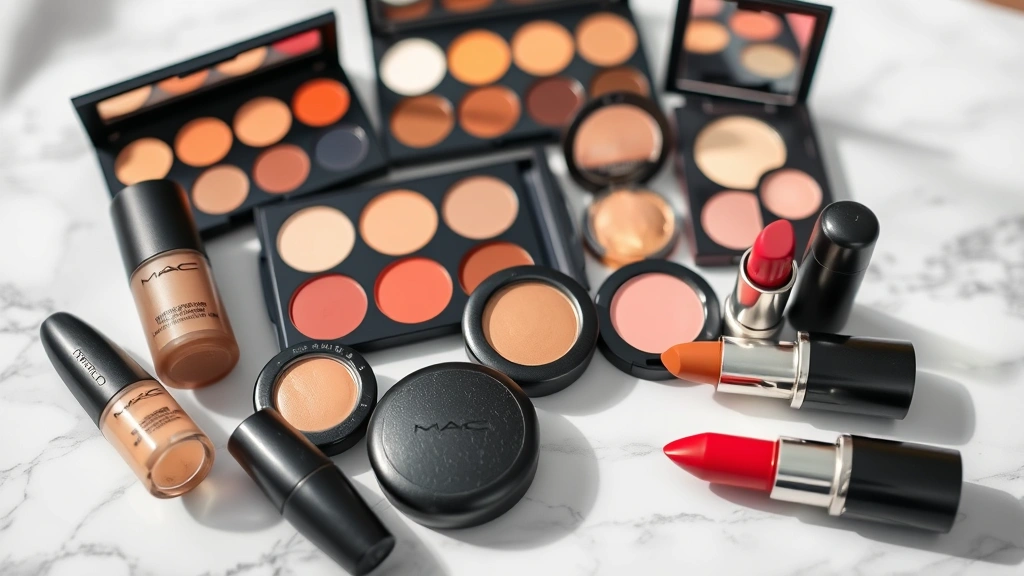
Many indie soap makers produce cold-process soaps comparable in quality to Lush at lower price points, though they lack the brand’s sourcing consistency and marketing reach. Brands like MAC Cosmetics at Sephora offer complementary beauty products, but their soap lines don’t match Lush’s natural focus. For those interested in comprehensive cosmetic solutions, examining the best cosmetic primer options helps build a complete skincare routine alongside quality cleansing.
Brands like Dr. Bronner’s offer natural soaps at accessible prices, though their castile soap base differs from Lush’s multi-oil formulations. Dr. Bronner’s excels in versatility (you can use it for body, face, and household cleaning) but may not provide the same luxurious feel or targeted skincare benefits.
Luxury brands like Susanne Kaufmann and similar European skincare lines create bar soaps rivaling Lush in quality and ingredient sophistication, but at significantly higher price points. These often target mature skin or specific concerns like anti-aging or hyperpigmentation.
For makeup enthusiasts, incorporating quality skincare through products like Lush soaps complements makeup application. Tools like IT Cosmetics brush set options work best on well-prepared, clean skin, which quality soaps provide.
FAQ
Are Lush soaps suitable for sensitive skin?
Most Lush soaps are gentler than conventional bars due to preserved glycerin and absence of synthetic irritants. However, individual sensitivities to essential oils or botanicals vary. Always patch-test before full facial use, and consider starting with their most basic, fragrance-light formulations.
Can Lush soaps treat acne?
Lush soaps with tea tree oil or charcoal support acne management as part of a comprehensive routine, but they’re not medical treatments. They work by reducing bacteria and excess oil while maintaining skin hydration. For severe acne, consult a dermatologist about prescription or clinical-strength treatments.
How long does a Lush soap bar last?
A standard Lush soap bar typically lasts 3-4 weeks with daily use for face and body combined. Cold-process soaps last longer than commercial bars because they’re denser and don’t contain fillers. Proper storage and using a draining soap dish extend longevity further.
Are Lush soaps vegan?
Many Lush soaps are vegan, but not all. Some formulations contain honey, beeswax, or lanolin. Check individual product descriptions on the Lush website, as they clearly label vegan products. The brand offers a substantial vegan collection for those avoiding animal-derived ingredients.
Can I use Lush soaps on my face daily?
Yes, most Lush soaps are gentle enough for daily facial use. However, avoid exfoliating formulations with sea salt or pumice daily, as this over-exfoliates and damages the skin barrier. Reserve these for 2-3 times weekly use, and use gentler formulations for daily cleansing.
Do Lush soaps contain parabens or sulfates?
No, Lush soaps don’t contain synthetic preservatives like parabens or sulfates. This commitment to natural preservation methods is central to their brand philosophy, though it does mean shorter shelf lives compared to conventional soaps.
Which Lush soap is best for combination skin?
Look for Lush formulations with balanced ingredients—moderate essential oils like lavender or chamomile paired with hydrating butters. Avoid heavily exfoliating or intensely moisturizing formulas, and consider using different soaps for face versus body to address specific needs in each area.