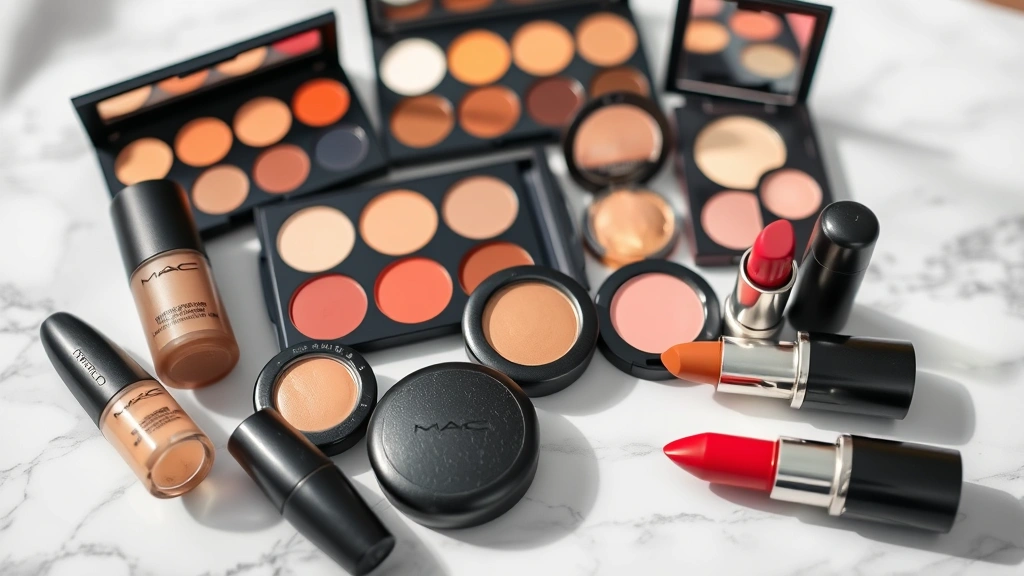
MAC Foundation Colors: Makeup Artist Recommendations for Every Skin Tone
MAC Cosmetics stands as an industry standard for professional makeup artists and beauty enthusiasts worldwide, renowned for its extensive foundation shade range and superior formulation quality. With over 150 foundation shades across multiple product lines, MAC has revolutionized how we think about inclusive beauty and personalized color matching. Whether you’re a makeup artist seeking reliable tools or someone searching for your perfect foundation match, understanding MAC’s color systems and undertone classifications is essential for achieving flawless, long-lasting coverage.
The challenge of finding the right foundation color extends beyond simple shade selection—it requires knowledge of undertones, skin depth, and how different formulations interact with various skin types. MAC’s professional-grade foundations have become the gold standard in the industry precisely because they account for these nuances. This comprehensive guide explores MAC’s foundation color offerings, provides makeup artist recommendations, and helps you navigate the brand’s complex but rewarding shade ecosystem to discover your ideal match.
Understanding MAC Foundation Systems
MAC Cosmetics employs a sophisticated color classification system that goes far beyond traditional light, medium, and dark categories. The brand uses a combination of letters and numbers to denote both depth and undertone, creating a universal language that professional makeup artists rely upon daily. This system includes designations like NC (Neutral Cool), NW (Neutral Warm), N (Neutral), and C (Cool), each representing distinct undertone families.
The numerical component ranges from 10 to 60, with each increment representing approximately a half-shade difference in depth. For example, NC15 is significantly lighter than NC35, which itself is considerably lighter than NC50. This granular approach means MAC offers solutions for virtually every skin tone imaginable, from the fairest complexions to the deepest, richest skin depths. Professional makeup artists appreciate this system because it creates consistency—if you know your shade in one MAC foundation, you can predict your shade in another with reasonable accuracy.
MAC’s most popular foundation formulations include Face and Body (a lightweight, water-resistant option), Studio Fix Powder Plus (ideal for combination skin), Fix+, and the newer Matchmaster line designed with extended shade ranges. Each formula has slightly different coverage levels and finishes, making undertone selection equally important as depth selection. A foundation that’s the correct depth but wrong undertone will appear ashy, orange, or mismatched regardless of application technique.
Undertone Guide and Color Matching
Understanding your undertone represents the most critical step in selecting any foundation, and MAC’s color system makes this easier than most brands. Undertones are the subtle hues beneath your skin’s surface—they remain constant regardless of whether your skin is pale, medium, or dark. The three primary undertone categories are warm (golden, peachy, or reddish), cool (pink, red, or blue), and neutral (a balanced blend of warm and cool).
To identify your undertone, examine your wrist veins in natural daylight. If they appear greenish, you likely have warm undertones. If they look bluish or purple, you probably have cool undertones. When veins appear both blue and green, you likely possess neutral undertones. Another reliable method involves observing how gold versus silver jewelry appears against your skin. Gold jewelry that looks flattering suggests warm undertones, while silver jewelry that complements your complexion indicates cool undertones.
MAC’s NC shades suit those with neutral to warm undertones, featuring golden, peachy, and warm undertones throughout their depth range. These shades work beautifully on olive, golden, and warm-toned complexions across all depths. The NW range caters to those with cool undertones, incorporating pink, red, and cool undertones that harmonize with rosy, ashy, or cool-toned skin. The N line provides true neutrals for those whose undertones balance equally between warm and cool. Before purchasing, most professional makeup artists recommend visiting a MAC counter for in-person color matching under proper lighting conditions, as undertone mismatches are the primary reason for foundation dissatisfaction.
Skin depth and undertone work synergistically—a fair-skinned person with warm undertones requires an entirely different shade than a fair-skinned person with cool undertones. This is why two people wearing the same clothing size or shoe size might wear completely different foundation shades. MAC recognizes this complexity, and their skincare routine for glowing skin recommendations often begin with proper foundation color selection, as the right shade enhances rather than fights against your natural coloring.

Popular MAC Foundation Shade Ranges
MAC Face and Body Foundation represents the brand’s most versatile offering, featuring over 150 shades and a lightweight, buildable formula that works across all skin types. This water-resistant foundation contains a high pigment concentration, allowing for both sheer and full coverage depending on application method. Makeup artists favor this formula for bridal work, photography, and professional settings where longevity matters. The shade range extends from N2 (the fairest option) through NC/NW60 and beyond, ensuring representation across the entire spectrum.
Studio Fix Powder Plus Foundation delivers medium to full coverage with a natural matte finish, making it ideal for oily and combination skin types. The formula sets quickly and provides excellent staying power throughout long days. Available in NC, NW, and N undertones from depths 15 through 50, this foundation works beautifully for everyday wear and professional makeup applications. The powdered texture means you can apply it with a damp sponge for full coverage or a brush for lighter, more sheer application.
MAC Matchmaster Foundation represents the brand’s most inclusive line, with an expanded shade range designed to serve customers who’ve historically struggled finding matches. This liquid foundation offers medium coverage with a natural satin finish, making it versatile for multiple skin types. The extended range means customers with very deep or very light skin tones, as well as those with unusual undertone combinations, finally have reliable options within the MAC ecosystem.
Pro Longwear Foundation provides 24-hour wear without flaking or fading, featuring a waterproof formula that resists sweat, humidity, and tears. Professional makeup artists often select this formula for theatrical work, high-stress events, and situations where foundation integrity is paramount. The shade range spans NC/NW from 15 to 50, with a matte finish that photographs beautifully and resists shine under studio lights.
Beyond these primary options, MAC offers several specialty formulations including Face and Body Radiant Sheer Foundation for those seeking luminous, skin-like coverage, and Studio Waterweight Foundation for those preferring ultra-lightweight formulas. Each line maintains the brand’s commitment to extensive shade ranges and undertone specificity, though availability varies by retailer and region.
Professional Makeup Artist Recommendations
Makeup artists consistently recommend MAC Face and Body Foundation as the industry workhorse, citing its versatility, extensive shade range, and professional-grade pigmentation. This formula’s ability to build from sheer to full coverage makes it invaluable for adapting to different client needs and preferences. Many artists maintain 10-15 shades in their professional kits, selecting shades that allow them to custom-blend matches for clients whose undertones don’t align perfectly with standard offerings.
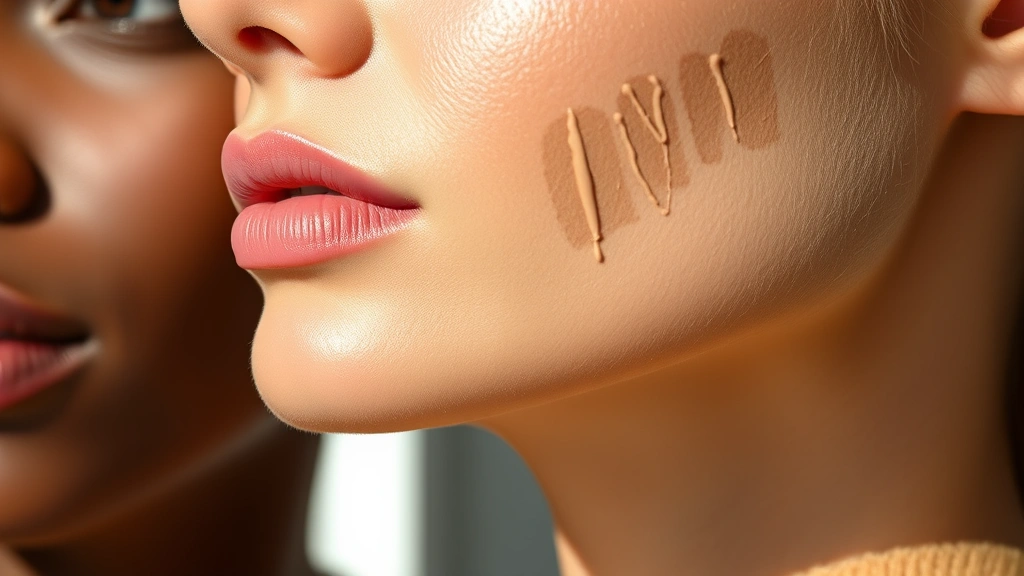
Professional makeup artists emphasize that finding your exact MAC shade requires testing under multiple lighting conditions. The fluorescent lights at retail counters often misrepresent how foundations appear in natural daylight or photography. Experienced artists recommend obtaining samples and testing shades on your jawline—the area where foundation should seamlessly blend with your neck—in various lighting environments before committing to full-size purchases.
For those with budget cosmetic brands in mind, understanding your MAC shade becomes valuable because many more affordable foundations reference MAC’s color system. Once you’ve identified your MAC shade, you can confidently explore alternatives that use the same NC/NW/N classifications, potentially finding comparable options at lower price points.
Makeup artists also recommend considering your foundation selection within the context of your complete skincare routine. A proper skincare routine for glowing skin creates an optimal base for foundation application, improving both how the product sits on skin and how accurate your color match appears. Dehydrated skin can appear ashy or uneven, making undertone assessment difficult. Artists suggest completing your skincare routine, allowing products to fully absorb, and waiting several minutes before applying foundation for the most accurate color representation.
Application Techniques for Perfect Color
How you apply MAC foundation significantly impacts how the color appears on your skin. Professional makeup artists employ several techniques depending on desired coverage level and finish. The sponge method—using a damp beauty sponge—creates seamless blending and allows for buildable coverage without looking heavy. Dampening the sponge stretches the product further and prevents over-application, which can cause foundations to appear darker or more orange than intended.
The brush application method offers more control, particularly for precise blending along the jawline and around the eyes. Different brush densities and shapes create varying coverage levels—dense, flat brushes provide more coverage while fluffy, stippling brushes create lighter, more diffused application. Many professional makeup artists use a combination approach, applying foundation with a brush for base coverage and refining edges with a damp sponge.
Proper lighting during application cannot be overstated. Bathroom lighting, particularly fluorescent overhead lights, often appears too cool and can make you select foundations that appear too warm or dark in natural daylight. Professional makeup artists recommend applying foundation near a window with natural light, or investing in a quality makeup mirror with daylight-balanced LED lighting. This ensures your foundation color appears accurate in the environments where you’ll actually be wearing it.
Blending technique also influences how foundation color appears. Insufficient blending can create harsh lines where foundation meets skin, making any slight shade mismatch more obvious. Thorough blending into the neck, ears, and hairline ensures the foundation integrates seamlessly with your natural skin tone. Many makeup artists use setting spray after blending to lock the foundation in place while ensuring color remains consistent throughout wear.
Temperature can affect how MAC foundations appear on skin. Formulas set and cure slightly differently depending on skin temperature, which varies based on ambient temperature, activity level, and individual metabolism. Professional makeup artists account for this by allowing foundations adequate time to set before assessing final color, typically 2-3 minutes after application.
For those concerned about foundation longevity and color stability throughout the day, proper cosmetic fridge storage can extend product lifespan and maintain consistency. Additionally, understanding your foundation’s cosmetic expiration date ensures you’re always working with fresh formulas that maintain their original color integrity and performance characteristics.

FAQ
How do I find my exact MAC foundation shade without visiting a store?
While in-person color matching is ideal, you can identify your likely shade range by researching your undertone and skin depth, then ordering MAC samples or purchasing from retailers with generous return policies. Many beauty retailers offer virtual try-on technology or consultation services. Share photos of your jawline in natural light with MAC beauty advisors, who can often recommend shades for testing. Once you’ve identified your correct shade, note it for future reference—this knowledge applies across all MAC foundation formulations.
Can I mix two MAC foundation shades to create a custom match?
Yes, professional makeup artists frequently blend two shades together to achieve perfect matches, particularly when clients’ undertones don’t align perfectly with standard offerings. This technique works best with foundations of similar formulations and textures. Mix shades on the back of your hand or a mixing palette before applying, ensuring thorough blending for consistent color throughout application. This approach is particularly useful during seasonal skin tone changes.
Why does my MAC foundation look orange or ashy on my skin?
Orange appearance typically indicates a foundation with undertones warmer than your actual skin undertone. Ashy appearance suggests undertones cooler than your natural tone. Both issues stem from undertone mismatch rather than depth mismatch. Reassess your undertone using the vein test or jewelry method, then select a shade with more appropriate undertones. If your undertone falls between categories, consider blending two shades or exploring MAC’s neutral (N) options.
How should I store MAC foundations to maintain color consistency?
Store MAC foundations in cool, dry environments away from direct sunlight, which can cause color separation or fading. A cosmetic vanity organizer with light-blocking compartments works well. Some makeup artists prefer cosmetic fridge storage for extended shelf life and to prevent oxidation. Ensure caps are tightly sealed after each use. Properly stored MAC foundations maintain their original formulation and color for years.
Do MAC foundation shades differ between product lines?
While MAC maintains consistency across its undertone system, slight variations exist between formulations due to different base ingredients and pigment concentrations. A shade that’s perfect in Face and Body might appear marginally different in Studio Fix Powder Plus. These differences are typically subtle, but professional makeup artists often test multiple formulations to identify which lines work best with their specific undertone. Start with your identified shade in a new formula, then adjust slightly if needed.