MAC Cosmetics Pressed Face Powder: Makeup Artist Review
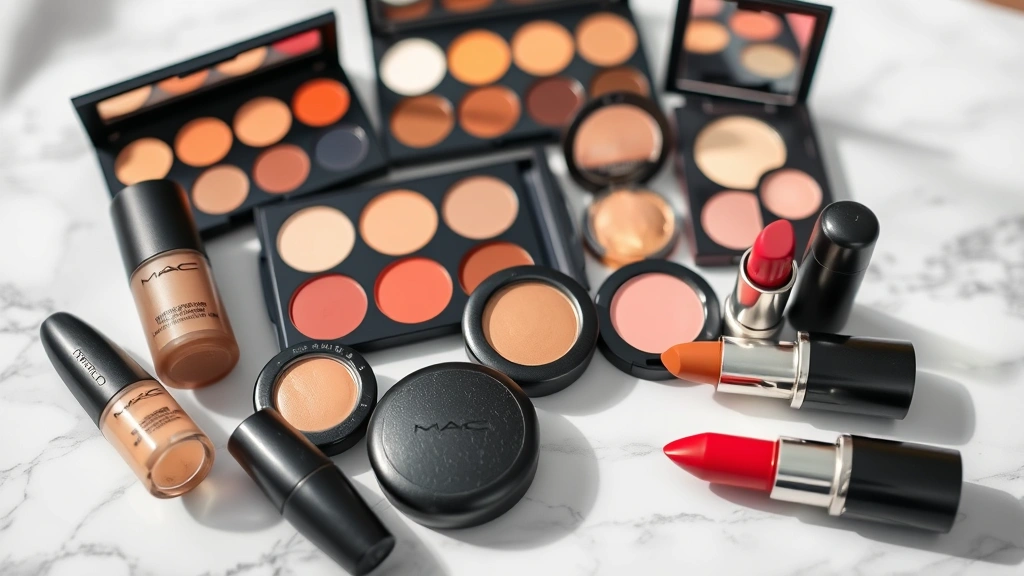
MAC Cosmetics pressed face powder stands as a professional-grade staple in makeup artistry, beloved by beauty professionals and enthusiasts alike for nearly four decades. This iconic powder has earned its reputation through consistent performance, extensive shade range, and remarkable versatility across diverse skin tones and types. Whether you’re setting a full face of makeup for a special event or maintaining a polished look throughout the day, MAC’s pressed powder delivers professional results that justify its premium positioning in the cosmetics market.
As a makeup artist’s essential tool, this powder transcends basic functionality—it’s formulated with specific ingredients that control shine, extend makeup wear, and create a flawless finish without the common pitfalls of caking or pilling. Understanding the formulation, application techniques, and shade selection process will help you maximize this investment and determine if it’s the right choice for your skin type and makeup goals.
Formula Breakdown and Key Ingredients
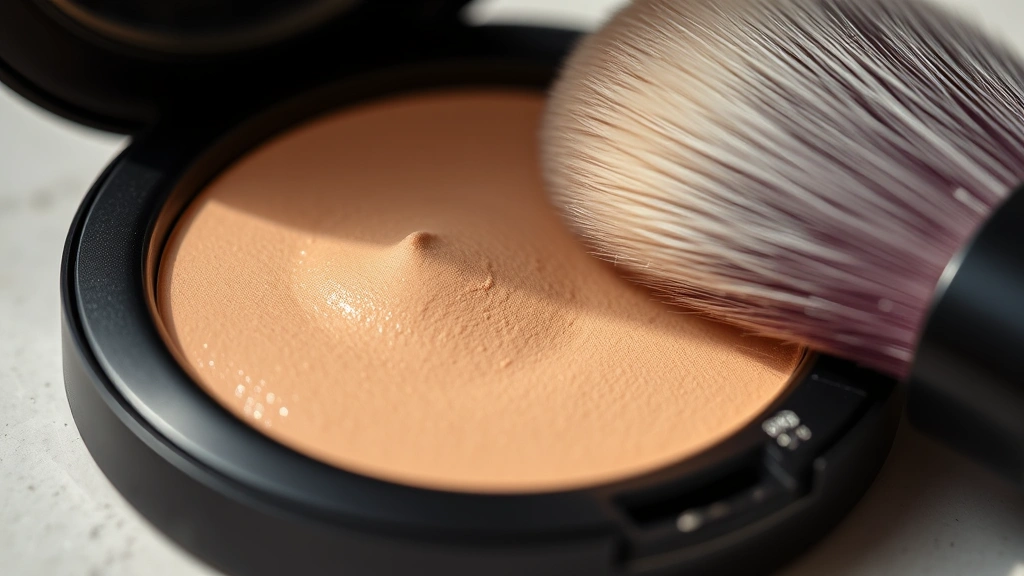
MAC Cosmetics pressed face powder utilizes a proprietary blend designed specifically for professional makeup application. The formulation centers on talc as its primary ingredient—a mineral powder that provides excellent oil absorption and creates a smooth, blendable texture. While talc has faced scrutiny in recent years, MAC’s sourcing and processing standards maintain rigorous safety protocols that align with FDA regulations and international cosmetic standards.
The powder incorporates mica, which imparts a subtle light-reflecting quality without appearing shiny or glittery. This ingredient is crucial for creating dimension and preventing the flat, matte appearance that cheaper powders often produce. Mica particles refract light microscopically, creating a naturally luminous finish that photographs beautifully and looks sophisticated in person.
Silica serves as a secondary mattifying agent, working synergistically with talc to absorb excess sebum and control shine throughout the day. The inclusion of silica in MAC’s formula explains why the powder performs exceptionally well on combination and oily skin types, as it provides long-lasting oil control without requiring frequent reapplication.
MAC incorporates various iron oxides (CI 77491, CI 77492, CI 77499) to achieve the extensive shade range. These naturally derived colorants allow for precise matching across different skin tones without relying solely on titanium dioxide or synthetic pigments. The careful balance of iron oxides determines undertone accuracy, which is paramount for achieving a seamless, skin-tone-matching finish.
The inclusion of magnesium stearate acts as a binding agent, holding the pressed powder together while maintaining a crumbly, easy-to-dispense texture. This ingredient prevents the powder from becoming too dense or compact, which would compromise blendability and application ease. Unlike some budget-friendly alternatives, MAC’s formulation doesn’t sacrifice texture quality for binding efficiency.
Octyldodecanol provides subtle emollient properties, preventing the powder from feeling dry or chalky on the skin. This ingredient is particularly beneficial for those with sensitive or mature skin, as it reduces the potential for irritation while maintaining the powder’s ability to control shine effectively.
Shade Range and Undertone Analysis
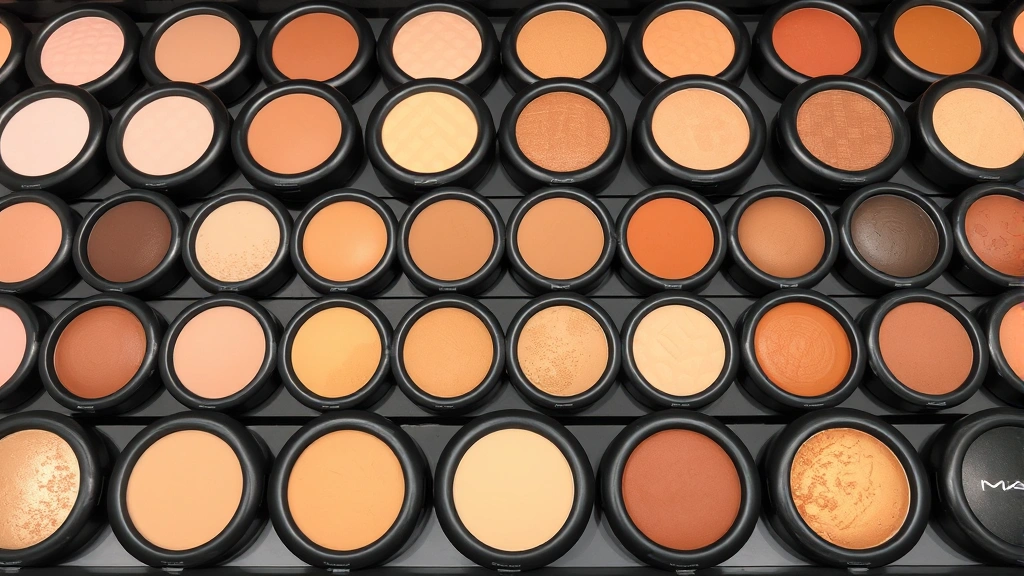
MAC’s pressed powder collection encompasses over 15 distinct shades, strategically developed to accommodate skin tones from very fair to deep. The shade naming system reflects MAC’s professional heritage—names like NC (Neutral Cool) and NW (Neutral Warm) indicate the undertone classification, providing clarity that generic names like “medium” or “light” cannot.
The NC range caters to those with pink, red, or cool undertones. Shades like NC10, NC15, and NC20 serve fair skin tones with cooler undertones, while NC30 through NC45 address medium skin tones. These cooler-toned powders prevent the orange or yellow cast that occurs when warm powders are applied to cool-toned skin.
The NW range encompasses warm-leaning undertones, ideal for those with golden, yellow, or warm red undertones. NW15 through NW55 provide comprehensive coverage for fair through deep skin tones with warm undertones. The progression ensures that regardless of your base shade, you can find a powder that matches your undertone accurately.
MAC also offers the NC/NW bridge shades—intermediate options that work beautifully for those with balanced undertones or those transitioning between two primary shades. This thoughtful approach to shade development demonstrates why makeup artists prefer MAC; the brand recognizes that undertone matters as much as depth.
When selecting your shade, match the powder to your jawline or the inner arm, not your face. Your face often appears darker due to sun exposure and natural color variation. Applying the powder in natural light ensures you’re choosing a shade that won’t appear ashy, orange, or mismatched when you’re outdoors or in different lighting conditions.
Application Techniques for Professional Results
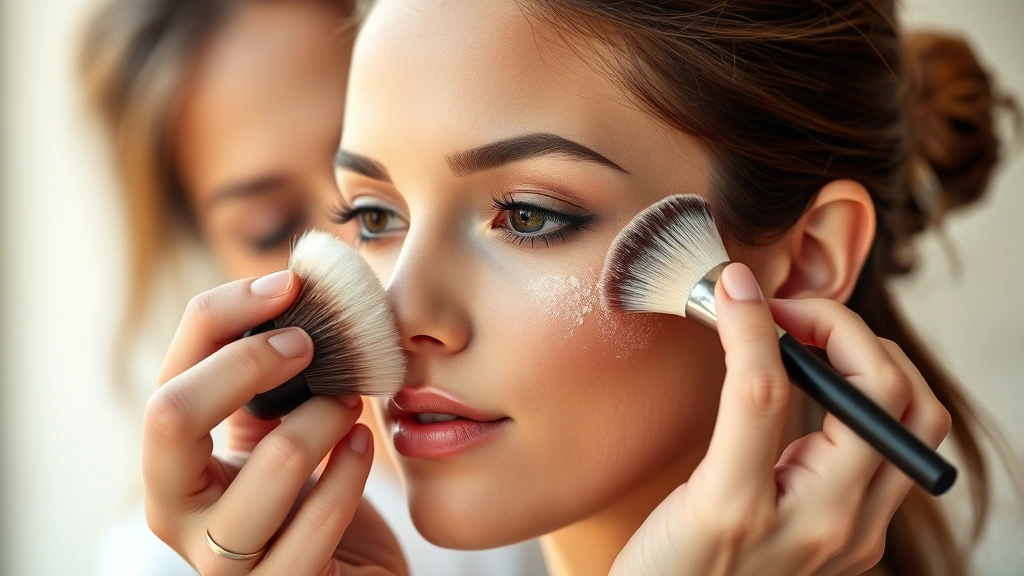
Professional makeup artists employ specific techniques to maximize MAC pressed powder’s performance. The foundation of successful application begins with brush selection. A fluffy, natural-hair brush—ideally goat hair or a high-quality synthetic alternative—distributes the powder evenly without depositing too much product. Smaller, denser brushes tend to pack powder too heavily, resulting in a visible, cakey appearance.
The stippling motion proves far superior to circular motions when applying this powder. Using gentle, bouncing movements with the brush perpendicular to the skin gently presses the powder into place without disturbing the foundation beneath. This technique, favored by professional makeup artists, ensures seamless blending and prevents streaking.
Application should be minimal initially. It’s easier to add more powder than to remove excess. Begin with a light dusting across the T-zone—forehead, nose, chin, and between the eyebrows—where oil production is typically highest. Then, apply sparingly to the cheeks, temples, and jawline if needed.
The baking technique, where powder is applied thickly and left for several minutes before brushing away, works exceptionally well with MAC’s formula. The powder’s finely-milled texture allows it to set makeup effectively without the heavy-handed appearance that baking can sometimes create with lower-quality products.
For setting eye makeup, use a smaller, fluffy brush to apply powder around the eye area, ensuring shadow and liner adhere properly throughout the day. The powder’s blendability means it won’t disrupt eyeshadow placement or create harsh lines.
Performance Across Skin Types
Understanding how MAC pressed powder performs on different skin types is essential for determining if it’s your ideal match. For oily skin, this powder excels. The talc and silica combination provides robust oil control, and the formula’s ability to absorb sebum without appearing powdery makes it a professional favorite for oily and acne-prone clients. Users report that this powder maintains shine-free skin for 8-10 hours with minimal touch-ups.
Those with combination skin appreciate MAC’s targeted application approach. The powder controls shine in oily zones while not emphasizing dry areas when applied with restraint. Pairing the powder with a hydrating primer on dry areas and a pore-minimizing primer on oily zones creates a balanced base that MAC powder can set effectively.
For dry skin, MAC pressed powder requires a more delicate approach. The formula itself isn’t inherently drying, but excessive application can emphasize texture and fine lines. Using a moisturizing primer, applying powder minimally, and setting with a luminizing spray rather than more powder creates a fresh, dewy finish that doesn’t sacrifice oil control where needed.
Individuals with sensitive skin should patch test before full-face application. While MAC’s formula is generally well-tolerated, the talc content may cause irritation in some sensitive skin types. If you experience redness or irritation, consider exploring MAC’s talc-free alternatives or consulting with a dermatologist before continued use.
Mature skin benefits from MAC’s light-reflecting properties. The mica content prevents powders from settling into fine lines and wrinkles, creating a more youthful appearance. When applied strategically and paired with appropriate cosmetics for mature skin, MAC powder enhances rather than emphasizes aging skin concerns.
For those interested in complementary skincare, skincare products with hyaluronic acid benefits and usage guide provides excellent information on maintaining skin hydration beneath makeup, which is crucial for preventing powder from appearing patchy or flaky.
Comparison with Alternatives
When evaluating MAC’s pressed powder against competitors, several factors emerge. Compared to cheap cosmetic brands, MAC offers superior milling, better shade accuracy, and longer wear time. Budget alternatives often contain heavier talc loads without the balancing ingredients that prevent cakiness.
Against luxury competitors like Chanel or Tom Ford, MAC provides exceptional value. While these brands offer prestige packaging and sophisticated marketing, their pressed powders don’t demonstrate significantly superior performance in professional settings. Makeup artists frequently choose MAC over luxury alternatives purely based on functionality and cost-effectiveness.
Compared to other professional-grade options like Makeup Forever HD Powder, MAC’s formula provides better oil control and a more natural finish. Makeup Forever’s powder tends toward a more matte appearance, which some prefer but others find less flattering on mature or textured skin.
When considering MAC Cosmetics foundation shades, coordinating your pressed powder shade with your foundation shade ensures seamless blending. MAC’s consistency across product lines makes this coordination straightforward—your NC30 foundation will pair perfectly with NC30 pressed powder.
Longevity and Value Proposition
A single MAC pressed powder compact contains approximately 15 grams of product, which translates to 6-12 months of regular daily use depending on application technique and frequency. Professional makeup artists using the product multiple times daily on different clients report that a compact lasts approximately 2-3 months.
The cost per ounce, when calculated over the product’s lifespan, positions MAC competitively within the professional-grade segment. At approximately $30-35 USD per compact, the per-use cost remains minimal, especially when considering the powder’s superior performance compared to cheaper alternatives.
MAC’s product sustainability practices include a recycling program where customers return empty compacts for rewards. This environmental consideration appeals to conscious consumers and adds value beyond the product itself.
The powder’s stability is remarkable—properly stored away from excessive heat and moisture, a compact maintains its texture and performance characteristics for years. Unlike some formulas that develop a waxy or separated appearance over time, MAC’s pressed powder remains consistent throughout its lifespan.
Investing in MAC pressed powder represents a commitment to professional-quality makeup application. Whether you’re a makeup artist building a kit or an individual seeking reliable, long-lasting makeup, this product delivers consistent results that justify its premium positioning.
For those building a complete makeup collection, pairing MAC pressed powder with quality tools like those found in a luxury cosmetic bag ensures your investment remains protected and organized. Additionally, exploring complementary products like ELF cosmetics eyelash curler demonstrates how professional results don’t require exclusively premium products—strategic investment in key items like pressed powder paired with budget-friendly alternatives creates balanced, effective makeup routines.
FAQ
Is MAC pressed powder suitable for oily skin?
Yes, absolutely. MAC pressed powder excels on oily skin due to its talc and silica content, which effectively absorbs excess sebum. Professional makeup artists frequently recommend this powder specifically for oily and combination skin types. Apply minimally to avoid over-powdering, and consider using a pore-minimizing primer underneath for enhanced oil control.
How do I choose between NC and NW shades?
NC shades contain cooler, pinker undertones and work best for cool-toned skin with pink, red, or neutral undertones. NW shades are warmer with golden or yellow undertones, suited for warm-toned skin. Test both under natural light on your jawline to determine which undertone category matches your skin. Many people find they’re between two shades and can use either depending on season or sun exposure.
Can MAC pressed powder be used as an eyeshadow base?
While MAC pressed powder can technically set eyeshadow primer, it’s not optimal. A dedicated eyeshadow primer provides better adhesion and prevents creasing. However, in a pinch, MAC pressed powder can extend eyeshadow wear when applied over primer and set with a setting spray.
Does MAC pressed powder contain talc?
Yes, MAC’s standard pressed powder formula contains talc as its primary ingredient. The brand maintains strict sourcing and safety standards, but those with talc sensitivities or preferences should explore talc-free alternatives or consult dermatological resources before use.
How long does a MAC pressed powder compact last?
For daily personal use with typical application amounts, a compact lasts 6-12 months. Professional makeup artists using the product multiple times daily on different clients typically use one compact every 2-3 months. Longevity depends entirely on application frequency and technique.
What’s the best brush for applying MAC pressed powder?
A fluffy, natural-hair brush (goat hair is ideal) or high-quality synthetic alternative works best. The brush should be large enough to cover the face efficiently but soft enough to blend seamlessly. Avoid dense, compact brushes that pack powder too heavily and create visible, cakey application.