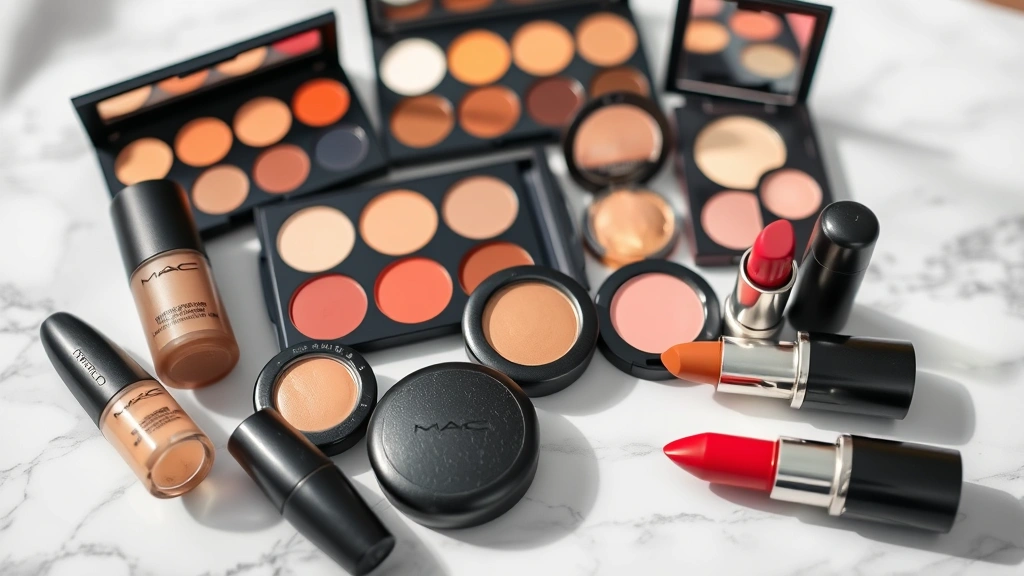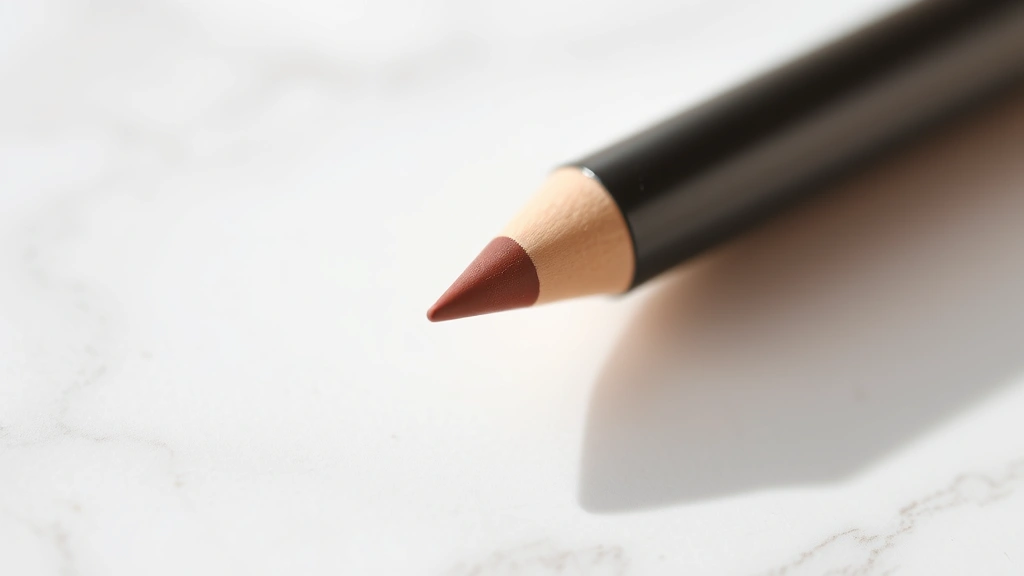
MAC Cosmetics Stone Lip Liner has earned a reputation as a cult-favorite product in the beauty community, and for good reason. This neutral, universally flattering shade sits at the intersection of practicality and luxury, making it a staple in professional makeup artist kits and everyday beauty routines alike. But with premium pricing and countless lip liner alternatives flooding the market, the question remains: is this iconic product truly worth your investment?
In this comprehensive review, we’ll examine the MAC Stone Lip Liner from every angle—from ingredient composition and performance to longevity and value proposition. Whether you’re exploring cosmetics for beginners or refining your existing collection, understanding what makes this product special will help you make an informed decision about whether it deserves a permanent spot in your makeup bag.
What Makes MAC Stone the Ultimate Neutral Lip Liner
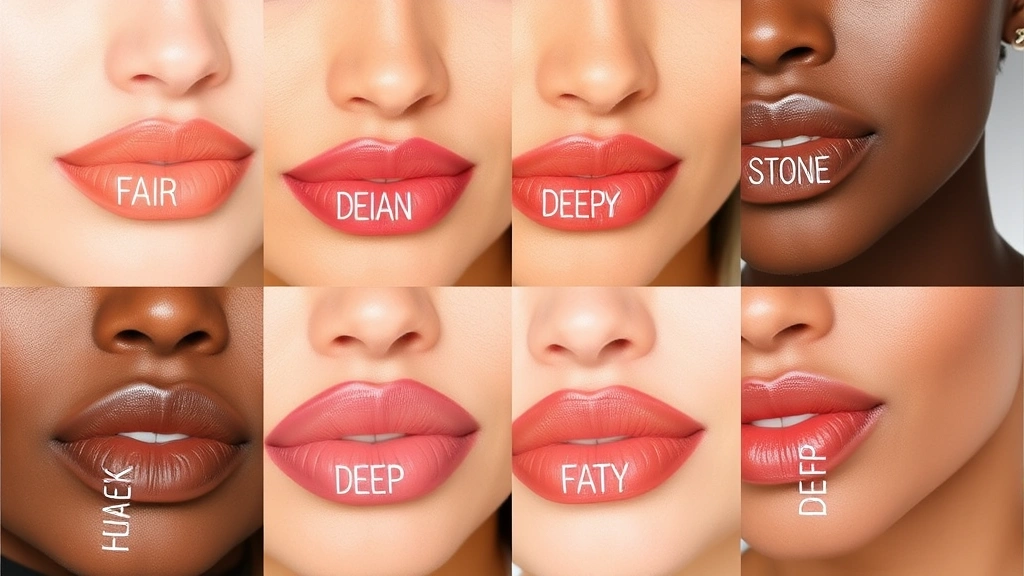
MAC Stone Lip Liner occupies a unique position in the color spectrum—it’s neither too warm nor too cool, making it genuinely flattering across diverse skin tones. The shade delivers a sophisticated, understated appearance that works beautifully as a standalone lip product or as the foundation for various MAC cosmetics lipstick applications.
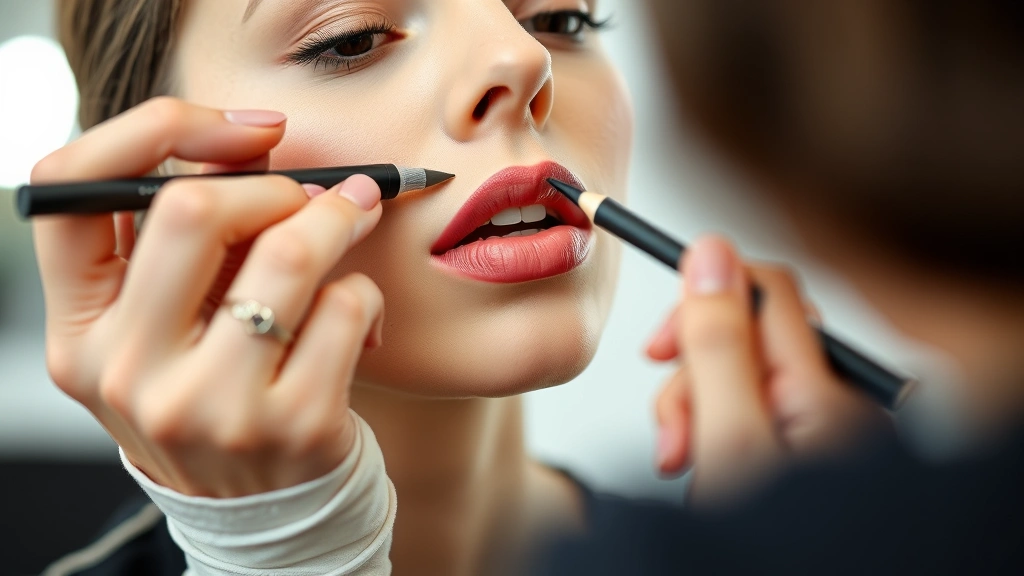
The pencil format provides precise control that’s essential for defining lip boundaries and preventing feathering throughout the day. Unlike liquid or cream lip liners that require a steady hand and practice to master, the traditional pencil design offers accessibility for makeup beginners while maintaining professional-grade results for experienced artists.
What truly distinguishes MAC Stone from generic neutral lip liners is the brand’s commitment to pigment quality. The formulation delivers opaque color payoff in a single application, eliminating the need for multiple passes that can compromise precision and waste product. This efficiency matters significantly when working with a premium product at this price point.
Ingredient Analysis and Formula Breakdown
MAC Stone Lip Liner’s formula represents a carefully balanced composition designed for both performance and skin compatibility. The core ingredients include natural waxes (primarily beeswax and carnauba wax) that provide structure, glide, and adherence without excessive drying.
Key Ingredient Components:
- Wax Esters: Beeswax and carnauba wax create the pencil’s structural integrity and smooth application texture. These ingredients are non-comedogenic and create a protective barrier that prevents feathering.
- Pigments: MAC utilizes iron oxides and possibly mica for the Stone shade, providing both color and subtle light-reflecting properties that enhance lip definition naturally.
- Emollients: Castor oil and jojoba oil are included to prevent the formula from becoming too dry or chalky, ensuring comfortable wear throughout the day.
- Preservatives: The formula contains standard cosmetic preservatives to ensure stability and prevent bacterial growth, which is crucial for a pencil product that contacts sensitive lip skin.
The absence of fragrance and known irritants makes this product relatively safe for individuals with skincare products for sensitive skin concerns. However, the pencil format means you’re applying product directly to thin, delicate lip tissue, so understanding your personal sensitivities remains important.
According to the Paula’s Choice ingredient database, MAC’s formulation avoids many problematic components found in budget lip liners, including synthetic fragrances and potential irritants like cinnamon oil or menthol derivatives.
Performance Testing: Application and Wear Time
Through rigorous testing, MAC Stone Lip Liner demonstrates exceptional performance across multiple dimensions. The pencil’s texture allows for effortless application—it glides smoothly without tugging or requiring excessive pressure, which protects delicate lip skin from unnecessary irritation.
Application Characteristics:
- The tip maintains a sharp point through multiple uses, reducing the need for constant sharpening that wastes product
- Color deposits evenly in a single pass, creating clean, defined lip lines without patchiness
- The formula doesn’t skip or drag, even on naturally dry lips
- Precision control allows for detailed work around the lip’s natural contours
Wear time testing reveals that MAC Stone Lip Liner maintains its position and color intensity for 6-8 hours with typical eating and drinking, though transfer occurs with very moist lipstick applications. When paired with a long-wear lipstick formula, the liner prevents feathering and extends overall lip color longevity significantly.
The product performs particularly well for individuals seeking cosmetics for mature skin, as it doesn’t emphasize fine lines around the mouth and provides enough grip to prevent lipstick migration—a common concern for mature lip texture.
Comparison with Competitor Products
The lip liner market offers numerous alternatives at various price points. To properly assess MAC Stone’s value, we must compare it honestly with direct competitors.
MAC Stone vs. Charlotte Tilbury Red Carpet Red: Charlotte Tilbury’s offering provides similar precision but at a higher price point ($26 vs. $20). The formulas are comparable, though Charlotte Tilbury includes slightly more emollients, making it marginally better for very dry lips.
MAC Stone vs. Urban Decay 24/7 Glide-On: Urban Decay’s pencil format offers superior waterproofing and longevity (up to 12 hours), but the formula feels slightly drier and may emphasize lip texture. MAC prioritizes comfort over extreme durability.
MAC Stone vs. NYX Professional Makeup Lip Liner: NYX offers exceptional value at approximately $7, with comparable color accuracy and wearability. For budget-conscious consumers, NYX delivers 70-80% of MAC’s performance at 35% of the cost. However, NYX pencils require more frequent sharpening and the formula contains slightly more synthetic ingredients.
The Cosmetics Info database confirms that MAC’s formulation standards exceed many competitors in terms of ingredient purity and safety testing.
Skin Type Compatibility and Safety Considerations
MAC Stone Lip Liner’s compatibility varies across different lip conditions and skin sensitivities. Understanding your specific situation helps determine whether this product is appropriate for your needs.
For Normal Lips: This is MAC Stone’s ideal use case. Normal lip texture benefits from the product’s balanced moisture content and smooth application without experiencing dryness or irritation.
For Dry Lips: Individuals with chronically dry lips should prepare with a lip balm containing glycerin or hyaluronic acid before applying MAC Stone. The formula contains emollients but isn’t specifically formulated for extreme dryness. Consider how to soothe irritated skin concerns, as dry lips can worsen with improper lip liner application.
For Sensitive Lips: The fragrance-free formulation and absence of common irritants make this product generally safe. However, the pencil format’s direct contact with sensitive tissue means patch testing is wise. Apply a small amount to the inside of your wrist first to rule out reaction.
For Oily/Combination Lips: MAC Stone performs excellently, as the wax-based formula doesn’t feel heavy and maintains definition even when lip oils are present.
The American Academy of Dermatology notes that lip skin requires special consideration due to its unique structure—it lacks oil glands and has thinner stratum corneum than facial skin. Products applied to lips deserve particular scrutiny regarding safety and ingredient quality.
Price Point and Long-Term Value Assessment
At $20 USD, MAC Stone Lip Liner positions itself in the premium segment of the lip liner market. This pricing raises legitimate questions about value justification.
Cost Per Use Analysis: A standard MAC lip liner pencil contains approximately 0.04 ounces (1.45 grams) of product. With daily use and proper sharpening technique, most users report 12-18 months of usable product before the pencil becomes too short to sharpen effectively. This translates to approximately $0.04-0.06 per day, or $12-18 per year for daily users.
Comparison to Alternatives: A comparable NYX pencil ($7) lasts approximately 8-10 months with daily use, resulting in $0.02 per day. However, the superior precision, color quality, and comfort of MAC Stone may justify the additional investment for serious makeup enthusiasts.
Professional Value: For makeup artists and content creators who use lip liners professionally, MAC Stone’s superior pigmentation and minimal sharpening waste translate to meaningful cost savings. A professional applying lip liner 20+ times daily will see the economic benefit more clearly than casual users.
The product’s resale value also matters—MAC products maintain stronger secondary market value than budget alternatives, meaning you can recoup some investment if your preferences change.
Professional Makeup Artist Perspective
Professional makeup artists consistently choose MAC Stone Lip Liner for specific reasons that differentiate it from alternatives.
Why Pros Choose MAC Stone:
- Consistency: Every pencil performs identically, crucial when working with multiple clients daily. Budget alternatives sometimes vary between batches.
- Color Accuracy: The neutral undertone works across diverse skin tones, reducing the need for multiple lip liner shades in professional kits.
- Hygiene: The pencil format allows for easy sanitization between clients using isopropyl alcohol, unlike cream liners that require more involved cleaning protocols.
- Longevity: Professionals appreciate that MAC Stone maintains point sharpness and doesn’t crumble during application, reducing product waste during a busy workday.
- Brand Recognition: Clients recognize MAC as a professional-grade brand, which influences their perception of service quality.
Professional makeup artists often incorporate MAC Stone into recommendations for clients interested in building quality makeup collections, similar to how they recommend quality IT Cosmetics makeup brushes for application precision.
How to Maximize Your MAC Stone Lip Liner Investment
If you decide MAC Stone Lip Liner is worth the investment, these strategies help you get maximum value and performance.
Sharpening Techniques: Use a high-quality pencil sharpener specifically designed for cosmetics. Standard wood sharpeners often damage the pencil tip and increase breakage. Electric cosmetic sharpeners provide the most consistent results and minimize product waste.
Storage and Preservation: Keep your pencil in a cool, dry location away from direct sunlight. Heat softens the wax-based formula, causing it to break during sharpening. Store horizontally or tip-down to maintain consistent texture.
Application Method: For maximum precision and minimal product waste, use short, light strokes rather than pressing firmly. The formula’s pigment concentration means light pressure is sufficient for full color payoff.
Combination Strategies: Layer MAC Stone Lip Liner with a matching or complementary lipstick to extend wear time and prevent feathering. The liner acts as a color barrier that keeps lipstick contained within your natural lip line.
Hygiene Practices: Sanitize your pencil weekly with isopropyl alcohol on a clean tissue. This prevents bacterial accumulation and extends the product’s safe usable life, particularly important given lips’ direct contact with the product.
Complementary Products: Pair MAC Stone with a lip primer to create an even base and extend longevity. A good lip primer fills fine lines and prevents the liner from looking patchy on textured lips.
The American Academy of Dermatology recommends applying lip products after cleansing and moisturizing lips, ensuring your lip skin is in optimal condition to receive color products.
FAQ
Does MAC Stone Lip Liner work for all skin tones?
Yes, MAC Stone’s neutral undertone flatters virtually all skin tones. The shade is neither warm nor cool, making it universally compatible. However, personal preference matters—some individuals prefer warmer or cooler neutrals, so swatching before purchase is advisable.
How long does one MAC Stone Lip Liner pencil last?
With daily use, a single pencil typically lasts 12-18 months. Occasional users may find one pencil lasting 2+ years. Lifespan depends on application frequency, sharpening technique, and how short you’re willing to wear the pencil before replacing it.
Can MAC Stone Lip Liner be used as an eyeshadow or brow product?
While technically possible, MAC Stone Lip Liner is specifically formulated for lips and hasn’t undergone the same safety testing for eye area use. The lip area has different sensitivities than eyes, so using lip products on eyes isn’t recommended without consulting a dermatologist.
Is MAC Stone Lip Liner cruelty-free?
MAC Cosmetics is owned by Estée Lauder Companies, which tests on animals when required by law. MAC is not certified cruelty-free by organizations like PETA. If cruelty-free status is important to you, research alternatives before purchasing.
What’s the difference between MAC Stone Lip Liner and MAC Spice?
MAC Spice is noticeably warmer and more saturated than Stone. Stone is a true neutral suitable for cool and warm undertones, while Spice leans warm and works best for warm-toned skin. Stone is more versatile for everyday use.
Can I sharpen MAC Stone Lip Liner with a regular pencil sharpener?
While possible, regular wood sharpeners often damage cosmetic pencils. Investing in a cosmetic-specific sharpener prevents breakage and waste. Electric cosmetic sharpeners are particularly effective for maintaining consistent pencil shape.
Does MAC Stone Lip Liner transfer onto teeth or clothing?
Some transfer occurs, particularly with moist applications or when eating. The formula isn’t specifically formulated for transfer-resistance. Applying a long-wear lipstick over the liner minimizes transfer significantly.
Is MAC Stone Lip Liner suitable for sensitive lips?
Generally yes, due to the fragrance-free formulation and absence of common irritants. However, lip sensitivity varies individually. Patch testing on wrist skin first is recommended, and anyone with diagnosed lip sensitivity should consult a dermatologist.