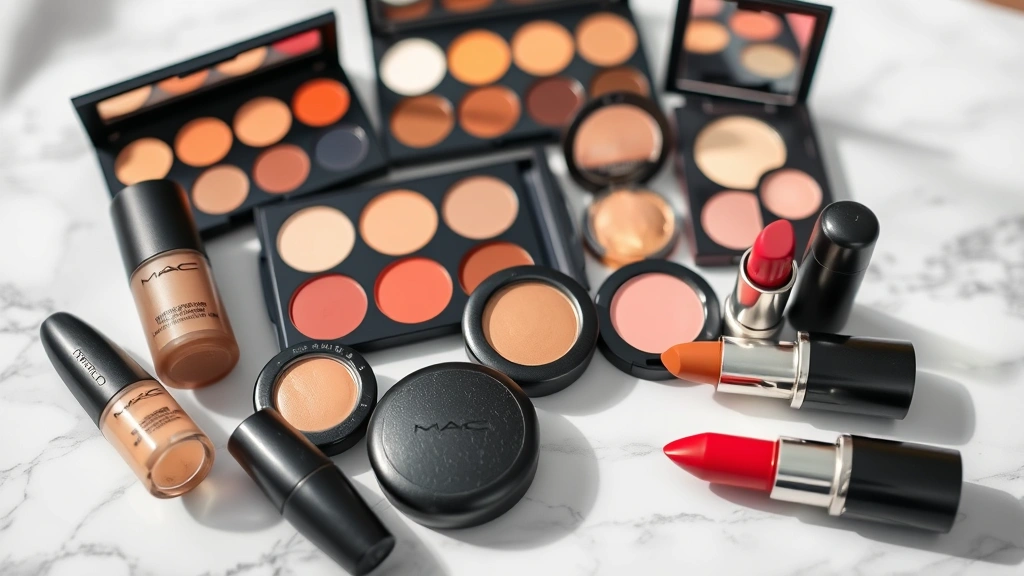
Mary Kay has been a household name in the beauty industry for decades, but does their product line truly live up to the hype? With countless skincare and makeup options available today, consumers are rightfully questioning whether Mary Kay cosmetics deliver results worth the investment. This comprehensive review examines Mary Kay’s most popular products, ingredient quality, pricing, and whether they’re a smart choice for your beauty routine.
The brand’s direct-sales model has made Mary Kay products accessible to millions, but accessibility doesn’t automatically mean quality. We’ll break down what Mary Kay does well, where they fall short, and how their formulations compare to competitors in similar price ranges. Whether you’re a longtime Mary Kay user or considering trying the brand for the first time, this honest assessment will help you make an informed decision.
Mary Kay Brand Overview and History
Founded in 1963 by Mary Kay Ash, the company revolutionized the beauty industry by introducing a direct-sales model that empowered women as beauty consultants. Today, Mary Kay operates in over 100 countries and generates billions in annual revenue. However, longevity and market presence don’t necessarily correlate with product superiority.
Mary Kay’s product portfolio spans skincare, color cosmetics, fragrance, and wellness categories. The brand positions itself as a premium yet accessible option, occupying the middle ground between drugstore brands and luxury cosmetics. Their products are dermatologist-tested and formulated to address various skin concerns, from acne-prone skin to mature complexions.
The company invests in research and development, though their innovation pace sometimes lags behind competitors. Many Mary Kay formulations emphasize time-tested ingredients rather than cutting-edge skincare science. This approach appeals to traditional consumers but may disappoint those seeking the latest dermatological breakthroughs.
Skincare Line Analysis
Mary Kay’s skincare offerings are extensive, with multiple product lines targeting different skin types and ages. Their TimeWise collection remains their flagship skincare system, designed to address visible signs of aging. The line includes cleansers, toners, moisturizers, and serums that many users report provide noticeable hydration and texture improvement.
The TimeWise 3D collection represents Mary Kay’s more advanced anti-aging option, incorporating ingredients like hyaluronic acid for deep hydration and plumping effects. While hyaluronic acid is an excellent hydrating ingredient, Mary Kay’s formulations aren’t uniquely positioned in this space. Many competitors offer similar benefits at comparable or lower price points.
For acne-prone skin, Mary Kay’s Acne Control System provides a basic regimen with salicylic acid as the active ingredient. The system is straightforward but lacks the sophistication found in specialized acne brands. Users with moderate to severe acne may find better results with targeted dermatological products.
Mary Kay’s eye creams and serums address specific concerns like dark circles and fine lines. However, the efficacy of these products varies significantly among users, and the price-per-ounce often exceeds that of competitors with similar ingredient profiles. The brand’s moisturizers generally receive positive reviews for texture and absorption, though they’re not particularly innovative in their formulations.
One notable strength is Mary Kay’s commitment to preventing and combating winter skin dryness with rich, nourishing formulas. Their heavier creams and oils perform well for those with dry or dehydrated skin types, providing substantial barrier support and lasting comfort.

Makeup Products Worth Buying
Mary Kay’s makeup line has earned genuine praise for specific products, though not across the entire range. Their foundations receive mixed reviews—some users love the coverage and longevity, while others find the shade range limited and the formulation heavy for certain skin types.
The brand’s eyeshadows are surprisingly competent, offering decent pigmentation and blendability at their price point. Many beauty enthusiasts appreciate Mary Kay’s classic, wearable color palettes, though the shadows lack the buttery texture and color intensity of premium brands. Long-wear eyeshadow primer is recommended for best results.
Mary Kay mascaras have developed a loyal following, particularly their waterproof options. Users consistently report impressive volume and length without excessive clumping. The mascara formula seems to be where Mary Kay invests genuine innovation, delivering results competitive with drugstore and mid-range brands.
Lip products are another Mary Kay strength. Their lipsticks offer good color payoff and comfortable wear, with a range of finishes from matte to satin to glossy. The brand’s lip balms and glosses provide adequate hydration, though specialized lip care brands may offer superior nourishment for very dry lips.
Blushes and bronzers are adequate but unremarkable. The pigmentation is moderate, requiring multiple swipes for visible color on deeper skin tones. Application can be tricky with some powders, as they may apply patchy if not buffed carefully into the skin.
Ingredient Quality and Formulation
When examining Mary Kay products through an ingredient-focused lens, the brand uses a mix of effective actives, conditioning agents, and preservatives. However, the concentration of beneficial ingredients sometimes falls short of expectations for the price point.
Many Mary Kay skincare products contain botanical extracts and vitamins, which provide antioxidant benefits but aren’t necessarily superior to alternatives. The brand uses stable vitamin C derivatives and vitamin E in some formulations, which is positive, though the concentrations aren’t always optimal for maximum efficacy.
Regarding collagen production and anti-aging efficacy, Mary Kay includes peptides and retinol derivatives in select products. However, their retinol formulations are often quite gentle—ideal for beginners but potentially underwhelming for experienced retinol users seeking stronger results.
The brand’s use of silicones in foundations and primers is extensive, which creates smooth application and longevity but may be problematic for those with silicone sensitivity or preference for more natural formulations. Mary Kay doesn’t offer a robust silicone-free makeup line, limiting options for conscious consumers.
Preservative systems in Mary Kay products are effective and generally well-tolerated, though some formulations contain fragrance that may irritate sensitive skin. The brand offers fragrance-free options in certain lines, but the selection is limited compared to specialized sensitive-skin brands.
Looking at external resources, the Personal Care Products Council provides comprehensive ingredient information, and Mary Kay’s transparency in ingredient disclosure is adequate but not exceptional. The brand publishes ingredient lists but doesn’t provide detailed concentration percentages or clinical study data for many formulations.
Pricing Compared to Competitors
Mary Kay’s pricing strategy positions products as premium yet accessible, but objective comparison reveals mixed value. A Mary Kay moisturizer typically costs $30-50 for 1.7 ounces, while comparable products from brands like CeraVe, Neutrogena, or even some K-beauty brands offer similar or superior formulations at lower price points.
For makeup, Mary Kay pricing is competitive with drugstore brands but noticeably higher than mass-market alternatives. A Mary Kay lipstick costs approximately $10-14, while drugstore equivalents run $4-8 with comparable quality. The price difference isn’t justified by demonstrably superior performance in most cases.
Where Mary Kay pricing becomes problematic is in their premium lines like TimeWise 3D or their luxury collections. These products command prices approaching luxury brand territory without the prestige or demonstrably superior ingredients. Consumers might better invest in established luxury brands or specialized skincare companies at these price points.
The direct-sales model inherently increases product costs, as consultants require commission and Mary Kay maintains higher overhead than brands sold through retail channels. This structural reality means customers pay a premium for the convenience of home shopping and personalized consultation—whether that value justifies the cost is subjective.
Mary Kay does offer occasional promotions and bundle deals through consultants, which can improve value. However, relying on sales events for reasonable pricing suggests the regular price point is inflated. Savvy shoppers might find better value elsewhere, though loyal customers appreciate the relationship-based purchasing experience.

The Direct Sales Model Impact
The direct-sales business model significantly impacts Mary Kay’s product value proposition. Unlike brands sold through retail, Mary Kay products reach consumers through independent consultants who earn commissions on sales. This model creates several implications for consumers.
Positively, the direct-sales approach enables personalized consultations and home shopping convenience. Consultants can provide customized recommendations based on individual skin types and concerns, which drugstore shopping doesn’t typically offer. For consumers who value this personal touch, the premium pricing may feel justified.
Negatively, the commission structure and consultant recruitment incentives drive pricing higher than comparable retail alternatives. Additionally, not all consultants possess genuine skincare knowledge, potentially leading to inappropriate recommendations. Quality of advice varies dramatically depending on your consultant’s expertise and integrity.
The direct-sales model also creates pressure to purchase full systems rather than individual products. While complete skincare routines have merit, consumers should feel empowered to mix and match products rather than feeling obligated to buy entire collections.
Another consideration: the consultant relationship can feel transactional. While some consultants provide excellent ongoing support, others may pressure customers toward repurchases or recruitment into their own consultant network. This dynamic differs from impersonal retail relationships but isn’t inherently superior.
Customer Reviews and Real Results
Examining real customer feedback provides crucial insight into whether Mary Kay products deliver promised results. Online reviews are decidedly mixed, with satisfaction ranging from enthusiastic loyalty to significant disappointment.
Positive reviewers consistently praise Mary Kay for hydration, comfortable wear, and visible improvements in skin texture over consistent use. Many longtime customers report genuine attachment to specific products, having used them for decades without switching. This loyalty suggests at least adequate performance for their demographic.
Negative reviewers frequently mention disappointing results relative to price, difficulty returning products through consultants, and frustration with pressure to purchase more than needed. Some report that Mary Kay products caused breakouts or irritation, though this isn’t universal and likely depends on individual skin chemistry.
Results appear highly dependent on skin type compatibility. Dry skin types report better experiences than oily or acne-prone skin types. This pattern suggests Mary Kay formulations skew toward drier skin profiles, which limits universal appeal.
A significant review theme involves expectations versus reality. Customers who expected dramatic transformation reported disappointment, while those with modest expectations were often pleasantly surprised. This suggests Mary Kay products deliver incremental improvements rather than revolutionary results.
Professional reviews from beauty publications tend to be more critical than consumer reviews. Makeup artists and skincare professionals often note that Mary Kay products are adequate but unremarkable compared to specialized alternatives. This professional skepticism suggests the brand’s reputation among enthusiasts doesn’t match its popularity among casual consumers.
One honest assessment: Mary Kay works well for people who prioritize convenience and personalized service over cutting-edge formulations. For skincare enthusiasts seeking advanced ingredients and proven efficacy, more specialized brands typically offer better value.
FAQ
Are Mary Kay products dermatologist-recommended?
Mary Kay products are dermatologist-tested, meaning they’ve undergone safety testing, but “dermatologist-tested” doesn’t mean dermatologists recommend them. Many dermatologists recommend other brands with stronger clinical evidence or more advanced formulations. If you have specific skin concerns, consulting an actual dermatologist about product recommendations is advisable rather than relying on brand marketing claims.
Do Mary Kay products work for sensitive skin?
Mary Kay offers some products suitable for sensitive skin, but their range is limited. Many formulations contain fragrance or essential oils that can irritate sensitive skin. If you have truly sensitive skin, brands specializing in this concern typically offer better options with fewer potential irritants and more clinically-proven gentle formulations.
Can you return Mary Kay products?
Return policies vary by consultant and region, but Mary Kay generally allows returns through consultants within specified timeframes. However, the process is less straightforward than returning products to retail stores. Always clarify return policies with your consultant before purchasing.
Is Mary Kay better than drugstore brands?
Not necessarily. While Mary Kay offers decent quality, many drugstore brands like CeraVe, Cetaphil, and Neutrogena provide comparable or superior formulations at lower prices. The main advantage Mary Kay offers is personalized consultation and convenience, not inherent product superiority.
Should I become a Mary Kay consultant?
This question exceeds skincare scope, but from a product-value perspective: becoming a consultant doesn’t automatically improve your access to better pricing. Consultants typically pay full price for inventory, and the business model requires significant personal investment and sales effort. Research thoroughly before joining.