Find Your Perfect Foundation Match: Expert Tips Inside
Finding the right foundation is one of the most crucial steps in building a flawless makeup routine. A perfect foundation match cosmetics blend seamlessly with your natural skin tone, creating an even base that enhances rather than masks your complexion. However, with countless shades, undertones, and formulations available, the process can feel overwhelming.
The foundation you choose affects not just your appearance but also your skin health. Wearing an ill-matched foundation can highlight skin texture, settle into fine lines, and potentially irritate sensitive skin. Whether you’re seeking full coverage for special occasions or a lightweight daily wear option, understanding how to match cosmetics to your unique skin requires knowledge of undertones, skin type considerations, and formula compatibility.
This comprehensive guide walks you through expert strategies for selecting a foundation that works harmoniously with your skin, ensuring a polished, natural-looking finish every time you apply makeup.
Understanding Your Undertone
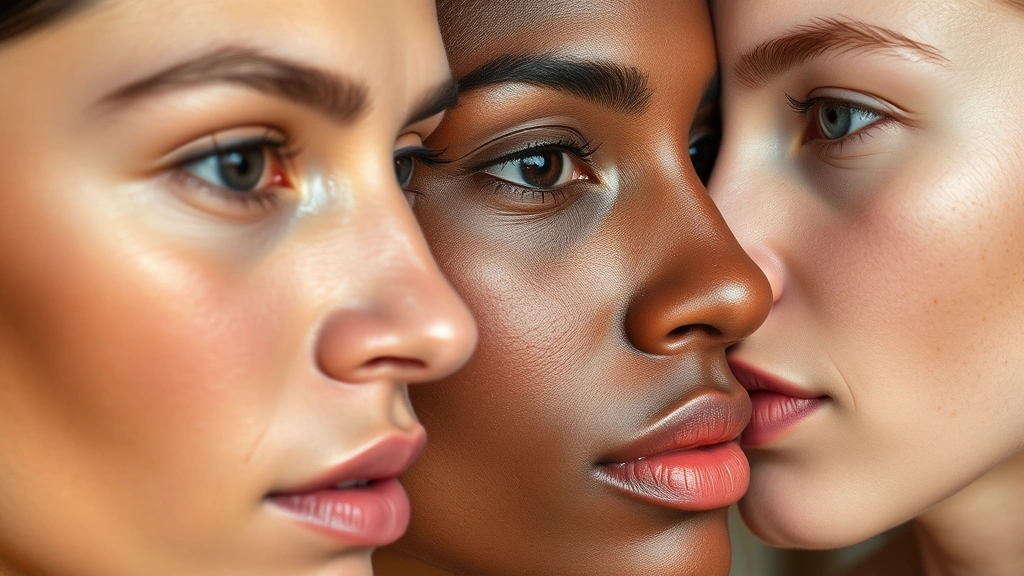
The foundation of a perfect match cosmetics application begins with identifying your undertone. Undertone refers to the subtle hue beneath your skin’s surface, which differs from your overall skin depth. Even two people with identical surface skin tones may have completely different undertones, making this distinction essential for accurate matching.
Undertones typically fall into three categories: warm, cool, and neutral. Warm undertones feature golden, peachy, or yellow hues. If you have warm undertones, you’ll notice that gold jewelry looks better on you than silver, and your skin may have a naturally sun-kissed appearance. Warm-toned foundations with yellow or golden bases will blend seamlessly into your skin.
Cool undertones include pink, red, or bluish hues beneath the skin. Cool-toned individuals typically look better in silver jewelry, and their skin may appear more porcelain or have rosy cheeks naturally. These skin types require foundations with pink, red, or blue undertones to prevent an ashy or mismatched appearance.
Neutral undertones are balanced between warm and cool, containing equal amounts of both. People with neutral undertones have flexibility in foundation selection and can often wear both warm and cool-toned foundations successfully. However, finding a true neutral foundation often provides the most seamless blend.
To determine your undertone, examine the veins on your inner wrist. If they appear green, you likely have warm undertones. Blue or purple veins indicate cool undertones. If you see a mix of both colors, you probably have neutral undertones. Additionally, consider which metals complement your skin best and how your skin reacts to sun exposure—these observations provide valuable clues about your undertone profile.
Skin Type and Foundation Selection
Beyond matching cosmetics by color and undertone, your skin type plays a critical role in foundation success. The best shade means nothing if the formula doesn’t work for your skin’s unique characteristics. Different skin types require different formulations to achieve optimal wear, comfort, and appearance throughout the day.
Oily skin requires long-wearing, oil-controlling foundations that won’t slide or separate. Look for water-based or powder foundations with mattifying properties. Silicone-based formulas create a barrier that resists oil production and maintains a smooth finish for extended wear. Avoid heavy, creamy foundations that can exacerbate shine and clogged pores. A proper skincare routine for glowing skin underneath helps create a smoother canvas for foundation application.
Dry skin needs hydrating, nourishing foundations that won’t emphasize flaky patches or feel uncomfortable. Cream-based, liquid, and stick foundations with moisturizing ingredients work best. Look for foundations containing hyaluronic acid, glycerin, or oils that replenish moisture. Avoid matte finishes and powders that can accentuate dryness. Using gentle face cleansers for sensitive skin helps maintain your skin barrier, allowing foundation to apply more smoothly.
Combination skin presents unique challenges requiring a balanced approach. Consider using different foundation formulas in different zones—a mattifying formula in the T-zone and a hydrating formula on cheeks and under-eye areas. Alternatively, choose a foundation with balanced properties that won’t be too heavy or too light for any particular area. Setting sprays and powders strategically placed can help manage shine without over-drying.
Sensitive skin requires hypoallergenic, fragrance-free foundations with minimal irritating ingredients. Test new products on a small patch of skin first. Look for foundations free of common allergens like parabens, sulfates, and synthetic dyes. Mineral foundations and formulas with soothing ingredients like aloe vera or chamomile extract are often better tolerated. Skincare products for sensitive skin should be selected with the same care as your foundation.
Acne-prone skin benefits from non-comedogenic foundations that won’t clog pores or aggravate existing breakouts. Water-based formulas and those containing salicylic acid or benzoyl peroxide can help prevent blemish formation. Avoid heavy, oil-based foundations that trap bacteria and sebum.
Testing and Matching Techniques
The most reliable way to match cosmetics accurately is through proper testing. Never rely solely on swatches on your hand or wrist—these areas have different skin tones than your face and will give inaccurate results.
The jawline test is the gold standard for foundation matching. Apply a small amount of foundation along your jawline where your face meets your neck. This area shows the most dramatic difference if the shade is wrong. The correct shade should blend invisibly into both your face and neck, with no visible line of demarcation. Check the match in natural daylight, as artificial lighting can distort color perception.
The three-point test involves applying foundation to three areas: your jawline, your cheekbone, and your temple. This technique ensures the shade works across different facial areas with varying undertones and depth. Some people have slightly different skin tones on different parts of their face, and this test accounts for those variations.
Timing matters when testing foundations. Your skin tone can change throughout the day and with seasonal variations. Test foundations at the time of day you’ll typically wear them. If you wear foundation primarily for evening events, test in afternoon or evening lighting. Consider purchasing a shade slightly lighter or darker than your perfect match to account for seasonal skin tone changes.
Allow oxidation time before making final decisions. Many foundations oxidize slightly after application, meaning they darken or shift slightly in tone. Wait 10-15 minutes after applying a foundation sample before deciding if it’s the right match. This prevents purchasing a shade that looks perfect initially but appears too dark or too orange after settling into your skin.
When testing multiple foundations, use a makeup remover or gentle cleanser between applications. Layering multiple products prevents accurate shade comparison. Homemade face masks for glowing skin used before foundation testing can ensure your skin is in optimal condition for accurate matching.
Foundation Formulas Explained
Understanding different foundation formulas helps you match cosmetics not just by shade but by performance characteristics. Each formula type offers distinct benefits and challenges.
Liquid foundations are the most versatile and widely available. They blend easily, offer buildable coverage, and work for most skin types with the right selection. Liquid foundations range from sheer to full coverage. Water-based liquids suit oily and combination skin, while silicone-based formulas provide longer wear. Oil-based liquids offer superior hydration for dry skin but may be too heavy for oily complexions.
Powder foundations provide matte finishes and work exceptionally well for oily skin. They offer quick application and easy touch-ups throughout the day. Loose powder foundations offer more natural blending, while pressed powders provide convenience and portability. However, powder foundations can emphasize dryness and may not provide adequate coverage for significant skin concerns.
Stick foundations offer concentrated coverage in a convenient, portable format. They work well for travel and touch-ups. Cream stick foundations hydrate dry skin, while powder stick foundations suit oily skin. The main challenge is blending—stick foundations require proper technique to avoid obvious lines or streaking.
Cream foundations provide rich hydration and are ideal for dry or mature skin. They offer buildable coverage and a natural finish when applied correctly. However, they can be heavy for oily skin and may require setting powder to prevent shine and sliding.
Mineral foundations contain finely milled minerals like titanium dioxide and iron oxides. They’re often hypoallergenic and suitable for sensitive skin. Mineral formulas provide natural-looking coverage and allow skin to breathe. However, they can be tricky to blend and may appear chalky if not applied correctly.
BB creams and tinted moisturizers offer sheer to light coverage with skincare benefits. These products are perfect for those seeking natural-looking, barely-there coverage. They work well for already clear skin or those preferring minimal makeup. However, they won’t provide adequate coverage for significant blemishes or discoloration.
Application Tips for Seamless Blending
Even a perfectly matched foundation requires proper application technique to look its best. The way you apply your foundation affects how well the color and undertones blend with your skin.
Prep your skin properly before foundation application. A well-prepped canvas ensures smoother application and better longevity. Cleanse your face with gentle face cleansers for sensitive skin or your regular cleanser, then apply moisturizer appropriate for your skin type. Allow moisturizer to set for a minute before applying primer. Primer creates a smooth base, fills pores and fine lines, and helps foundation adhere better.
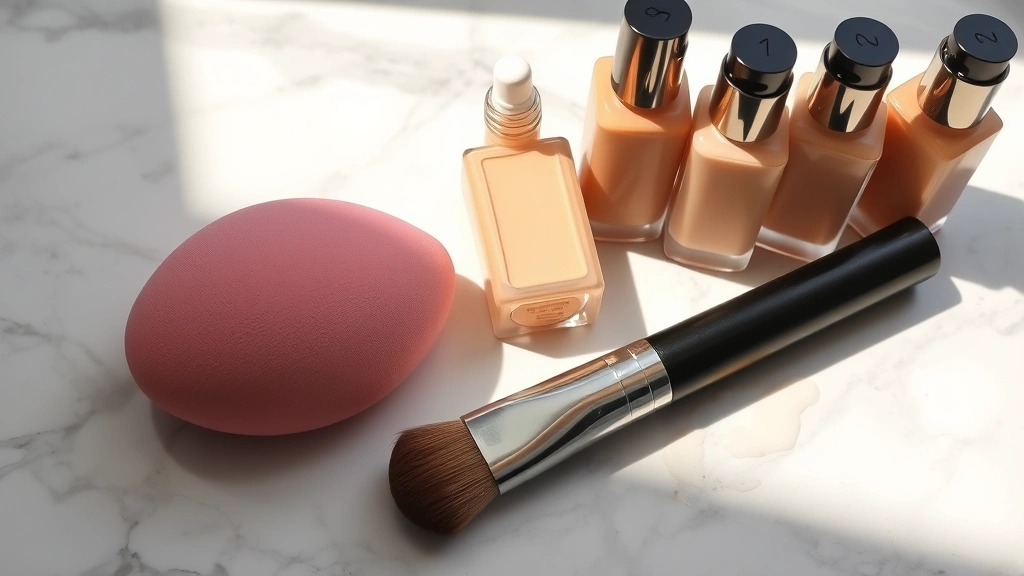
Use the right application tools for your foundation type. Liquid foundations blend beautifully with damp beauty sponges, which prevent product buildup and ensure seamless blending. Brushes work well for cream and powder foundations, offering precision and control. Fingers work fine for small amounts, though they can transfer bacteria and may not provide even coverage.
Apply in thin layers rather than one thick application. Start with a small amount—about a pea-sized drop—and build coverage gradually. This approach prevents cakey, obvious makeup and allows the foundation to blend naturally with your skin. Thin layers also feel lighter and more comfortable throughout the day.
Blend thoroughly, particularly around the jawline and hairline where obvious lines often form. Use downward motions to blend, which helps lay hair and skin texture smoothly. Pay special attention to the under-eye area, where foundation can settle into fine lines if not properly blended.
Consider your lighting when assessing your foundation match during application. Apply makeup in the lighting where you’ll spend most of your day. If you work in fluorescent office lighting, apply and assess your makeup in similar lighting. Daylight, warm indoor lighting, and artificial lighting all render colors differently.
Set your foundation appropriately based on your skin type and the formula used. Oily skin benefits from powder setting to control shine and extend wear. Dry skin may not need setting powder, or benefit from a light mist of setting spray instead. Setting spray helps all skin types maintain their foundation throughout the day without adding product buildup.

Common Matching Mistakes to Avoid
Understanding common foundation matching errors helps you avoid costly mistakes and achieve better results.
Matching to your neck instead of your face is a frequent error. Your neck is often lighter than your face due to sun exposure and different skin characteristics. Match to your face, and your foundation should blend seamlessly into your neck. If there’s a noticeable difference between your face and neck tone, your foundation shade is incorrect.
Ignoring undertones while focusing solely on depth leads to mismatches. A foundation might be the correct depth but completely wrong undertone, resulting in an ashy, orange, or gray appearance. Always consider both depth and undertone when selecting shades.
Testing in poor lighting causes shade selection errors. Fluorescent store lighting, dim indoor lighting, and certain phone camera flash all distort how foundations appear. Whenever possible, test foundations in natural daylight or the lighting environment where you’ll wear the makeup.
Assuming one shade works year-round overlooks seasonal skin tone changes. Many people become slightly darker in summer and lighter in winter. Having two foundation shades—one for each season—and blending them as your skin tone transitions ensures consistent matches throughout the year.
Neglecting skin preparation makes even perfectly matched foundations look subpar. Dry, flaky skin causes foundation to apply unevenly and emphasize texture. Ensure your skincare routine for glowing skin includes adequate hydration and exfoliation so your skin is smooth and primed for makeup application.
Using expired products affects color accuracy and safety. Foundation oxidizes and separates over time, altering its shade and consistency. Replace foundation every 12-18 months, or sooner if you notice changes in color, texture, or performance.
Failing to account for skin conditions leads to poor matches for those with rosacea, hyperpigmentation, or other concerns. If you have significant skin conditions, you may need to color-correct before foundation application, which can affect the ideal foundation shade. Consult with a makeup artist or dermatologist for personalized recommendations.
FAQ
How do I know if my foundation shade is too dark?
A foundation shade that’s too dark will create an obvious line along your jawline and neck. It may also appear muddy or dirty on your face. The shade should match your face exactly, blending invisibly without any visible demarcation. If you see a line where your foundation ends, the shade is too dark, too light, or has the wrong undertone.
Can I mix two foundation shades to get a perfect match?
Yes, mixing two shades is an excellent strategy when your exact shade isn’t available. If you’re between two shades, mixing them in equal parts often creates your perfect match. This technique also works for blending summer and winter shades or adjusting undertones. Mix on the back of your hand or in a small container before application.
What’s the difference between foundation shade names like “warm” and “cool”?
Shade names like warm, cool, and neutral refer to the undertone of that particular foundation shade. Warm shades contain golden, peachy, or yellow undertones. Cool shades feature pink, red, or blue undertones. Neutral shades balance warm and cool undertones. The same depth (light, medium, dark) comes in multiple undertone options to accommodate different skin undertones.
How often should I replace my foundation?
Foundation typically lasts 12-18 months from opening. Liquid foundations may separate or oxidize, changing color and consistency. Powder foundations can accumulate bacteria and lose their texture. If you notice your foundation looks different than it did initially, smells off, or applies differently, it’s time to replace it. Always check expiration dates and discard expired products.
Should I apply foundation to my eyelids?
Applying a small amount of foundation to your eyelids creates a smooth base for eyeshadow and helps it adhere longer. However, use less product than on your face, as eyelid skin is thinner and more delicate. Some people prefer eyeshadow primer specifically designed for lids instead. Avoid getting foundation in your eyes, and remove it gently at the end of the day.
What should I do if my foundation oxidizes and becomes too dark?
If you’ve purchased a foundation that oxidizes significantly, you have several options. Mix it with a lighter shade to adjust the tone. Use less product and blend more thoroughly. Apply a luminizing primer underneath to brighten the overall appearance. Alternatively, return the foundation if it’s still within the return window, as oxidation that dramatic indicates a poor match for your skin.
Can foundation help with skin concerns like acne or rosacea?
Foundation can help conceal skin concerns, but shouldn’t replace treatment. For acne, use non-comedogenic, oil-free foundations and apply color-correcting products underneath to neutralize redness before foundation. For rosacea, green-tinted primers help neutralize redness before applying your matched foundation shade. Always address underlying skin conditions with appropriate skincare and consult a dermatologist for persistent concerns.
Is it better to match foundation at a store or purchase online?
In-store matching allows you to test shades in person and see how they look on your skin. However, many online retailers offer virtual shade matching tools and generous return policies. If purchasing online, order multiple shades if possible, test them with the jawline method, and return incorrect shades. Building relationships with makeup brand customer service teams can provide personalized shade recommendations based on your descriptions.