
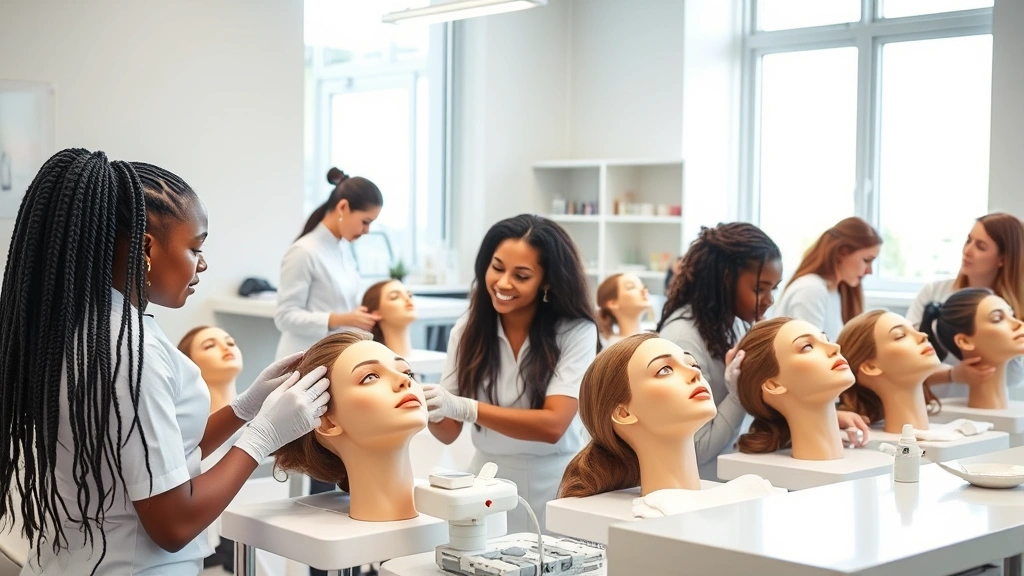
NC State Board of Cosmetic Arts: How to Get Your License – Expert Tips
The NC State Board of Cosmetic Arts oversees licensing and regulation for cosmetologists, estheticians, and nail technicians throughout North Carolina. Whether you’re launching a career in skincare, makeup artistry, or nail services, understanding the licensing pathway is essential for legal practice and professional credibility. This comprehensive guide walks you through application requirements, examination procedures, and insider tips to accelerate your licensure journey.
Obtaining your cosmetic arts license in North Carolina requires commitment to education, hands-on training, and regulatory compliance. The state maintains rigorous standards to protect consumers and ensure practitioners possess adequate knowledge of sanitation, safety, and professional techniques. From pre-licensing education to final board examination, each step demands careful attention and preparation.
Types of Cosmetic Arts Licenses in North Carolina
North Carolina offers three primary cosmetic arts licenses through the State Board, each with distinct scope of practice and educational pathways. Understanding which license aligns with your career goals is the first critical decision.
Cosmetology License: This comprehensive license permits practitioners to perform hair services, skincare treatments, makeup application, and nail services. Cosmetologists complete 1,200 hours of supervised training covering chemical treatments, cutting, styling, coloring, and basic esthetics. This license provides maximum flexibility for salon professionals seeking diverse service offerings.
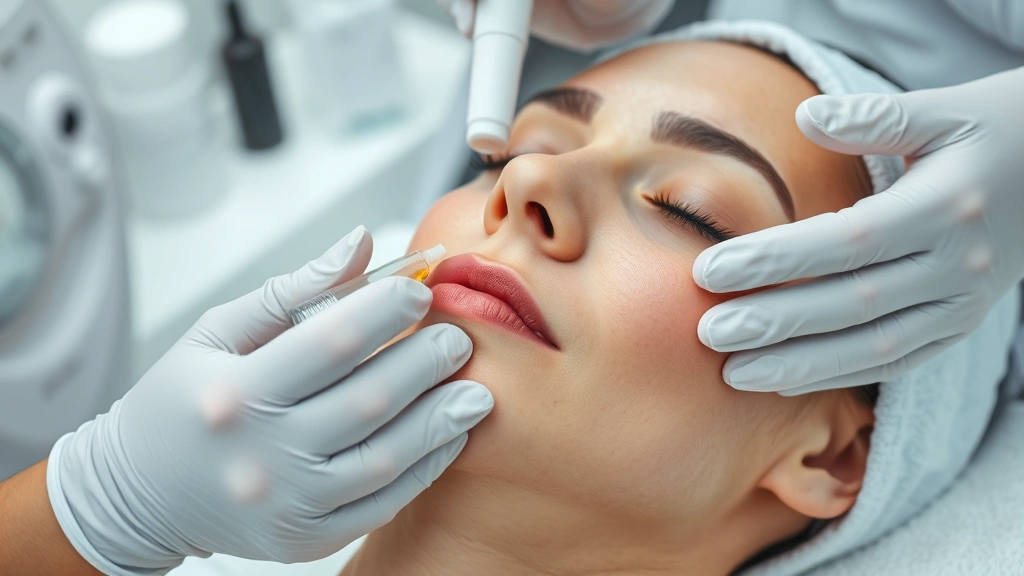
Esthetician License: Estheticians specialize in skincare and skin health. The esthetics license requires 600 hours of training focused on facial treatments, chemical peels, microdermabrasion, waxing, and product knowledge. This path suits individuals passionate about skin health and treatment who prefer deeper expertise in one specialty.
Nail Technician License: Nail technicians complete 300 hours of training in manicure, pedicure, and nail art techniques. This shorter pathway appeals to professionals focused exclusively on nail services and design.
Each license type carries different renewal fees, continuing education requirements, and scope limitations. Verify your career aspirations align with the license level before enrolling in education programs.

Education & Training Requirements
The North Carolina State Board of Cosmetic Arts mandates completion of approved education through accredited institutions. These programs combine classroom instruction with hands-on practical training under licensed educators.
Approved Training Institutions: Only schools approved by the North Carolina State Board meet licensing requirements. Verify your chosen school maintains current accreditation before enrolling. Approved institutions typically include community colleges, private beauty schools, and vocational training centers throughout the state. The board’s official website maintains a current list of approved schools to prevent enrollment in non-compliant programs.
Curriculum Standards: Cosmetology programs cover anatomy and physiology, chemistry fundamentals, sanitation and safety protocols, hair theory and practice, skincare science, nail technology, business practices, and state regulations. Esthetics curricula emphasize facial anatomy, skin conditions, collagen production, treatment modalities, and product chemistry. All programs include practical hours performing services under supervision.
Hour Requirements by License Type: Cosmetology requires 1,200 hours minimum; esthetics requires 600 hours; nail technology requires 300 hours. These hours must include documented classroom instruction and practical application. Schools track hours meticulously, and discrepancies can delay licensing applications.
Practical Training Components: Beyond classroom learning, students perform actual services on clients under educator supervision. This hands-on training develops muscle memory, client communication skills, and real-world problem-solving. Quality schools maintain realistic salon environments and client bases to provide authentic training experiences.
Application Process & Documentation
After completing approved education, the application process begins. Thorough documentation and attention to detail prevent costly delays in licensure.
Step 1: Verify Education Completion: Your training institution submits official documentation to the NC State Board confirming hour completion and program graduation. Request official transcripts immediately upon graduation. Ensure your school lists all required competencies as completed.
Step 2: Gather Required Documentation: Prepare a government-issued photo ID, birth certificate or passport, high school diploma or GED certificate, and proof of Social Security number. Some applicants require fingerprinting for background checks. The board’s official website provides a comprehensive documentation checklist to prevent submission errors.
Step 3: Complete Application Forms: Submit the official application form available through the North Carolina Department of Justice website. Provide accurate personal information, educational institution details, and contact information. Double-check all entries for accuracy before submission.
Step 4: Pay Application Fees: Current licensing fees vary by license type. Cosmetology applications typically cost $250-300; esthetics approximately $150-200; nail technology around $100-150. Fee amounts change periodically, so verify current costs on the official board website. Payment methods usually include check, money order, or online payment systems.
Step 5: Await Board Review: The board reviews applications within 2-4 weeks. Contact the board directly if your application hasn’t been reviewed within this timeframe. Processing delays occasionally occur during high-volume periods.
Examination Preparation Strategies
The NC State Board examination tests theoretical knowledge and practical skills. Strategic preparation significantly improves pass rates and reduces retake expenses.
Written Examination Content: The written exam covers state regulations, sanitation and safety, anatomy and physiology, product chemistry, skin conditions, treatment contraindications, and professional practices. Questions emphasize practical application rather than pure memorization. Study materials should include the official North Carolina Cosmetetic Arts Practice Act and board rules.
Effective Study Methods: Create a study schedule beginning 4-6 weeks before your examination date. Use official study guides provided by the board, join study groups with fellow license candidates, and take practice exams to identify weak areas. Many candidates benefit from hiring tutors specializing in board exam preparation. Focus on areas where you scored lowest on practice tests.
Practical Skills Assessment: The practical examination evaluates actual service performance—haircuts, styling, facials, or nail services depending on your license type. Practice these skills repeatedly under realistic conditions. Video-record yourself performing services to identify technique improvements. Request feedback from instructors on areas needing refinement.
Test Day Preparation: Arrive 15 minutes early with required identification and documentation. Review the exam location and parking beforehand to eliminate day-of stress. Get adequate sleep the night before, eat a healthy breakfast, and manage anxiety through breathing exercises. Remember that the board designs exams to assess competency, not trick candidates.
Retake Strategy: If you don’t pass initially, analyze your performance report to identify specific deficiencies. Many candidates pass on second attempts after targeted studying. The board typically allows retakes within 6 months without reapplying.
License Reciprocity & Transfers
If you hold a valid cosmetic arts license from another state, North Carolina reciprocity provisions may streamline your licensing process.
Reciprocal Agreement States: North Carolina recognizes licenses from states with comparable education and examination standards. Check the board’s current reciprocity list, as agreements change periodically. States typically included in reciprocal agreements maintain similar hour requirements and examination content to North Carolina.
Reciprocity Application Process: Provide proof of current licensure in your previous state, official transcripts from your original training institution, and a reciprocity application. Some states require verification letters directly from their licensing boards. Processing reciprocity applications typically takes 3-6 weeks.
Non-Reciprocal State Transfers: If your state lacks reciprocal agreement with North Carolina, you may need to complete additional education or take the NC examination. The board evaluates non-reciprocal applications individually. Some candidates complete bridge programs covering North Carolina-specific regulations while transferring most education credits.
Continuing Education & Renewal
Cosmetic arts licenses require ongoing continuing education to maintain current knowledge and comply with regulatory standards. Understanding renewal requirements prevents license lapses and professional disruptions.
Renewal Timeline: Licenses expire on a scheduled basis—typically every 2 years for cosmetologists and estheticians, with specific renewal dates assigned by the board. Renewal notices arrive 60-90 days before expiration. Mark renewal dates on your calendar and set phone reminders to avoid missed deadlines.
Continuing Education Requirements: Most license types require 8-12 continuing education hours per renewal period. Hours must include topics approved by the board, such as safety updates, new treatment techniques, product chemistry, or professional development. Many providers offer online courses accommodating busy salon schedules. When exploring skincare advancements and product developments, consider pursuing continuing education that addresses emerging trends.
Approved Course Providers: Only courses from board-approved providers count toward renewal requirements. Verify provider approval before enrolling. Many beauty schools, professional associations, and online platforms maintain board approval. The board website lists approved providers and course listings.
Renewal Fee Structure: Renewal fees typically cost $100-200 depending on license type. Some board jurisdictions offer reduced fees for early renewal. Pay renewal fees and submit continuing education documentation before the expiration date to avoid late penalties or license suspension.
Late Renewal Penalties: Practicing with an expired license constitutes illegal practice with potential fines and legal consequences. If you miss your renewal deadline, contact the board immediately regarding reinstatement procedures. Late renewals usually require additional fees and documentation.
Professional Development Beyond Requirements: Continuing education requirements establish minimum standards. Progressive professionals pursue additional training in advanced techniques, business management, and emerging treatments. Investing in education enhances client satisfaction, justifies premium pricing, and supports long-term career growth. Explore specialized certifications in advanced cosmetic treatments and professional skincare.
Frequently Asked Questions
How long does NC State Board licensing typically take?
From application submission to license issuance, the process typically requires 6-12 weeks. Education completion takes 3-12 months depending on program intensity. Examination scheduling adds 2-4 weeks. Plan your timeline accordingly if you have employment deadlines.
Can I work in a salon before receiving my license?
No. North Carolina law prohibits practicing cosmetic arts services without an active license. Working unlicensed exposes you to significant fines and legal liability. Wait for official license issuance before performing paid services.
What happens if I fail the NC State Board examination?
The board allows retakes within six months of your initial attempt without reapplying. You’ll receive a detailed performance report identifying weak areas. Study those specific topics before your retake. Most candidates pass on subsequent attempts with focused preparation.
Do I need to renew my license if I’m not actively practicing?
Yes. Active or inactive, licensed professionals must renew on schedule and complete continuing education requirements. If you plan extended absence from practice, inquire about inactive license status, which may have reduced requirements and fees.
Can I transfer my North Carolina license to another state?
License transferability depends on your destination state’s reciprocity agreements with North Carolina. Some states recognize NC licenses directly; others require additional examination or education. Research your destination state’s requirements before relocating.
What’s the difference between cosmetology and esthetics licensing?
Cosmetologists complete 1,200 hours and provide hair, skin, makeup, and nail services. Estheticians complete 600 hours and specialize exclusively in skincare treatments. Choose based on your career interests and desired service scope.
Are there age requirements for cosmetic arts licensing?
You must be at least 16 years old to enroll in approved programs and at least 17 to apply for licensure. High school diploma or GED is required before license issuance.
How much does NC State Board licensing cost total?
Total costs include education program tuition ($3,000-8,000), application fees ($100-300), examination fees ($75-150), and initial license fees ($100-300). Budget $3,500-9,000 total. Financial aid, payment plans, and scholarships may reduce out-of-pocket expenses.
Can I challenge the NC State Board examination without attending school?
No. North Carolina requires completion of approved education programs before examination eligibility. The education requirement cannot be waived regardless of prior experience or self-study.
What professional organizations should I join after licensing?
Consider joining the Professional Beauty Association, state cosmetology associations, and specialty groups aligned with your service focus. Professional memberships provide continuing education, networking, liability insurance, and industry advocacy.