
Powder Puff Cosmetics: Pros & Cons Explained
Powder puff cosmetics have been a staple in beauty routines for decades, offering a convenient and often affordable way to apply makeup. Whether you’re using a traditional velvet puff, a modern beauty sponge, or a specialized applicator, understanding the advantages and disadvantages of powder puffs can help you make informed decisions about your makeup application tools. These versatile accessories work with various powder formulations, from loose powders to pressed compacts, making them essential for anyone interested in achieving flawless coverage.
The debate over powder puff cosmetics continues among makeup artists, beauty enthusiasts, and skincare professionals. While some swear by their effectiveness and accessibility, others prefer alternative application methods. This comprehensive guide explores both sides of the conversation, examining how powder puffs interact with different skin types, the benefits they provide, and the potential drawbacks you should consider before adding them to your beauty arsenal.
What Are Powder Puff Cosmetics?
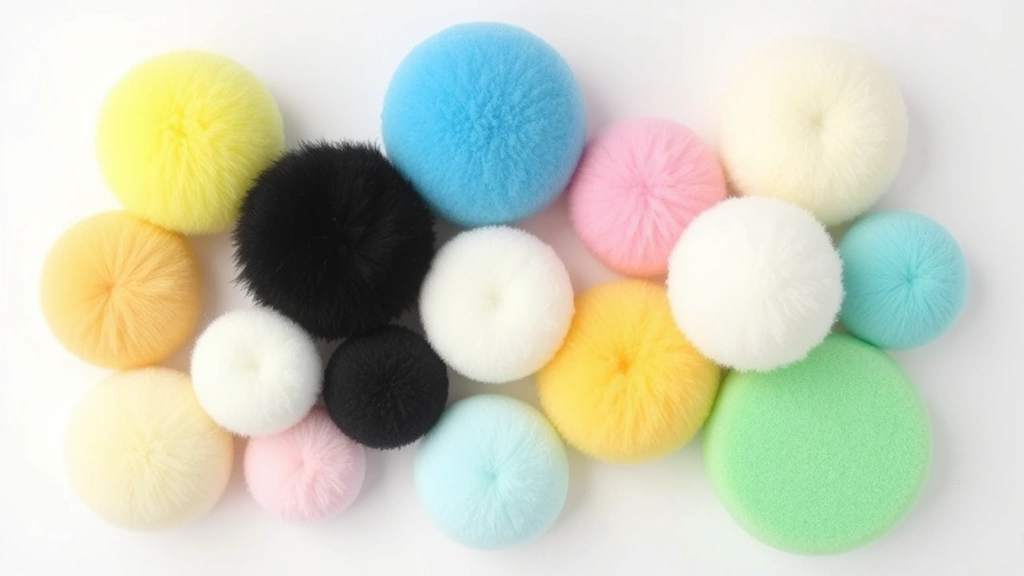
Powder puff cosmetics refer to the applicator tools used to distribute powder products across the face and body. These tools come in various shapes, sizes, and materials, each designed to pick up and apply powder formulations with different levels of precision and coverage. The most common types include traditional velvet puffs found in compact powders, triangular or circular applicators, and modern beauty sponges adapted for powder application.
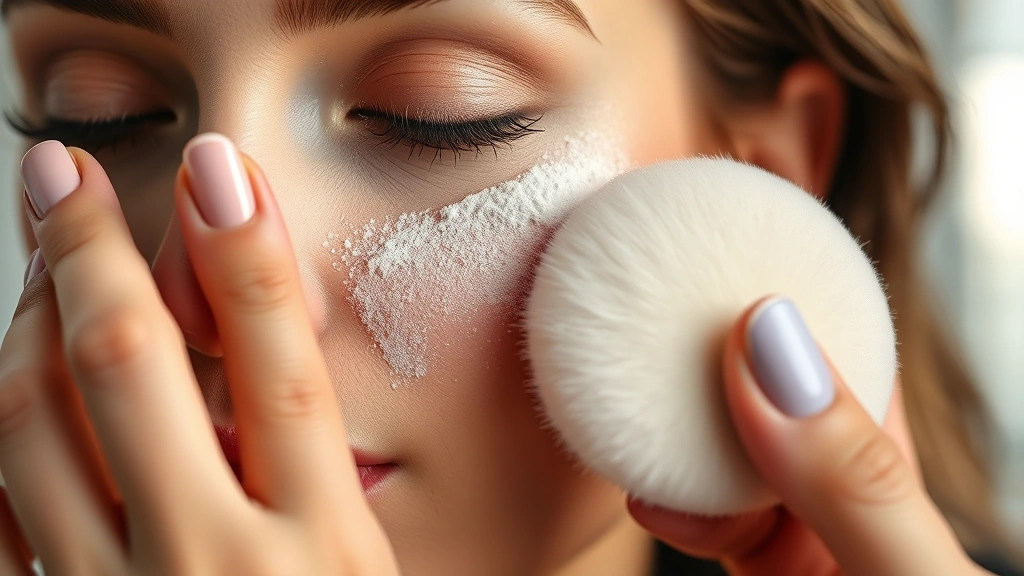
The primary function of a powder puff is to transfer loose or pressed powder from the container to the skin in a controlled manner. Unlike brushes, which use bristles to sweep product across the face, puffs rely on a dabbing or pressing motion that can provide more concentrated coverage. This method has been used in makeup application for over a century, and while techniques have evolved, the basic principle remains unchanged. Understanding what powder puffs are designed to do helps you determine whether they’re the right choice for your specific makeup needs and skin concerns.
Advantages of Using Powder Puffs
Superior Coverage and Blending
One of the most significant advantages of powder puff cosmetics is their ability to provide excellent coverage. The flat, dense surface of a puff allows you to press powder directly into the skin, ensuring that fine lines, pores, and imperfections are effectively concealed. This pressing motion creates a more seamless blend compared to some brush applications, particularly when working with setting powders or finishing powders. The contact between the puff and skin is more extensive, allowing the powder particles to settle into the skin’s texture naturally.
Cost-Effectiveness
Powder puffs are remarkably affordable compared to many professional makeup brushes and applicators. Most compact powders come with a puff included, meaning you don’t need to make an additional purchase. Even if you prefer to buy separate puffs, they typically cost just a few dollars, making them accessible to anyone regardless of budget. This affordability doesn’t compromise quality—many inexpensive puffs perform just as well as premium versions, particularly for basic powder application.
Portability and Convenience
The compact nature of powder puffs makes them ideal for on-the-go touch-ups. They fit easily into purses, makeup bags, and travel cases, allowing you to maintain your makeup throughout the day without carrying bulky brush sets. This convenience is especially valuable for professionals who need to reapply powder quickly between client sessions or for anyone who wants to maintain their makeup while traveling.
Precision in Problem Areas
Powder puffs excel at targeting specific facial areas that require extra attention. Whether you’re addressing the T-zone, undereye area, or around the nose, the concentrated application of a puff allows for precise powder placement. This targeted approach can be particularly beneficial for those concerned with shine control in specific zones without over-powdering the entire face. When dealing with aging skin concerns, puffs can help apply powders gently without emphasizing fine lines.
Minimal Product Waste
Puffs are efficient at picking up and transferring powder, meaning less product ends up being wasted compared to some brush techniques. The puff holds onto the powder particles effectively, ensuring that more of your product actually reaches your face rather than being dispersed into the air or remaining in the container.
Disadvantages and Potential Concerns
Risk of Over-Application
The pressing motion of powder puff application can sometimes result in too much powder being deposited on the skin, leading to a cakey, heavy appearance. This is particularly problematic for those with dry or mature skin, where excess powder can settle into fine lines and emphasize texture. The concentrated application that makes puffs effective for coverage can also work against you if you’re not careful with pressure and technique.
Hygiene and Bacterial Growth
Powder puffs are notorious for harboring bacteria, fungi, and other microorganisms if not properly maintained. The dense, porous material traps moisture from skin oils and sweat, creating an ideal environment for bacterial growth. This is one of the most significant concerns dermatologists raise about powder puff use, particularly for those with acne-prone or sensitive skin. Regular washing is essential, but many users neglect this crucial maintenance step, leading to potential skin irritation and breakouts.
Difficulty with Blending
While puffs can create seamless coverage, they can also make blending more challenging compared to brushes. If you need to blend powder with foundation or create soft transitions between different face zones, the stiff pressing motion of a puff may not provide the same feathering capability as a fluffy brush. This limitation is particularly noticeable when working with contouring powders or trying to achieve a natural, diffused look.
Texture Emphasis on Certain Skin Types
For those with textured or bumpy skin, powder puffs can emphasize imperfections rather than smooth them. The pressing action may highlight pores, acne scars, or uneven skin texture. Additionally, if you’re using skincare products with hyaluronic acid or other hydrating ingredients, a puff may disrupt the product application and cause streaking.
Learning Curve and Technique Sensitivity
Achieving the right balance with powder puff application requires practice. Too much pressure results in heavy coverage; too little leaves gaps. This technique sensitivity means that results can vary significantly depending on your skill level and the amount of force you apply, making it less forgiving than some other application methods.
Powder Puffs for Different Skin Types
Oily and Combination Skin
Powder puff cosmetics are particularly well-suited for oily and combination skin types. The pressing motion effectively applies mattifying powders where needed most—typically the T-zone and chin. For those managing excess sebum production, puffs provide the concentrated coverage necessary to control shine without requiring frequent reapplication. The efficient powder transfer means less product waste, which is economical for those who need to powder frequently throughout the day.
Dry and Sensitive Skin
Users with dry or sensitive skin should approach powder puffs with caution. The pressing motion can disrupt carefully applied moisturizers and serums, and excess powder can emphasize dry patches and fine lines. For this skin type, using a lighter touch, choosing finely-milled powders, and ensuring proper hydration beforehand is crucial. Consider limiting puff use to specific areas rather than the entire face, or explore alternative application methods that might feel gentler on delicate skin.
Acne-Prone Skin
The hygiene concerns associated with powder puffs make them potentially problematic for acne-prone skin. If you have active breakouts or are prone to bacterial acne, the risk of transferring bacteria with an unclean puff outweighs the application benefits. However, if you maintain rigorous cleaning protocols for your puff—washing after every use or every few uses—it can work effectively for applying acne-safe powders. Teenagers managing acne should be particularly vigilant about puff hygiene.
Mature Skin
While powder puffs can be beneficial for setting makeup on mature skin, the risk of emphasizing fine lines and wrinkles requires careful application. Using a very light hand, choosing powders specifically formulated for mature skin, and applying only where necessary can help. Some mature skin enthusiasts prefer using puffs only for targeted application rather than full-face powder application.
Types of Powder Puff Materials
Velvet and Silk Puffs
Traditional velvet puffs are soft, dense, and provide excellent powder pickup and transfer. Silk alternatives offer a similar experience with a slightly different texture. Both materials are gentle on the skin and create smooth, blended coverage. However, both velvet and silk require regular washing to prevent bacterial accumulation.
Latex Puffs
Latex puffs are commonly found in compact powders and offer a firmer, more controlled application. They’re durable and easy to clean, making them a practical choice for hygiene-conscious users. Some people are sensitive to latex, so this is an important consideration when selecting a puff.
Microfiber Puffs
Modern microfiber puffs combine the softness of traditional materials with enhanced durability and easier cleaning. They’re less prone to harboring bacteria than some natural materials and can be washed frequently without degrading. Microfiber is an excellent choice for those prioritizing hygiene.
Sponge Puffs
Beauty sponges adapted for powder application offer a unique texture that can work well for blending. They’re easy to clean and sanitize, and they provide a different feel compared to traditional puffs. However, they may not provide quite as much precision for concentrated coverage.
Best Practices for Powder Puff Application
Preparation and Base Application
Before using a powder puff, ensure your base makeup is fully set. Apply foundation or concealer and allow it to dry completely. If you’re using natural skincare products or serums, ensure they’re fully absorbed to prevent pilling or streaking when the puff is applied.
Proper Pressure and Technique
Use a gentle pressing motion rather than aggressive rubbing. Press the puff onto the skin, hold for a moment, and lift away. This technique allows the powder to settle into the skin naturally without disrupting your base makeup. Start with less product and build coverage gradually rather than applying heavy amounts initially.
Targeted Application
Rather than powdering your entire face, consider targeting specific areas that need shine control or extra setting. The T-zone, undereye area, and chin typically benefit most from powder application. This approach uses less product and reduces the risk of over-powdering.
Choosing the Right Powder Formula
Select powders specifically formulated for your skin type and concerns. Finely-milled powders work better with puffs than chunky or loose formulations. Look for powders that offer light to medium coverage without a heavy feel, and consider ingredients that complement your skincare routine.
Maintenance and Hygiene
Cleaning Schedule
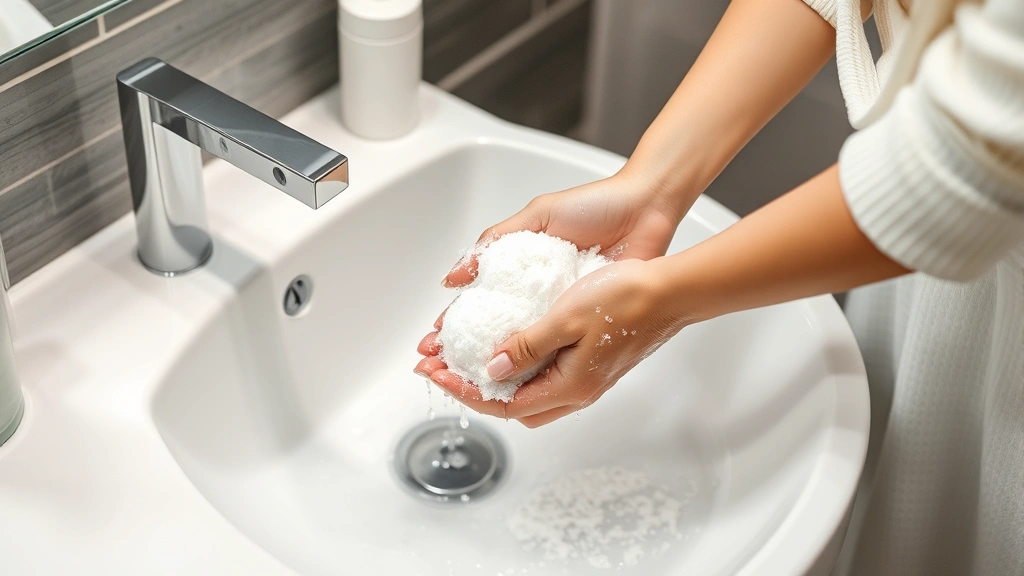
The most critical aspect of powder puff use is regular cleaning. Ideally, wash your puff after every use or at minimum every 2-3 uses. Leaving a dirty puff on your skin can transfer bacteria, leading to breakouts and irritation. This maintenance requirement is non-negotiable if you want to safely use powder puffs without compromising your skin health.
Proper Cleaning Methods
Wash your puff with mild soap and warm water, gently working the cleanser through the material. Rinse thoroughly until the water runs clear. For stubborn buildup, consider using a gentle brush or your fingers to work the cleanser through the puff. Allow it to air dry completely before using again—never use a damp puff, as moisture encourages bacterial growth.
Storage Considerations
Store your clean, dry puff in a breathable container or pouch. Avoid storing puffs in sealed plastic bags or humid environments where moisture can accumulate. A makeup bag with ventilation or a dedicated puff storage container works well. Replace puffs every 3-6 months even with proper care, as materials degrade over time.
Signs It’s Time to Replace
If your puff develops discoloration, odors, or visible deterioration, it’s time to replace it. Discoloration often indicates bacterial or fungal growth that cleaning can’t fully remove. Don’t compromise your skin health by continuing to use a compromised puff.
FAQ
Are powder puffs better than brushes for makeup application?
Neither is inherently better—it depends on your skin type, the look you’re trying to achieve, and your personal preference. Puffs excel at concentrated coverage and setting powder, while brushes offer more blending capability and may be gentler for sensitive skin. Many makeup artists use both tools for different purposes.
Can powder puffs cause acne?
Dirty powder puffs can contribute to acne by transferring bacteria to the skin. However, properly maintained puffs that are washed regularly are unlikely to cause breakouts. If you’re acne-prone, prioritize puff hygiene or consider alternative application methods.
How often should I wash my powder puff?
Ideally, wash your puff after every use. At minimum, wash it every 2-3 uses. Regular washing prevents bacterial accumulation and maintains the puff’s performance and safety for your skin.
Can I use a powder puff with liquid or cream products?
Powder puffs are designed for powder products. Using them with liquid or cream formulations can damage the puff material and won’t provide effective application. Stick to powders—loose, pressed, or mineral formulations—for best results.
What’s the best powder puff for sensitive skin?
Microfiber or silk puffs are generally gentlest on sensitive skin. Ensure you’re using a clean puff and applying powder with minimal pressure. If you have very reactive skin, you might prefer alternative application methods like brushes, which provide a lighter touch.
How do I prevent over-powdering with a puff?
Use a light touch with gentle pressing motions, start with minimal product, and build coverage gradually. Consider using the puff only on areas that truly need powder rather than your entire face. Practice your technique to develop better control and consistency.
Are expensive powder puffs worth the investment?
Premium puffs may offer better durability and materials, but affordable options work effectively too. The most important factor is regular cleaning and maintenance, not the price tag. Focus your budget on quality powders rather than expensive puffs.