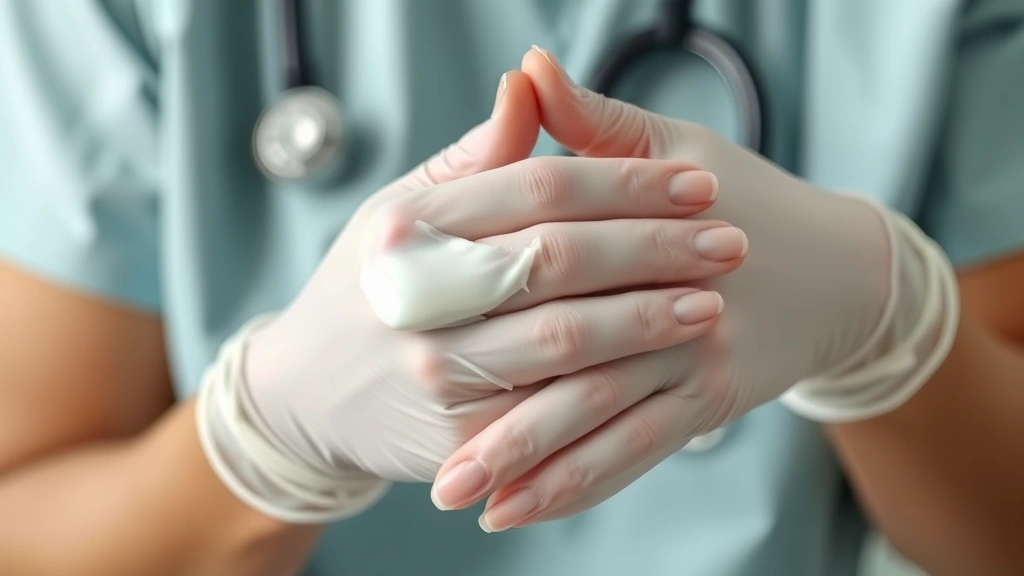
Top Skincare Tips for Nurses: Expert Advice for Healthcare Professionals
Nurses work demanding shifts that expose their skin to constant environmental stressors, frequent handwashing, and mask-related irritation. Between 12-hour shifts, sanitizing protocols, and exposure to hospital environments, maintaining healthy skin becomes a critical self-care priority. Whether you’re pursuing cosmetic nursing positions or working in general healthcare, understanding how to protect and nourish your skin is essential for both professional appearance and personal wellness.
The unique demands of nursing—from latex glove exposure to constant mask-wearing—create specific skincare challenges that require targeted solutions. This comprehensive guide explores dermatologist-approved strategies tailored specifically for healthcare professionals, incorporating clinical research and practical daily routines that work within your schedule. We’ll examine how to combat maskne, prevent premature aging from occupational stress, and maintain a radiant complexion despite the rigors of patient care.
Understanding Nurses’ Unique Skin Challenges
Nurses face a convergence of environmental and occupational factors that directly impact skin health. The healthcare setting presents constant exposure to pathogens, aggressive sanitizing agents, and temperature fluctuations between sterile environments and patient rooms. According to the American Academy of Dermatology, occupational dermatitis affects approximately 10-15% of healthcare workers, with contact dermatitis being the most prevalent condition.
Frequent handwashing—a non-negotiable aspect of infection control—strips the skin barrier of natural oils and disrupts the microbiome. Nurses wash their hands an average of 15-40 times per shift, compared to the general population’s 6-8 times daily. This excessive cleansing depletes ceramides and natural moisturizing factors (NMFs) that maintain skin integrity. Additionally, wearing latex or nitrile gloves creates an occlusive environment that traps moisture and bacteria, promoting fungal growth and irritation.
The introduction of prolonged mask-wearing during COVID-19 created a new epidemic among healthcare professionals: maskne (acne caused by mask friction and occlusion). The combination of heat, humidity, and friction from mask edges generates ideal conditions for bacterial proliferation, particularly Cutibacterium acnes and Staphylococcus aureus. Hospital masks, often worn for 8-12 consecutive hours, exacerbate existing acne and create new breakouts in previously clear areas.
Shift work introduces additional complications. Disrupted circadian rhythms impair the skin’s natural repair mechanisms, reducing melatonin production and increasing cortisol levels—a stress hormone that triggers inflammatory skin responses. Night shifts particularly compromise skin barrier function, as the epidermis undergoes critical regeneration between 10 PM and 4 AM.
Essential Daily Skincare Routine for Healthcare Workers
Creating an effective skincare routine requires understanding your skin type first. The comprehensive guide to combination skin care applies to many nurses, as occupational stress often creates mixed skin conditions—oily in the T-zone from mask pressure while experiencing dryness elsewhere from over-cleansing.
Morning Routine (5-7 minutes):
- Gentle Cleanse: Use a non-foaming, pH-balanced cleanser rather than harsh antibacterial soaps. Dermatologists recommend Cosmetics & Toiletries journal findings showing that gentle surfactants like sodium cocoyl isethionate preserve the skin barrier better than sodium lauryl sulfate. Lukewarm water is critical—hot water increases transepidermal water loss (TEWL) by up to 50%.
- Hydrating Toner: Apply a hydrating toner containing humectants like glycerin or hyaluronic acid. These molecules draw water into the stratum corneum, improving skin plumpness and resilience against irritants.
- Targeted Serum: Select serums based on your primary concern. For acne-prone skin, niacinamide (4-5%) reduces sebum production and strengthens the barrier. For sensitive skin, consider peptides that support collagen synthesis.
- Lightweight Moisturizer: Apply a gel-cream or emulsion moisturizer with ceramides and squalane. These lipids restore barrier function without feeling occlusive under masks.
- Sunscreen: Use a broad-spectrum SPF 30+ daily. Hospital lighting and outdoor exposure during breaks increase UV damage risk. Mineral sunscreens with zinc oxide or titanium dioxide are gentler for sensitive, irritated skin.
Evening Routine (8-10 minutes):
- Oil Cleanse: Begin with an oil-based cleanser to dissolve mask residue, makeup, and lipophilic (fat-soluble) contaminants accumulated during shifts. Oils like jojoba, rosehip, and squalane mimic skin’s natural sebum composition.
- Water Cleanse: Follow with your gentle cleanser to remove water-soluble impurities. This double-cleanse method ensures thorough cleansing without over-stripping.
- Active Treatment: Apply targeted treatments 2-3 times weekly. Hydrating aqua bomb products work exceptionally well for nurses with dehydrated skin. Alternatively, use gentle exfoliants (AHAs or BHAs) 2-3 times weekly to prevent congestion from mask friction.
- Rich Night Cream: Apply a heavier moisturizer or facial oil. The skin’s permeability increases at night, allowing better penetration of nourishing ingredients. Ceramides, cholesterol, and fatty acids support barrier repair during sleep.
- Eye Cream: The under-eye area lacks oil glands and shows aging first. Apply a specialized eye cream with caffeine to reduce puffiness from sleep deprivation and peptides to support collagen.

Combating Mask-Related Skin Issues
Maskne represents a multifactorial problem requiring a strategic approach. Research from Journal of the American Academy of Dermatology documents that 50% of healthcare workers experienced mask-related acne exacerbation, with 80% developing visible irritation or rashes.
Prevention Strategies:
- Mask Rotation: Alternate masks daily and wash fabric masks with gentle, fragrance-free detergent. Disposable masks should be replaced every 4 hours. Bacteria multiply exponentially in humid, occlusive environments—a fresh mask reduces bacterial load significantly.
- Protective Barrier: Apply a thin layer of silicone-based primer or barrier cream before mask application. Products containing dimethicone create a non-comedogenic buffer between skin and mask material, reducing friction and bacterial adhesion.
- Moisture Management: Avoid heavy moisturizers immediately before mask wear—occlusion traps moisture, creating a breeding ground for bacteria. Instead, use a lightweight hydrating toner or essence.
- Strategic Decongestants: If breakouts occur, incorporate salicylic acid (1-2%) 2-3 times weekly to exfoliate within follicles. Salicylic acid’s lipophilic nature allows it to penetrate sebaceous glands effectively. Avoid benzoyl peroxide if experiencing irritation, as it can increase mask-related inflammation.
Treating Existing Maskne:
Once maskne develops, a calming approach becomes necessary. Reduce active treatments temporarily and focus on barrier repair. Use soothing ingredients like centella asiatica (cica), allantoin, and panthenol that reduce inflammation without irritating compromised skin. If severe, consult a dermatologist about topical antibiotics or sulfur-based treatments specifically designed for acne in sensitive skin.
Protecting Skin from Occupational Hazards
Hospital environments expose skin to chemical disinfectants, latex proteins, and airborne irritants. Understanding these hazards enables protective strategies.
Hand and Glove Protection:
Latex sensitivity affects 5-10% of healthcare workers, with symptoms ranging from contact urticaria to full allergic reactions. Nitrile gloves offer a latex-free alternative, though they still create occlusion. Implement this protocol: apply a protective barrier cream before gloving, wear cotton liners inside gloves when possible, and apply a rich hand cream immediately after glove removal. Look for creams containing affordable but effective moisturizing brands that fit nursing budgets.
Chemical Exposure Management:
Hospital-grade disinfectants (bleach, quaternary ammonium compounds, alcohols) damage skin barrier function. When handling these chemicals, wear appropriate protective equipment. After exposure, cleanse gently and apply a barrier cream. Avoid using these disinfectants on skin directly—use milder antimicrobial hand sanitizers containing glycerin or aloe vera instead.
Environmental Factors:
Hospital HVAC systems often maintain low humidity (30-40%), compared to the optimal 40-60% for skin health. Combat dryness by increasing water intake (aim for 2.5-3 liters daily for healthcare workers), using a humidifier during breaks, and applying facial mists containing hydrating ingredients like rose water or glycerin throughout shifts.
Advanced Skincare Solutions and Professional Treatments
For nurses seeking career advancement in cosmetic nursing or aesthetic roles, maintaining exceptional skin becomes both personal investment and professional statement. Advanced skincare incorporates clinical-strength ingredients and professional treatments.
Clinical-Grade Ingredients:
- Retinoids: Retinol and prescription retinoids (tretinoin, adapalene) stimulate collagen production and accelerate cell turnover. Start with low concentrations (0.25-0.5% retinol) 2-3 times weekly, increasing gradually. Retinoids increase photosensitivity, making daily sunscreen non-negotiable.
- Vitamin C: L-ascorbic acid serums (10-15%) brighten skin and provide antioxidant protection against occupational environmental stressors. Stabilized forms (like sodium ascorbyl phosphate) offer better stability if you’re purchasing in bulk.
- Hyaluronic Acid: This humectant holds up to 1000x its weight in water. Use in multiple molecular weights (high, medium, low) for layered hydration penetrating different skin depths.
- Niacinamide: At 4-5% concentrations, niacinamide reduces sebum production, strengthens barrier function, and minimizes pore appearance—particularly beneficial for maskne-prone skin.
Professional Treatments:
Consider scheduling professional treatments during days off. Chemical peels with glycolic acid or salicylic acid remove accumulated dead skin cells and improve texture. Microneedling stimulates collagen remodeling, addressing fine lines and skin laxity from occupational stress. LED light therapy (particularly blue light for acne and red light for inflammation) provides non-invasive skin improvement.
For those pursuing advanced cosmetic nursing positions, professional facials every 4-6 weeks maintain skin condition and provide networking opportunities within aesthetic medicine.

Building a Travel-Friendly Skincare Kit
Nurses often work varied schedules or travel between facilities. A portable skincare kit ensures consistent routines despite schedule disruptions.
Essential Travel Items:
- Gentle cream cleanser (50ml)
- Hydrating toner in spray form (30ml)
- Lightweight moisturizer (30ml)
- Targeted serum (15ml)
- Broad-spectrum sunscreen (30ml)
- Rich night cream (15ml)
- Facial mist with hydrating ingredients (30ml)
- Makeup remover wipes (travel pack)
- Lip balm with SPF
- Hand cream (30ml)
- Facial oil for emergencies (10ml)
Invest in quality travel containers and consider decanting larger bottles. Glass containers protect ingredient stability better than plastic, particularly for active ingredients like retinoids and vitamin C that degrade with light exposure.
Nutrition and Hydration for Skin Health
External skincare addresses only 30-40% of skin health; internal factors significantly influence skin condition. Nurses’ demanding schedules often compromise nutrition, directly impacting skin quality.
Hydration:
Healthcare workers lose significant fluid through perspiration, especially during 12-hour shifts in warm environments. Aim for 2.5-3 liters of water daily, increasing during physically demanding shifts. Proper hydration maintains skin plumpness, supports detoxification, and improves barrier function. Herbal teas (green tea, chamomile) provide additional antioxidants—green tea particularly contains EGCG, a powerful anti-inflammatory compound.
Antioxidant-Rich Foods:
- Berries: Blueberries, strawberries, and raspberries contain anthocyanins that neutralize free radicals generated by occupational stress and UV exposure.
- Fatty Fish: Salmon, mackerel, and sardines provide omega-3 fatty acids essential for maintaining skin barrier lipids and reducing inflammation.
- Leafy Greens: Spinach and kale contain lutein and zeaxanthin, carotenoids that protect skin from photoaging.
- Nuts and Seeds: Almonds, walnuts, and flaxseeds provide vitamin E and additional omega-3s for skin elasticity.
- Colorful Vegetables: Bell peppers, carrots, and sweet potatoes contain beta-carotene converted to vitamin A, supporting cell turnover.
Supplementation Considerations:
Consult with a healthcare provider about supplementation. Biotin supports keratin production, collagen peptides may improve skin elasticity, and vitamin D (particularly important for night-shift workers with limited sun exposure) supports skin immune function. The National Center for Biotechnology Information provides evidence-based research on supplement efficacy.
FAQ
What’s the best cleanser for nurses who wash hands frequently?
Choose a creamy, non-foaming cleanser with a pH between 4.5-5.5 that includes hydrating ingredients like glycerin or ceramides. Avoid antibacterial soaps containing triclosan, which strips the barrier. Look for cleansers with gentle surfactants like sodium cocoyl isethionate. Apply moisturizer immediately after cleansing while skin is still slightly damp to lock in hydration.
Can I wear makeup under my hospital mask?
Minimize makeup under masks to reduce bacterial growth and friction. If wearing makeup, use oil-free, non-comedogenic formulas. Consider tinted moisturizers or BB creams with SPF instead of full coverage foundations. Always cleanse thoroughly after mask removal, as trapped makeup accelerates acne development. The guide to cosmetic expiration dates is essential for hospital workers who may leave products in lockers between shifts.
How often should I exfoliate if I have maskne?
During active maskne, limit exfoliation to 1-2 times weekly with gentle chemical exfoliants (AHAs or BHAs at 1-2% concentration). Over-exfoliating compromises the already-irritated barrier. Once maskne resolves, increase to 2-3 times weekly. Always follow exfoliation with hydrating toner and moisturizer.
Is it necessary to use different products for day and night?
Yes. Day products should be lightweight and include SPF protection. Night products can be richer and include active ingredients like retinoids that increase photosensitivity. The skin’s permeability increases at night, allowing better penetration of treatment ingredients. This distinction is particularly important for nurses managing multiple skin concerns.
What should I do if I develop contact dermatitis from latex gloves?
Switch to latex-free nitrile gloves immediately. Apply a barrier cream before gloving and a healing cream after glove removal. If dermatitis persists, consult occupational health or a dermatologist—you may need topical corticosteroids or prescription treatments. Avoid fragrances and essential oils during the healing phase, as these can further irritate compromised skin.
Can shift work permanently damage my skin?
While shift work disrupts circadian rhythms and accelerates aging, damage isn’t permanent. Consistent skincare, adequate sleep during off-days, and strategic use of anti-aging ingredients like retinoids and vitamin C can reverse many effects. Prioritize sleep quality over quantity—even 6-7 hours of deep sleep provides significant restorative benefits.