Best Rolling Cosmetic Cases: Makeup Artist Picks for Professional Organization
A quality rolling cosmetic case is essential for makeup artists, beauty professionals, and anyone who needs organized, portable storage for their cosmetic collection. Whether you’re traveling to client locations, managing a large makeup inventory, or simply want a professional way to store your skincare and beauty products, the right rolling case can transform how you work and travel.
Professional makeup artists know that organization isn’t just about aesthetics—it directly impacts efficiency, product protection, and client satisfaction. A well-designed rolling cosmetic case keeps foundations, concealers, eyeshadows, and skincare products secure, organized, and easily accessible. The best cases combine durable construction, intelligent compartmentalization, and smooth-rolling mobility to handle the demands of beauty professionals who are constantly on the move.
This comprehensive guide explores the top rolling cosmetic cases recommended by makeup artists, examining features, materials, organization systems, and how to choose the perfect case for your specific needs.
What Makes a Great Rolling Cosmetic Case
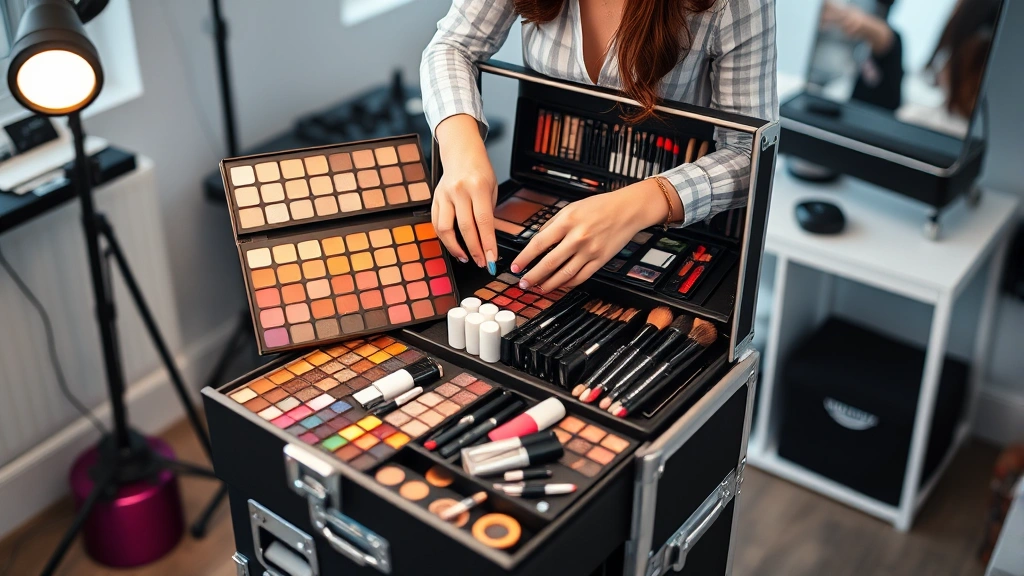
The best rolling cosmetic cases share several key characteristics that professional makeup artists prioritize. First is compartmentalization—a quality case features multiple drawers, trays, and dividers that keep products separated and protected. This prevents product cross-contamination, which is especially important for hygiene-conscious professionals who work with multiple clients.
Durability is another critical factor. Professional cases endure constant travel, stacking, and handling. Look for reinforced aluminum frames, high-quality zippers, and robust wheel systems. The case should protect delicate items like glass bottles, ceramic eyeshadow palettes, and liquid foundations from breakage.
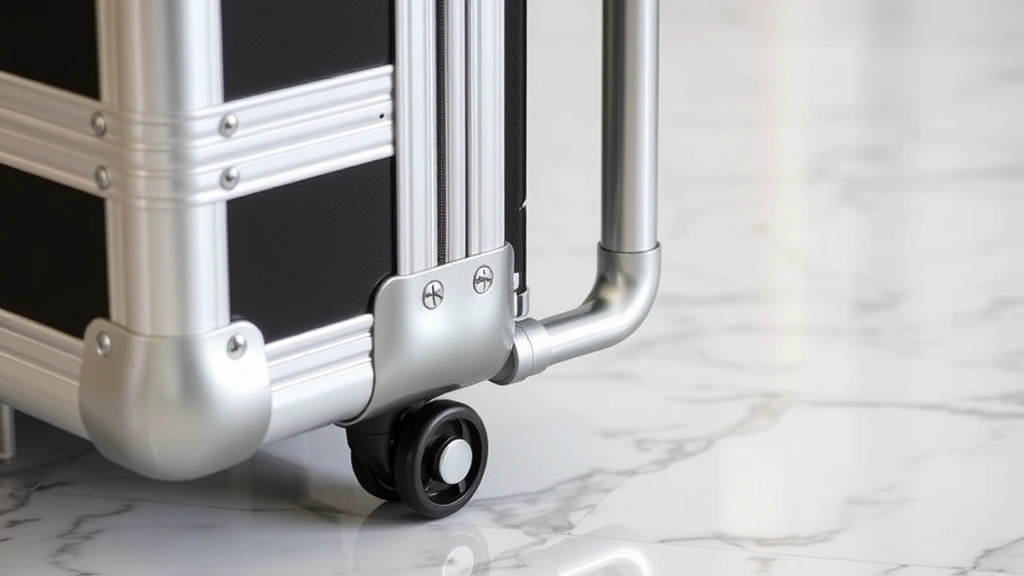
Smooth rolling mechanics make a significant difference in daily usability. Four-wheel systems typically offer better stability than two-wheel designs, especially on uneven surfaces. Ball-bearing wheels and sturdy handles reduce strain during transport.
Weight distribution matters tremendously. A well-designed case balances functionality with portability—you want ample storage without creating an exhausting burden. Professional makeup artists often work 8-10 hour days, so case weight directly impacts physical comfort.
Finally, aesthetic appeal shouldn’t be overlooked. Professional cases should project competence and organization to clients. Quality finishes, clean lines, and professional colors (black, gray, rose gold) contribute to your overall brand presentation.
Top Professional Rolling Cases for Makeup Artists
Makeup artists consistently recommend several premium rolling cosmetic cases that have proven themselves in professional settings. Professional beauty case manufacturers have refined their designs based on decades of feedback from working artists.
The Sunrise Professional Rolling Makeup Case stands out for its extensive compartmentalization and sturdy construction. It features multiple pull-out drawers with adjustable dividers, allowing customization for different product types. The aluminum frame resists dents and impacts, while the four-wheel system provides smooth, stable rolling. Many makeup artists appreciate the removable mirror and adjustable lighting options.
For those seeking a more compact option, the Seya Rolling Cosmetic Case offers professional-grade organization in a smaller footprint. It’s ideal for makeup artists who work in smaller spaces or prefer lighter cases for frequent travel. The case includes a pull-out tray system and reinforced handles.
The Niso Professional Makeup Artist Case is renowned among special effects and theatrical makeup artists. Its deep drawers accommodate large quantities of products, and the lockable design provides security for valuable inventory. The case’s weight capacity exceeds most competitors, making it suitable for extensive product collections.
Budget-conscious professionals often select the Caboodles Rolling Makeup Case, which delivers solid organization without premium pricing. While it may not match high-end cases in durability, it provides excellent functionality for emerging makeup artists building their professional kit.
Organization Features That Matter
Effective organization within your rolling cosmetic case directly impacts your workflow and productivity. Professional makeup artists rely on specific organizational features that enhance efficiency and product protection.
Drawer Systems: Multiple pull-out drawers allow you to organize products by category—foundations in one drawer, eyeshadows in another, brushes in a dedicated section. This systematic approach reduces setup time and prevents accidentally grabbing the wrong product during application.
Adjustable Dividers: Cases with customizable dividers accommodate products of various sizes. Palettes, brushes, bottles, and containers need different spacing, and flexible dividers adapt to your collection’s unique composition.
Brush Holders: Dedicated brush storage prevents bristle damage and keeps your tools organized. Professional cases often include roll-up brush holders or specialized brush compartments that accommodate full-size and travel-size brushes.
Mirror Integration: Built-in mirrors, particularly cosmetic mirrors with lights, add tremendous value. These allow you to apply makeup or inspect work without requiring external mirrors, making your case more self-sufficient during client consultations.
Removable Trays: Cases with removable trays provide flexibility. You can extract specific sections for closer organization or bring only necessary products to certain appointments, leaving bulkier items in the main case.
Compartment Depth Variation: The best cases feature drawers of varying depths. Shallow compartments suit eyeshadows and blushes, while deeper sections accommodate foundation bottles, primer jars, and skincare products. This variation maximizes space efficiency.
Consider how you’ll organize your collection—do you prefer grouping by product type, by client look, or by color family? Your organizational philosophy should align with your case’s configuration options.
Materials and Durability Considerations
The materials used in rolling cosmetic cases directly determine longevity and protection level. Professional-grade cases invest in superior materials that justify higher price points.
Aluminum Frames: Premium cases feature aluminum or magnesium alloy frames. These lightweight metals resist corrosion and denting while maintaining structural integrity through years of travel. Aluminum frames typically cost more than plastic but last significantly longer.
Hard-Shell Exteriors: ABS plastic or polycarbonate shells provide excellent impact resistance. These materials protect contents from drops, stacking pressure, and airport handling. Hard-shell cases are heavier than soft-sided options but offer superior protection for delicate products.
Soft-Sided Materials: Some professional cases use high-quality nylon or leather-like synthetic materials. These reduce overall weight and offer flexibility, though they provide less impact protection. Soft-sided cases work well for professionals who prioritize portability over maximum durability.
Interior Lining: Quality cases feature reinforced interior linings that prevent sharp objects from piercing the shell. Premium cases use fabric-reinforced materials that resist tearing even when heavily loaded.
Wheel Quality: Wheels deserve special attention. Ball-bearing wheels rotate smoothly and handle various surfaces better than standard wheels. Look for cases with replacement wheel options—wheels are the most likely component to need replacement after extended use.
Zipper Construction: Professional cases use heavy-duty zippers with metal sliders rather than plastic. These withstand repeated opening and closing without jamming or breaking. Some premium cases feature dual zippers for added security and redundancy.
Makeup artists working in humid climates should prioritize cases with corrosion-resistant hardware. Those working in studios should emphasize impact resistance, while traveling artists prioritize wheel durability and lightweight construction.
Size and Capacity Guide
Selecting the appropriate size ensures your rolling cosmetic case accommodates your collection without excess bulk. Size considerations vary significantly based on your professional needs.
Compact Cases (Under 10 inches tall): These portable options suit makeup artists who work with minimal product quantities or prefer lightweight cases for frequent travel. They typically hold 20-40 products and work well for touch-up services or special occasion makeup. Ideal for freelance artists with limited storage space.
Medium Cases (10-14 inches tall): The most popular size for working makeup artists, medium cases balance capacity with portability. They accommodate 60-100 products and include multiple drawer systems. Perfect for artists who maintain a diverse product range but don’t require extensive inventory.
Large Cases (14-18 inches tall): Professional makeup artists with extensive collections favor large cases. These accommodate 150-250+ products and often feature multiple removable trays. Ideal for artists working with theatrical, bridal, or special effects makeup requiring diverse product options.
Extra-Large Cases (Over 18 inches): These professional-grade storage solutions suit makeup artists managing multiple client looks simultaneously or maintaining backup products. They can accommodate 300+ products but require significant storage space and transportation capacity.
Consider your typical workload. Do you primarily work with clients in-studio or travel to locations? Artists working on-location benefit from compact or medium cases, while studio-based artists can utilize larger options that remain stationary between appointments.
Also evaluate your product collection. Large cosmetic bags complement rolling cases by allowing you to organize products by client type or service category. Many professionals use multiple bags within their rolling case for additional organization.
Travel and Portability Features
For makeup artists who travel frequently—whether to client locations, events, or destinations—specific features enhance portability and convenience.
Handle Design: Ergonomic handles reduce hand and wrist strain during extended transport. Telescoping handles that adjust to various heights accommodate different users and positioning preferences. Dual handles (top and side) provide flexibility for different carrying situations.
Four-Wheel Systems: Four-wheel rolling cases distribute weight more evenly than two-wheel designs, reducing the physical effort required to maneuver. They navigate various surfaces—carpet, tile, concrete—more smoothly and stable on inclines or uneven terrain.
Weight Distribution: Professional cases position heavier items lower to maintain balance while rolling. This design prevents the case from becoming top-heavy or difficult to control on slopes.
TSA Compliance: If you frequently fly with your makeup collection, consider TSA-compliant rolling cases. These meet airline carry-on size restrictions, allowing you to bring your complete kit aboard flights without checking luggage.
Locking Mechanisms: Cases with combination locks or key locks provide security during transport and storage. This feature is essential for professionals carrying valuable products or working in shared spaces.
Detachable Sections: Some cases feature removable drawers or compartments that double as portable organizers. You can extract specific sections for particular appointments, leaving remaining inventory secure in the main case.
Protective Bumpers: Rubber bumpers around the case perimeter absorb impact during travel and protect flooring in client spaces. They also make the case more aesthetically appropriate for professional environments.
Makeup artists frequently traveling should prioritize lightweight construction, smooth wheels, and compact dimensions that fit standard luggage spaces.
Price Range and Value Analysis
Rolling cosmetic cases range dramatically in price, from budget-friendly options under $50 to professional-grade cases exceeding $300. Understanding value at different price points helps you make informed decisions.
Budget Cases ($30-80): Entry-level cases offer basic functionality and organization. They work for students, hobbyists, or makeup artists just starting professional practice. Expect lighter construction, fewer compartments, and less durable wheels. These cases typically last 1-2 years with regular professional use.
Mid-Range Cases ($80-150): Professional-quality cases in this range offer superior construction, multiple drawer systems, and durable components. They accommodate growing product collections and withstand several years of regular professional use. Most working makeup artists operate within this price range.
Premium Cases ($150-250): High-end cases feature premium materials, exceptional organization systems, and extended warranties. They’re designed for intensive professional use and typically last 5+ years. These cases often include features like built-in lighting, professional-grade locks, and customizable interior configurations.
Luxury Cases (Over $250): Ultra-premium cases, often handcrafted or featuring designer branding, represent the highest investment. While quality is exceptional, the premium often reflects brand prestige rather than proportional functional advantages.
Consider your investment timeline. If you’re building a long-term professional practice, investing in a mid-range to premium case provides better value than repeatedly replacing budget options. Calculate cost-per-year—a $150 case lasting five years ($30/year) delivers superior value compared to a $50 case lasting one year ($50/year).
Also evaluate included features. Some mid-range cases include mirrors, lighting, and locks that others charge separately. Compare total value rather than base price alone.
For professionals managing extensive product collections, consider complementary storage like cosmetic organizer boxes that work alongside your rolling case for comprehensive inventory management.
Maintenance and Care Tips
Proper maintenance extends your rolling cosmetic case’s lifespan and keeps it functioning optimally. Professional makeup artists develop care routines that preserve their investment.
Regular Cleaning: Wipe exterior surfaces monthly with a damp cloth. Use mild soap for stubborn stains. Clean interior compartments quarterly, removing product residue and spilled powders. This prevents buildup that can interfere with drawer operation.
Wheel Maintenance: Inspect wheels monthly for debris or buildup. Clean with a damp cloth and ensure they rotate freely. Replace wheels showing signs of wear or flattening. Quality replacement wheel kits cost $20-40 and restore smooth rolling.
Zipper Care: Keep zippers clean and dry. Apply silicone-based zipper lubricant if zippers become stiff. Avoid overstuffing compartments, which strains zippers and can cause jamming.
Hardware Inspection: Check handles, locks, and frame connections quarterly. Tighten any loose components and replace damaged hardware promptly. This preventive maintenance prevents minor issues from becoming major problems.
Product Organization: Periodically reorganize compartments to prevent product shifting during transport. Secure liquid products upright to prevent leaking, which can damage the case interior.
Storage Conditions: Store your case in climate-controlled environments when not in use. Extreme temperatures can warp materials and affect wheel function. Avoid storing in damp areas where mildew or corrosion can develop.
Professional makeup artists who maintain their rolling cosmetic cases report 5-7 years of reliable service, making proper care a worthwhile investment.
Specialized Cases for Specific Needs
Different makeup specializations benefit from specialized rolling case designs. Understanding these options helps you choose cases tailored to your specific professional focus.
Theatrical and Special Effects Cases: Makeup artists working in theater, film, or special effects require cases accommodating extensive color ranges, texture products, and application tools. Look for cases with deep drawers and substantial capacity. Professional makeup associations often recommend specialized theatrical cases designed for this demanding work.
Bridal and Wedding Cases: Bridal makeup artists benefit from cases featuring excellent organization for the 15-20 essential products used in bridal applications. Compact to mid-size cases work well, with emphasis on color organization and quick product access.
Corrective and Medical Makeup Cases: Professionals working with scar camouflage, vitiligo coverage, or post-surgical makeup need cases accommodating specialized products and multiple undertone options. Organization by undertone rather than product type often proves more efficient.
Airbrush Makeup Cases: Artists using airbrush systems require cases accommodating spray equipment, liquid foundations, and cleaning supplies. Cases with removable compartments and equipment-specific storage streamline workflow.
Natural and Clean Beauty Cases: Makeup artists specializing in minimal, natural makeup can utilize compact cases since they work with fewer products. These professionals often prioritize lightweight, portable options over maximum capacity.
Your specialization should directly influence case selection. A theatrical makeup artist attempting to work from a compact bridal case will quickly become frustrated with inadequate capacity and organization.
Comparing Rolling Cases to Alternative Storage Solutions
While rolling cosmetic cases offer significant advantages, understanding alternative storage options helps ensure you’re selecting the best solution for your situation.
Rolling Cosmetic Cases vs. Rolling Luggage: Traditional luggage offers more capacity but less specialized organization. Professional rolling cosmetic cases feature compartmentalization designed specifically for beauty products, offering superior organization and product protection.
Rolling Cases vs. Stationary Organizers: Cosmetic organizer boxes provide excellent studio storage but lack portability. Many professionals use both—stationary organizers for studio inventory and rolling cases for client work.
Rolling Cases vs. Multiple Bags: Some makeup artists use several smaller cosmetic bags instead of rolling cases. This approach offers flexibility but creates organizational challenges and requires managing multiple items. Rolling cases centralize everything into one mobile unit.
Rolling Cases vs. Backpack Organizers: Specialized makeup backpacks distribute weight across shoulders, reducing hand strain. However, they typically offer less capacity and organization than rolling cases, making them better suited for makeup artists carrying minimal product quantities.
Most professional makeup artists ultimately choose rolling cosmetic cases as their primary storage solution due to superior organization, product protection, and ease of transport. Many supplement rolling cases with specialized storage for specific needs.
FAQ
What’s the ideal size rolling cosmetic case for a makeup artist just starting their professional practice?
Beginning makeup artists typically benefit from medium-sized rolling cases (10-14 inches tall) offering 60-100 product capacity. This size accommodates a growing collection without overwhelming investment. As your client base expands and your product inventory grows, you can upgrade to larger cases while using your initial case for backup or travel.
Are rolling cosmetic cases worth the investment compared to regular luggage?
Absolutely. Rolling cosmetic cases feature specialized compartmentalization protecting delicate beauty products from damage. Regular luggage lacks product-specific organization, making finding items difficult and increasing breakage risk. For professional makeup artists, the investment in proper storage pays dividends through improved efficiency and reduced product damage.
Can I take a rolling cosmetic case as carry-on luggage on airplanes?
Many rolling cosmetic cases meet TSA carry-on requirements (22 x 14 x 9 inches), though individual airlines vary. Check your specific airline’s policies before traveling. Cases exceeding standard carry-on dimensions require checking, which increases damage risk. Compact and medium-sized cases typically fit carry-on restrictions.
How often should I replace my rolling cosmetic case?
Quality professional rolling cases typically last 5-7 years with proper maintenance. You might replace it sooner if wheels deteriorate, zippers malfunction, or your needs change significantly. Budget-quality cases may need replacement after 1-2 years of professional use, making mid-range investments more economical long-term.
What’s the best way to organize products within my rolling cosmetic case?
Most professional makeup artists organize by product category—foundations in one drawer, eyeshadows in another, brushes separately. Some prefer organizing by client look or color family. Experiment with different systems to discover what maximizes your efficiency. Consider how you work with clients and arrange accordingly.
Should I invest in a case with built-in lighting?
Built-in lighting significantly enhances functionality, particularly for makeup artists working in various lighting conditions. Quality cosmetic mirrors with lights help you see products accurately and apply makeup consistently. If your budget allows, built-in lighting is worthwhile, though it’s not essential if you typically work in well-lit environments.
What’s the maximum weight a rolling cosmetic case can safely hold?
Professional rolling cases typically support 50-100 pounds safely. However, weight distribution matters—exceeding recommended capacity stresses wheels and can cause malfunction. If your product collection approaches weight limits, consider two medium cases instead of one oversized case for better maneuverability and reduced strain.
How do I prevent product leaks inside my rolling cosmetic case?
Store liquid products upright with caps secured tightly. Place absorbent materials (tissue or cotton pads) near liquid containers to catch minor leaks before they damage other products. Periodically inspect containers for signs of leaking. Consider double-bagging liquid products in small containers for extra protection.
Are professional rolling cosmetic cases worth the price difference compared to budget options?
For makeup artists working professionally 20+ hours weekly, mid-range to premium cases absolutely justify the investment. Superior organization, durability, and functionality directly impact your work quality and efficiency. Budget cases may work initially but typically require replacement within 1-2 years, making professional-grade cases more economical long-term.
Can I use a rolling cosmetic case for storing skincare products?
Yes, rolling cosmetic cases work excellently for skincare product organization. The compartmentalization keeps serums, moisturizers, masks, and treatments organized. If you’re interested in optimizing your skincare routine, explore skincare routine guides with active ingredients to understand which products deserve dedicated organization within your case.