
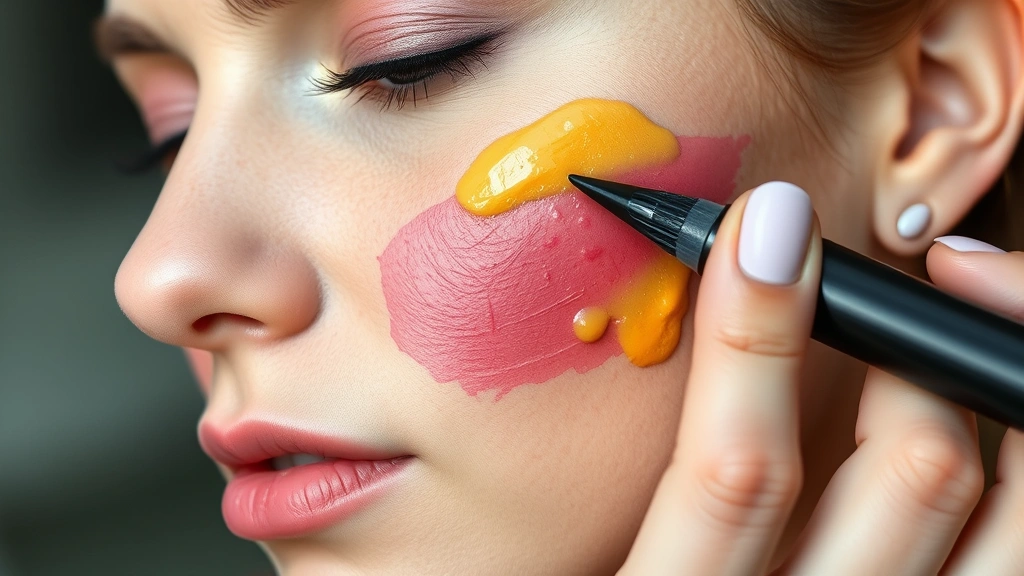
SFX Makeup Tips for Beginners: Expert Advice for Special Effects Cosmetics
Special effects makeup, commonly known as SFX cosmetics, has evolved from theatrical stages and film sets into an accessible art form for makeup enthusiasts of all skill levels. Whether you’re interested in creating realistic wounds, theatrical character transformations, or Halloween special effects, understanding the fundamentals of SFX makeup is essential. Unlike conventional cosmetics designed for everyday wear, SFX products require specific techniques, materials, and application methods to achieve professional-looking results that withstand movement, moisture, and scrutiny.
The world of SFX cosmetics can seem intimidating to beginners, but with proper guidance and practice, anyone can master these specialized techniques. This comprehensive guide breaks down everything you need to know about SFX makeup, from selecting the right products and tools to mastering application techniques that create believable, stunning effects. We’ll explore how to prepare your skin properly, which ingredients matter most, and how to troubleshoot common challenges that beginners face when working with special effects cosmetics.
Understanding SFX Makeup Basics
Special effects makeup represents a specialized category within the cosmetics industry, designed to create illusions on the skin through three-dimensional effects, color manipulation, and texture creation. Unlike everyday makeup that enhances natural features, SFX cosmetics focus on transformation and storytelling. The primary goal is creating believable illusions—whether that’s simulating injury, aging, fantasy creatures, or extreme character transformations.
SFX makeup differs fundamentally from conventional cosmetics in several critical ways. First, the formulations are engineered for durability and adherence under challenging conditions. Second, the application often requires additional materials like scar wax, liquid latex, and silicone-based products that aren’t found in standard makeup collections. Third, the techniques involve sculpting, texture creation, and advanced blending that goes beyond traditional makeup application. Understanding these distinctions helps beginners approach SFX cosmetics with appropriate expectations and techniques.
The foundation of successful SFX makeup lies in understanding how light, shadow, and color interact on three-dimensional surfaces. Professional SFX artists study anatomy, color theory, and light reflection to create convincing effects. Beginners should start by learning these fundamental principles before investing in expensive materials. Starting with simple effects like bruises, cuts, or aging makeup helps build confidence and technical skill before attempting complex creature designs or elaborate wound effects.
Essential SFX Cosmetics Products for Beginners
Building a beginner SFX makeup kit requires understanding which products deliver the best results without overwhelming your budget or workspace. The core products every SFX artist needs include cream-based foundations, highly pigmented cream shadows, setting powders, and specialized products like scar wax or liquid latex depending on your chosen effects.
Foundation and Base Products: SFX work typically starts with cream-based foundations that provide better adherence and blendability than liquid formulas. Look for foundations that work with your skin type, as SFX applications often last longer than regular makeup. Cream foundations offer superior coverage and create a stable base for layering additional products. Many professional SFX artists prefer specific brands formulated for theatrical and film use, which contain ingredients optimized for durability and camera visibility.
Color Correctors and Concealers: These products are crucial for creating realistic effects. Green color correctors neutralize red tones in bruises or rosacea-like effects. Purple and yellow correctors address different color challenges. High-coverage cream concealers in various shades allow you to build depth and dimension in your effects. Investing in a color corrector palette gives you flexibility for various skin tones and effect types.
Specialty SFX Materials: Scar wax creates raised, textured surfaces perfect for wounds and injuries. Liquid latex provides a flexible, skin-like texture and can create realistic wound edges. Silicone-based products offer superior flexibility and durability compared to latex-based alternatives. Fake blood products come in various formulations—some designed to look fresh, others to simulate aged or dried blood. Beginners should start with water-based blood products, which are easier to apply and remove than oil-based alternatives.
Setting and Fixing Products: Translucent setting powders lock your SFX makeup in place. Makeup setting sprays create additional durability, especially important for effects that need to withstand movement or moisture. Some professional artists use specialized fixing sprays designed specifically for SFX applications, which provide superior longevity compared to standard cosmetic setting sprays.
Skin Preparation and Primer Selection
Proper skin preparation is absolutely critical for successful SFX makeup application. Unlike everyday makeup where skincare preparation is important, SFX applications demand meticulous skin prep because the products will sit on your skin for extended periods and the effects depend on flawless adhesion.
Start with a clean, moisturized face. If you have combination skin or oily areas, pay special attention to balancing hydration with oil control. Dehydrated skin can cause SFX products to look patchy and fail to blend smoothly. Apply a lightweight, hydrating moisturizer appropriate for your skin type and allow it to fully absorb—typically 5-10 minutes—before proceeding.
Primer selection makes an enormous difference in SFX makeup longevity and appearance. Silicone-based primers create a smooth canvas and enhance product adhesion significantly. If you’re using water-based SFX products, a silicone primer provides excellent compatibility. For latex-based effects, consider latex-compatible primers. Mattifying primers work well for oily skin types, while hydrating primers suit dry skin. Apply primer evenly across the entire face, paying extra attention to areas where you’ll apply SFX effects.
For targeted SFX applications—like a single wound or bruise—you might prep only that specific area with primer rather than your entire face. This approach conserves products and allows you to use different primer types for different effects on the same face. Always allow primer to set completely before beginning SFX product application, as this ensures maximum adhesion and prevents product shifting during application.

Application Techniques and Methods
SFX makeup application differs significantly from standard makeup techniques. Rather than blending seamlessly like everyday makeup, SFX often involves building layers, creating texture, and deliberately working with dimension and shadow.
Layering Strategy: Begin with your lightest colors and build toward darker shades. This approach gives you control and prevents over-darkening your effects. For bruises, start with yellow or green undertones, layer purple or blue in the center, and finish with deeper purples or blacks at the edges. Each layer should be partially blended but not completely, maintaining dimension and realistic color variation.
Stippling and Texture Creation: Use stippling motions—dabbing with a sponge rather than dragging—to create realistic texture. This technique mimics skin surface irregularities and makes effects look more authentic. Stippling also helps blend multiple colors while maintaining their individual visibility, crucial for realistic bruising or aging effects.
Sculpting with Shadow: SFX makeup heavily relies on shadow placement to create dimension. Apply darker shades in natural shadow areas—under cheekbones, along the jawline, in eye sockets—to enhance three-dimensional effects. For wound creation, shadows along wound edges make them appear deeper and more realistic. Understanding light direction helps you place shadows correctly; shadows should fall opposite your light source.
Building Raised Effects: When using scar wax or liquid latex, build gradually in thin layers rather than applying thick single coats. Thin layers adhere better and look more realistic than thick applications that appear artificial. Allow each layer to set before adding the next, particularly important with latex products that require drying time between applications.
Creating Realistic Effects with Color Theory
Color theory forms the backbone of convincing SFX makeup. Understanding how colors interact and how our eyes perceive color combinations directly impacts effect realism.
Bruise Color Progression: Real bruises follow predictable color progressions based on age. Fresh bruises appear red and dark purple. Within 24-48 hours, they transition to darker purple and blue. By day 5-7, yellow and green tones emerge as the body reabsorbs blood. Aged bruises show predominantly yellow, green, and brown tones. Creating realistic bruises requires layering these colors in appropriate combinations. Start with a red or purple base, add deeper purple or blue in the center, surround with yellow or green edges, and finish with brown undertones for aged bruises.
Skin Tone Consideration: SFX colors must be adapted for different skin tones. Darker skin tones require different color combinations than fair skin to create the same visual effect. For bruises on darker skin, use deeper reds, purples, and blues rather than lighter shades that won’t show up. Yellows and greens may appear more muted on deeper skin tones, requiring more saturated versions. Test your color combinations on a small area before committing to full application.
Undertone Matching: Every skin tone has undertones—warm, cool, or neutral. Matching your SFX colors to skin undertones creates more harmonious, believable effects. Warm-undertoned skin works better with warmer bruise colors (reds, oranges, browns), while cool-undertoned skin suits cooler bruise shades (purples, blues, greens). This principle applies to all SFX effects, from aging makeup to character transformations.
Blending and Layering Strategies
Blending in SFX makeup differs from everyday makeup blending. While everyday makeup aims for seamless transitions, SFX often benefits from defined color separation that still appears realistic.
Soft Blending for Realism: Use damp sponges or brushes to soften edges between colors without completely eliminating color boundaries. This technique creates the color variation visible in real bruises or wounds without looking like a makeup application. A slightly damp beauty sponge works exceptionally well for this purpose, allowing you to gently feather colors together while maintaining their individual visibility.
Layering Without Muddiness: Adding multiple layers risks creating muddy, undefined colors. Prevent this by allowing each layer to set slightly before adding the next, using lighter hand pressure as you add subsequent layers, and occasionally stepping back to assess overall appearance. Professional SFX artists frequently pause to evaluate their work, making adjustments before continuing. This deliberate approach prevents over-blending that destroys realism.
Texture Variation: Vary your blending technique across the effect. Some areas might be softly blended while others maintain sharper definition. This variation mimics real skin variation and makes effects appear more authentic. A wound’s center might have sharp definition while edges fade softly into surrounding skin. Bruises might show defined color separation in some areas and gradual transitions in others.
Consider how facial steaming and skin care practices affect your canvas. Well-hydrated, healthy skin accepts and displays SFX products more beautifully than compromised skin. Taking time to maintain your skin between SFX applications ensures optimal results when you create effects.
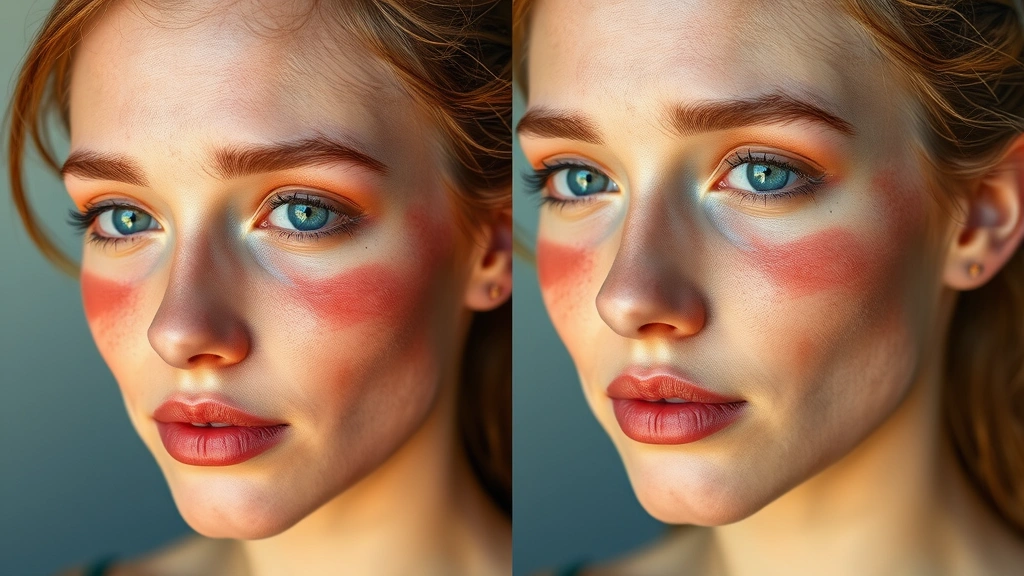
Removal and Skin Care After SFX
Proper removal and post-application skincare are essential for maintaining skin health, especially when wearing SFX makeup regularly. Special effects products, particularly latex and silicone-based formulations, require specific removal techniques to prevent skin irritation and damage.
Removal Process: Begin by gently peeling away any latex or scar wax. Work slowly, supporting your skin with your other hand to prevent pulling. Once removable materials are gone, use oil-based makeup remover to dissolve remaining product. Coconut oil, jojoba oil, or dedicated makeup remover oils work well. Apply generously and massage gently, allowing oil to break down product bonds. Use a soft cloth to wipe away dissolved product and repeat until all traces are gone.
Cleansing After SFX: Follow oil removal with a gentle, creamy cleanser appropriate for your specific skin type. Avoid harsh scrubbing or astringent products immediately after SFX removal, as your skin may be slightly sensitized. Use lukewarm water and pat dry gently rather than rubbing. Some people experience mild redness or irritation after SFX removal; this typically resolves within an hour as skin recovers.
Recovery Skincare: Apply a nourishing moisturizer after cleansing to replenish hydration. Consider using hydrating face masks or collagen-boosting treatments after intensive SFX applications to support skin recovery. If you wear SFX makeup regularly, establish a robust skincare routine using high-quality products suited to your skin’s needs. Your skin is working hard beneath those products and deserves dedicated care.
Frequency Considerations: Limit intensive SFX applications to necessary occasions rather than daily wear. If you must wear SFX regularly—for theatrical productions or film work—establish strict removal and recovery protocols. Take breaks between applications whenever possible, allowing your skin to fully recover. If you notice persistent irritation, redness, or sensitivity, consult a dermatologist before continuing SFX applications.
FAQ
What’s the best SFX makeup for beginners?
Start with cream-based products like high-coverage foundations, cream shadows, and water-based fake blood. These products are forgiving, easy to blend, and simple to remove. Add scar wax and liquid latex as you develop skills. Beginners should prioritize quality over quantity, investing in versatile products that work for multiple effects rather than specialized items for single purposes.
Can I use regular makeup for SFX effects?
Regular makeup can supplement SFX applications but shouldn’t be your primary product source. Everyday cosmetics lack the durability, pigmentation, and adhesion properties necessary for convincing SFX work. However, regular foundations can work as bases under SFX products, and everyday eyeshadows can supplement SFX color palettes. Always prioritize SFX-specific products for the actual effect creation.
How long does SFX makeup last?
Duration depends on product type and application conditions. Water-based products typically last 4-6 hours with moderate activity. Silicone and latex products can last 8-12 hours or longer. Heat, moisture, and movement reduce longevity. Professional applications using fixing sprays and setting techniques can extend wear time significantly. Test your specific product combinations during practice sessions to understand their durability.
Is SFX makeup safe for sensitive skin?
SFX products can irritate sensitive skin, particularly latex-based formulations. Patch test all new products on a small skin area 24-48 hours before full application. Consider silicone-based alternatives to latex, which many sensitive-skin individuals tolerate better. Always use proper primer and moisturizer, and never skip the careful removal process. If sensitivity persists, consult a dermatologist about safe alternatives.
What tools do I need for SFX makeup application?
Essential tools include makeup sponges (beauty sponges and stipple sponges), various brush sizes for blending and detail work, palette for mixing colors, and tools for applying scar wax or latex. Many professionals prefer natural hair brushes for blending and synthetic brushes for stippling. Invest gradually in quality tools rather than buying complete sets; you’ll develop preferences as you practice.
How do I prevent SFX makeup from looking cakey?
Build effects with thin layers rather than heavy single applications. Use stippling motions instead of dragging products across skin. Allow each layer to set before adding the next. Use setting powder sparingly—excessive powder creates cakiness. Blend edges softly to create realistic transitions. Practice on test areas before applying to your face, refining your technique through repetition and observation.