Sweat-Proof Makeup Tips: Expert-Approved Guide to Long-Lasting Cosmetics
Whether you’re heading to the gym, attending an outdoor summer wedding, or simply living in a humid climate, sweat-proof makeup is non-negotiable for maintaining a polished appearance throughout the day. The challenge of keeping makeup intact when perspiration is involved requires strategic product selection, proper application techniques, and understanding how different formulations interact with moisture and heat.
Sweat-proof cosmetics work by utilizing water-resistant polymers, silicone-based binders, and long-wear formulas that create a barrier between your skin and environmental moisture. The key to success isn’t just about choosing the right products—it’s about building a comprehensive system that keeps foundation locked in place, prevents color transfer, and maintains the integrity of your entire makeup look from morning until evening.
Understanding Water-Resistant vs. Waterproof Formulations
The distinction between water-resistant and waterproof makeup is crucial for selecting sweat-proof cosmetics that will perform under your specific conditions. Water-resistant formulas can withstand light to moderate moisture exposure for approximately 40-80 minutes, making them suitable for daily activities and light perspiration. Waterproof formulations, conversely, are engineered to remain intact even when submerged or exposed to heavy sweating for extended periods, typically lasting 4+ hours under challenging conditions.
The FDA regulates cosmetic claims, and manufacturers must substantiate their waterproof claims through standardized testing. Products labeled as waterproof must pass rigorous moisture exposure tests that simulate real-world sweating scenarios. When shopping for top drugstore cosmetics, look for terminology like “sweat-resistant,” “moisture-resistant,” or “long-wear” on product packaging to identify formulations designed for perspiration control.
Silicone-based polymers are the primary agents responsible for water resistance in modern cosmetics. These hydrophobic compounds create an occlusive film on the skin that repels moisture while allowing the skin to breathe. Acrylates and vinyl polymers serve similar functions, bonding to skin and creating durable barriers that resist breakdown when exposed to sweat, humidity, and friction from clothing.
Foundation: The Critical Base Layer
Your foundation choice determines the success of your entire sweat-proof makeup system. Sweat-proof foundations must balance coverage, longevity, and skin compatibility while providing a stable base for additional products. Full-coverage, long-wear foundations are specifically formulated with higher concentrations of film-forming polymers that create stronger adhesion to skin and greater resistance to moisture breakdown.
Liquid foundations with silicone bases offer superior water resistance compared to water-based formulations. Silicone creates a moisture-repellent film that prevents sweat from penetrating the foundation layer. Look for foundations containing dimethicone, cyclopentasiloxane, or phenyl trimethicone—these silicone polymers provide the most reliable sweat resistance. When your skin tends toward specific skincare concerns like sensitivity, ensure your foundation doesn’t contain irritating alcohols or fragrance that could exacerbate inflammation.
Stick foundations and compact foundations offer portability and excellent staying power for touch-ups during the day. These products contain higher concentrations of waxes and polymers, creating an exceptionally durable base that resists sweat breakdown. However, stick foundations may feel heavier on the skin and require careful blending to avoid obvious demarcation lines or uneven coverage.
IT Cosmetics Bye Bye Redness represents a category of color-correcting foundations that combine sweat resistance with specific skincare benefits. These multi-tasking products allow you to address both coverage needs and skin concerns simultaneously, reducing the number of layers required and potentially improving overall makeup longevity through simplified application.
Pro tip: Apply foundation in thin, even layers rather than one thick layer. Multiple thin coats adhere better to skin and resist sweat breakdown more effectively than a single heavy application. Allow each layer to set for 30-45 seconds before applying the next layer.
Primer Technology for Sweat Control
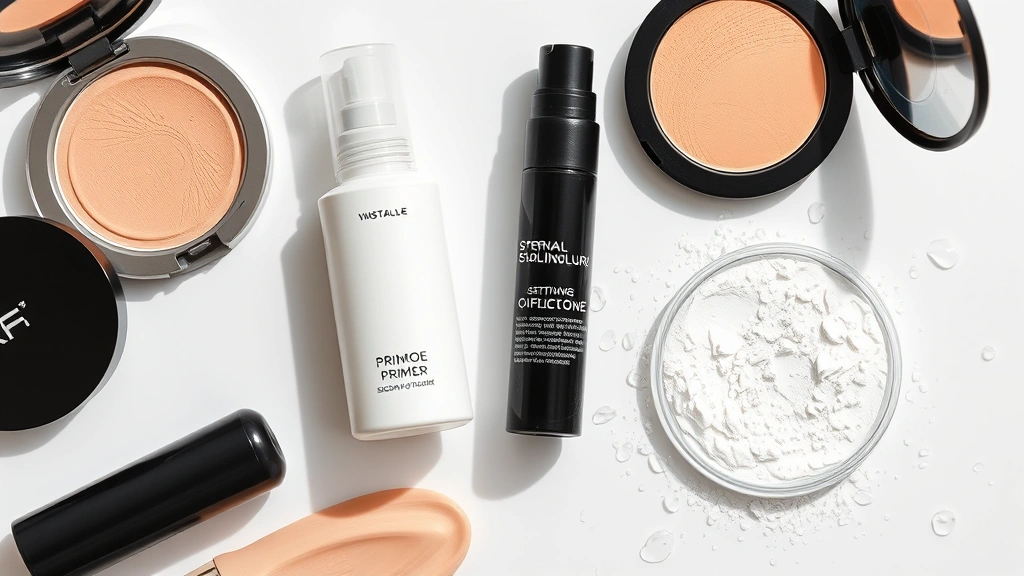
Primers are the foundation of sweat-proof makeup success. These specialized products create an additional barrier between skin and foundation while providing texture refinement and extended wear. Silicone-based primers are essential for anyone concerned with sweat resistance, as they create a smooth, moisture-repellent surface that improves foundation adhesion and prevents sweat from breaking down makeup.
Pore-minimizing primers serve dual purposes: they refine skin texture and create a smoother surface for foundation application while their polymeric structure resists moisture penetration. Products containing silica spheres or other micro-texturing agents fill pores and skin irregularities, allowing foundation to sit more evenly and resist displacement caused by sweat and friction.
Mattifying primers are specifically engineered for oily and combination skin types prone to excessive sweating. These primers absorb excess sebum and perspiration while maintaining a dry, non-slick surface. Look for primers containing silica, talc, or other absorbent powders that prevent the slippery conditions that cause makeup migration and breakdown. Niacinamide in primers also helps regulate sebum production, reducing the amount of moisture your skin produces during the day.
Water-resistant primers create an explicit moisture barrier that prevents sweat from reaching your foundation. These specialized formulations often contain volatile silicones that evaporate quickly, leaving behind a hydrophobic polymer film. The evaporation process allows the primer to dry completely within 1-2 minutes, creating optimal conditions for foundation application.
Application technique matters significantly with primers. Apply primer to your T-zone (forehead, nose, chin) first—these areas generate the most heat and perspiration. Use upward strokes to encourage better adhesion and allow primer to fully dry before applying foundation. Waiting 60-90 seconds ensures the primer’s polymeric structure is fully set, creating maximum bond strength between primer and foundation.
Setting Powders and Spray Strategies
Setting powders lock makeup in place by absorbing excess moisture and providing additional polymeric structure that resists sweat breakdown. Translucent powders work for all skin tones and won’t alter your foundation color, making them ideal for sweat-proof makeup applications. The key is using the right amount—excess powder can actually cause caking and accelerate makeup breakdown by creating a heavy layer that doesn’t move naturally with skin.
Mattifying powders contain absorbent ingredients like silica, talc, or magnesium carbonate that actively capture moisture. These powders are essential for oily skin types and anyone dealing with significant perspiration. Apply mattifying powder strategically to areas prone to sweating: the T-zone, temples, and jawline. Avoid over-applying on cheeks and under-eye areas, where excess powder creates an obvious, unflattering appearance.
Setting sprays represent the final step in creating sweat-proof makeup that lasts through challenging conditions. These products contain polymeric resins that seal your entire makeup application, creating an additional protective layer. The best cosmetics research publications consistently demonstrate that setting sprays extend makeup longevity by 3-4 hours when used correctly.
There are two primary types of setting sprays: hydrating and mattifying. Hydrating setting sprays contain humectants like glycerin and hyaluronic acid, making them suitable for dry skin types. Mattifying setting sprays contain silica and other absorbent polymers, perfect for oily and combination skin prone to excessive sweating. Apply setting spray 6-8 inches from your face in a light, even mist. Allow the spray to dry completely (2-3 minutes) before touching your face or applying additional products.
Combination approach: Many makeup artists recommend using both powder and setting spray for maximum sweat resistance. Apply powder to set foundation, then use a setting spray to seal everything. This two-step process creates multiple barriers that resist moisture penetration and extend makeup longevity significantly.
Eye Makeup That Withstands Moisture
Eye makeup presents unique challenges for sweat-proof applications because eyelids generate significant moisture through perspiration and tear production. Waterproof mascara is non-negotiable for anyone concerned with smudging and breakdown. Unlike regular mascaras that use water-soluble film formers, waterproof mascaras contain wax-based polymers and silicones that create durable coatings resistant to moisture.
Waterproof eyeliner pencils and liquid liners offer superior longevity compared to regular formulations. Pencil liners with wax-based cores resist sweat and tear breakdown, while waterproof liquid liners utilize polymer technology similar to long-wear foundations. Gel eyeliners represent another excellent option, combining the precision of liquid liners with enhanced water resistance through silicone and wax components.
Eyeshadow presents additional complexity because it must adhere to the eyelid while resisting sweat, tears, and natural skin oils. Cream eyeshadows typically outlast powder formulations in sweaty conditions because their emollient base creates better adhesion to skin. Powder eyeshadows require proper priming to achieve comparable longevity. Eyeshadow primers containing silicones create a smooth, moisture-resistant surface that dramatically extends powder eyeshadow wear time.
Application strategy: Apply eyeshadow primer from lash line to brow bone, focusing on the mobile eyelid where moisture exposure is greatest. Allow the primer to set for 30-45 seconds before applying eyeshadow. This waiting period is crucial—it allows the primer’s polymeric structure to fully bond with your eyelid skin, creating maximum adhesion strength.
Brow products require similar consideration. Waterproof brow gels and pomades resist sweat and tear-induced breakdown, maintaining shape and color throughout the day. Brow pencils with wax-based cores offer precision and longevity, though they may require touch-ups in extremely sweaty conditions. Tinted brow gels combine color payoff with sweat resistance, making them ideal for humid environments and active lifestyles.
Lip Products for Extended Wear
Lip color presents unique challenges because lips naturally shed moisture and experience constant movement that breaks down traditional formulations. Long-wear lip stains and liquid lipsticks utilize film-forming polymers that adhere to lips and resist moisture breakdown far more effectively than traditional lipsticks. These products create a pigmented layer that resists transfer to clothing, cups, and other surfaces even when exposed to perspiration.
Two-step lip systems combine a liquid stain base with a topcoat, creating exceptional durability. The stain deposits color directly onto lips through polymeric resins that bond to lip tissue, while the topcoat seals and protects against moisture. This system can last 8-12 hours even with eating, drinking, and significant sweating.
Waterproof lip liners prevent feathering and color bleeding that occurs when sweat and moisture break down lip color boundaries. Apply lip liner slightly inside your natural lip line to create a guide for lip color application. The polymeric structure of waterproof lip liner resists moisture breakdown, maintaining color definition even when lip color fades or transfers.
Matte liquid lipsticks offer superior sweat resistance compared to glossy or satin finishes. The matte finish indicates higher polymer concentration and lower oil content, creating a more durable base resistant to moisture breakdown. However, matte formulations can feel drying on lips, so applying a hydrating lip balm or conditioning treatment beforehand helps maintain comfort without compromising longevity.
Lip stain alternatives: If traditional lip color feels too heavy or uncomfortable during active days, lip stains offer sheer to medium coverage with exceptional staying power. These water-resistant products impart natural-looking color while resisting sweat breakdown and transfer. Many lip stains contain conditioning ingredients like vitamin E and jojoba oil, providing comfort alongside durability.
Application Techniques for Maximum Longevity
Proper application technique is as important as product selection when creating sweat-proof makeup that lasts all day. Begin with clean, moisturized skin—dehydrated skin can cause makeup to break down more quickly as the skin attempts to rebalance moisture levels. Apply skincare products appropriate for your skin type and allow them to absorb completely (2-3 minutes) before applying primer.
Layering technique: Apply products in thin layers rather than one thick application. Thin layers adhere better to skin, dry more completely, and resist sweat breakdown more effectively than heavy single layers. This approach applies to primer, foundation, powder, and all other products. Each layer should be nearly translucent before the next layer is applied.
Allow adequate drying time between product applications. Rushing through makeup application causes products to sit on top of each other rather than bonding to skin. Waiting 30-60 seconds between primer application and foundation, then between foundation and powder, creates optimal adhesion and longevity. This patience investment pays dividends in extended wear time.
Focus on strategic placement: Apply sweat-proof products most heavily to areas that generate the most moisture and experience the most friction. The T-zone, temples, and jawline require extra attention. Apply lighter layers to cheeks, under-eye areas, and forehead where less sweating occurs. This strategic approach prevents caking while maximizing longevity where it matters most.
Blending technique matters significantly. Use a damp beauty sponge to blend foundation after application. The slight moisture helps products meld with skin while removing any excess that might cause breakdown. Blend in upward strokes to encourage product adhesion and create a natural appearance.
Ingredient Considerations for Sweat Resistance
Understanding the chemistry behind sweat-proof cosmetics helps you select products that will perform reliably. Silicones (dimethicone, cyclopentasiloxane, phenyl trimethicone) are the primary water-resistant agents in modern makeup. These polymers create hydrophobic films that repel moisture while allowing skin to breathe. Products listing silicones near the beginning of ingredient lists contain higher concentrations and offer superior sweat resistance.
Acrylate copolymers create durable, flexible films that resist breakdown from sweat and friction. These ingredients appear in foundations, primers, and setting sprays. Products containing acrylate copolymers typically offer 6-8 hour wear time, making them ideal for sweat-proof applications.
Waxes (beeswax, carnauba wax, candelilla wax) increase durability and adhesion in makeup formulations. These natural waxes create protective barriers that resist moisture while improving product texture and ease of application. Stick foundations and compact powders typically contain higher wax concentrations than liquid formulations.
Talc and silica serve multiple functions in sweat-proof makeup. These absorbent powders capture excess moisture while providing texture and helping products adhere to skin. Modern cosmetic formulations increasingly use silica instead of talc due to safety concerns, though both ingredients effectively absorb perspiration.
Niacinamide (vitamin B3) regulates sebum production and reduces skin inflammation, helping control the moisture that makes sweat-proof makeup challenging. Products containing 4-5% niacinamide actively reduce skin oiliness and perspiration, complementing your makeup’s moisture-resistant properties.
Titanium dioxide and iron oxides provide color and coverage while offering some water resistance. These mineral pigments don’t dissolve in sweat or water, maintaining color integrity even when exposed to moisture. Look for foundations and powders with higher concentrations of these ingredients for superior sweat resistance.
Volatile silicones (cyclopentasiloxane, cyclohexasiloxane) evaporate quickly after application, leaving behind a dry, hydrophobic layer. These ingredients appear in primers and setting sprays, allowing products to dry completely and create optimal conditions for makeup adhesion. The evaporation process occurs within 1-2 minutes, creating a stable base for subsequent product layers.
Preservative systems in sweat-proof products must be robust because the moisture-resistant nature of these formulations creates environments where microorganisms can proliferate if preservation isn’t adequate. Look for products containing paraben or phenoxyethanol systems that effectively prevent bacterial and fungal growth. This is particularly important for products that will be stored in humid environments or used during active, sweaty situations.
FAQ
What’s the difference between water-resistant and waterproof makeup?
Water-resistant makeup can withstand light to moderate moisture for 40-80 minutes, while waterproof formulations resist heavy sweating and moisture exposure for 4+ hours. Waterproof products contain higher concentrations of water-repellent polymers and must pass rigorous FDA-regulated testing to substantiate waterproof claims.
Can I use regular foundation if I apply enough setting spray?
While setting spray improves the longevity of any foundation, regular non-waterproof foundations will still break down faster than long-wear or waterproof formulations. For optimal sweat resistance, combine a long-wear foundation with setting spray rather than relying solely on spray to make regular foundation sweat-proof.
How often should I reapply sweat-proof makeup during the day?
Properly applied sweat-proof makeup can last 6-8 hours without touch-ups. However, extremely active days or high-humidity environments may require mid-day touch-ups. Carry blotting papers and a compact powder to refresh areas that experience the most sweating without completely reapplying your entire makeup.
Are silicone-based products safe for all skin types?
Silicone-based products are generally safe for all skin types, including sensitive and acne-prone skin. However, some people experience congestion from heavy silicone products. If you have reactive skin, test silicone-based primers and foundations on a small area first. Water-based alternatives exist for those who prefer to avoid silicones, though they typically offer less sweat resistance.
What’s the best way to remove sweat-proof makeup?
Sweat-proof makeup requires thorough cleansing because its water-resistant properties prevent easy removal with water alone. Use an oil-based makeup remover or cleansing balm to dissolve polymers and waxes, followed by a gentle cleanser to remove residual product. Double cleansing ensures complete removal and prevents product buildup that can compromise skin health.
Can I layer different brands’ primers and foundations?
Yes, layering products from different brands is acceptable as long as they’re compatible. Silicone-based primers work with silicone-based foundations, and water-based products are compatible with each other. Mixing silicone and water-based products can cause pilling or separation, so verify product bases before layering.
How do I prevent makeup from looking cakey with sweat-proof products?
Use thin, layered applications rather than heavy single coats. Allow adequate drying time between layers, and apply products strategically to areas prone to sweating rather than all over your face. Mist your face lightly with setting spray instead of applying heavy coats, and use a damp beauty sponge to blend and remove excess product.