Perfect Wedding Makeup? Bridal Specialist Tips for Your Big Day
Your wedding day is one of the most important moments of your life, and your makeup should reflect that significance. Wedding cosmetics require a different approach than everyday makeup—they must withstand tears, heat, movement, and hours of photography while maintaining a flawless appearance. Professional bridal specialists understand the unique challenges of creating makeup that lasts through ceremonies, receptions, and countless photos. This comprehensive guide reveals insider secrets from makeup artists who specialize in bridal applications, ensuring your face looks as beautiful in person as it does in your wedding photos.
Creating the perfect wedding makeup involves understanding your skin type, selecting long-wearing formulas, and mastering techniques that enhance your natural features while accounting for lighting and camera flash. Whether you’re planning an intimate garden ceremony or a grand ballroom reception, the principles of bridal makeup remain consistent: preparation, precision, and products designed for longevity. We’ll explore everything from pre-wedding skincare regimens to touch-up strategies that keep your makeup flawless from “I do” to the last dance.
Pre-Wedding Skincare: The Foundation of Flawless Makeup
Professional bridal specialists emphasize that perfect wedding makeup begins weeks before your ceremony. Your skin’s health and texture directly impact how cosmetics apply and wear throughout the day. Starting a dedicated skincare routine for glowing skin at least 4-6 weeks before your wedding ensures your complexion is at its absolute best.
The pre-wedding skincare phase should focus on addressing any existing skin concerns while maintaining overall skin health. If you have active breakouts, texture issues, or uneven tone, now is the time to address them with targeted treatments. Many bridal specialists recommend incorporating chemical exfoliants like AHAs or BHAs two to three times weekly, which help refine skin texture and promote cell turnover without irritating the skin. Hydrating serums, particularly those containing hyaluronic acid serum, should become staples in your routine to plump skin and create a smooth canvas for makeup application.
Consistency matters tremendously in pre-wedding skincare. Introducing new products too close to your wedding date risks triggering reactions or sensitivity. All skincare changes should be implemented at least three weeks in advance, allowing your skin to adjust and respond. Professional makeup artists recommend maintaining a simple, proven routine rather than experimenting with multiple new products simultaneously. Focus on cleansing, treating specific concerns, moisturizing appropriately for your skin type, and always using broad-spectrum SPF protection.
Choosing the Right Wedding Cosmetics Products
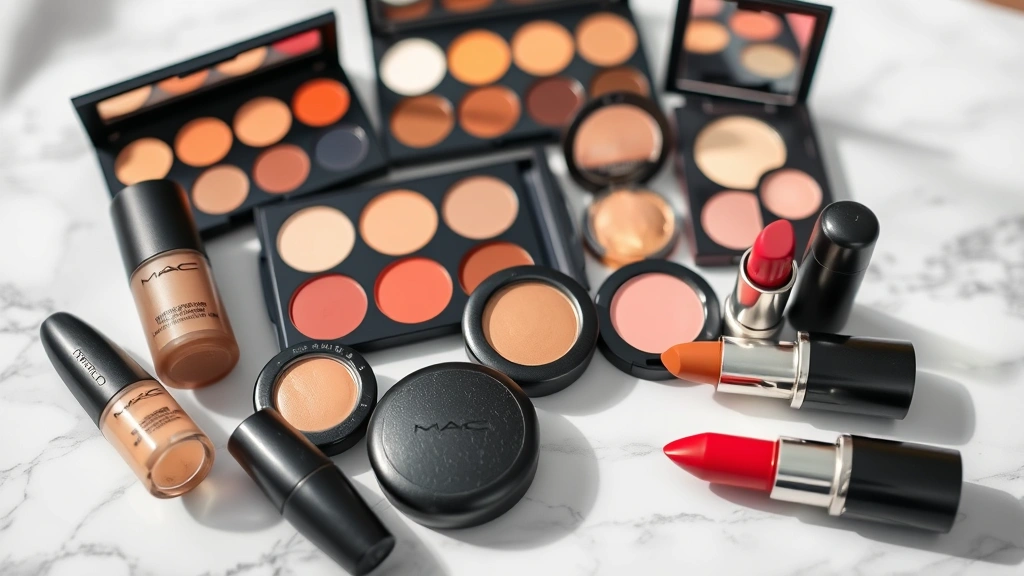
Professional bridal makeup relies on specific product categories and formulations designed for extended wear and challenging conditions. Understanding the differences between standard cosmetics and wedding-grade products ensures you select items that will perform optimally throughout your celebration.
Primers are non-negotiable for bridal makeup. A high-quality primer creates a barrier between skin and foundation, extending wear time significantly and preventing makeup from settling into fine lines or fading. Silicone-based primers work exceptionally well for oily skin types, while hydrating primers benefit dry or sensitive complexions. Apply primer to the entire face, focusing on the T-zone where makeup typically breaks down first.
Foundation selection for wedding cosmetics requires careful consideration of your skin type and the lighting conditions of your venue. Long-wearing formulas with waterproof properties are essential—look for foundations labeled as “transfer-resistant” or specifically designed for bridal applications. Full-coverage foundations provide the even base necessary for professional photography, though you should choose a shade that matches your skin perfectly, testing in natural light before committing. Many bridal specialists prefer liquid foundations applied with damp beauty sponges for seamless blending and buildable coverage.
Concealer serves multiple purposes in bridal makeup: covering blemishes, brightening under-eyes, and highlighting specific areas. Select a waterproof, long-wearing concealer one shade lighter than your foundation for under-eye application. For blemish coverage, choose a concealer that matches your skin tone exactly. Setting powders should be finely milled and translucent to avoid caking or creating an artificial appearance in photographs. Bridal specialists often recommend using powders sparingly, applying only where needed rather than across the entire face.
Eye makeup products for weddings must prioritize longevity. Waterproof mascara and eyeliner prevent smudging and running, essential if you become emotional during your ceremony. Eyeshadow palettes with long-wearing, pigmented formulas ensure color remains vibrant throughout the day. Many professionals prefer cream or liquid eyeshadows over powders for bridal applications, as they adhere better to the eyelid and resist creasing. Setting eyeshadow with a light dusting of translucent powder locks color in place.
Lip products for wedding cosmetics should balance color payoff with comfort and longevity. Long-wearing liquid lipsticks or stains provide color that doesn’t transfer to glasses or fade easily. However, many brides prefer traditional lipsticks paired with clear topcoats for a classic, polished appearance. Lip liners in shades matching your lipstick prevent feathering and extend wear time. Consider selecting a lip shade that photographs well under flash photography—warm, rosy tones typically photograph better than very cool or blue-based shades.
Application Techniques for Long-Lasting Bridal Makeup
The technique used to apply wedding cosmetics matters as much as the products themselves. Professional bridal makeup artists employ specific methods that maximize longevity and photogenic appeal.
Begin with a clean, moisturized face and allow skincare products to set for several minutes before applying primer. Apply primer in thin, even layers, working methodically across the face. Avoid using too much product, which can cause makeup to slip or appear heavy. Allow primer to dry completely—this typically takes 30 seconds to one minute—before moving to foundation application.
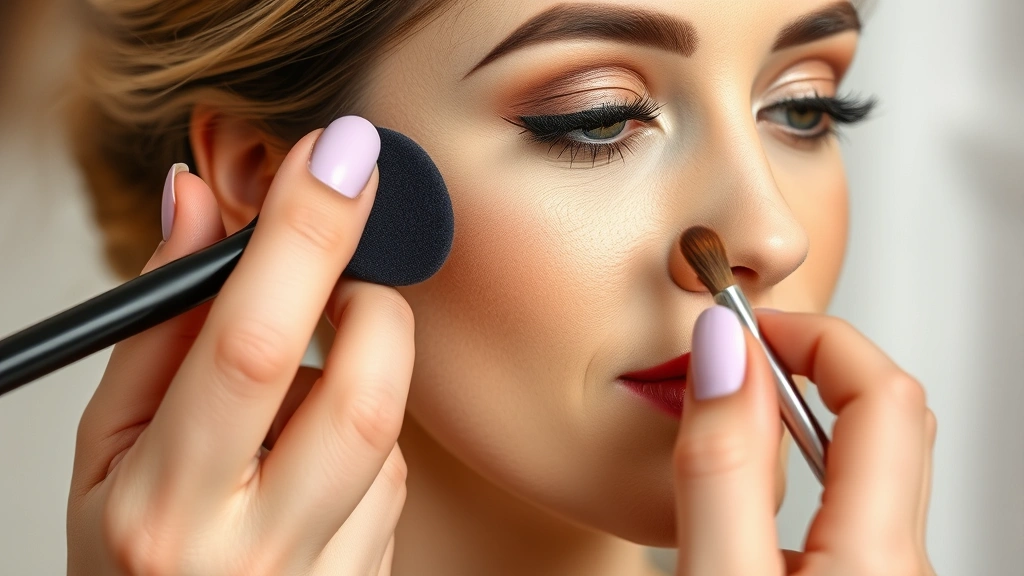
When applying foundation, use a damp beauty sponge to stipple product into skin rather than dragging or buffing. This technique creates better coverage and a more natural finish. Build coverage gradually, focusing on areas that need additional coverage rather than applying heavy foundation across the entire face. Set foundation with a light dusting of translucent powder, again using a stippling motion rather than sweeping brushes across the face.
Concealer application should happen after foundation setting. Apply concealer under the eyes in an inverted triangle shape, blending gently with a damp sponge. For blemish coverage, apply concealer directly to the blemish and gently blend edges. Set all concealer with powder to prevent creasing throughout the day.
Eye makeup application requires precision and consideration of your eye shape and desired look. Begin with eyeshadow primer on the eyelid to prevent creasing and extend color longevity. Apply eyeshadow using flat or fluffy brushes, depending on your technique. For bridal makeup, most specialists recommend neutral, soft eye palettes with shimmer or satin finishes that photograph beautifully under flash. Avoid matte eyeshadows alone, as they can appear flat in photographs.
Eyeliner application should account for eye shape and photography considerations. Tight-lining the upper lash line with waterproof eyeliner adds definition without appearing heavy. Many bridal specialists prefer creating a subtle wing or soft smudge rather than dramatic graphic lines for timeless bridal appeal. Apply eyeliner before mascara to prevent smudging.
Mascara application benefits from a two-step approach: apply one coat, allow it to dry, then apply a second coat for added volume and length. Waterproof formulas are essential for bridal makeup. Focus application on the upper lashes, applying only one coat to lower lashes to prevent smudging.
Blush placement should enhance cheekbones and create dimension. Apply blush to the apples of cheeks, blending upward toward temples. Choose shades that complement your skin tone and wedding dress color. Cream blushes often blend more seamlessly than powders, though powders offer longer wear time.
Skin Type Considerations for Wedding Day
Different skin types require tailored approaches to wedding cosmetics application and product selection. Understanding your specific skin needs ensures your makeup looks flawless throughout your celebration.
Oily skin presents unique challenges for wedding makeup, as excess sebum causes foundation breakdown and shine in photographs. If you have oily skin, prioritize mattifying primers and long-wearing, oil-control foundations. Use blotting papers throughout the day rather than reapplying powder, which can cake and appear heavy in photos. Many bridal specialists recommend setting makeup with translucent powder applied very lightly, focusing on the T-zone where oil production is typically heaviest.
For those with combination skin care, apply different products to different face zones. Use mattifying products on oily areas while using hydrating formulas on drier zones. This balanced approach prevents both shine and dryness, creating an even, photogenic appearance throughout the day. Combination skin brides should avoid heavy powders on dry areas while using them strategically on oily zones.
Dry skin requires hydrating primers and dewy-finish foundations that prevent makeup from appearing patchy or emphasizing dry patches. Avoid powder products or use them minimally, focusing application only on areas prone to shine. Cream-based blushes and eyeshadows work beautifully for dry skin, as they blend seamlessly and don’t accentuate texture. Throughout the day, use hydrating setting sprays rather than powders to maintain a luminous appearance.
Sensitive skin demands careful product selection and testing before your wedding day. If you have sensitive skin, review the skincare products for sensitive skin guide to identify ingredients that may cause reactions. Test all wedding cosmetics at least two weeks before your ceremony, applying them daily to ensure no irritation develops. Avoid products containing fragrance, essential oils, or known irritants. Consider hypoallergenic, dermatologist-tested formulations specifically designed for sensitive skin.
Acne-prone skin benefits from non-comedogenic wedding cosmetics that won’t exacerbate breakouts. Focus on proper cleansing and use salicylic acid treatments during your pre-wedding skincare phase to minimize active blemishes. When applying makeup, avoid excessive layering on blemished areas, which can trap bacteria and worsen breakouts. Use concealer strategically only where needed, keeping coverage minimal on active acne.
Photography and Lighting: Makeup Adjustments
Professional bridal specialists understand that makeup photographed under flash and professional lighting requires different approaches than everyday makeup. Wedding photography involves various lighting conditions throughout the day, from natural ceremony lighting to artificial reception lighting and professional flash photography.
Flash photography demands specific makeup considerations. Flash can wash out skin tone if foundation isn’t matched perfectly or if makeup is too light. Slightly warmer, more saturated makeup colors photograph better under flash than softer, neutral tones. Eyeshadow with shimmer or satin finishes reflects light beautifully in photos, while matte shadows can appear flat. Slightly more blush than you’d normally wear in person photographs naturally under flash. However, be cautious not to overdo blush, as excessive color appears unnatural in close-up photos.
Highlighter placement should be strategic for photogenic results. Apply highlighter to the high points of the face—cheekbones, brow bones, and the bridge of the nose—for dimension and radiance in photographs. Avoid applying highlighter to areas where you’d prefer less emphasis, as flash photography amplifies luminosity. Many bridal specialists recommend using subtle, finely-milled highlighters rather than dramatic, glittery products that can appear overwhelming in close-up photography.
Lip color selection should account for photography conditions. Cool, blue-based reds photograph darker than warm reds. Nude and rosy lip shades typically photograph beautifully across different skin tones and lighting conditions. Avoid very dark or very pale lip shades unless you’re certain they complement your skin tone and photograph well. Always test your chosen lip shade in natural light, artificial light, and under flash before your wedding day.
Eye makeup intensity should balance definition with photogenic appeal. While you want eyes to appear defined and awake in photos, extremely dramatic makeup can appear theatrical or overwhelming. Many bridal specialists recommend a balanced approach: defined eyes with neutral to warm eyeshadow tones, well-groomed brows, and waterproof mascara that photographs beautifully without appearing heavy.
Touch-Up Strategies Throughout the Day
Even the most perfectly applied bridal makeup requires touch-ups throughout your celebration. Professional strategies for maintenance ensure your makeup remains flawless from ceremony through the final dance.
Create a bridal emergency kit containing essential touch-up products: blotting papers, translucent powder, mascara, lip product, concealer, and a setting spray. Include a small mirror, tissues, and makeup brushes or sponges. Assign a trusted bridesmaid to manage this kit and assist with touch-ups, allowing you to focus on enjoying your day.
Blotting papers are your best friend for managing shine throughout the day. Rather than reapplying powder, which can cake makeup, use blotting papers to absorb excess oil. This technique maintains your makeup’s integrity while controlling shine in photos. Keep blotting papers in your clutch or have your bridesmaid carry them for quick touch-ups between events.
Mascara touch-ups may be necessary after emotional moments or if mascara appears to have transferred. Keep waterproof mascara in your emergency kit and apply a fresh coat if needed. Allow mascara to dry completely before moving close to others to prevent smudging.
Lip product application requires more frequent touch-ups than other makeup elements. Choose a long-wearing formula and carry your lip product throughout the day. Reapply after eating or drinking, always blotting excess product with a tissue first. Keep a lip liner in your kit to maintain lip shape if color fades.
Setting spray application throughout the day locks makeup in place and provides a fresh appearance. Spritz setting spray lightly over your face before events where you’ll be photographed or between major activities. Allow spray to dry completely before touching your face.
For evening events or receptions, consider a light touch-up of foundation and powder in areas where makeup has faded. Use a damp beauty sponge with minimal foundation rather than reapplying heavy coverage. This approach refreshes makeup without creating an unnatural appearance.
Professional makeup artists recommend scheduling makeup application on your wedding day at least 3-4 hours before your ceremony. This timing allows makeup to set properly and ensures you have the entire day ahead without worrying about reapplication timing. If applying makeup yourself, begin the process 2-3 hours before your ceremony to allow adequate setting time.
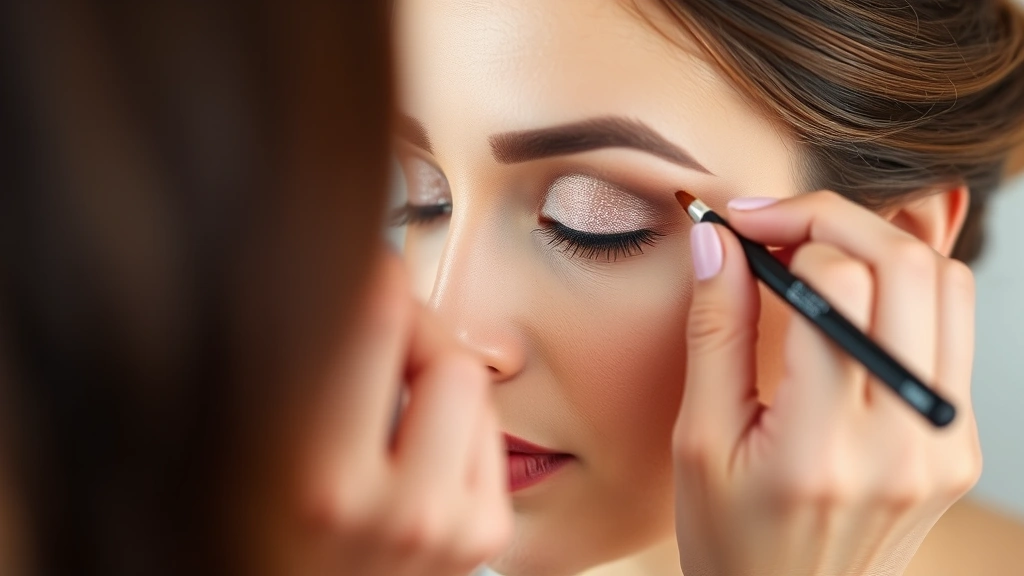
” alt=”Bridal makeup application showing primer, foundation, and concealer products being blended on a bride’s face with professional brushes and beauty sponges”/>
Understanding your specific skin type and pre-wedding skincare needs ensures your complexion provides the perfect canvas for wedding cosmetics. Facial massage benefits can enhance circulation and skin radiance during your pre-wedding preparation phase, promoting a natural glow that complements your makeup beautifully.
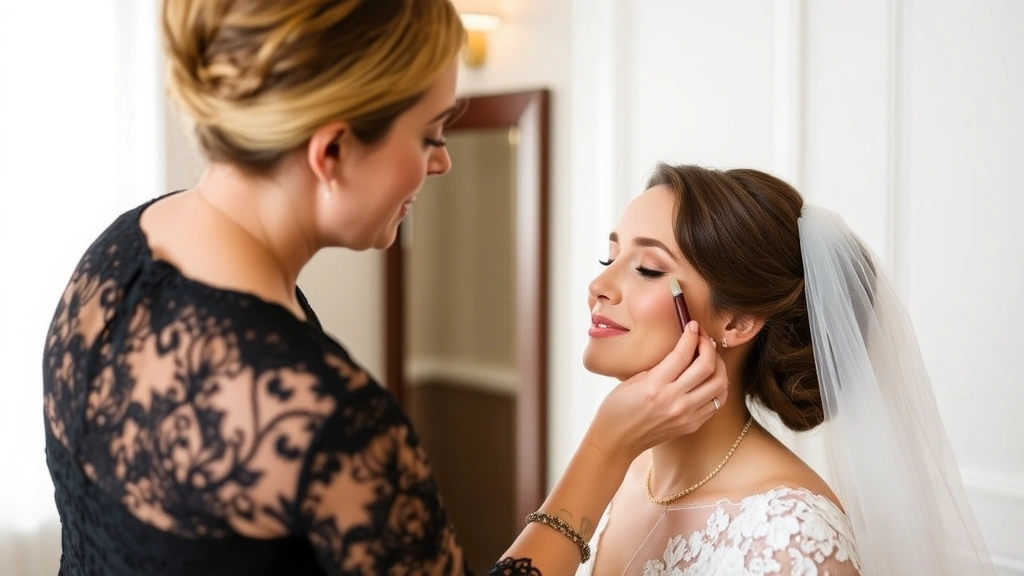
” alt=”Professional bridal makeup artist applying eyeshadow and eyeliner with precision brushes, focusing on eye definition and color blending for wedding cosmetics”/>
FAQ
How far in advance should I book a bridal makeup artist?
Professional bridal makeup artists typically book 6-12 months in advance, especially for popular wedding seasons. If you’re planning a wedding within three months, contact artists immediately as availability becomes limited. Always schedule a trial appointment before your wedding day to ensure you’re comfortable with the artist’s style and that your makeup meets your expectations.
What’s the best way to prepare my skin for wedding makeup?
Begin skincare preparation 4-6 weeks before your wedding. Establish a consistent routine addressing your specific skin type, use targeted treatments for any concerns, and avoid introducing new products within three weeks of your wedding. Maintain hydration, use sunscreen daily, and consider professional facials 1-2 weeks before your ceremony for optimal skin texture and radiance.
Can I do my own wedding makeup, or should I hire a professional?
While many brides successfully apply their own makeup, professional bridal makeup artists offer advantages including experience with wedding day challenges, knowledge of photography-friendly techniques, and the ability to create flawless makeup while you remain calm and relaxed. Consider your comfort level with makeup application, the complexity of your desired look, and photography importance when making this decision.
How do I prevent makeup from melting in hot weather or outdoor ceremonies?
Use waterproof products throughout your entire makeup application, including primer, foundation, concealer, eyeliner, and mascara. Apply setting spray after completing your makeup and keep setting spray in your emergency kit for touch-ups. Avoid heavy powder application, which can cake in heat. Choose long-wearing, transfer-resistant formulas specifically designed for challenging conditions.
What makeup style photographs best for weddings?
Slightly more saturated, warm-toned makeup photographs better under flash than very pale or cool-toned makeup. Define eyes with eyeshadow and mascara rather than heavy eyeliner alone. Enhance cheekbones with blush, use subtle highlighter for dimension, and choose lip shades that complement your skin tone. Avoid extremely dramatic makeup unless it aligns with your personal style and wedding aesthetic.
Should my bridal makeup match my wedding dress style?
Your makeup should complement your wedding dress and overall aesthetic while reflecting your personal style. Classic dresses pair beautifully with timeless makeup, while modern or unconventional dresses may warrant more creative makeup approaches. Consider your dress color, neckline, and overall wedding theme when selecting makeup tones and intensity, but prioritize a look you’ll feel confident wearing throughout your celebration.
For additional skincare and beauty information, visit our beauty and skincare blog for comprehensive guides on maintaining healthy, glowing skin.
What external resources can help me learn more about professional makeup techniques?
The American Academy of Dermatology provides evidence-based skincare information. The Beauty Scholars offers professional makeup education and certification. The Society of Cosmetic Chemists provides ingredient and formulation information. Vogue Beauty features professional makeup artist tips and wedding beauty trends. The Dermstore offers detailed product reviews and skincare expert recommendations.