Wheat-Free Makeup? Expert Recommendations for Sensitive Skin
The beauty industry has undergone a significant transformation in recent years, with consumers increasingly demanding transparency about ingredients and their potential effects on skin health. One emerging concern that has gained considerable attention is the presence of wheat and wheat-derived ingredients in cosmetic formulations. For individuals with celiac disease, wheat allergies, or non-celiac gluten sensitivity, selecting appropriate makeup products becomes more than just a cosmetic choice—it becomes a health imperative. Understanding which products contain wheat derivatives and how to identify truly wheat-free cosmetics is essential for maintaining both skin integrity and overall wellness.
Wheat is not typically a primary ingredient in makeup formulations, but it appears frequently in the form of wheat germ oil, wheat bran extract, wheat protein, and wheat starch. These ingredients are valued by formulators for their emollient properties, skin-conditioning benefits, and natural origins. However, they can trigger adverse reactions in sensitive individuals and may contain trace amounts of gluten that pose risks for those with celiac disease. This comprehensive guide explores the landscape of wheat-free cosmetics, identifies common culprits, and provides expert recommendations for selecting safe, effective makeup products.
Understanding Wheat in Cosmetics: Why It Matters
Wheat derivatives have become increasingly popular in the beauty industry due to their multifunctional properties and natural appeal. Cosmetic chemists appreciate wheat-derived ingredients because they offer moisturizing benefits, improve texture, and provide antioxidant protection. However, the prevalence of these ingredients means that individuals avoiding wheat must become vigilant consumers. The presence of wheat in cosmetics presents a unique challenge because unlike food labeling, cosmetic ingredient disclosure doesn’t always explicitly state the source of certain compounds.
According to the FDA’s cosmetic ingredient guidelines, manufacturers must list all ingredients on product labels, but they may use trade names or INCI (International Nomenclature of Cosmetic Ingredients) names that don’t immediately reveal wheat content. This means a product might contain wheat protein under a scientific designation that isn’t immediately recognizable to consumers. For individuals with celiac disease or wheat allergies, this lack of transparency can be dangerous, making it essential to understand the various names under which wheat ingredients hide in formulations.
The concern extends beyond simple allergic reactions. Some individuals experience contact dermatitis or skin sensitivity when wheat-derived ingredients come into contact with their skin, particularly around sensitive areas like the eye contour or lips. Additionally, those with compromised skin barriers may find that wheat proteins trigger inflammation or exacerbate existing conditions like rosacea or eczema.
Why Wheat-Free Matters for Your Skin
The decision to choose wheat-free cosmetics isn’t merely about avoiding allergens—it’s about optimizing your skincare and makeup routine for your specific needs. Individuals with wheat sensitivity experience a range of reactions when exposed to wheat-derived cosmetic ingredients. These reactions can manifest as redness, itching, swelling, or in severe cases, systemic allergic responses if the product is applied to broken or compromised skin.
For those with celiac disease, the concern is even more serious. While the FDA doesn’t require cosmetic companies to label products as gluten-free, and while the skin barrier typically prevents systemic absorption of gluten, there remains a theoretical risk when products are used near the mouth or on broken skin. Many individuals with celiac disease choose to err on the side of caution by selecting wheat-free and gluten-free cosmetics, particularly for lip products that may be ingested inadvertently.
Beyond allergy considerations, wheat-free formulations often indicate a commitment to cleaner beauty standards. Brands that specifically formulate without wheat derivatives often simultaneously avoid other common irritants and allergens, creating products that are gentler for sensitive skin overall. This approach aligns with contemporary skincare philosophy that emphasizes simplicity and ingredient transparency. When you invest in skincare products with ceramides and other skin-barrier-supporting ingredients, pairing them with wheat-free makeup ensures you’re not inadvertently introducing irritants that could compromise your efforts.
Common Wheat Derivatives in Makeup Products
Understanding the various forms wheat takes in cosmetic formulations is crucial for effective label reading. The most common wheat-derived ingredients found in makeup include:
- Wheat Germ Oil: An emollient rich in vitamin E, commonly found in foundations, moisturizing primers, and highlighters. It provides a luminous finish and conditioning benefits but can trigger reactions in wheat-sensitive individuals.
- Wheat Protein: Used as a film-forming and conditioning agent, particularly in mascaras, eyeshadows, and setting sprays. It’s often listed as “hydrolyzed wheat protein” on ingredient labels.
- Wheat Bran Extract: An antioxidant ingredient used in primers and foundations for its skin-conditioning properties and ability to improve product stability.
- Wheat Starch: A texture-modifying ingredient that absorbs oil and improves powder consistency in foundations, pressed powders, and setting powders.
- Triticum Vulgare (Wheat) Oil: The INCI name for wheat germ oil, sometimes used interchangeably in product formulations.
- Secale Cereale (Rye) and Hordeum Vulgare (Barley): Related grains that may cross-react in individuals with wheat sensitivity and appear in some natural and organic makeup lines.
These ingredients are particularly prevalent in products marketed as “natural” or “organic,” as formulators often choose plant-derived alternatives to synthetic compounds. This means that consumers seeking natural beauty solutions must be especially cautious about wheat content. Checking the INCIDecoder database or consulting with brand customer service representatives can help identify wheat-derived ingredients before purchase.
Reading Labels Like a Pro: Identification Strategies
Developing expertise in reading cosmetic labels is your first line of defense against unwanted wheat exposure. The ingredient list on cosmetic products is arranged in descending order of concentration, meaning ingredients listed first are present in higher quantities. However, even trace amounts of wheat derivatives can trigger reactions in sensitive individuals, so presence matters more than concentration.
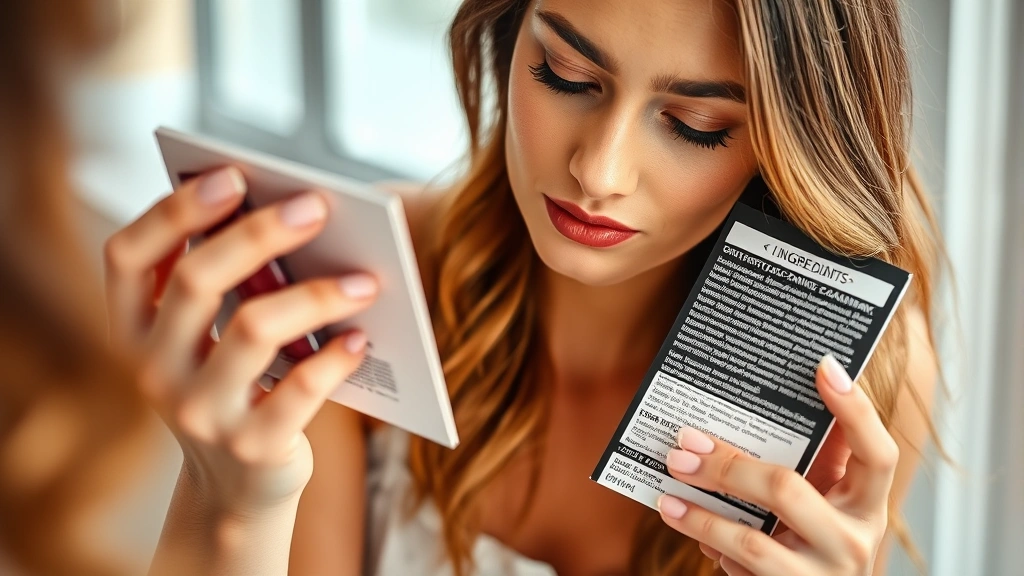
Begin by familiarizing yourself with the INCI names of common wheat derivatives. When examining a product, scan the entire ingredient list for any mention of wheat, triticum, secale, or hordeum. Many companies now include allergen warnings on packaging, though this is not required by law. If a product doesn’t explicitly state “wheat-free,” you should contact the manufacturer directly to confirm the absence of wheat-derived ingredients.
Cross-contamination is another consideration. Some facilities process multiple products, and even if a specific makeup item doesn’t contain wheat ingredients, it may have been manufactured in a facility that also processes wheat products. For individuals with severe allergies, seeking products manufactured in dedicated wheat-free facilities provides additional peace of mind. Many indie beauty brands and specialized companies cater specifically to consumers with allergen concerns and maintain rigorous separation protocols.
Another strategy involves identifying brands that have obtained third-party certifications. Organizations like the Allergen Bureau and various gluten-free certification bodies test products and verify their claims. While not all wheat-free products carry formal certification, those that do provide documented assurance of safety.
Expert-Recommended Wheat-Free Makeup Brands
Numerous brands have recognized the demand for wheat-free cosmetics and have formulated comprehensive makeup lines that cater to sensitive consumers. Dermatologists and cosmetic chemists recommend several options that combine safety with quality performance:
- Physicians Formula: Known for hypoallergenic formulations, many of their foundations, powders, and mascaras are wheat-free. Their transparency about ingredient sourcing makes them a reliable choice for sensitive skin.
- Bare Minerals: Their mineral-based makeup line utilizes natural minerals rather than wheat-derived texture modifiers, making most products suitable for wheat-free routines.
- Almay: Specializing in hypoallergenic formulations, Almay explicitly avoids common allergens including wheat in many of their products.
- Clinique: As a dermatologist-tested brand, Clinique maintains strict formulation standards and offers numerous wheat-free options across their makeup line.
- Indie Brands: Companies like RMS Beauty and Kjaer Weis prioritize clean, simple formulations that naturally exclude wheat derivatives.
When selecting products from any brand, verification remains essential. Even brands with strong reputations for clean formulations may introduce wheat-derived ingredients in specific products. Always review the complete ingredient list or contact customer service to confirm wheat-free status before purchase.
Building Your Wheat-Free Makeup Collection
Creating a comprehensive wheat-free makeup collection requires thoughtful selection across different product categories. Begin with foundation, as this is typically the product applied in the largest quantity and covering the most skin area. Look for foundations that use mineral pigments or synthetic texture modifiers rather than wheat starch or wheat bran extract. Liquid foundations often prove easier to source in wheat-free formulations than powders, though quality powder options exist from reputable brands.
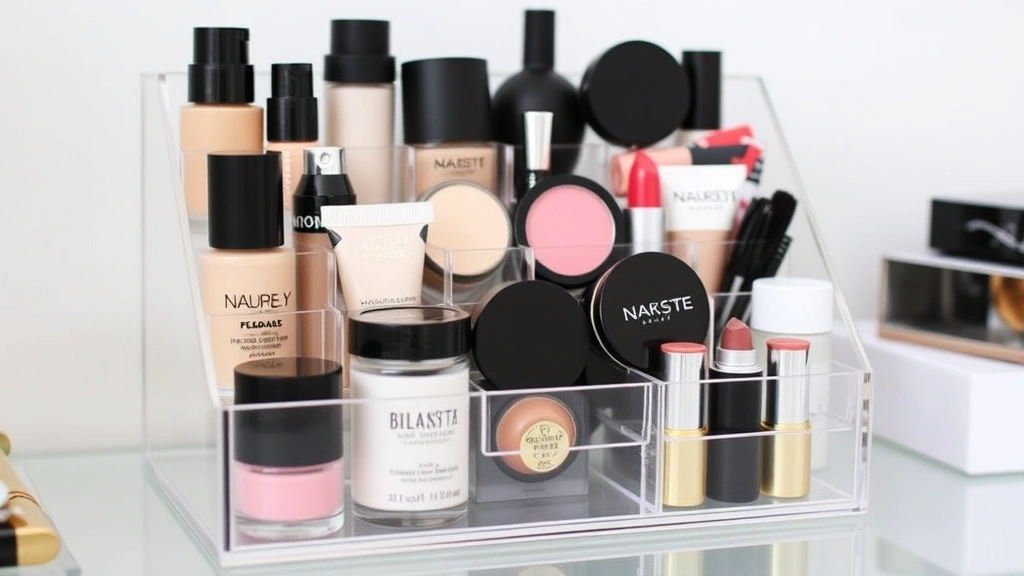
For eye makeup, select mascaras and eyeshadows specifically verified as wheat-free. Many mascaras use wheat protein as a conditioning agent, so this category requires particular attention. Similarly, eyeshadow palettes may contain wheat starch for texture, making individual shade verification necessary. Consider investing in a cosmetic organizer box to keep your wheat-free products clearly separated and easily identifiable, preventing accidental use of non-compliant products.
Blush and bronzer products often contain wheat-derived ingredients as anti-caking agents. Seek products formulated with silica, talc (if comfortable with this ingredient), or other mineral-based texture modifiers. For lip products, wheat-free formulations are particularly important due to the potential for ingestion. Lipsticks, lip glosses, and lip balms should be carefully vetted, as many contain wheat oil or wheat protein.
Primers and setting sprays frequently incorporate wheat protein, so these categories warrant special attention. Many newer formulations use alternative film-forming agents like silicones or plant-derived alternatives that don’t trigger wheat sensitivity. Building your collection gradually, with careful verification of each product, ensures you develop a cohesive makeup routine free from wheat exposure.
Storage and Organization Tips for Wheat-Free Cosmetics
Once you’ve invested time and resources in building a wheat-free makeup collection, proper storage becomes essential to maintain product integrity and prevent cross-contamination. Consider using a dedicated personalized cosmetic bag for your wheat-free products, clearly labeled so that others in your household understand which products are reserved for your use. This prevents accidental sharing and potential exposure to non-compliant products.
Temperature and humidity significantly affect makeup stability and safety. Store products in a cool, dry location away from direct sunlight, which can degrade ingredients and potentially create conditions where contamination could occur. For products you use frequently, keeping them in an accessible location makes sense, but for backups or seasonal products, consider utilizing a cosmetic refrigerator to extend shelf life and maintain optimal storage conditions.
Establishing a system for tracking product expiration dates prevents the use of compromised products that could trigger reactions. Makeup typically expires within 6-12 months after opening, depending on the product type and storage conditions. For wheat-free products, which often contain fewer preservatives than conventional makeup, adhering to expiration dates becomes even more critical.
If you share bathroom space with others, clearly marking your wheat-free products prevents accidental contamination. Use color-coded labels or storage containers that make your products visually distinct. Additionally, consider maintaining a list of your verified wheat-free products, including shade numbers and batch codes, which can be helpful when repurchasing or recommending products to others with similar needs.
For those following comprehensive allergen-free routines, integrating wheat-free makeup with complementary skincare products enhances overall safety. Pairing wheat-free foundations with skincare products with green tea cosmetic benefits creates a synergistic approach to skin health, as these products often share the clean formulation philosophy that drives wheat-free cosmetic development.
Professional Guidance and Testing Recommendations
For individuals with severe wheat allergies or celiac disease, consulting with a dermatologist before establishing a new makeup routine provides valuable assurance. Dermatologists can perform patch tests with specific products to identify potential reactions before they occur on visible skin areas. This professional guidance proves particularly valuable when transitioning from conventional to wheat-free makeup, as it establishes a baseline for understanding your skin’s specific sensitivities.
Many dermatologists maintain lists of wheat-free product recommendations and can connect patients with brands that meet strict safety standards. Additionally, allergists can provide comprehensive testing to confirm wheat sensitivity and guide product selection decisions. This professional partnership ensures that your wheat-free makeup choices align with your overall health management strategy.
For those in the early stages of diagnosis or uncertain about their specific triggers, maintaining a product diary alongside a symptom log helps identify patterns. Recording which products you use on specific days and noting any skin reactions helps narrow down problematic ingredients and validates your choices in future selections.
FAQ
Are all wheat-free cosmetics gluten-free?
Not necessarily. While wheat-free products don’t contain wheat-derived ingredients, they may still contain other gluten sources like barley or rye. Individuals with celiac disease should specifically seek gluten-free certified products rather than assuming wheat-free equals gluten-free.
Can wheat in makeup be absorbed through the skin?
The skin barrier typically prevents significant absorption of large protein molecules like wheat protein. However, reactions can occur on the skin surface, and ingestion of wheat-containing lip products poses a risk for those with celiac disease or wheat allergies.
Why is wheat used in cosmetics if it causes problems?
Wheat-derived ingredients offer legitimate cosmetic benefits including moisturization, texture improvement, and antioxidant protection. They’re cost-effective and considered natural, making them attractive to formulators. However, their prevalence means sensitive consumers must seek alternatives.
How do I know if a brand is truly wheat-free?
Contact the brand directly and ask for written confirmation of wheat-free status. Request information about their manufacturing facilities and whether they process wheat products. Third-party certifications provide additional assurance.
Are natural and organic makeup brands more likely to be wheat-free?
Counterintuitively, natural and organic brands often contain more wheat derivatives because formulators prefer plant-based ingredients. Always verify individually rather than assuming natural means wheat-free.
Can I use regular makeup if I have a wheat allergy?
This depends on the severity of your allergy. For mild sensitivities affecting only skin contact areas, regular makeup might be tolerable. However, those with severe allergies or celiac disease should exclusively use verified wheat-free products.
What should I do if I experience a reaction to makeup?
Immediately discontinue use of the product and rinse the affected area thoroughly with cool water. If the reaction is severe or affects breathing or throat, seek emergency medical attention. For mild reactions, consult a dermatologist to identify the specific trigger ingredient.