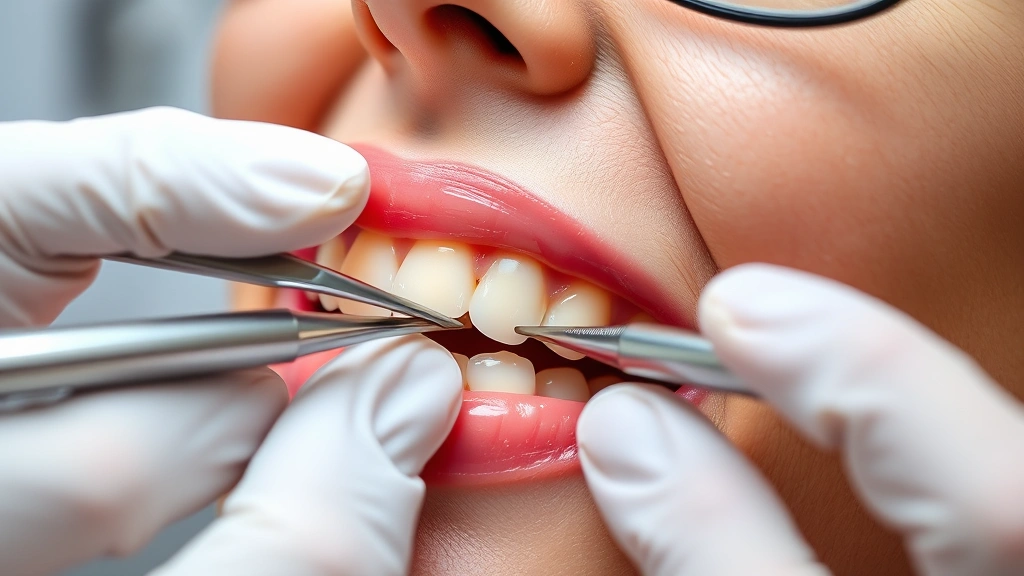
Cosmetic Bonding Teeth: Dentist’s Insight
Cosmetic bonding teeth has emerged as one of the most accessible and cost-effective solutions for transforming your smile. Whether you’re dealing with chipped enamel, gaps between teeth, or discoloration that resists whitening treatments, dental bonding offers a minimally invasive approach to aesthetic improvement. Unlike veneers or crowns that require significant tooth reduction, bonding preserves your natural tooth structure while delivering impressive cosmetic results that can be completed in a single appointment.
The procedure involves applying a tooth-colored composite resin directly to the tooth surface, sculpting it to match your desired shape, and hardening it with a special light. This dental innovation has revolutionized smile makeovers for patients seeking quick, affordable alternatives to more invasive procedures. Understanding the science behind cosmetic bonding teeth, the candidate criteria, and proper maintenance ensures you make an informed decision about whether this treatment aligns with your dental goals and lifestyle.
What is Cosmetic Bonding?
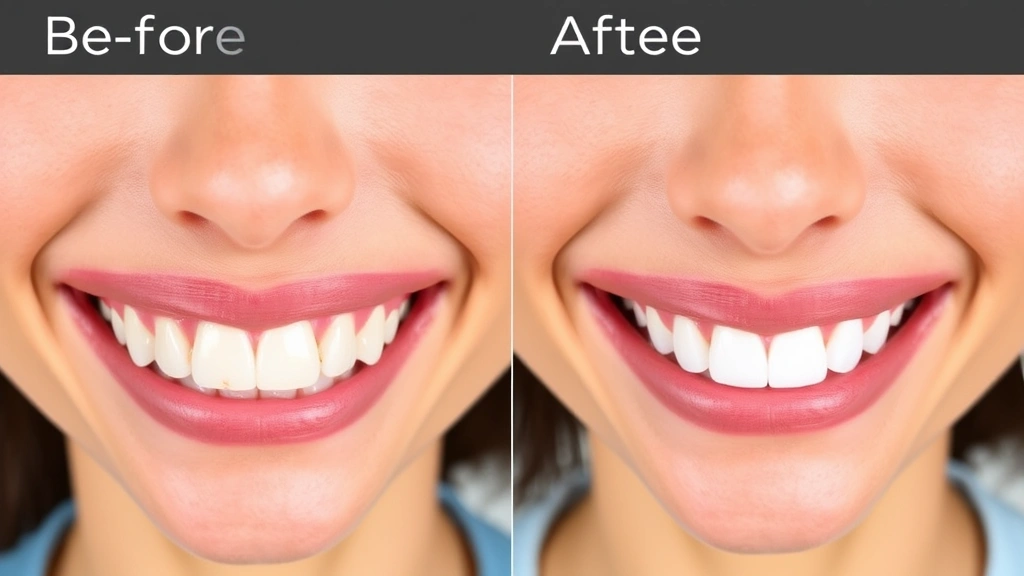
Cosmetic bonding teeth represents a straightforward yet effective cosmetic dentistry technique that addresses various aesthetic concerns without aggressive tooth preparation. The procedure utilizes composite resin—a tooth-colored material composed of plastic and glass particles—that adheres directly to your natural tooth surface. This resin can be shaped, contoured, and polished to seamlessly blend with surrounding teeth, creating natural-looking results that enhance your overall smile appearance.
The composite materials used in modern cosmetic bonding have evolved significantly, offering superior shade matching, durability, and aesthetic appeal compared to earlier formulations. These materials come in multiple shades and translucency levels, allowing dentists to customize the appearance for each individual patient. The resin’s ability to bond chemically with tooth structure makes it an ideal choice for patients seeking cosmetic improvements without the commitment and expense of more invasive procedures.
Unlike traditional amalgam fillings that contain mercury and appear silver or gray, bonded composite materials maintain a natural tooth appearance while providing functional and aesthetic benefits. The versatility of cosmetic bonding teeth makes it suitable for addressing chipped edges, closing small gaps, reshaping teeth, covering stains, and even lengthening teeth that appear too short due to wear or gum recession.
Ideal Candidates for Bonding
Not every patient is an ideal candidate for cosmetic bonding teeth, though the procedure accommodates a wide range of dental concerns. The best candidates have relatively healthy teeth with minimal decay, good oral hygiene habits, and realistic expectations about the procedure’s limitations. If you’re looking to address minor cosmetic flaws rather than major structural issues, bonding may be your perfect solution.
Patients with the following concerns typically benefit most from cosmetic bonding:
- Chipped or broken teeth: Bonding restores the natural tooth shape and prevents further damage
- Small gaps between teeth: The resin can be applied to close minor spacing issues without orthodontic treatment
- Discolored or stained teeth: Bonding covers stubborn stains that don’t respond to whitening treatments
- Misshaped teeth: The procedure reshapes teeth that appear too small, pointed, or irregular
- Exposed tooth roots: Bonding covers root surfaces exposed by gum recession, protecting sensitive areas
- Shortened teeth: Resin application lengthens teeth worn down by grinding or aging
However, patients with large cavities, significant bite problems, severe crowding, or a history of teeth grinding may require alternative treatments. Those who bite their nails, chew ice, or have habits that could damage the bonded material should discuss these concerns with their dentist before proceeding. Additionally, if you have a high-visibility bite where bonded teeth receive substantial chewing force, more durable options like porcelain veneers or crowns might be recommended.
The Bonding Procedure Explained
Understanding the cosmetic bonding teeth procedure helps you know what to expect during your appointment. Most bonding treatments require only local anesthesia if tooth preparation is necessary, though many patients find the procedure comfortable without numbing. The entire process typically takes 30 minutes to one hour per tooth, making it an efficient cosmetic solution.
Step One: Shade Selection
Your dentist begins by selecting the perfect composite shade that matches your natural teeth or achieves your desired whitening level. Modern shade guides include multiple opacity levels and undertones, ensuring seamless blending with surrounding tooth structure. This selection process is crucial for achieving natural-looking results that don’t appear artificial or obviously bonded.
Step Two: Tooth Preparation
The tooth surface is gently roughened using a mild abrasive to increase surface area for resin adhesion. In most cases, minimal tooth structure is removed—one of the primary advantages of bonding compared to veneers or crowns. Your dentist may apply a bonding agent (primer) that chemically prepares the tooth surface for optimal resin attachment.
Step Three: Resin Application
The composite resin is carefully applied to the tooth surface in layers. Your dentist sculpts and shapes the material to match your natural tooth contours and achieve your desired aesthetic goals. This artistic phase requires skill and experience to ensure the bonded tooth looks natural and functions properly within your bite.
Step Four: Light Hardening
A special blue light (usually LED) hardens each layer of composite resin through a process called photopolymerization. This light activation allows the dentist to build up the material gradually, creating precise contours and natural-looking transitions between the bonded and natural tooth surfaces.
Step Five: Finishing and Polishing
Once the resin has been shaped and hardened, your dentist refines the bonded tooth using various polishing instruments and techniques. The surface is smoothed, contoured to match your bite, and polished to achieve a natural luster that matches your existing teeth. Your dentist verifies your bite is comfortable and checks that no adjustments are needed.
Advantages of Cosmetic Bonding Teeth
Cosmetic bonding teeth offers numerous advantages that explain its continued popularity among patients and dentists alike. The procedure’s accessibility, affordability, and immediate results make it an attractive option for smile enhancement.
Conservative Tooth Preparation
Unlike porcelain veneers or crowns that require significant tooth reduction, bonding preserves your natural tooth structure. This conservative approach means you maintain more of your original tooth and avoid potential future complications associated with tooth reduction. Your dentist removes only the minimal amount of tooth surface necessary to ensure proper resin adhesion.
Single-Appointment Completion
Most cosmetic bonding teeth procedures are completed in one dental visit, making it ideal for patients with busy schedules. You can address your cosmetic concerns and leave with your improved smile the same day, without waiting for laboratory fabrication or multiple appointments.
Cost-Effective Solution
Bonding is significantly less expensive than porcelain veneers, crowns, or orthodontic treatment. This affordability makes cosmetic dentistry accessible to patients with budget constraints while still delivering noticeable smile improvements. Many dental insurance plans offer partial coverage for bonding when it’s used to repair teeth rather than purely for cosmetic enhancement.
Reversibility and Adjustability
Unlike veneers or crowns, bonded resin can be removed, adjusted, or replaced without permanent tooth damage. If you’re not completely satisfied with the results or want changes in the future, your dentist can easily modify the bonding. This flexibility provides peace of mind for patients considering cosmetic procedures.
Natural Appearance
Modern composite resins closely mimic natural tooth color, translucency, and texture. When applied by an experienced cosmetic dentist, bonding results appear natural and blend seamlessly with surrounding teeth. The material can be customized to match your specific tooth characteristics, including subtle color variations and surface texture.
Longevity and Durability
The lifespan of cosmetic bonding teeth depends on several factors, including the quality of materials used, the dentist’s application technique, and your oral habits. Most bonded teeth maintain their appearance and function for 5 to 10 years, though some last considerably longer with excellent care.
Factors Affecting Durability
Composite resins are durable but not as hard as natural tooth enamel or porcelain. The bonded material can chip, crack, or develop discoloration over time, particularly if exposed to significant chewing force or staining substances. Patients who grind their teeth, bite their nails, chew ice, or use their teeth as tools risk premature bonding failure.
Staining and Color Changes
While modern composite resins resist staining better than older formulations, they can gradually absorb pigments from coffee, tea, red wine, tobacco, and other staining substances. The bonded area may discolor at a different rate than your natural teeth, becoming increasingly noticeable over time. Regular professional cleaning and limiting exposure to staining substances helps maintain the bonding’s appearance.
Replacement and Repair
When bonding begins to deteriorate, your dentist can repair or replace it relatively easily and inexpensively. Repair typically involves removing the damaged portion and applying fresh composite resin, often without anesthesia. This easy maintenance makes bonding an attractive long-term cosmetic solution despite its finite lifespan.
Maintenance and Care
Proper care and maintenance significantly extend the longevity of your cosmetic bonding teeth and keep your smile looking beautiful. Following these guidelines helps protect your investment and prevents premature bonding failure.
Oral Hygiene Practices
Maintain excellent oral hygiene by brushing twice daily with a soft-bristled toothbrush and fluoride toothpaste. Use gentle circular motions rather than aggressive scrubbing, which can damage the bonded surface. Floss daily, being careful around bonded teeth, and consider using a water flosser if traditional floss catches on the edges of the bonding.
Dietary Considerations
Limit consumption of staining substances including coffee, tea, red wine, dark sodas, berries, and tobacco products. If you do consume these items, rinse your mouth with water afterward and wait 30 minutes before brushing to avoid damaging the bonded surface. Avoid extremely hard foods like nuts, hard candy, ice, and unpopped popcorn kernels that could chip the resin.
Protective Measures
If you grind your teeth at night, wear a custom night guard to protect your bonding from excessive force. Avoid using your teeth as tools to open packages, remove caps, or hold objects. Consider a sports mouthguard if you participate in contact sports or activities with injury risk.
Regular Dental Checkups
Visit your dentist every six months for professional cleanings and examinations. Your dentist can identify early signs of bonding deterioration and address concerns before they become significant problems. Professional polishing removes surface stains and keeps your bonding looking fresh and natural.
Bonding vs. Other Cosmetic Options
Understanding how cosmetic bonding teeth compares to other smile enhancement options helps you choose the best treatment for your specific needs and circumstances.
Bonding vs. Porcelain Veneers
Porcelain veneers offer superior durability, stain resistance, and longevity compared to composite bonding, lasting 10 to 15 years or longer. However, veneers require more aggressive tooth preparation, are significantly more expensive, and cannot be easily reversed. Veneers are ideal for patients seeking dramatic smile transformations and willing to invest in premium cosmetic dentistry. Bonding works better for patients with minor cosmetic concerns and limited budgets.
Bonding vs. Teeth Whitening
Professional teeth whitening addresses discoloration but cannot repair chipped teeth, close gaps, or reshape teeth. Whitening is often performed alongside bonding to achieve optimal shade matching and overall smile improvement. While whitening is less expensive than bonding, it offers more limited cosmetic benefits.
Bonding vs. Dental Crowns
Crowns provide maximum durability and can address significant structural damage, but require substantial tooth reduction and are much more expensive than bonding. Crowns are recommended for heavily damaged teeth, root canal-treated teeth, or teeth with large cavities. Bonding is preferable for minor cosmetic concerns on otherwise healthy teeth.
Bonding vs. Orthodontics
Orthodontic treatment repositions teeth to close gaps and correct alignment but requires months or years of treatment. Bonding can close small gaps quickly and affordably but doesn’t address significant spacing or bite problems. For minor gaps, bonding offers immediate results, while orthodontics is necessary for comprehensive bite correction.
Many patients benefit from combining cosmetic bonding teeth with other treatments. For example, professional whitening followed by bonding to address chips and gaps creates comprehensive smile enhancement. Your dentist can recommend the optimal treatment combination for your specific concerns and goals.
When considering your smile enhancement options, factor in your budget, timeline, desired results, and long-term maintenance preferences. Cosmetic bonding teeth remains an excellent choice for patients seeking accessible, reversible, and natural-looking cosmetic improvements. The procedure’s versatility, affordability, and immediate results make it a cornerstone of modern cosmetic dentistry.
FAQ
How long does cosmetic bonding teeth last?
Most cosmetic bonding teeth last between 5 to 10 years with proper care, though some bonding may last longer. The lifespan depends on the materials used, your oral habits, and how well you maintain the bonding. Regular dental checkups and avoiding hard foods or teeth grinding help extend durability.
Is cosmetic bonding teeth painful?
Cosmetic bonding teeth is generally painless. Most procedures don’t require anesthesia, though your dentist may apply numbing if tooth preparation is necessary. You may feel slight vibration or pressure during the procedure, but not pain. If you have sensitive teeth, discuss this with your dentist beforehand.
Can bonding stain?
Yes, composite resin can gradually absorb pigments from staining substances like coffee, tea, and red wine. While modern materials resist staining better than older formulations, the bonded area may eventually discolor. Limiting staining substance exposure and regular professional cleaning help prevent visible discoloration.
Is bonding as strong as natural teeth?
Composite resin is durable but not as hard as natural tooth enamel. While bonding withstands normal chewing forces, it’s more susceptible to chipping and cracking than natural teeth. Avoiding hard foods and protective habits helps prevent bonding damage.
Can bonding be whitened?
Composite resin doesn’t respond to teeth whitening treatments. If you want to whiten your teeth, do so before bonding to ensure the resin matches your desired shade. After bonding, whitening treatments won’t lighten the bonded area, potentially creating shade mismatches.
What’s the cost of cosmetic bonding teeth?
Cosmetic bonding typically costs between $300 to $600 per tooth, making it significantly less expensive than veneers or crowns. Some dental insurance covers bonding when performed for restorative purposes rather than purely cosmetic reasons. Check with your insurance provider about coverage options.