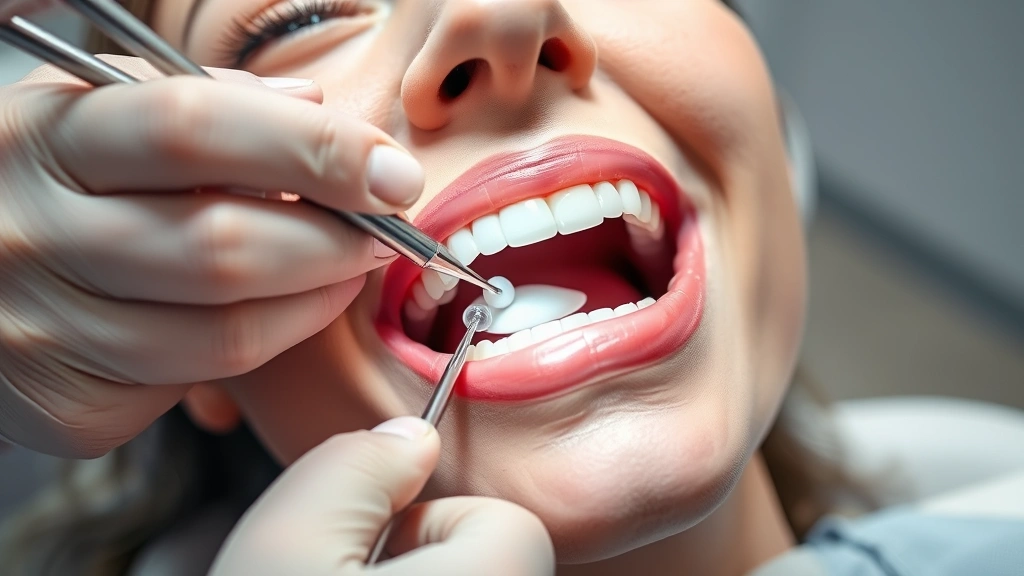
Cosmetic bonding for teeth represents one of the most accessible and transformative dental procedures available today. Unlike more invasive treatments, bonding uses tooth-colored composite resin to reshape, repair, and enhance your smile in a single appointment. Whether you’re addressing a chipped tooth, closing gaps, or correcting discoloration, understanding the science and application of cosmetic bonding can help you make informed decisions about your dental health and overall appearance.
As someone who understands the connection between oral aesthetics and confident self-presentation, I recognize that your smile is as important as the skincare routine you maintain. Just as we carefully select ingredients like hyaluronic acid for skin hydration, dentists select premium composite materials for cosmetic bonding that bond seamlessly with your natural tooth structure. This guide explores the complete process, benefits, and considerations of cosmetic bonding from a dental professional’s perspective.
What Is Cosmetic Bonding?
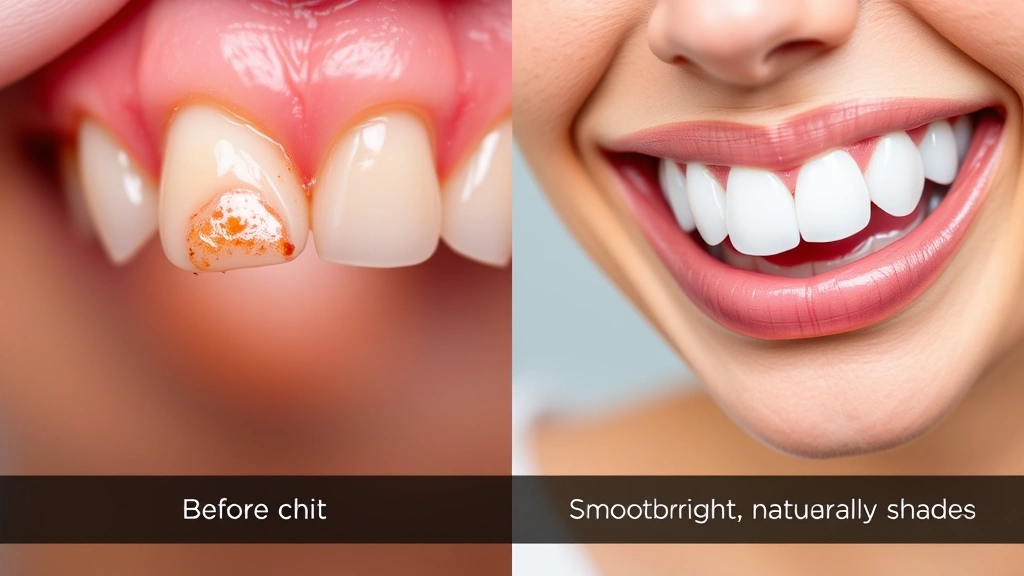
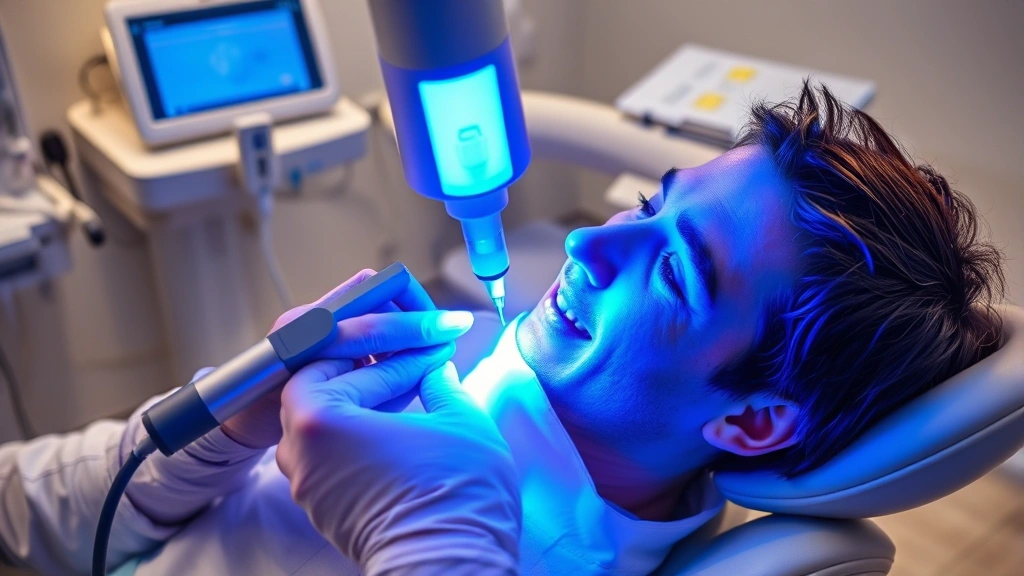
Cosmetic bonding involves applying a tooth-colored composite resin material directly to your tooth surface. This resin is carefully sculpted, shaped, and hardened using a specialized ultraviolet light. The composite material bonds chemically with your natural tooth enamel, creating a restoration that’s both functionally sound and aesthetically pleasing. The procedure is sometimes called dental bonding, composite bonding, or tooth bonding.
The composite resins used in modern bonding are sophisticated materials developed through decades of dental research. These materials contain a resin matrix filled with finely ground glass particles, ceramic, or quartz. The result is a substance that mimics the light-reflecting properties of natural tooth enamel, allowing dentists to create restorations that are virtually indistinguishable from your original teeth. The shade can be precisely matched to your existing tooth color, ensuring seamless integration with your smile.
What makes cosmetic bonding particularly appealing is its versatility. A single bonding appointment can address multiple cosmetic concerns simultaneously. Your dentist can repair a chipped corner, close a small gap, cover a stain, or even adjust the length and shape of a tooth—all during one visit that typically lasts 30 minutes to an hour per tooth.
Ideal Candidates for Bonding
Not every dental concern requires cosmetic bonding, and not every patient is an ideal candidate. Understanding whether bonding suits your situation involves evaluating several factors that dentists consider during consultation.
Cosmetic bonding works exceptionally well for patients with minor to moderate cosmetic imperfections. If you have small chips, slight discoloration, minor gaps between teeth, or minor irregularities in tooth shape, bonding is often the perfect solution. It’s also excellent for covering exposed root surfaces that result from gum recession, similar to how we address sensitive skin conditions with protective products—we’re creating a protective barrier.
Your bite pattern and tooth grinding habits significantly influence bonding suitability. Patients who grind their teeth (bruxism) or have a forceful bite may not be ideal candidates, as the composite resin can chip or wear more quickly under excessive pressure. Similarly, if you have large cavities or structural damage requiring significant restoration, a crown or other restoration might be more appropriate.
The location of the repair matters considerably. Front teeth are ideal for bonding because they experience less chewing force than molars. Back teeth subjected to heavy biting pressure are better served by crowns or other indirect restorations. Your dentist will assess your specific situation to determine if bonding will provide adequate longevity for your particular needs.
Oral hygiene habits also influence candidacy. Composite resin is slightly more porous than natural tooth enamel, making it more susceptible to staining from coffee, tea, red wine, and tobacco. Patients committed to good oral hygiene and potentially avoiding staining foods and beverages tend to achieve better long-term results with bonding.
The Bonding Procedure Explained
Understanding the step-by-step process of cosmetic bonding demystifies the procedure and helps you know what to expect during your appointment. The entire process is non-invasive and requires no anesthesia unless the bonding involves a cavity or tooth sensitivity.
Step 1: Shade Selection Your dentist begins by selecting the precise shade of composite resin that matches your natural tooth color. Modern shade-matching systems use standardized color guides, and many dentists employ digital shade-matching technology for enhanced accuracy. This step is crucial because the final result’s success depends on color compatibility.
Step 2: Tooth Preparation The tooth surface is gently etched with a mild phosphoric acid solution. This creates microscopic roughness on the enamel surface, similar to how a primer prepares a wall before painting. This etching allows the bonding agent to penetrate micro-irregularities and creates a stronger mechanical bond between the composite and your tooth.
Step 3: Bonding Agent Application A thin layer of bonding agent (adhesive) is applied to the etched surface. This material acts as an intermediary, chemically bonding the composite resin to your tooth structure. The bonding agent is typically light-cured for several seconds to set properly.
Step 4: Composite Application Your dentist applies the tooth-colored composite resin in layers, carefully sculpting and shaping it to achieve the desired form. This requires artistic skill and precision—your dentist is essentially sculpting your tooth to match its natural contours and your bite pattern. Each layer is light-cured before the next layer is added, building up the restoration gradually.
Step 5: Shaping and Contouring Once the composite is built up to the appropriate size and shape, your dentist uses specialized burs and instruments to refine the contours, create proper anatomy, and ensure your bite aligns correctly. This step requires significant expertise to create a restoration that feels natural and functions properly.
Step 6: Polishing The final step involves polishing the composite surface to achieve a smooth, glossy finish that mimics the natural shine of tooth enamel. Different polishing instruments and compounds are used to achieve the proper luster and surface texture.
The entire procedure is typically quick—most bonding treatments take 30 to 60 minutes per tooth, depending on the extent of the work required. You’ll walk out with an immediately improved smile, with no waiting for laboratory fabrication or multiple appointments.
Advantages and Benefits
Cosmetic bonding offers numerous advantages that explain its enduring popularity among patients seeking smile improvements.
Affordability Bonding is significantly less expensive than alternatives like porcelain veneers or crowns. This accessibility makes smile enhancement possible for patients with budget constraints. Many dental insurance plans provide partial coverage for bonding when it’s used to repair damage, though cosmetic-only applications are typically not covered.
Conservative Approach Unlike crowns that require removing significant tooth structure, bonding is minimally invasive. Your dentist removes only the decayed or damaged portion of the tooth, preserving maximum healthy tooth structure. This conservative philosophy aligns with modern restorative dentistry principles that emphasize preservation.
Speed and Convenience Bonding is completed in a single appointment. You don’t need multiple visits, temporary restorations, or laboratory waiting periods. This makes bonding ideal for patients with busy schedules or those seeking immediate smile improvement.
Versatility A single bonding appointment can address multiple concerns. Your dentist can repair chips, close gaps, cover stains, adjust tooth length, and improve tooth shape simultaneously. This comprehensive approach often provides dramatic smile transformation in minimal time.
Reversibility While not completely reversible, bonding can be removed or modified more easily than permanent restorations. If you want to change the shape or shade in the future, your dentist can remove the bonding and reapply new material.
Aesthetic Excellence Modern composite resins and application techniques allow dentists to create bonding restorations that are virtually indistinguishable from natural teeth. The materials mimic natural tooth translucency, color, and light-reflecting properties beautifully.
Durability and Maintenance
Understanding bonding longevity helps you set realistic expectations and plan for future maintenance. With proper care, cosmetic bonding typically lasts 5 to 10 years, though many bondings remain beautiful and functional for longer.
Several factors influence how long your bonding will last. The location of the bonding matters significantly—bondings on front teeth typically last longer than those on back teeth because front teeth experience less chewing force. Your bite force and habits also play important roles. Patients who grind their teeth, chew ice, or bite their nails may experience shorter bonding longevity.
The composite material itself is durable but not indestructible. Unlike natural tooth enamel, composite resin can chip, crack, or wear over time. Additionally, the composite material doesn’t strengthen like natural enamel; it simply wears. The bonding agent can also deteriorate over time, particularly if exposed to repeated temperature changes or if your oral hygiene is suboptimal.
Maintenance Tips for Longevity:
- Maintain excellent oral hygiene with twice-daily brushing and daily flossing
- Avoid staining substances like coffee, tea, red wine, and tobacco products
- Don’t use your teeth as tools—avoid opening packages or biting nails
- Wear a nightguard if you grind your teeth
- Avoid hard or sticky foods that could damage the bonding
- Schedule regular dental checkups every six months
- Consider professional teeth cleaning to maintain brightness
Staining is a common concern with bonded teeth. The composite material is more porous than natural enamel, making it susceptible to discoloration from foods, beverages, and smoking. Unlike natural teeth that can be whitened, bonded composite cannot be bleached. If staining occurs, your dentist can polish the surface or replace the bonding entirely.
Cost Considerations
Cost is often a primary consideration when choosing cosmetic bonding. Understanding pricing helps you budget appropriately and compare bonding to alternative treatments.
Cosmetic bonding typically costs between $100 and $400 per tooth, depending on several factors. The complexity of the case, the amount of composite material required, the dentist’s experience level, and your geographic location all influence pricing. Simple repairs like covering a small stain might cost less, while extensive bonding work might cost more.
Compare this to porcelain veneers, which typically cost $800 to $2,000 per tooth, or crowns, which cost $1,000 to $3,000 per tooth. Bonding offers significant cost savings while still delivering impressive aesthetic improvements. Many patients view bonding as an excellent value proposition, particularly for minor cosmetic concerns.
Dental insurance typically covers bonding when used to restore damage from decay or injury. However, cosmetic bonding performed purely for aesthetic improvement is usually considered elective and not covered. Check your specific insurance plan to understand your coverage.
Alternatives to Bonding
While bonding is excellent for many situations, several alternatives exist for different cosmetic concerns. Understanding these options helps you make informed decisions about your smile enhancement strategy.
Porcelain Veneers Veneers involve applying thin porcelain shells to the front surface of teeth. They’re more durable than bonding, resist staining better, and provide a more natural appearance in some cases. However, veneers require tooth preparation and are more expensive. Unlike bonding, veneers are essentially permanent.
Dental Crowns Crowns completely cover damaged or decayed teeth. They’re more durable than bonding for teeth with significant damage but require more tooth structure removal. Crowns are ideal for teeth with large cavities, significant damage, or structural weakness.
Teeth Whitening If discoloration is your primary concern, professional teeth whitening might address the issue without bonding. Whitening is less expensive than bonding but works only on natural tooth discoloration, not on bonding material itself. Professional whitening from your dentist is more effective than over-the-counter options, similar to how professional skincare products deliver superior results compared to basic drugstore moisturizers.
Orthodontics If gaps or alignment issues are your concern, orthodontic treatment might be appropriate. While more time-consuming than bonding, orthodontics addresses the underlying structural issue rather than masking it. Modern clear aligners make orthodontics more aesthetic than traditional braces.
Gum Contouring If your smile concerns involve excessive gum display or uneven gum lines, gum contouring might be appropriate. This procedure reshapes your gum tissue to create a more balanced smile.
Your dentist will recommend the treatment option best suited to your specific situation, considering your concerns, budget, timeline, and long-term goals. Often, a combination of treatments provides optimal results.
FAQ
How long does cosmetic bonding take?
Most bonding appointments take 30 to 60 minutes per tooth. Simple repairs might take less time, while extensive work might require longer. The advantage is that bonding is typically completed in a single appointment, unlike other restorations requiring multiple visits.
Does bonding hurt?
Bonding is generally painless. You won’t need anesthesia unless the bonding involves treating a cavity or the tooth is sensitive. The procedure involves no drilling or removal of healthy tooth structure in most cases. Some patients experience slight sensitivity to the etching acid, but this is temporary and mild.
Can bonded teeth be whitened?
The composite resin used in bonding cannot be whitened with professional or at-home whitening treatments. If you want whiter bonded teeth, your dentist can replace the bonding with material in a lighter shade. If you’re considering bonding, discuss whitening beforehand—you might want to whiten your natural teeth first, then match the bonding shade to your newly whitened teeth.
How often does bonding need to be replaced?
With proper care, bonding typically lasts 5 to 10 years. Some bondings last longer, while others might need replacement sooner depending on your habits and bite force. Your dentist will monitor your bonding during regular checkups and recommend replacement when necessary. Unlike natural teeth, bonding doesn’t repair itself, so replacement is the only option when it chips, cracks, or wears significantly.
Is bonding suitable for back teeth?
While bonding can be used on back teeth, it’s not ideal for heavy-chewing surfaces. Back teeth experience significantly more chewing force than front teeth, which can cause composite bonding to chip or wear prematurely. For back teeth with significant damage, crowns or other restorations are typically more appropriate. However, bonding can work well for minor cosmetic improvements on back teeth that don’t experience excessive chewing force.
Can I eat normally after bonding?
Yes, you can eat normally immediately after bonding. There’s no waiting period like with some other restorations. However, avoid very hard foods, sticky candies, or chewing on non-food items that could damage the bonding. Use common sense to protect your new restoration, just as you would protect natural teeth.
Is bonding covered by dental insurance?
Dental insurance typically covers bonding when used to repair damage from decay or injury. Cosmetic bonding performed purely for aesthetic improvement is usually considered elective and not covered. Check your specific insurance plan, as coverage varies. Many plans cover a portion of the cost even for cosmetic cases. Ask your dental office to submit a pre-treatment estimate to your insurance company to determine your coverage.
What’s the difference between bonding and veneers?
Bonding applies composite resin directly to your tooth and hardens it in place. Veneers involve creating a thin shell in a laboratory, then bonding it to your tooth. Bonding is less expensive and completed in one appointment, while veneers are more durable, resist staining better, and typically look more natural. Veneers require tooth preparation and are essentially permanent, while bonding can be more easily modified or removed.