Cosmetic Chemist Career Path: Expert Insights Into Beauty Science Jobs
The cosmetic chemistry field represents one of the most dynamic and rewarding career paths in the beauty and personal care industry. As consumer demand for innovative skincare solutions continues to surge, cosmetic chemist jobs have become increasingly competitive and diverse. Whether you’re formulating the next breakthrough anti-aging serum or developing sustainable packaging solutions, a career as a cosmetic chemist offers the perfect blend of scientific rigor and creative problem-solving that appeals to chemistry enthusiasts passionate about beauty.
Cosmetic chemists are the unsung heroes behind every product that graces bathroom shelves and vanities worldwide. They combine their expertise in chemistry, physics, and biology to create safe, effective, and aesthetically pleasing formulations that address specific skin concerns. From understanding how different ingredients work to minimize pores to formulating products for combination skin types, cosmetic chemists must possess both technical knowledge and practical understanding of skincare science.
What Does a Cosmetic Chemist Do?
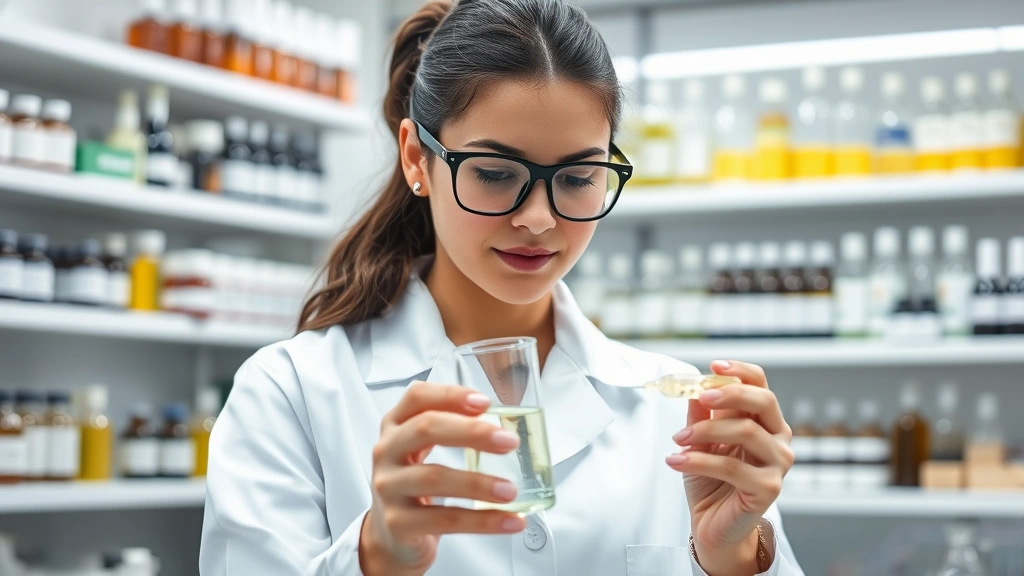
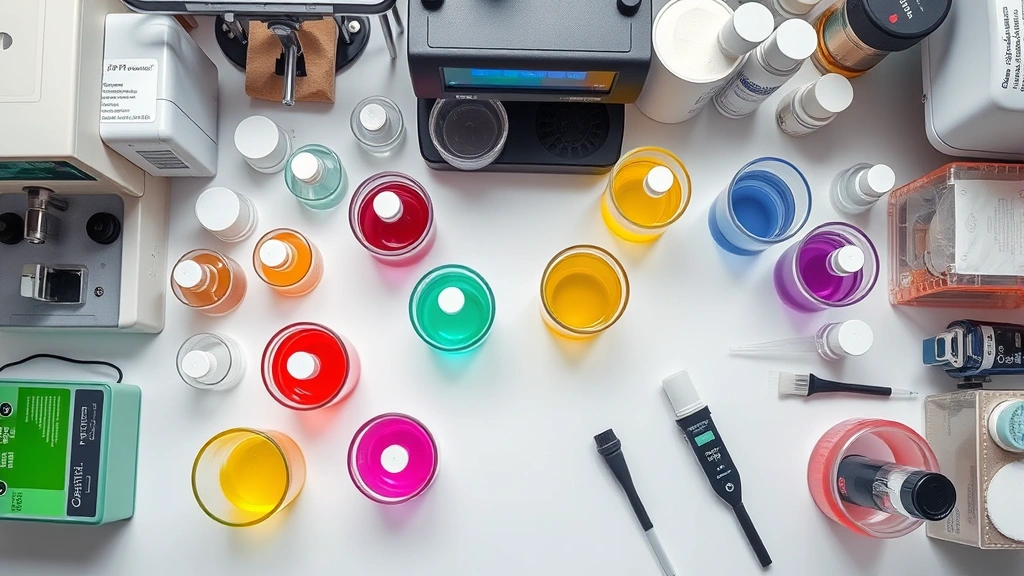
Cosmetic chemists are responsible for the entire lifecycle of product development, from initial concept through commercialization and quality control. Their daily responsibilities encompass formulation design, stability testing, ingredient sourcing, regulatory compliance, and troubleshooting production challenges. These professionals work intimately with raw materials, understanding how surfactants, emollients, preservatives, and active ingredients interact to create stable, efficacious products.
A significant portion of cosmetic chemist work involves understanding how different formulation components contribute to product performance. For instance, when developing a skincare routine for glowing skin, chemists must carefully balance hydrating humectants with occlusive ingredients and lightweight serums. They conduct accelerated stability studies, pH testing, viscosity measurements, and microbiological assessments to ensure products remain safe and effective throughout their shelf life.
Cosmetic chemists also collaborate extensively with product development teams, marketing departments, and regulatory affairs specialists. They translate consumer desires and market trends into viable formulations, often working with limited ingredient lists, sustainability constraints, or novel active compounds. The role demands both independent laboratory work and cross-functional teamwork, making interpersonal skills as important as technical expertise.
Educational Requirements and Qualifications
Most cosmetic chemist positions require at least a bachelor’s degree in chemistry, chemical engineering, or a related field. However, the specific educational pathway can vary significantly depending on the company size, position level, and specialization within cosmetic chemistry. Many entry-level positions accept candidates with chemistry degrees, while senior and leadership roles increasingly prefer advanced degrees or specialized cosmetic chemistry certifications.
A bachelor’s degree typically includes coursework in organic chemistry, analytical chemistry, biochemistry, and physical chemistry—foundational knowledge essential for understanding cosmetic formulations. Beyond general chemistry education, aspiring cosmetic chemists benefit from taking electives in polymer chemistry, colloid science, and materials science. Some universities now offer specialized cosmetic chemistry programs or minors that provide industry-specific knowledge alongside traditional chemistry curricula.
For those seeking advanced positions or specialization, a master’s degree in chemistry, cosmetic science, or a related discipline significantly enhances career prospects. Programs like those offered by The Society of Cosmetic Chemists (SCC) provide professional development and certification pathways. The SCC offers the Certified Professional Cosmetic Chemist (CPCC) credential, which demonstrates expertise and commitment to the field. Additionally, some professionals pursue PhDs when interested in research-focused roles or academic positions within cosmetic science.
Beyond formal education, gaining hands-on laboratory experience through internships is invaluable. Many companies offer summer internship programs specifically designed to introduce students to cosmetic chemistry careers. These internships provide practical experience with formulation software, laboratory equipment, and industry-standard procedures while building professional networks within the field.
Types of Cosmetic Chemist Positions
The cosmetic chemistry field encompasses diverse career paths, each offering unique challenges and growth opportunities. Understanding these different positions helps aspiring chemists identify roles that align with their interests and strengths.
Formulation Chemists focus primarily on creating new product formulations and improving existing ones. They work in laboratories, conducting experiments with different ingredient combinations, adjusting pH levels, and optimizing texture and sensory properties. These chemists must understand how ingredients reduce skin inflammation and other beneficial effects while maintaining product stability and consumer appeal.
Stability and Analytical Chemists specialize in testing and validating cosmetic formulations. They design and conduct stability studies, analyze ingredient interactions, and ensure products meet regulatory standards. This role requires meticulous attention to detail and expertise in analytical instrumentation like HPLC (High-Performance Liquid Chromatography) and mass spectrometry.
Quality Assurance Chemists oversee manufacturing processes and final product testing. They develop testing protocols, conduct batch analysis, and ensure every product meets company standards and regulatory requirements. This position bridges laboratory work and manufacturing operations, making it ideal for chemists interested in process optimization.
Research and Development Chemists work on innovative projects, exploring novel ingredients, delivery systems, and formulation technologies. These positions typically require advanced degrees and offer opportunities to contribute to scientific publications and patent development.
Regulatory Affairs Specialists with Chemistry Backgrounds navigate the complex landscape of cosmetic regulations. They ensure formulations comply with FDA, EU, and international guidelines, manage ingredient restrictions, and prepare regulatory documentation.
Sustainability and Green Chemistry Specialists focus on developing environmentally friendly formulations and manufacturing processes. This emerging area reflects growing consumer demand for sustainable cosmetic brands and corporate environmental commitments.
Salary and Compensation Expectations
Compensation for cosmetic chemist jobs varies based on experience level, geographic location, company size, and specialization. Entry-level cosmetic chemists with bachelor’s degrees typically earn between $45,000 and $55,000 annually, with opportunities for salary growth as they gain experience and expertise.
Mid-career cosmetic chemists with 5-10 years of experience and possibly a master’s degree can expect salaries ranging from $60,000 to $85,000. Senior chemists, principal researchers, and chemistry managers often earn $85,000 to $130,000 or more, depending on their specific roles and the companies they work for.
Companies operating in major beauty markets like New York, Los Angeles, and Chicago typically offer higher salaries than regional areas, reflecting the higher cost of living and competitive talent markets. Additionally, large multinational cosmetic corporations generally offer more generous compensation packages than smaller indie brands or contract manufacturers.
Beyond base salary, comprehensive benefits packages often include health insurance, retirement plans, professional development budgets, and stock options at larger companies. Some organizations offer tuition reimbursement for pursuing advanced degrees or professional certifications, supporting continuous learning throughout your career.
Skills You Need to Succeed
Technical competency in chemistry forms the foundation of cosmetic chemist success, but the most valuable professionals possess a diverse skill set extending beyond laboratory expertise. Understanding formulation principles, ingredient functionality, and product stability represents essential technical knowledge. Proficiency with laboratory equipment—including pH meters, viscometers, texture analyzers, and chromatography instruments—is fundamental.
However, modern cosmetic chemist jobs increasingly require strong communication skills. You must explain complex chemical concepts to non-technical stakeholders, present findings to marketing teams, and document procedures clearly for manufacturing teams. Project management skills help coordinate formulation timelines, manage multiple projects simultaneously, and meet product launch deadlines.
Problem-solving abilities distinguish exceptional cosmetic chemists. When a formulation fails stability testing or encounters manufacturing challenges, chemists must systematically identify issues and develop solutions. This requires creative thinking combined with scientific rigor. Additionally, familiarity with regulatory frameworks—understanding FDA guidelines, ingredient restrictions, and labeling requirements—increasingly shapes successful cosmetic chemist careers.
Digital literacy has become increasingly important, with many chemists using specialized formulation software, data analysis tools, and laboratory information management systems (LIMS). Experience with statistical analysis and understanding of sustainability principles also enhance competitiveness in today’s job market. Finally, interpersonal skills and the ability to work collaboratively across departments determine career advancement potential in most organizations.
Industry Trends Shaping Cosmetic Chemist Jobs
The cosmetic chemistry field continuously evolves in response to consumer demands, scientific innovations, and regulatory changes. Several significant trends currently shape cosmetic chemist jobs and career opportunities.
Clean Beauty and Natural Ingredients: Consumer demand for products with minimal synthetic ingredients drives chemists to formulate with botanical extracts, bioactive compounds, and naturally-derived alternatives. This requires understanding how traditional ingredients perform alongside novel naturals and developing new preservation systems for plant-based formulations.
Personalization and Customization: Technology enabling personalized skincare—from AI-powered skin analysis to made-to-order formulations—creates new roles for cosmetic chemists. Developing flexible formulation platforms that can be customized for different skin types represents an emerging specialization.
Sustainable and Circular Beauty: Environmental consciousness drives innovation in biodegradable ingredients, sustainable sourcing, and packaging reduction. Cosmetic chemists increasingly work on formulations with minimal environmental impact and refillable product systems.
Advanced Delivery Systems: Encapsulation technologies, nanoparticles, and novel delivery mechanisms allow chemists to improve ingredient efficacy and stability. Understanding these complex systems becomes increasingly valuable as consumers demand visible, measurable results from skincare products.
Inclusivity and Diverse Skin Needs: The industry moves toward formulating for broader skin tone ranges and diverse skin conditions. Cosmetic chemists must understand how formulations perform across different skin types and ethnicities, ensuring products deliver benefits universally.
Scientific Substantiation: Regulatory agencies and consumers demand stronger scientific evidence for product claims. Cosmetic chemists increasingly collaborate on clinical studies and in vitro testing to substantiate efficacy claims with rigorous data.
Getting Your First Position
Breaking into cosmetic chemist jobs requires strategic preparation beginning during your academic years. Pursuing internships at cosmetic manufacturers, contract laboratories, or ingredient suppliers provides invaluable industry exposure and networking opportunities. These experiences allow you to apply classroom knowledge in professional settings, understand industry workflows, and make connections with potential employers.
Building a strong foundation in chemistry through relevant coursework and laboratory techniques is essential. Consider taking electives in areas particularly relevant to cosmetics—colloid chemistry, polymer science, or analytical methods. Joining student chapters of professional organizations like the Society of Cosmetic Chemists connects you with industry professionals and provides access to educational resources, conferences, and job boards.
Developing a portfolio of formulations or research projects demonstrates practical capability to potential employers. If you’ve worked on skincare formulations—perhaps developing a facial steaming guide with supporting formulation science or understanding product interactions—documenting this work shows initiative and practical knowledge.
Networking plays a crucial role in landing first positions. Attend industry conferences, cosmetic chemistry seminars, and professional meetups. Connect with professionals on LinkedIn, engage thoughtfully with industry discussions, and don’t underestimate the value of informational interviews with working cosmetic chemists. Many professionals enjoy mentoring aspiring chemists and can provide valuable guidance about breaking into the field.
When applying for positions, customize your resume and cover letter to highlight relevant coursework, laboratory skills, and any product development experience. Emphasize your understanding of formulation principles, regulatory knowledge, and familiarity with analytical techniques. If you’ve completed relevant certifications or taken specialized courses in cosmetic chemistry, prominently feature these credentials.
Consider starting with entry-level positions at contract manufacturers or ingredient suppliers, which often provide comprehensive training and exposure to diverse formulation challenges. These roles build foundational experience and industry connections that facilitate advancement to positions at major beauty brands.
FAQ
What is the job outlook for cosmetic chemist positions?
The Bureau of Labor Statistics projects steady growth for chemistry-related positions, with the cosmetic industry specifically experiencing consistent demand. The global beauty market continues expanding, particularly in skincare and wellness categories, driving sustained demand for qualified cosmetic chemists. Emerging markets, clean beauty trends, and product innovation create diverse opportunities across company sizes.
Can you become a cosmetic chemist with a chemical engineering degree?
Yes, absolutely. Chemical engineering degrees provide excellent preparation for cosmetic chemistry careers. The engineering background offers advantages in understanding manufacturing processes, scaling formulations, and optimizing production efficiency. Many successful cosmetic chemists hold chemical engineering degrees, particularly those interested in process development or manufacturing roles.
Do cosmetic chemists need specific software skills?
Modern cosmetic chemists benefit from proficiency with formulation software like JMP, Minitab, or specialized cosmetic formulation platforms. Familiarity with Microsoft Office suite, particularly Excel for data analysis, is essential. Laboratory Information Management Systems (LIMS) and chemical structure software like ChemDraw are increasingly common in professional settings. However, most companies provide training on proprietary software, so willingness to learn matters more than advanced pre-existing expertise.
What’s the difference between cosmetic chemists and pharmaceutical chemists?
While both fields involve chemistry and formulation, cosmetic chemists focus on products making cosmetic claims (improving appearance, cleansing, conditioning), while pharmaceutical chemists work on drugs making therapeutic claims (treating medical conditions). Regulatory frameworks differ significantly—cosmetics face less stringent approval processes than pharmaceuticals. The skill sets overlap considerably, and some professionals transition between fields, though cosmetic chemistry offers different career trajectories and specialization opportunities.
Are there remote opportunities in cosmetic chemistry?
While laboratory work requires physical presence, some cosmetic chemistry roles offer remote or hybrid arrangements. Regulatory affairs, quality assurance documentation, formulation software work, and project management positions increasingly include remote options. However, hands-on formulation and analytical testing typically require in-person laboratory work, making purely remote positions less common than in some other chemistry fields.
What continuing education options exist for cosmetic chemists?
The Society of Cosmetic Chemists offers numerous educational resources, including the CPCC certification program, webinars, and annual conferences. The Personal Care Products Council provides regulatory training and industry updates. Many universities offer continuing education certificates in cosmetic science. Professional journals like Journal of Cosmetic Dermatology and International Journal of Cosmetic Science keep chemists current on research developments and industry innovations.