Cosmetic Chemist Jobs: Industry Insights & Career Paths
The cosmetic chemistry industry is experiencing unprecedented growth, driven by consumer demand for innovative skincare formulations, sustainable beauty solutions, and personalized cosmetic products. If you’re considering a career as a cosmetic chemist, you’re entering a field that combines rigorous scientific expertise with creative product development. This comprehensive guide explores the landscape of cosmetic chemist jobs, the qualifications you’ll need, career trajectories, and what makes this profession increasingly vital in the beauty and personal care industry.
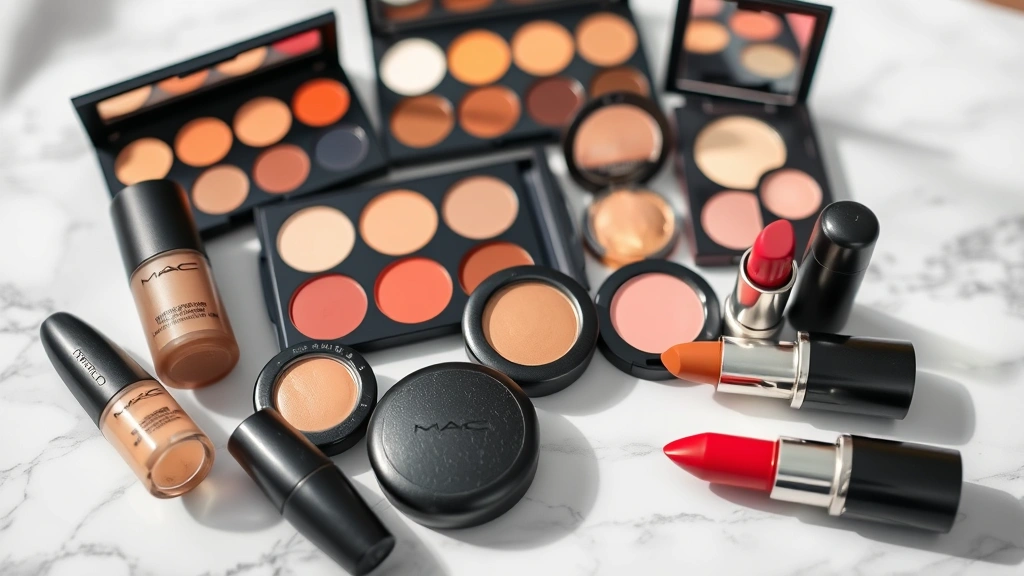
Cosmetic chemists are the backbone of the beauty industry, responsible for formulating everything from luxurious serums and moisturizers to color cosmetics and sun protection products. Whether you’re interested in developing the next breakthrough foundation formula or creating sustainable packaging solutions, understanding the scope of cosmetic chemist jobs can help you navigate this dynamic career path with confidence and purpose.
What Do Cosmetic Chemists Do?
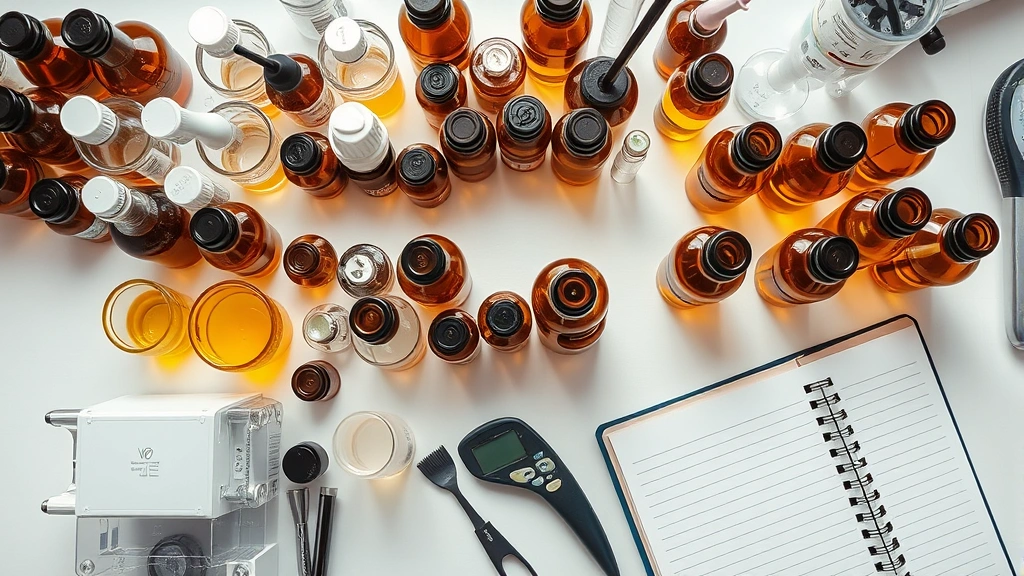
Cosmetic chemists are specialized scientists who develop, test, and optimize formulations for beauty and personal care products. Their work encompasses a wide range of responsibilities that blend chemistry, biology, and sensory science. A cosmetic chemist might spend their morning analyzing the stability of an emulsion system, their afternoon conducting stability testing on a new skincare product, and their evening collaborating with marketing teams to understand consumer needs.
The primary responsibilities of a cosmetic chemist include formulating products that are both effective and safe, ensuring regulatory compliance with agencies like the FDA and EU Cosmetics Regulation, conducting stability testing and shelf-life studies, and troubleshooting manufacturing issues. Cosmetic chemists work with various ingredient categories, including emollients, humectants, preservatives, and active ingredients like retinoids and vitamin C derivatives. They must understand how different components interact to create stable, pleasant-textured products that deliver visible results.
Quality assurance is another critical aspect of cosmetic chemist jobs. Professionals in this field validate that products meet specifications for color, viscosity, pH, and microbial limits. They also stay updated on ingredient innovations and emerging technologies, such as encapsulation systems and peptide technology, to keep formulations competitive. Many cosmetic chemists also contribute to sustainability initiatives, developing eco-friendly formulations and reducing environmental impact throughout the product lifecycle.
Educational Requirements and Qualifications
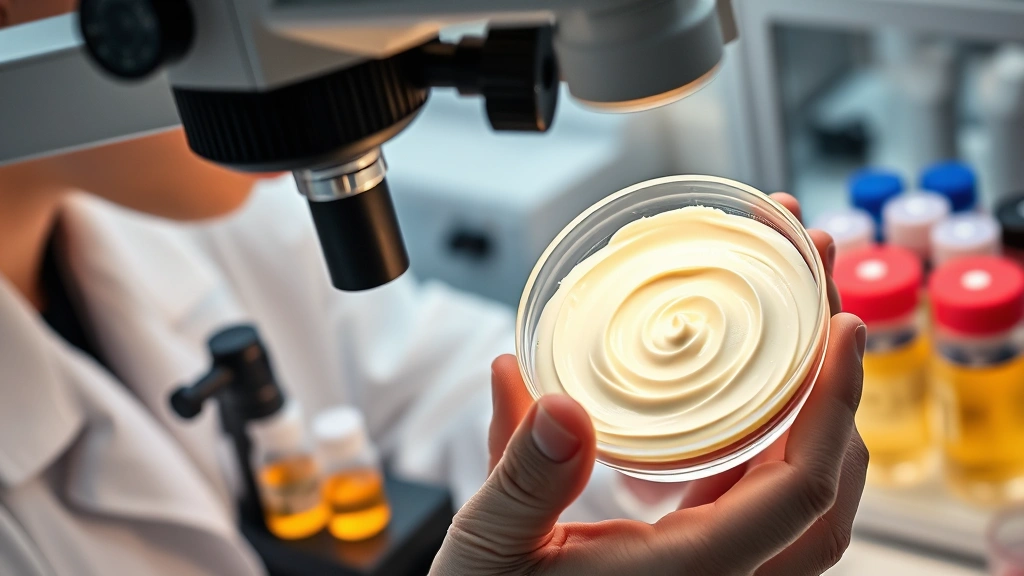
To pursue cosmetic chemist jobs, you’ll typically need a strong foundation in chemistry or chemical engineering. Most employers require at least a bachelor’s degree in chemistry, organic chemistry, or biochemistry. This educational background provides the fundamental knowledge of molecular interactions, reaction mechanisms, and chemical properties essential for formulating cosmetic products.
Many advanced positions, particularly in research and development or management roles, prefer or require a master’s degree in chemistry, cosmetic science, or a related field. Some universities now offer specialized degrees in cosmetic science, which provide targeted education in product formulation, regulatory affairs, and stability testing. A master’s degree can accelerate career advancement and open doors to senior chemist and research director positions.
Beyond formal education, certifications enhance your candidacy for cosmetic chemist jobs. The Society of Cosmetic Chemists (SCC) offers valuable certifications and continuing education programs. Professional certifications demonstrate expertise and commitment to the field. Additionally, familiarity with regulatory frameworks—such as understanding how to formulate products compliant with FDA regulations and EU Cosmetics Regulation—is increasingly important.
Practical laboratory experience is invaluable. Many entry-level positions require 1-3 years of laboratory experience, which you might gain through internships during your undergraduate or graduate studies. Working in quality control, analytical chemistry, or pharmaceutical formulation provides transferable skills applicable to cosmetic chemistry.
Types of Cosmetic Chemist Positions
The beauty industry offers diverse cosmetic chemist jobs across different specializations and company sizes. Understanding these variations helps you identify roles aligned with your interests and career goals.
Formulation Chemist: This is the most common cosmetic chemist position. Formulation chemists develop new product recipes, optimize existing formulas, and troubleshoot production issues. They work extensively with raw materials suppliers, conduct experiments to test ingredient combinations, and ensure products meet performance specifications. Formulation chemists might specialize in skincare formulations, color cosmetics, or haircare products.
Research and Development Chemist: R&D chemists focus on innovative product development and cutting-edge ingredient research. They investigate emerging technologies, evaluate new raw materials, and conduct stability studies on novel formulations. These positions typically require advanced degrees and offer opportunities to publish research and present at industry conferences.
Quality Assurance Chemist: QA chemists ensure products meet established specifications and regulatory requirements. They develop testing protocols, conduct analytical testing, and maintain detailed documentation. This role is critical for product safety and consumer protection, making it an essential component of cosmetic chemist jobs in larger organizations.
Regulatory Affairs Specialist: These chemists focus on compliance with cosmetic regulations across different markets. They prepare regulatory submissions, stay updated on changing regulations, and ensure product claims are substantiated. This role combines chemistry knowledge with regulatory expertise and is increasingly in demand as regulations become more stringent.
Technical Service Chemist: Technical service chemists provide support to clients and sales teams, troubleshooting formulation issues and offering technical guidance. They bridge the gap between product development and customer needs, making this role ideal for chemists with strong communication skills.
Salary and Compensation Overview
Compensation for cosmetic chemist jobs varies based on education level, experience, location, and company size. According to industry data, entry-level cosmetic chemists with bachelor’s degrees typically earn between $45,000 and $60,000 annually. With a few years of experience and demonstrated expertise, salaries increase to $65,000-$85,000 range.
Senior cosmetic chemists with 10+ years of experience, advanced degrees, or specialized expertise command higher salaries, often ranging from $90,000 to $130,000 or more. Research directors and heads of formulation departments in large multinational beauty companies can earn $150,000+, particularly when bonuses and stock options are included.
Geographic location significantly impacts compensation. Cosmetic chemist jobs in major beauty industry hubs like New York, Los Angeles, and international locations typically offer higher salaries than smaller markets. Benefits packages often include health insurance, retirement plans, continuing education allowances, and performance bonuses. Some companies offer additional perks like flexible work arrangements, professional conference attendance, and laboratory equipment budgets for personal research projects.
Skills That Matter in Cosmetic Chemistry
Success in cosmetic chemist jobs requires a combination of technical expertise and soft skills. Beyond chemistry knowledge, several competencies distinguish exceptional cosmetic chemists from average practitioners.
Technical Skills: Proficiency with laboratory equipment, analytical instruments (HPLC, GC-MS, spectrophotometry), and formulation software is essential. Understanding emulsion chemistry, polymer science, and colloid chemistry enables you to create stable, elegant formulations. Knowledge of natural and synthetic ingredients, including their properties and limitations, is fundamental. Familiarity with ceramides and other advanced skincare ingredients demonstrates current market awareness.
Problem-Solving Abilities: Cosmetic chemist jobs frequently involve troubleshooting unexpected issues—a cream separating during production, a color cosmetic developing rancidity, or an active ingredient showing instability. Strong analytical and problem-solving skills enable you to identify root causes and implement effective solutions.
Communication Skills: Cosmetic chemists collaborate with cross-functional teams including marketing, quality assurance, regulatory affairs, and manufacturing. Clear communication of technical concepts to non-chemists is crucial. Presenting data, justifying formulation decisions, and explaining technical constraints to product managers requires both clarity and diplomacy.
Regulatory Knowledge: Understanding cosmetic regulations, safety testing requirements, and claim substantiation is increasingly important. Knowledge of cosmetic foundations and regulations helps you develop compliant products that can be marketed effectively across different regions.
Attention to Detail: Formulation precision is critical. A 0.5% variation in an emulsifier concentration can dramatically affect product stability and texture. Meticulous documentation, careful measurements, and rigorous testing are hallmarks of excellent cosmetic chemists.
Creativity and Innovation: While chemistry is precise, formulation is an art. Combining ingredients in novel ways to achieve desired sensory properties—creating a lightweight yet hydrating moisturizer or a long-wear foundation with natural finish—requires creative thinking and experimentation.
Career Growth and Advancement
Cosmetic chemist jobs offer clear pathways for career advancement. Entry-level positions typically involve working under supervision, conducting routine formulation tasks, and learning company processes. As you gain experience, you’ll take on more complex projects, mentor junior chemists, and potentially lead formulation teams.
Mid-career advancement often leads to senior chemist roles, where you oversee multiple projects, mentor team members, and contribute to strategic decisions. Some chemists specialize further, becoming experts in specific product categories—perhaps becoming the go-to person for foundation formulations or advanced skincare actives.
Management tracks are available for those interested in leadership. Becoming a formulation manager, R&D director, or head of innovation involves overseeing teams, managing budgets, and setting strategic direction for product development. These positions require both technical expertise and business acumen.
Lateral moves can also enrich your career. Transitioning from formulation to regulatory affairs, quality assurance, or technical service provides diverse experiences and broadens your industry perspective. Some cosmetic chemists move into adjacent fields like pharmaceutical formulation, nutraceuticals, or personal care product development for niche markets.
Continuing education is vital for advancement. Pursuing advanced degrees, obtaining certifications from the Society of Cosmetic Chemists, and staying current with emerging trends—such as clean beauty formulations, microbiome-friendly skincare, or biotechnology-derived ingredients—demonstrates commitment to professional development and enhances your value in the job market.
Industry Trends Shaping Opportunities
Several significant trends are reshaping cosmetic chemist jobs and creating new opportunities for specialized expertise.
Clean Beauty and Natural Ingredients: Consumer demand for clean beauty products is driving demand for cosmetic chemists skilled in natural and sustainable formulations. Understanding botanical extracts, plant-derived actives, and clean preservative systems is increasingly valuable. However, clean beauty requires different formulation approaches than synthetic alternatives, making expertise in this area highly sought after.
Personalization and Customization: Brands are moving toward personalized skincare solutions tailored to individual skin types and concerns. Cosmetic chemists developing formulations for custom skincare platforms and AI-driven product recommendations are in high demand. This trend intersects with your knowledge of formulations for specific skin conditions.
Sustainability and Circular Economy: Brands are increasingly committed to sustainable practices, from sourcing eco-friendly ingredients to developing biodegradable formulations. Cosmetic chemists with expertise in sustainable chemistry, green extraction methods, and reducing environmental impact are becoming essential.
Advanced Active Ingredients: The rise of peptides, niacinamide derivatives, and biotech-derived actives requires chemists who understand cutting-edge ingredient technology. Similarly, expertise in encapsulation systems and delivery technologies that improve ingredient efficacy is highly valuable.
Inclusive Beauty: Formulating products for diverse skin tones and skin types requires specialized knowledge. Cosmetic chemists developing foundations and color cosmetics that work across the full spectrum of skin tones, or formulations addressing specific concerns in different populations, are increasingly in demand.
Regulatory Evolution: Stricter regulations in Europe, increasing FDA scrutiny, and emerging regulations in other markets create demand for chemists with strong regulatory knowledge. Understanding evolving requirements for substantiation, safety testing, and ingredient restrictions is increasingly critical.
Getting Started in Cosmetic Chemistry
If you’re interested in pursuing cosmetic chemist jobs, here’s a strategic roadmap to launch your career.
Educational Foundation: Start with a strong chemistry degree from an accredited institution. During your undergraduate studies, seek internships in cosmetic companies, pharmaceutical firms, or research laboratories. These experiences provide practical knowledge and valuable networking connections. Consider pursuing a master’s degree in cosmetic science or chemistry if you want to accelerate advancement or work in research-focused roles.
Build Practical Experience: Entry-level laboratory positions in quality control, analytical chemistry, or general chemistry provide foundational skills applicable to cosmetic chemistry. Don’t overlook roles in adjacent industries—pharmaceutical formulation, food science, or chemical manufacturing offer transferable experience.
Network Within the Industry: Join the Society of Cosmetic Chemists, attend industry conferences, and connect with professionals on LinkedIn. The beauty industry is relationship-driven, and networking often leads to job opportunities. Engage with industry publications and follow thought leaders in cosmetic chemistry.
Develop Specialized Knowledge: As you progress, develop expertise in specific areas—perhaps skincare formulation, color cosmetics, or sustainable chemistry. Specialization makes you more valuable and can command premium compensation. Consider pursuing certifications relevant to your specialization.
Stay Current on Trends: The cosmetic industry evolves rapidly. Stay informed about emerging ingredients, new technologies, and changing regulations. Reading industry publications like Cosmetics & Toiletries, following beauty chemistry blogs, and attending webinars keeps your knowledge current and demonstrates genuine passion for the field.
Develop Soft Skills: While technical expertise is essential, don’t neglect communication and collaboration skills. Pursue opportunities to present findings, write technical documentation, and work on cross-functional teams. These skills differentiate excellent cosmetic chemists from merely competent ones.
Consider Geographic Flexibility: Major beauty industry hubs like New York, Los Angeles, and international locations offer more opportunities and often higher compensation. Being open to relocation early in your career can accelerate advancement and expand your professional network.
For those interested in broader skincare knowledge, understanding how different skincare products work and their formulation challenges provides valuable context. Similarly, knowledge of formulation strategies used by successful brands across price points offers insight into market dynamics and formulation optimization.
FAQ
What degree do I need for cosmetic chemist jobs?
A bachelor’s degree in chemistry, organic chemistry, or biochemistry is the minimum requirement. Many employers prefer candidates with a master’s degree in cosmetic science or chemistry. Some universities now offer specialized cosmetic science programs that provide targeted education in formulation and regulatory affairs.
How much do cosmetic chemists earn?
Entry-level cosmetic chemists typically earn $45,000-$60,000 annually. With experience, salaries increase to $65,000-$85,000. Senior chemists with 10+ years of experience can earn $90,000-$130,000+, while directors and senior leaders in major companies may earn $150,000 or more.
What skills are most important for cosmetic chemist jobs?
Technical skills in formulation chemistry, analytical testing, and regulatory knowledge are essential. Equally important are problem-solving abilities, communication skills, attention to detail, and creativity. The ability to troubleshoot complex formulation issues and explain technical concepts to non-chemists distinguishes exceptional cosmetic chemists.
What are the current job market trends for cosmetic chemists?
Demand is strong for chemists with expertise in clean beauty formulations, sustainable chemistry, personalized skincare, and advanced active ingredients. Regulatory knowledge is increasingly valuable as regulations become more stringent. Chemists working on inclusive beauty and diverse skin tone formulations are also highly sought after.
Is a master’s degree necessary for cosmetic chemist jobs?
While not strictly necessary for entry-level positions, a master’s degree significantly enhances career advancement prospects. It’s particularly valuable if you aspire to research-focused roles, management positions, or want to specialize in cutting-edge formulation technology. A master’s degree can also lead to higher starting salaries.
What companies hire cosmetic chemists?
Major beauty conglomerates like L’Oréal, Estée Lauder, Procter & Gamble, Unilever, and Coty employ large teams of cosmetic chemists. Smaller indie brands, contract manufacturers, raw material suppliers, and cosmetic ingredient companies also hire chemists. Opportunities exist across the entire beauty industry spectrum.
How do I transition into cosmetic chemistry from another field?
If you have chemistry or related science background, entry-level laboratory positions in cosmetic companies provide on-the-job training. Pursuing a specialized certificate or master’s degree in cosmetic science accelerates the transition. Networking within the industry and targeting companies with established training programs increases your chances of successful transition.