The delicate skin around your eyes is often the first place to show signs of aging. Fine lines, wrinkles, and loss of elasticity in this sensitive area can make you look tired and older than you feel. Eye creams have become a cornerstone of effective anti-aging skincare routines, but with countless products flooding the market, finding the best eye cream for wrinkles requires understanding what ingredients actually work and which formulations suit your specific skin type.
The eye area presents unique challenges for skincare. The skin here is approximately 40% thinner than facial skin elsewhere, contains fewer oil glands, and is in constant motion from blinking and facial expressions. This makes it particularly vulnerable to dehydration and wrinkle formation. Expert dermatologists agree that targeted eye creams with proven anti-wrinkle ingredients can significantly improve the appearance of fine lines, crow’s feet, and under-eye bags when used consistently as part of a comprehensive skincare routine for glowing skin.
Whether you’re in your twenties looking for prevention or your fifties seeking correction, this guide breaks down the science behind effective eye creams and reveals expert-recommended formulations that deliver visible results against wrinkles.
Understanding Eye Wrinkles and Aging
Wrinkles around the eyes develop through a combination of intrinsic and extrinsic factors. Intrinsic aging is determined by genetics and natural collagen degradation—our bodies produce approximately 1% less collagen each year after age 25. Extrinsic aging accelerates through sun exposure, smoking, dehydration, and repetitive facial movements.
The three main types of eye wrinkles include static wrinkles (visible at rest), dynamic wrinkles (visible during expression), and crow’s feet (radiating from the outer eye corner). Understanding which type you’re targeting helps determine the best ingredient approach. While dynamic wrinkles respond well to muscle-relaxing peptides, static wrinkles require intensive hydration and collagen-stimulating ingredients.
Sun damage is the primary culprit in premature eye wrinkles. The eye area receives significant UV exposure yet is often overlooked in sunscreen application. This accumulated photodamage breaks down collagen and elastin, accelerates free radical formation, and causes pigmentation issues. This is why dermatologists emphasize preventative eye care even in your twenties.
Research from the American Academy of Dermatology demonstrates that consistent use of targeted eye creams combined with sun protection can reduce visible wrinkles by 30-40% within 12 weeks of regular application.
Key Anti-Wrinkle Ingredients for Eye Creams
Not all eye cream ingredients are created equal. The most effective anti-wrinkle formulations combine multiple proven actives that work synergistically. Here are the gold-standard ingredients dermatologists recommend:
- Retinol and Retinoids: These vitamin A derivatives are the most clinically proven anti-wrinkle ingredients. They increase cell turnover, stimulate collagen production, and improve skin texture. Start with lower concentrations (0.25-0.5%) around the eyes, as retinoids can cause irritation in this sensitive area. Prescription-strength retinoids like tretinoin provide faster results but require medical supervision.
- Peptides: These amino acid chains signal skin cells to produce more collagen and elastin. Peptides like matrixyl and argireline relax facial muscles, reducing dynamic wrinkles. They’re gentler than retinoids, making them ideal for sensitive skin or those new to anti-aging.
- Hyaluronic Acid: This humectant holds up to 1000 times its weight in water, plumping fine lines and improving skin hydration. Molecular weight matters—smaller molecules penetrate deeper for better results. Most effective eye creams contain multiple molecular weight forms.
- Vitamin C (Ascorbic Acid): A potent antioxidant that brightens dark circles, stimulates collagen, and protects against free radical damage. Stabilized forms like SAP (sodium ascorbyl phosphate) remain effective longer than pure L-ascorbic acid.
- Niacinamide (Vitamin B3): Strengthens the skin barrier, reduces inflammation, minimizes pore appearance, and improves skin elasticity. Works synergistically with most other anti-wrinkle ingredients and rarely causes irritation.
- Caffeine: Reduces puffiness and dark circles by constricting blood vessels. While not directly anti-wrinkle, it improves the overall appearance of tired eyes and complements other actives.
- Bakuchiol: A natural retinol alternative derived from the babchi plant. Provides retinol-like benefits—increased cell turnover and collagen stimulation—without irritation. Excellent for sensitive skin or those with retinoid sensitivity.
- Ceramides and Natural Oils: Strengthen the skin barrier and lock in hydration. Ceramides NP, AP, and EOP are particularly effective. Plant oils like rosehip and jojoba provide additional antioxidant protection.
The most effective eye creams for wrinkles combine 3-5 of these ingredients in stabilized, bioavailable forms. Look for products listing actives in the first five ingredients and avoid formulations where actives appear near the end of the ingredient list.
Best Eye Creams by Skin Type
Selecting the right eye cream requires matching the formulation to your skin type and concerns. A product perfect for dry skin may clog pores in oily skin, and vice versa.
For Dry and Mature Skin: Rich, occlusive eye creams with high concentrations of peptides, retinol, and nourishing oils work best. Look for products containing squalane, shea butter, or avocado oil alongside active ingredients. These formulations provide the intensive hydration and nourishment mature skin needs while addressing wrinkles. The skincare products safe for pregnancy guide offers insights into gentle yet effective formulations that can also benefit sensitive, dry eye areas.
For Oily and Combination Skin: Lightweight gel or serum-based eye creams work better than heavy creams. Look for water-based formulations with hyaluronic acid, niacinamide, and lightweight peptides. These provide hydration and anti-wrinkle benefits without excess oil. Bakuchiol is an excellent retinol alternative for oily skin since it’s less drying than traditional retinoids.
For Sensitive Skin: Avoid irritating ingredients like high-concentration retinoids or vitamin C. Instead, opt for bakuchiol, peptides, niacinamide, and hyaluronic acid. Products with calming ingredients like centella asiatica, green tea extract, or allantoin reduce inflammation while addressing wrinkles gently.
For Dark Circles with Wrinkles: Choose eye creams combining anti-wrinkle actives with caffeine, vitamin K, and brightening ingredients like niacinamide or vitamin C. These multitasking formulations address both concerns simultaneously.
How to Apply Eye Cream for Maximum Results
Application technique significantly impacts eye cream efficacy. Improper application wastes product and may cause irritation.
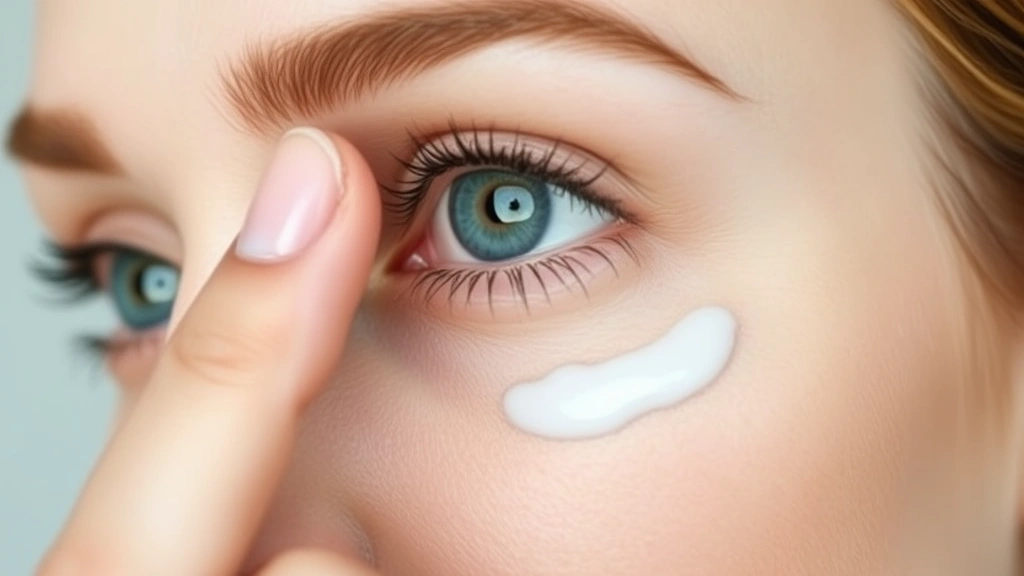
- Use the Right Amount: A pea-sized amount per eye is sufficient. Using too much causes product migration into the eye and potential irritation. Remember, eye creams are concentrated formulations.
- Apply to Clean, Dry Skin: Use eye cream after cleansing but before other serums or moisturizers. Allow any previous products to fully absorb first. Applying to damp skin dilutes the actives.
- Use the Correct Application Method: Use your ring finger (weakest finger with least pressure) to gently pat—never tug or rub—the eye cream around the orbital bone. Start from the inner corner, move along the upper lid to the outer corner, then along the lower lid back to the inner corner. Avoid applying directly on the eyelid itself.
- Allow Proper Absorption: Wait 2-3 minutes before applying additional products. This allows the eye cream to fully absorb and prevents product pilling.
- Consistency is Key: Use eye cream twice daily (morning and evening) for best results. Most clinical studies showing significant wrinkle reduction used twice-daily application over 8-12 weeks.
- Sunscreen is Essential: During the day, always follow eye cream with a broad-spectrum SPF 30+ sunscreen. UV protection prevents further photodamage and allows existing wrinkles to improve.
For those incorporating eye creams into a comprehensive skincare approach, understanding the benefits of facial steaming can enhance product penetration and efficacy. Gentle steaming before eye cream application opens pores and improves ingredient absorption.
Combining Eye Creams with Other Treatments
Eye creams work best as part of a comprehensive anti-aging strategy. Combining them with complementary treatments accelerates wrinkle reduction.
Serums and Moisturizers: Layer eye cream after targeted serums (vitamin C or hyaluronic acid serums) but before heavier moisturizers. This layering order optimizes penetration of each product. A good skincare routine for glowing skin includes strategic product layering based on molecular weight and viscosity.
Professional Treatments: Eye creams complement professional treatments like microneedling, laser therapy, or chemical peels. In fact, using appropriate eye creams post-procedure accelerates healing and enhances results. The cosmetic surgery for men article discusses how proper post-operative skincare, including targeted eye creams, supports surgical results.
Sun Protection: This cannot be overstated. A broad-spectrum SPF 30+ sunscreen applied daily prevents new wrinkle formation and allows eye cream actives to work optimally. Without sun protection, even the best eye cream provides limited benefits.
Lifestyle Factors: Combine eye cream use with adequate hydration, quality sleep, stress management, and a diet rich in antioxidants. These factors support skin health from within while topical products work from without.
Makeup Considerations: If you wear makeup, quality best cheap cosmetic brushes prevent tugging that damages delicate eye skin. Additionally, proper makeup removal before applying eye cream prevents product interactions and allows better penetration.
Special Occasions: For events like weddings, bridal cosmetics applications work better over well-hydrated, wrinkle-reduced skin. Starting a dedicated eye cream routine 4-6 weeks before major events produces noticeable improvements.
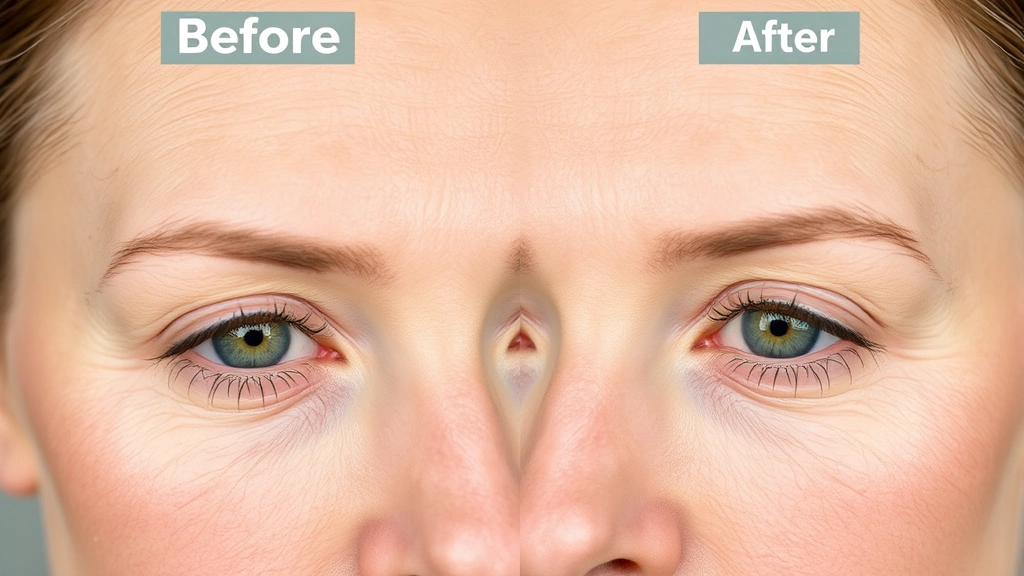
The most successful approach combines a high-quality eye cream with proven anti-wrinkle ingredients, consistent twice-daily application, comprehensive sun protection, and healthy lifestyle choices. Results typically become visible within 4-8 weeks, with optimal improvements appearing after 12 weeks of consistent use.
According to the Society of Cosmetic Chemists, the most effective eye creams contain stabilized, clinically-proven actives at therapeutic concentrations, supported by robust delivery systems ensuring ingredient penetration to target skin layers where wrinkles form.
FAQ
Can eye cream alone eliminate deep wrinkles?
While eye creams significantly improve fine lines and moderate wrinkles, very deep wrinkles may require combination approaches. Professional treatments like microneedling, laser resurfacing, or injectables combined with eye cream use provide more dramatic results for advanced wrinkling. However, consistent eye cream use prevents wrinkle progression and improves overall appearance substantially.
How long before I see results from eye cream?
Most people notice improvements in fine lines, hydration, and brightness within 2-4 weeks. Significant wrinkle reduction typically requires 8-12 weeks of consistent twice-daily application. Results continue improving up to 16 weeks. Patience and consistency are essential—inconsistent use delays or prevents visible improvements.
Can I use regular facial moisturizer instead of eye cream?
While facial moisturizers provide some benefit, dedicated eye creams are formulated specifically for this delicate area. They contain higher concentrations of actives, use different texture profiles for better absorption, and avoid ingredients that may irritate eyes. The investment in a quality eye cream delivers superior results compared to using facial moisturizer.
Is retinol safe for the eye area?
Yes, when used correctly. Start with low concentrations (0.25-0.5%) and use only 2-3 times weekly initially, gradually increasing frequency as skin builds tolerance. Use a pea-sized amount and apply to the orbital bone area, avoiding direct eyelid application. If irritation occurs, reduce frequency or switch to gentler alternatives like bakuchiol.
Can men use eye cream?
Absolutely. Men’s skin experiences the same aging process and requires the same targeted care. The cosmetic surgery for men guide acknowledges that preventative skincare, including eye creams, reduces the need for invasive procedures. Men should choose eye creams matching their skin type and concerns just as women do.
What’s the difference between eye cream and eye serum?
Eye serums are lightweight, water-based formulations with high concentrations of active ingredients but minimal occlusive properties. Eye creams are thicker, with more emollients and occlusives alongside actives. For dry skin, eye creams provide better results. For oily skin, eye serums may be preferable. Many people benefit from using both—serum first, then cream over top.
How do I know if an eye cream is actually working?
Track improvements using before-and-after photos taken monthly under consistent lighting. Look for reduced fine line visibility, improved skin texture, decreased puffiness, and brighter appearance. Measure wrinkle depth with your fingernail—shallower wrinkles indicate improvement. Most importantly, consistency and patience reveal results that may feel subtle day-to-day but become obvious over weeks and months.