Cosmetic Surgery for Men: Expert Insights and Modern Trends
The landscape of cosmetic surgery for men has transformed dramatically over the past decade. Once considered taboo, male cosmetic procedures have become mainstream, with men representing an increasingly significant portion of cosmetic surgery patients worldwide. According to the American Society of Plastic Surgeons, men account for approximately 10-15% of all cosmetic surgical procedures, and this number continues to rise as societal attitudes shift and surgical techniques improve.
Men pursue cosmetic surgery for diverse reasons—whether to maintain professional competitiveness, boost confidence, or simply feel more comfortable in their own skin. Unlike the often-discussed female cosmetic procedures, men’s aesthetic goals frequently emphasize natural results and structural enhancement rather than dramatic transformations. This article explores the most popular procedures, recovery considerations, and what men should know before undergoing cosmetic surgery.
Most Popular Cosmetic Surgery Procedures for Men
Men are increasingly turning to cosmetic procedures to address specific concerns that affect their appearance and self-image. The most requested procedures differ somewhat from those sought by women, reflecting distinct aesthetic priorities and cultural expectations surrounding male appearance.
Rhinoplasty (Nose Surgery) remains the most popular facial surgical procedure among men. Men often seek nose reshaping to correct breathing issues while simultaneously improving aesthetic appearance, creating a functional and cosmetic dual benefit. The procedure can address a deviated septum, reduce nostril size, or refine the bridge—all while maintaining masculine features that define strong facial structure.
Liposuction and Body Contouring rank among the top procedures for male patients. Men frequently target stubborn fat deposits in the abdomen, flanks, and chest area that resist diet and exercise. Unlike women who may seek overall body reshaping, men typically want precise definition and enhanced muscularity. Understanding post-operative swelling reduction becomes essential for maintaining the sculpted appearance these procedures create.
Gynecomastia Surgery (male breast reduction) addresses enlarged breast tissue that affects approximately 40-60% of men at some point in their lives. This procedure involves removing excess glandular tissue and skin, creating a flatter, more masculine chest contour. The psychological impact of this surgery is substantial, as many men experience significant confidence improvements post-operatively.
Hair Transplantation has evolved considerably with advanced techniques like Follicular Unit Extraction (FUE) and Follicular Unit Transplantation (FUT). Male pattern baldness affects millions, and modern hair restoration provides natural-looking results that can dramatically restore facial frame and youthful appearance.
Chin Augmentation and Jaw Contouring appeal to men seeking enhanced facial definition. A stronger jawline and prominent chin create masculine facial structure, and implants or bone reshaping can achieve these aesthetic goals with relatively quick recovery periods.
Facial Enhancement Options for Male Patients
Facial procedures require specialized expertise when performed on male patients, as the goal is enhancing masculine features rather than softening or feminizing the face. Experienced surgeons understand the anatomical differences and aesthetic preferences that distinguish male cosmetic facial surgery.
Eyelid Surgery (Blepharoplasty) addresses drooping upper eyelids or puffiness that can make men appear tired or aged. This procedure removes excess skin and fat, creating more alert, defined eyes. Men often appreciate the rejuvenating effect without appearing obviously surgical.
Facelift and Neck Lift procedures help men address sagging skin, jowls, and neck laxity that develop with age. Modern techniques like mini-facelifts offer less invasive alternatives with shorter recovery times. The goal remains creating a naturally refreshed appearance rather than a pulled or overdone look.
Forehead Lift can address drooping brows and forehead wrinkles. This procedure restores a more youthful, alert appearance by repositioning tissues and smoothing horizontal lines. Men particularly value this procedure when they notice their brows descending with age.
Otoplasty (Ear Surgery) corrects prominent or misshapen ears that have troubled men since childhood. This procedure is particularly popular among younger male patients who finally decide to address a long-standing concern.
Body Contouring and Augmentation Procedures
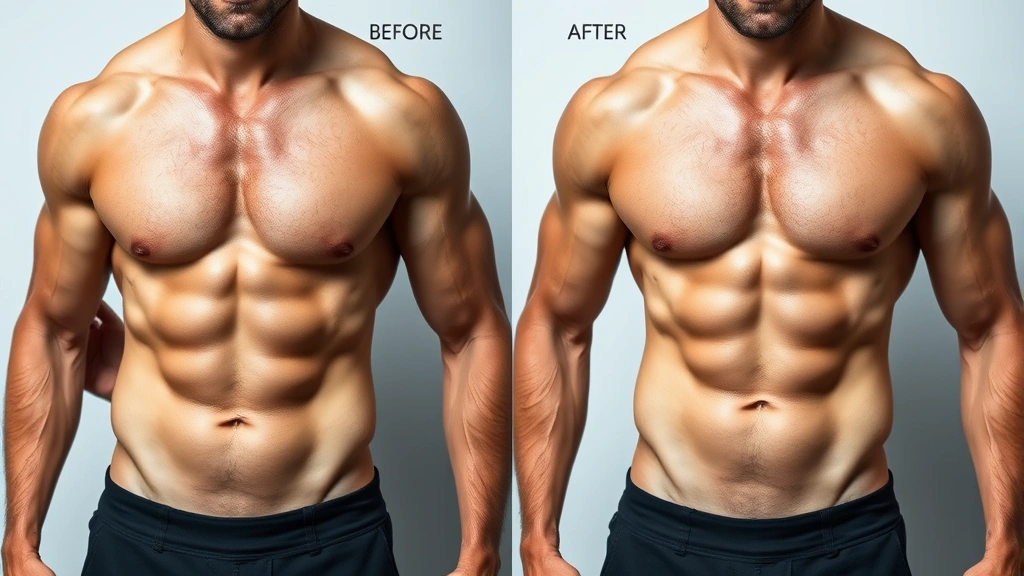
Beyond facial enhancement, men increasingly pursue body-focused cosmetic procedures. These surgeries often complement fitness routines and represent investment in overall appearance and health consciousness.
Abdominal Etching and High-Definition Liposuction create the appearance of more defined abdominal muscles by selectively removing fat and sculpting tissue. This procedure appeals to men who maintain excellent fitness but struggle with stubborn abdominal fat deposits. The results can enhance natural muscularity and create impressive definition.
Chest Implants provide pectoral enhancement for men seeking greater upper body definition and proportion. While less common than female breast augmentation, chest implants appeal to men who want more prominent pectoral muscles or seek symmetry correction.
Calf Implants address disproportionate lower leg appearance or developmental concerns. This procedure helps men achieve balanced leg proportions and enhanced muscular definition in the lower extremities.
Arm Liposuction and Contouring removes excess tissue from upper arms, revealing muscle definition and creating more sculpted appearance. Men often combine this with fitness routines to achieve optimal arm aesthetics.
Buttock Augmentation has gained popularity among male patients seeking enhanced projection and improved body proportions. Implants or fat transfer techniques provide options depending on individual anatomy and desired results.
Recovery Timeline and Post-Operative Expectations
Understanding recovery is crucial for men considering cosmetic surgery. Recovery timelines vary significantly depending on procedure type, extent of surgery, and individual healing capacity.
Immediate Post-Operative Phase (0-2 weeks)
Most men experience swelling, bruising, and discomfort immediately following surgery. Pain management typically involves prescribed medications for the first few days. During this phase, patients should avoid strenuous activity, heavy lifting, and intense exercise. Many men can return to desk work or light duties within one week, depending on the procedure.
Early Recovery Phase (2-6 weeks)
Significant swelling begins subsiding, though some edema persists. Bruising gradually fades as the body reabsorbs blood. Most men can resume normal activities and return to work during this period. However, strenuous exercise and contact sports remain restricted. Surgical incisions continue healing, and proper wound care prevents infection and promotes optimal scar formation.
Intermediate Recovery (6-12 weeks)
Most visible swelling resolves by week six, though subtle edema may persist longer. Men can typically resume regular exercise, including weightlifting and cardio. Final results begin emerging as tissues settle into their new configuration. Scar appearance continues improving as collagen remodels.
Final Results Phase (3-12 months)
Complete healing and final results take considerably longer than many patients anticipate. Scars continue fading for up to one year post-operatively. Tissues continue settling and reshaping during this extended period. Strategies for reducing facial swelling remain relevant throughout recovery, particularly during the first month.
Recovery Considerations Specific to Men
Men often underestimate recovery demands and return to activities prematurely. Facial hair growth can complicate incision care and healing. Shaving must be carefully managed to avoid irritating surgical sites. Many surgeons recommend postponing shaving for 1-2 weeks post-operatively. Additionally, men engaged in contact sports or physically demanding occupations require extended activity restrictions.
Selecting the Right Cosmetic Surgeon
Choosing a qualified, experienced surgeon represents the most critical decision in the cosmetic surgery journey. Surgeon expertise directly impacts results quality, safety, and satisfaction.
Credentials and Certification
Verify that your surgeon is board-certified by the American Board of Plastic Surgery (ABPS). Board certification indicates rigorous training, examination, and commitment to continuing education. International patients should verify equivalent certifications in their respective countries through organizations like the International Society of Aesthetic Plastic Surgery (ISAPS).
Experience with Male Patients
Request to review before-and-after photos specifically of male patients. Male cosmetic surgery requires distinct aesthetic understanding compared to female procedures. Surgeons experienced with male anatomy and aesthetic goals produce more natural, appropriate results. Ask directly about the percentage of male patients in the surgeon’s practice.
Specialization and Expertise
Different surgeons excel in different procedures. A surgeon renowned for rhinoplasty may not be equally skilled in body contouring. Discuss your specific goals and request information about the surgeon’s particular expertise and volume in your desired procedure.
Communication and Consultation Quality
During consultation, assess whether the surgeon listens carefully to your goals and concerns. They should explain realistic expectations, potential risks, and recovery requirements. Be cautious of surgeons who promise dramatic results or downplay recovery demands. Quality surgeons encourage questions and provide thorough, honest information.
Facility Accreditation
Verify that surgery will occur in an accredited facility—either a hospital or accredited surgical center. Accreditation ensures proper safety standards, sterile environment, and emergency protocols. Be cautious of procedures performed in non-accredited office-based facilities.
Non-Surgical and Minimally Invasive Alternatives
Not all aesthetic improvements require surgical intervention. Men increasingly explore non-surgical options before committing to surgery, or as maintenance treatments following surgical procedures.
Injectable Treatments
Botox and other neuromodulators smooth dynamic wrinkles caused by facial muscle movement. Men appreciate subtle results that reduce forehead lines and crow’s feet without appearing frozen. Results last 3-4 months, requiring periodic maintenance.
Dermal fillers add volume to address nasolabial folds, marionette lines, and hollow areas. Hyaluronic acid-based fillers provide reversible results with minimal downtime. Results typically last 6-12 months depending on filler type.
Laser and Light-Based Treatments
Laser resurfacing addresses texture irregularities, scars, and pigmentation concerns. Fractional laser technology provides skin rejuvenation with minimal downtime. Multiple treatments often yield optimal results.
Intense Pulsed Light (IPL) therapy treats sun damage, rosacea, and pigmentation irregularities. This treatment requires multiple sessions but provides noticeable improvement in skin appearance and tone.
Microneedling and Radiofrequency
Microneedling stimulates collagen production, improving skin texture and reducing fine lines. Radiofrequency treatments tighten skin and stimulate deeper collagen remodeling. These minimally invasive options bridge the gap between topical skincare and surgical procedures.
Chemical Peels
Chemical peels exfoliate damaged outer skin layers, revealing fresher, more youthful-looking skin beneath. Varying intensities address different concerns—light peels improve texture, while deeper peels address pigmentation and significant sun damage. Men should understand that chemical peels require appropriate post-treatment skincare, including sun protection.
Skincare as Foundation
Before pursuing any invasive procedure, men should establish solid skincare routines. Quality skincare—including cleansing, moisturizing, and sun protection—addresses many aesthetic concerns without surgical intervention. Retinoids improve skin texture and reduce fine lines. Vitamin C serums provide antioxidant protection and brightening effects. Budget-friendly cosmetic brands make quality skincare accessible without premium pricing.
Frequently Asked Questions About Cosmetic Surgery for Men
Is cosmetic surgery safe for men?
Yes, cosmetic surgery is as safe for men as for any patient when performed by qualified, board-certified surgeons in accredited facilities. Safety depends on surgeon expertise, facility standards, patient health status, and adherence to post-operative instructions. Men should disclose all medical conditions and medications during consultation to ensure safety optimization.
How much does cosmetic surgery for men cost?
Costs vary dramatically based on procedure type, extent, surgeon expertise, and geographic location. Rhinoplasty typically costs $4,000-$8,000, while liposuction ranges from $2,500-$7,500. Facelifts cost $7,000-$15,000. Most cosmetic procedures aren’t covered by insurance unless functional concerns (like breathing issues during rhinoplasty) justify coverage. Discuss all costs during consultation, including anesthesia, facility, and post-operative care.
Can men return to work quickly after cosmetic surgery?
Recovery timelines depend on procedure type and job demands. Men in desk jobs often return within 1-2 weeks, though visible swelling and bruising may persist. Those in physically demanding occupations may require 4-6 weeks off. Facial procedures typically allow faster return than body contouring. Discuss specific return-to-work timelines with your surgeon.
Will cosmetic surgery results look natural on men?
Results appear natural when surgeons understand male aesthetic principles and possess appropriate expertise. Natural results enhance masculine features rather than creating overdone appearance. Reviewing before-and-after photos of male patients helps assess whether the surgeon’s work aligns with your natural-result preferences.
Are there male-specific considerations for cosmetic surgery?
Yes. Male anatomy differs from female anatomy, requiring specialized surgical techniques. Facial hair growth affects incision care and healing. Men often have thicker skin requiring different surgical approaches. Male aesthetic goals emphasize structural enhancement and masculine features rather than softening or feminizing changes. Surgeons experienced with male patients understand these distinctions.
What’s the difference between cosmetic and reconstructive surgery?
Cosmetic surgery improves appearance when no functional impairment exists. Reconstructive surgery addresses functional and aesthetic concerns following injury, illness, or congenital conditions. Some procedures—like rhinoplasty—can be both cosmetic and reconstructive if breathing issues accompany aesthetic concerns. Insurance may cover reconstructive aspects while excluding cosmetic components.
How long do cosmetic surgery results last?
Longevity varies by procedure. Surgical results from rhinoplasty, chin augmentation, and liposuction are typically permanent, though aging continues naturally. Facelifts typically last 7-10 years before noticeable aging recurs. Hair transplants are permanent, though continued hair loss may affect overall appearance. Non-surgical treatments require maintenance—Botox every 3-4 months, fillers every 6-12 months.
Can men combine multiple procedures?
Yes, many men combine complementary procedures during single surgical sessions. Combining procedures reduces overall recovery time and anesthesia exposure. Common combinations include rhinoplasty with chin augmentation, or liposuction with gynecomastia surgery. Surgeons assess individual health status to determine safe procedure combinations and operative time limits.
The decision to pursue cosmetic surgery for men deserves thoughtful consideration. Modern procedures, refined techniques, and growing surgeon expertise in male aesthetics have made achieving natural, satisfying results increasingly attainable. Whether addressing long-standing concerns or enhancing specific features, men benefit from thorough research, qualified surgeon selection, and realistic expectation-setting. The most successful outcomes result from clear communication between patient and surgeon, understanding recovery requirements, and commitment to post-operative care. As societal attitudes continue normalizing male cosmetic procedures, more men feel empowered to pursue aesthetic improvements that boost confidence and align appearance with self-image. Consulting with experienced, board-certified surgeons and exploring both surgical and non-surgical options ensures informed decision-making that produces satisfying, natural-looking results.