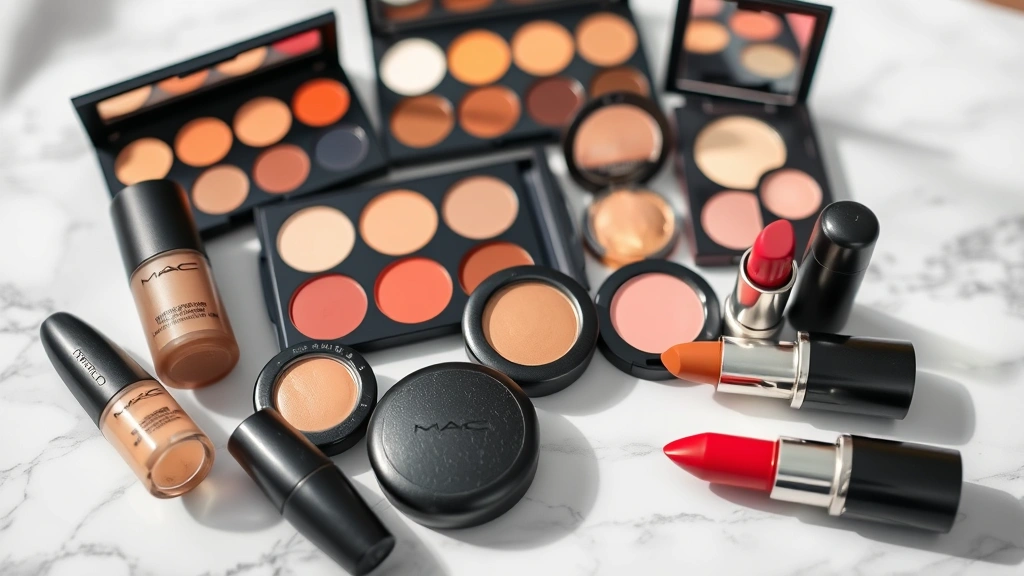
Costco Cosmetics Worth It? Beauty Expert Reveals the Truth
When it comes to beauty shopping, Costco has become an unexpected powerhouse in the cosmetics industry. Walk through the aisles of your local warehouse and you’ll discover an impressive selection of makeup, skincare, and beauty tools that rival specialty retailers—often at significantly lower price points. But the burning question remains: are Costco cosmetics actually worth your money, or are you just paying for bulk quantities you don’t need?
As a makeup and skincare expert, I’ve spent considerable time analyzing Costco’s beauty offerings, comparing ingredient quality, formulation standards, and real-world performance against department store and luxury brand alternatives. The answer isn’t as straightforward as you might think. While Costco carries legitimate, high-quality beauty products from reputable brands, the value proposition depends heavily on your specific skin type, beauty needs, and shopping habits. Let me break down exactly what you need to know before filling your cart.
The warehouse retailer’s cosmetics selection has evolved dramatically over the past decade, transforming from a limited assortment into a curated collection featuring both established brands and exclusive Costco-developed lines. Understanding which products deliver genuine value and which are merely competitively priced requires knowing what to look for beyond the price tag.
Costco’s Beauty Brand Selection and Quality Standards
Costco doesn’t manufacture most of its cosmetics in-house; instead, it partners with established brands and creates exclusive product lines through its Kirkland Signature label. This approach means you’re often getting the same formulations and manufacturing standards as products sold elsewhere, but packaged specifically for Costco members. The warehouse maintains relationships with brands like Estée Lauder, Clinique, MAC, and Dyson, ensuring that quality control standards remain consistent with their flagship retail locations.
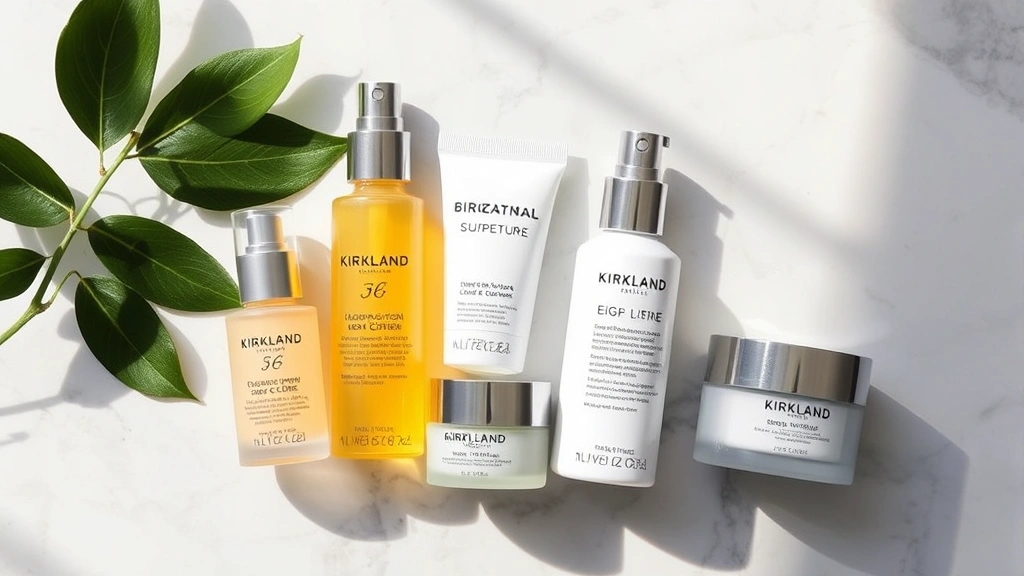
The Kirkland Signature beauty line deserves special attention because it represents Costco’s direct investment in cosmetics quality. These products are developed with the same rigor as name-brand alternatives, often manufactured by the same facilities or companies. When examining Kirkland Signature skincare and makeup, you’ll notice formulations include legitimate active ingredients and stabilizing compounds rather than filler-heavy compositions. The brand has successfully carved out a reputation for delivering salon-quality results at wholesale prices.
What makes Costco’s curation particularly valuable is their selective approach. Unlike discount retailers that stock clearance items and discontinued products, Costco maintains higher standards for what appears on shelves. Every cosmetic product undergoes evaluation for ingredient safety, efficacy claims, and market demand. This selective methodology means fewer duds in their collection compared to other warehouse or discount beauty retailers.
Costco’s buyer team actively researches skincare trends, ingredient innovations, and consumer preferences. When they stock a product, it typically represents a calculated decision based on market research and quality assessments. This differs significantly from retailers with unlimited shelf space who simply stock everything available at competitive wholesale prices.
Price Comparison: Costco vs. Department Stores and Online Retailers
The pricing advantage at Costco is undeniable, but understanding the actual savings requires detailed comparison. A foundation that retails for $48 at Sephora or department stores might sell for $32-38 at Costco. However, you’re often purchasing a larger size—typically 1.0-1.5 oz versus standard 1.0 oz bottles. This means per-ounce pricing becomes even more favorable.
Consider this real-world example: a popular vitamin C serum retails for $65 at specialty stores in a 1.0 oz bottle. Costco carries an equivalent formulation in a 1.7 oz size for $39.99. The per-ounce cost drops from $65 to approximately $23.50—a 64% reduction. When you multiply this across a complete skincare routine with retinol and hyaluronic acid, the annual savings become substantial.
However, this value proposition only works if you’ll actually use the larger quantities. If a product doesn’t suit your skin, you’re left with excess inventory. This is where Costco’s generous return policy becomes critical—a factor we’ll explore in detail later.
Online retailers like Amazon and Sephora occasionally offer sales and promotions that compete with Costco pricing, but they rarely match Costco’s everyday wholesale prices consistently. Department store sales can sometimes rival Costco prices, but only during specific promotional windows. For committed beauty consumers who know exactly what products work for their skin, Costco’s year-round pricing advantage compounds significantly over months and years.
Ingredient Quality and Formulation Analysis
Beyond pricing, ingredient quality determines whether Costco cosmetics truly deliver value. I’ve analyzed numerous Costco products against their department store equivalents, examining ingredient lists, concentrations, and stabilizing compounds. The findings consistently reveal that Costco doesn’t compromise on active ingredient quality—they simply reduce marketing and packaging expenses.
A Kirkland Signature moisturizer containing hyaluronic acid, ceramides, and peptides uses the same ingredient types and concentrations as brands charging three times the price. The difference lies in packaging simplicity and absence of luxury branding. The hyaluronic acid performs identically whether housed in minimalist Kirkland packaging or an ornate luxury container.
Preservative systems in Costco cosmetics meet industry standards and safety regulations established by the FDA. Phenoxyethanol, parabens, and other common preservatives appear at appropriate concentrations to maintain product stability without causing irritation in most skin types. Some Costco lines now feature paraben-free formulations, responding to consumer preferences while maintaining efficacy.
Where Costco sometimes differs from luxury brands is in supplementary ingredients. A $200 luxury eye cream might contain exotic botanical extracts and rare oils; a $35 Costco equivalent will feature proven actives like retinol and peptides without the exotic additions. Both formulations deliver results, but the luxury product offers additional sensory experience and marketing cachet rather than superior performance.
Antioxidant stability presents an important consideration. Products featuring vitamin C, green tea extract, or other oxidation-sensitive ingredients must be properly stabilized and packaged. Costco’s opaque, airtight packaging actually provides advantages over some luxury brands with clear glass bottles. The benefits of green tea for skin only manifest when the ingredient remains stable—something Costco’s packaging approach ensures effectively.
Best Costco Cosmetics by Category
Face Moisturizers: Kirkland Signature facial moisturizers consistently outperform their price point. The ceramide-rich formulations suit sensitive and compromised skin barriers effectively. These products contain the same ceramide types (ceramide NP, ceramide AP, ceramide EOP) as clinical-grade skincare lines.
Sunscreen: Costco carries mineral and chemical sunscreen options with legitimate SPF 30-50+ protection. The formulations include stabilized UV filters and don’t feel greasy compared to budget alternatives. Broad-spectrum protection means both UVA and UVB rays receive coverage.
Serums: Vitamin C and hyaluronic acid serums from Kirkland Signature represent exceptional value. The hyaluronic acid concentrations deliver genuine hydration, and vitamin C formulations maintain appropriate pH for skin penetration. These serums work particularly well as layering products in comprehensive skincare routines.
Eye Creams: Costco’s eye cream selections feature peptides, caffeine, and retinol—all evidence-backed ingredients for addressing fine lines and dark circles. The texture applies smoothly without tugging delicate under-eye skin.
Makeup: Costco stocks quality foundations, concealers, and makeup brushes. Brands like MAC and Estée Lauder foundations maintain their formulation standards at Costco. Brush quality rivals mid-range brands without the premium price.
Lip Care: Lip balms and tints featuring hydrating ingredients like beeswax and shea butter perform comparably to specialty brands. SPF lip products provide sun protection without excessive grease.
Potential Drawbacks and Limitations
Despite significant advantages, Costco cosmetics present notable limitations. Selection varies dramatically by location and season. A product you love might disappear from shelves for months or permanently. This inconsistency frustrates consumers building consistent skincare routines—you cannot rely on continuous availability.
Inventory rotation means you might purchase products nearing expiration dates. While products remain safe and effective through their stated shelf life, starting with fresher inventory provides longer usage windows. Always check manufacturing and expiration dates on Costco cosmetics before purchasing.
Costco’s bulk sizing, while economical, creates waste risk. If a product causes irritation or doesn’t suit your skin, you’re managing excess inventory. This particularly affects those with sensitive skin or specific skin conditions requiring careful product selection. Testing before committing to large quantities becomes essential.
Limited shade ranges in makeup products can exclude consumers with deeper skin tones. While Costco has improved inclusivity, their selection sometimes lags behind specialty retailers offering 40+ foundation shades. This represents a genuine limitation for shoppers requiring specific undertone matching.
Return processes, while generous, require warehouse visits during business hours. Online ordering and delivery options remain limited compared to traditional retailers, making spontaneous repurchasing inconvenient.
Skincare Considerations for Different Skin Types
Oily and Acne-Prone Skin: Costco’s lightweight serums and gel-based moisturizers suit oily skin well. Look for products labeled non-comedogenic. The Kirkland Signature line includes formulations specifically designed to hydrate without triggering breakouts. Salicylic acid and niacinamide-containing products available at Costco provide effective acne management.
Dry and Sensitive Skin: Rich moisturizers and ceramide-based products from Costco address dry skin effectively. The barrier-repair focus in many Kirkland Signature formulations makes them ideal for compromised skin. Those with eczema or rosacea often find Costco’s gentler formulations suitable. The absence of excessive fragrance in many products benefits sensitive skin types.
Mature Skin: Costco offers excellent options for those seeking cosmetics for mature skin. Products featuring retinol, peptides, and hyaluronic acid address fine lines and loss of elasticity. Multiple brands at Costco cater specifically to mature skin concerns with appropriate formulations.
Combination Skin: The variety of Costco products allows combination skin types to build customized routines. Lightweight serums paired with richer moisturizers create balanced hydration. This flexibility represents a significant advantage for those with mixed skin conditions.
Normal Skin: Those fortunate enough to have balanced skin can experiment broadly with Costco’s offerings. The return policy makes testing risk-free, allowing you to discover personal preferences without financial penalty.
The Return Policy Advantage
Costco’s legendary return policy transforms the cosmetics value proposition fundamentally. Unlike most retailers limiting cosmetics returns to 30-60 days, Costco accepts returns indefinitely with a membership. This means if a $40 skincare product causes irritation after three months, you can still return it for a full refund.
This policy essentially eliminates purchase risk. You can confidently try new products knowing financial recourse exists if results disappoint or skin reactions occur. This advantage alone justifies Costco membership for regular cosmetics shoppers, particularly those with sensitive or reactive skin.
The return process involves no questions asked—you can return opened, partially used products without justification. While this policy seems generous to the point of impossibility, Costco maintains profitability through volume and member loyalty rather than restrictive return policies.
For those exploring vegan cosmetic brands or ethical beauty options, Costco’s return policy allows risk-free experimentation with new formulations and brands. If a vegan alternative doesn’t perform as expected, returns remain hassle-free.
This policy particularly benefits wedding and special occasion shoppers. Those seeking wedding cosmetics or bridal cosmetics can purchase Costco products, test them extensively before the event, and return anything unsatisfactory. This removes significant stress from pre-wedding beauty preparation.
FAQ
Are Costco cosmetics the same formulation as name brands?
Often yes, but not always. Kirkland Signature products are specifically formulated for Costco, though sometimes by the same manufacturers as name-brand equivalents. Name-brand products at Costco (MAC, Estée Lauder, Clinique) contain identical formulations to those sold elsewhere. The key difference lies in packaging and marketing expenses rather than product quality.
How do I know if a Costco cosmetic will suit my skin?
Check ingredient lists for known irritants specific to your skin. If you have sensitive skin, start with smaller quantities when possible or leverage Costco’s return policy by purchasing and testing. Reading ingredient lists and understanding your skin’s reactions to specific compounds provides the most reliable guidance.
Is Costco cosmetics suitable for sensitive skin?
Many Costco products work well for sensitive skin, particularly Kirkland Signature lines formulated without excessive fragrance. However, sensitivity varies individually. Some sensitive skin types react to specific preservatives or actives regardless of brand. The return policy makes testing safe for sensitive skin consumers.
What’s the shelf life of Costco cosmetics?
Products carry standard industry shelf lives, typically 12-36 months from manufacturing. Costco’s inventory rotation usually ensures relatively fresh products, but always verify manufacturing dates. Proper storage in cool, dry conditions extends shelf life.
Can I purchase Costco cosmetics online?
Costco.com offers limited cosmetics selection for online purchase, though availability varies by location. In-warehouse shopping provides the broadest selection. Some specialty items may be exclusive to online ordering.
How do Costco cosmetics compare to Sephora brands?
Sephora offers greater brand variety and shade selection, particularly for makeup. Costco provides better pricing on comparable products but with more limited selection. Sephora’s return policy is also generous but time-limited, whereas Costco’s extends indefinitely.
Are there any ingredients I should avoid in Costco cosmetics?
Costco products meet FDA safety standards. Individual ingredient sensitivities vary by person. Common irritants include fragrance, essential oils, and certain preservatives. Reading ingredient lists and patch-testing new products prevents adverse reactions.