Vintage Makeup Trends: Beauty Historian Insights on Timeless Cosmetics
The resurgence of vintage makeup trends represents far more than nostalgic aesthetics—it reflects a fundamental shift in how consumers approach beauty formulation, ingredient transparency, and sustainable cosmetics practices. From the bold cat-eyes of the 1950s to the earthy, minimalist palettes of the 1970s, vintage cosmetics have become a blueprint for modern beauty innovation. Beauty historians and cosmetic chemists increasingly recognize that understanding historical makeup applications reveals valuable insights about ingredient efficacy, pigment stability, and skin compatibility that contemporary brands are now rediscovering and reimagining.
Today’s beauty landscape is witnessing an unprecedented revival of vintage makeup aesthetics, driven by both Gen Z consumers seeking authenticity and established beauty enthusiasts who recognize superior formulation in heritage cosmetics. This trend extends beyond mere visual recreation—it encompasses the resurrection of discontinued formulas, the celebration of Black owned cosmetic brands with historical significance, and a renewed appreciation for the artisanal approach to cosmetics company store practices that prioritized quality over mass production.

The Golden Age of Cosmetics: 1920s-1940s Innovation
The 1920s marked the democratization of cosmetics, when makeup transitioned from theatrical stage applications to everyday consumer products. Beauty historians identify this era as pivotal because cosmetic chemists began systematizing pigment combinations and establishing foundational principles for long-wear formulas. The Jazz Age introduced bold lip colors featuring carmine and alizarin dyes—natural colorants derived from insect shells and madder root—which provided superior color payoff compared to modern synthetic alternatives that often require additional binders.
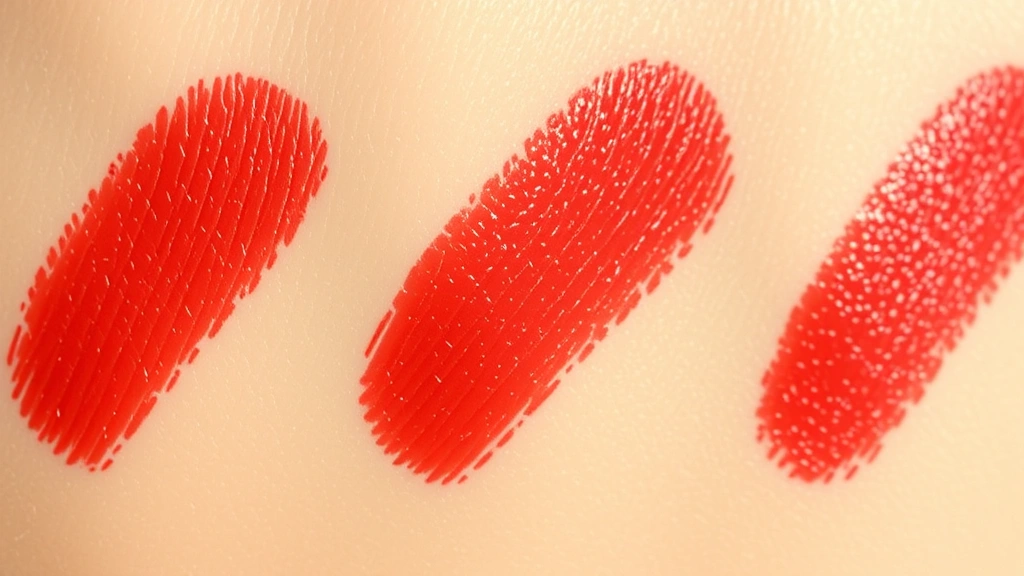
During the 1930s and 1940s, cosmetics manufacturers refined emulsification techniques that balanced oil and water components without modern preservative systems. The iconic red lipsticks of this period utilized beeswax, castor oil, and lanolin as stabilizing agents, creating formulas with remarkable longevity and comfortable wear. According to research from the Personal Care Products Council, vintage lipsticks from this era demonstrated superior adhesion due to higher concentrations of natural waxes—a formulation strategy modern brands are actively reintroducing as consumers reject synthetic polymers.
Eye makeup during this period emphasized precision and pigment concentration. Kohl pencils and cake eyeliners utilized finely-milled mineral pigments—primarily iron oxides and manganese dioxide—ground to microscopically small particle sizes that allowed for controlled application and minimal fallout. The absence of silicone polymers meant these products required more skilled application techniques, but delivered unparalleled color intensity and dimensional depth that contemporary eyeshadows struggle to replicate.
1950s Glamour: The Peak of Pigment Engineering
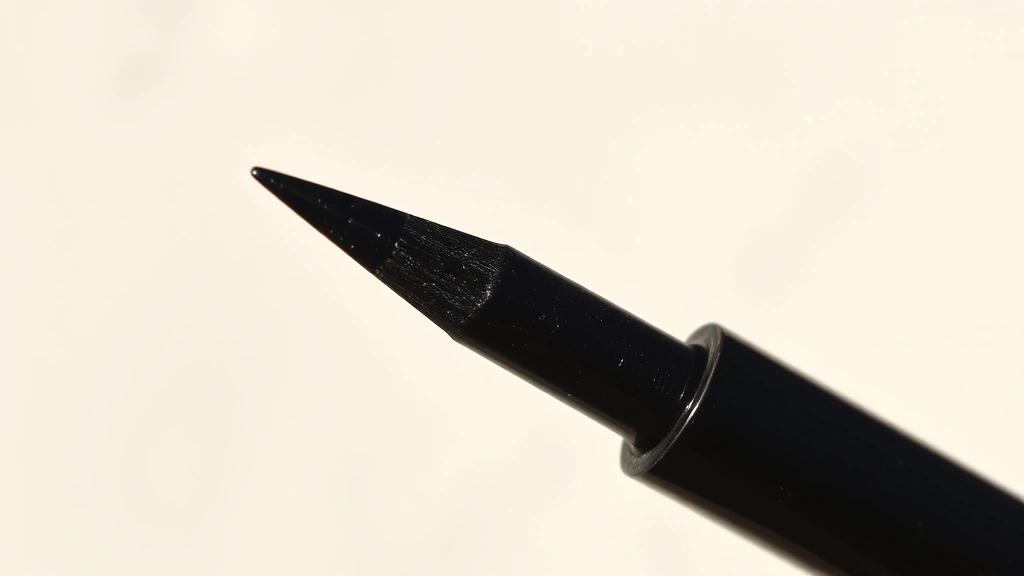
Beauty historians consistently identify the 1950s as the zenith of cosmetic formulation sophistication. This decade witnessed unprecedented investment in pigment research, with manufacturers developing proprietary blending techniques that created multi-dimensional color effects without shimmer overload. The famous “winged eyeliner” aesthetic required eyeliner formulas with exceptional glide properties and instantaneous set times—characteristics achieved through specialized silicate blending and precise viscosity control.
The 1950s foundation category exemplified this era’s technical excellence. Manufacturers created formulations balancing coverage, skin-tone matching, and breathability through careful selection of talc, mica, and kaolin clay. These mineral-based foundations provided buildable coverage without the heavy, mask-like appearance of modern full-coverage products. Dermatologists of this period noted fewer adverse reactions to cosmetics, attributing this partly to the absence of synthetic fragrance compounds and the reliance on naturally-derived emulsifiers.
Blush and bronzer formulations from this period utilized pressed powder technology that optimized pigment-to-binder ratios. The iconic cream blushes featured in vintage collections demonstrate superior blending capabilities compared to modern formulas because they contained higher percentages of natural waxes and lower silicone content. When examining NARS cosmetics eyeshadow formulations, contemporary chemists note that heritage brand approaches often reference 1950s emulsification principles.
1960s Revolution: Mod Makeup and Ingredient Breakthroughs
The 1960s introduced radical aesthetic shifts alongside significant ingredient innovations. The mod makeup movement demanded highly pigmented eyeshadows capable of creating stark graphic designs—requirements that drove development of new colorant technologies and improved suspension systems. Beauty historians recognize this decade as when cosmetic chemists began systematically incorporating film-forming polymers that enhanced color longevity without the heavy feeling of traditional wax-based products.
The introduction of synthetic colorants during the 1960s, while sometimes criticized by modern natural-beauty advocates, actually represented a significant safety advancement. Synthetic iron oxide pigments could be manufactured to precise specifications, eliminating heavy metal contamination risks present in some natural pigment sources. The FDA’s expanded oversight during this period led to better standardization and improved ingredient transparency—principles that contemporary clean beauty movements are essentially re-establishing.
Mascara formulations from the 1960s deserve particular attention from ingredient specialists. Vintage mascaras utilized film-forming resins derived from natural sources—particularly shellac and acacia gum—which created lengthening effects without modern plastic polymers. These formulas required water-based removal, yet provided superior hold and definition. The absence of waterproofing agents meant daily cleansing was simpler, reducing the need for harsh makeup removers that can compromise the skin barrier.
1970s Natural Movement: Skincare-Conscious Formulation
The 1970s represented a philosophical turning point when cosmetics manufacturers began prioritizing skin health alongside aesthetic appeal. This decade’s embrace of the “natural” aesthetic drove reformulation of foundations, concealers, and base products to incorporate ingredients like jojoba oil, shea butter, and plant-derived emollients. Beauty historians note that this movement coincided with increased dermatological research into cosmetic ingredients’ effects on skin barrier function.
Foundation formulations from the 1970s introduced oil-control technology through the incorporation of silicates and clay minerals that absorbed excess sebum without drying the skin. These formulas represented early iterations of what modern skincare chemists call “intelligent” cosmetics—products that respond to skin conditions rather than applying uniform coverage. The vintage foundations from this era demonstrate remarkable staying power, partly because the lower pigment-to-binder ratios reduced oxidation and color-shifting throughout the day.
The 1970s also witnessed sophisticated development of cream eyeshadow formulations that prioritized skin compatibility. These products incorporated vitamin E, allantoin, and botanical extracts—ingredients chosen specifically for their skin-conditioning properties. Interestingly, many contemporary skincare routine with retinol and hyaluronic acid principles are being integrated into modern makeup formulations, a trend that directly echoes 1970s philosophy about cosmetics’ dual role as both beauty and skincare products.
1980s Drama: Bold Formulas and Color Theory
The 1980s brought maximalist aesthetics and corresponding innovations in cosmetic formulation. This decade’s bold makeup looks—dramatic eyeshadow applications, high-pigment blushes, and statement lip colors—required formulas with superior adhesion, color intensity, and blending capabilities. Beauty chemists developed advanced emulsification techniques that created smoother textures while maintaining pigment concentration levels that would have been impossible in earlier decades.
Eyeshadow palettes from the 1980s featured revolutionary color combinations based on advanced color theory research. Manufacturers began scientifically analyzing how specific pigment ratios could create optical illusions of depth and dimension. The innovative use of complementary colors—purples with yellows, teals with corals—represented a departure from earlier decades’ more conservative palettes. These formulations required precise pigment milling and specialized binders that could support multiple color interactions without muddying.
The 1980s also witnessed significant advancement in long-wear liquid eyeliner formulations. These products introduced film-forming resins that created waterproof barriers without the brittleness of earlier waterproof formulas. The improved flexibility meant that eyeliner could move with the eyelid without cracking or flaking—a technical achievement that modern makeup artists still reference when evaluating contemporary eyeliner performance.
Why Vintage Cosmetics Outperform Modern Alternatives
Beauty historians and cosmetic chemists identify several specific reasons why vintage makeup formulations often demonstrate superior performance compared to contemporary products. First, the absence of excessive silicone polymers in heritage formulas meant that pigments could be suspended in more elegant, refined carriers. Modern silicone-heavy formulations often create a plasticky feel and can appear chalky or overly matte—characteristics that vintage formulations largely avoided through reliance on natural waxes and oils.
Second, vintage cosmetics manufacturers operated under different regulatory frameworks that often emphasized ingredient simplicity. The shorter ingredient lists in heritage formulas meant fewer potential interactions between incompatible components. Modern formulations sometimes include redundant preservative systems, stabilizers, and film-formers that can compromise texture and performance. When examining ingredient databases, vintage formulas often contain 15-25 components, while contemporary products frequently list 40-60 ingredients.
Third, the manufacturing processes used for vintage cosmetics prioritized small-batch quality control. Contemporary mass-production methods, while ensuring consistency, sometimes sacrifice the nuanced texture refinement that characterized heritage formulations. Vintage powder products demonstrate this distinction clearly—the milling techniques used in the 1950s-1970s created microscopically uniform particles that blended seamlessly, while modern machinery sometimes creates inconsistent particle sizes that can appear streaky or uneven.
Fourth, vintage cosmetics formulations often incorporated superior natural emollients and conditioning agents. Ingredients like lanolin, beeswax, and plant-derived oils were selected specifically for their skin-compatibility and performance characteristics. Modern formulations sometimes substitute these ingredients with cheaper synthetic alternatives that lack the same efficacy or sensorial qualities. The result is that vintage lipsticks feel more luxurious and comfortable, while vintage mascaras hold their curl longer without the flaking that plagues many contemporary formulas.
Ingredient Analysis: What Made Heritage Makeup Superior
Natural Wax Systems: Vintage cosmetics relied heavily on beeswax, carnauba wax, and candelilla wax as structural components. These natural waxes create formulas with superior glide properties and remarkable stability. Modern formulations increasingly substitute these with synthetic wax alternatives that don’t perform identically. Beeswax, specifically, contains naturally occurring emollients and possesses a melting point that makes it ideal for lip and cream formulations—characteristics that synthetic wax polymers cannot fully replicate.
Mineral Pigments: Heritage cosmetics utilized iron oxides, mica, and natural mineral pigments milled to precise specifications. These pigments demonstrate superior color payoff and dimensional depth compared to some modern synthetic colorants. Iron oxide pigments, in particular, have been used safely for centuries and provide reliable color that doesn’t shift or oxidize as readily as some synthetic alternatives. The FDA’s approval of iron oxides as color additives reflects decades of safety data supporting their use in cosmetics.
Natural Emulsifiers: Vintage formulations employed beeswax, lecithin, and plant-derived emulsifiers that created stable formulations without modern synthetic surfactants. These natural emulsifiers work with skin rather than against it, reducing the potential for irritation. Contemporary formulations sometimes utilize synthetic emulsifiers that are technically more stable but can compromise skin barrier function with regular use—a concern that beauty historians and dermatologists increasingly recognize.
Botanical Conditioning Agents: Heritage cosmetics frequently incorporated oils and extracts from plants like rose, chamomile, and lavender. These ingredients served dual purposes—enhancing formula stability while providing skin benefits. Modern formulations sometimes include these botanicals as token ingredients in minimal concentrations, whereas vintage formulas often featured them as primary components. The concentration difference translates to measurable differences in skin conditioning and comfort during wear.
Absence of Silicone Overload: Vintage cosmetics rarely relied on silicone polymers as primary ingredients. While silicones offer certain performance benefits, excessive use can create buildup on skin and prevent proper absorption of skincare products. This is particularly relevant for consumers who follow comprehensive gentle face cleansers for sensitive skin routines—vintage makeup formulations are inherently more compatible with gentle skincare approaches because they don’t create synthetic barriers that require aggressive cleansing.
Modern Brands Reviving Vintage Formulations
Contemporary beauty brands increasingly recognize vintage formulations’ superiority, leading to deliberate revivals and reformulations based on heritage principles. Luxury cosmetics manufacturers are investing in research that examines archived formulas from the 1950s-1980s, seeking to understand the precise ingredient ratios and manufacturing processes that created such exceptional products. This trend extends beyond nostalgia—it represents a genuine acknowledgment that modern formulation science sometimes sacrifices performance for convenience and cost-efficiency.
Heritage beauty brands that maintained consistent formulations throughout decades are experiencing unprecedented demand. Consumers recognize that products that have remained essentially unchanged since the 1960s or 1970s offer proven efficacy and superior ingredient quality. The resurgence of interest in cosmetics company store locations reflects this trend—consumers actively seek access to classic formulations that contemporary mass-market brands have discontinued or reformulated.
The clean beauty movement has inadvertently validated vintage cosmetics’ ingredient philosophies. By promoting products with shorter ingredient lists, natural emollients, and minimal synthetic polymers, contemporary clean brands are essentially reinventing what vintage cosmetics always represented. Beauty chemists working for modern indie and sustainable brands frequently reference 1970s natural beauty formulations as inspiration, recognizing that these heritage approaches anticipated contemporary ingredient preferences by decades.
Professional makeup artists increasingly incorporate vintage products into their kits, recognizing their superior performance characteristics. The revival of classic looks—from 1950s cat-eyes to 1970s natural aesthetics—creates demand for formulations that perform authentically within these aesthetic frameworks. NARS cosmetics eyeshadow and other contemporary professional brands often explicitly reference heritage formulation principles in their marketing, acknowledging that beauty professionals value performance characteristics established decades ago.
FAQ
What specific vintage makeup brands are still available today?
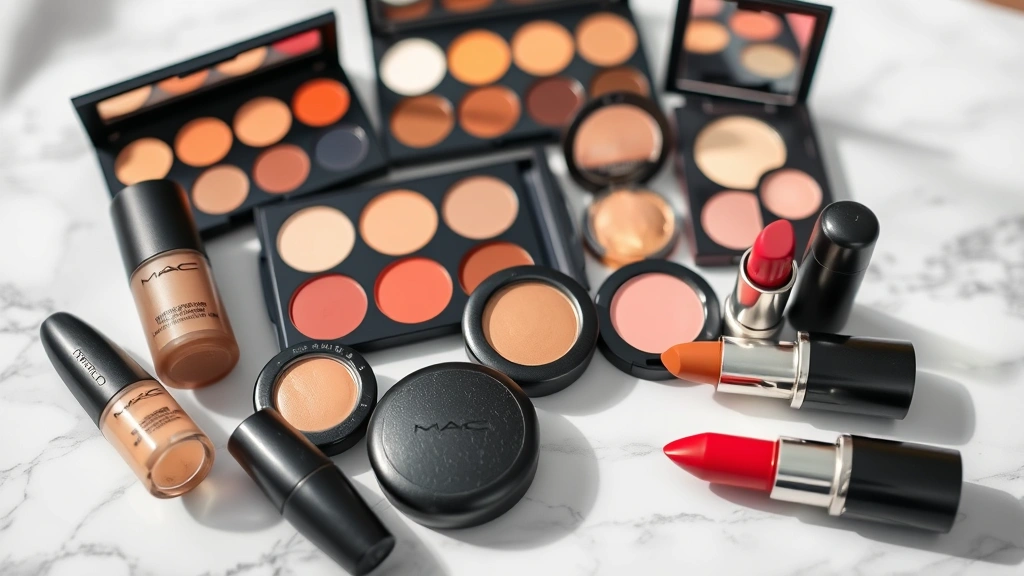
Several heritage cosmetics brands have maintained production continuously since the vintage era, including MAC (which reformulated some classics), Estée Lauder, Clinique, and various regional brands. Additionally, specialty retailers and online platforms now offer reproductions and reformulations inspired by vintage classics. The Beauty Industry Association maintains resources for identifying authentic heritage brands versus contemporary reproductions.
Are vintage cosmetics safer than modern alternatives?
Vintage cosmetics predated many modern preservative systems, which raises both advantages and concerns. Heritage formulations often contained simpler ingredient lists, reducing potential for irritation or adverse reactions in some consumers. However, without modern preservative technology, vintage products—particularly if improperly stored—may be more susceptible to bacterial contamination. Contemporary formulations benefit from decades of safety research and regulatory oversight that didn’t exist during earlier eras.
How do I incorporate vintage makeup trends without using actual vintage products?
Contemporary brands explicitly inspired by vintage formulations and aesthetics offer modern safety standards alongside heritage performance characteristics. Brands specializing in clean cosmetics often employ 1970s-inspired ingredient philosophies, while indie brands frequently reference specific vintage decades in their formulation approaches. Additionally, understanding vintage makeup application techniques—the precision of 1950s eyeliner, the blending methods of 1970s eyeshadow—allows you to recreate vintage aesthetics using contemporary products.
What’s the difference between vintage-inspired and actual vintage cosmetics?
Actual vintage cosmetics are original products manufactured decades ago, often available through specialty retailers, estate sales, or online platforms. These products may have degraded over time and lack modern safety certifications. Vintage-inspired cosmetics are contemporary formulations that reference heritage principles—shorter ingredient lists, natural emollients, specific pigment ratios—while meeting modern safety and regulatory standards. For consumers seeking vintage aesthetics without storage or safety concerns, vintage-inspired products offer optimal solutions.
Can I use vintage makeup if I have sensitive skin?
Vintage formulations’ simpler ingredient lists often benefit sensitive skin, as fewer components mean fewer potential irritants. However, individual sensitivities vary significantly. Some vintage products may contain ingredients—certain preservatives or fragrance components—that trigger reactions in sensitive individuals. Conversely, modern formulations’ synthetic polymers sometimes irritate sensitive skin more readily than heritage natural emollients. Testing any cosmetic product, vintage or contemporary, on small skin areas before full application is essential for sensitive skin types. Following a comprehensive homemade face masks for glowing skin routine can help maintain skin barrier health when using any cosmetics.
Why did cosmetics manufacturers move away from vintage formulation approaches?
Several factors drove the shift from vintage to modern formulations. Cost-efficiency improvements through synthetic ingredients reduced manufacturing expenses. Regulatory changes required updated preservative systems and stability testing. Consumer demand for “waterproof,” “long-wear,” and “transfer-resistant” formulations drove development of synthetic polymers that natural waxes and oils couldn’t achieve. Additionally, mass-production scaling prioritized consistency and shelf-stability over the artisanal refinement that characterized heritage formulations. Marketing emphasis on innovation sometimes obscured that vintage formulations actually performed superior for specific applications.