Table of Contents
Introduction
Ever had your skin suddenly turn red, itchy, and angry after touching something? Welcome to contact dermatitis—a condition that affects millions of people worldwide and has probably ruined more than a few good days. It’s that frustrating skin reaction that shows up when your body decides it really doesn’t like something you’ve touched, worn, or used.
Here’s the thing about contact dermatitis: it’s sneaky. One day you’re fine using your regular soap, and the next day your hands look like you’ve been wrestling with poison ivy. (And sometimes, that’s exactly what happened.) The redness, itching, and inflammation can range from mildly annoying to absolutely miserable, depending on what triggered it and how sensitive your skin happens to be.
You know what’s really frustrating? When it’s caused by everyday stuff you can’t easily avoid—dish soap, laundry detergent, that new perfume you loved, or even the metal in your favorite jewelry. If you’re dealing with sensitive skin that seems to react to everything, learning about skincare products for sensitive skin can be a real game-changer for managing reactions before they get out of hand.
The good news? Contact dermatitis is totally treatable. And I mean really treatable—not just “slap some lotion on it and hope for the best” treatable. We’re talking about both home remedies that actually work and medical treatments that can get you back to comfortable skin faster than you might think. If you’ve been dealing with persistent skin issues or wondering about infections, checking out effective methods to treat skin infections can give you additional insights that work hand-in-hand with dermatitis care.
But here’s what I’ve learned: treatment is only half the battle. Prevention is where the real magic happens. Once you figure out what’s triggering your skin reactions and how to protect yourself from future flare-ups, life gets so much easier. Think of it like becoming a detective for your own skin—you’ll start recognizing the culprits before they can cause trouble. Resources about prevention of skin dryness can help you understand how to keep your skin barrier strong and resilient, especially if you’re already prone to sensitivity.
What You’ll Learn in This Guide
This guide is going to walk you through everything you need to know about managing contact dermatitis—from understanding what’s happening to your skin to getting real relief that lasts. No medical jargon, no complicated theories, just practical advice you can actually use.
- Understanding Contact Dermatitis: We’ll break down the different types of contact dermatitis, help you identify the most common irritants and allergens that might be causing your problems, and teach you how to spot them so you can avoid future flare-ups.
- Home Remedies and Care: You’ll discover simple but effective things you can do right now at home—like using cool compresses the right way, choosing skincare products that won’t make things worse, and keeping your skin clean without over-doing it.
- Medical Treatments: Learn when it’s time to bring in the big guns—corticosteroid creams, antihistamines, and other medications that can speed up healing when home remedies aren’t cutting it.
- Prevention and Lifestyle Tips: This is where we get into the really useful stuff—how to protect your skin from future outbreaks, what protective clothing actually helps, how to choose truly hypoallergenic products, and how to catch warning signs early.
By the time you finish reading this, you’ll feel confident making decisions about your skin health instead of just hoping things get better on their own. Understanding what causes your reactions and how to treat them properly is like having a roadmap instead of wandering around lost. And if you want to dive deeper into skin hydration (which can be super helpful for healing), learning about skincare products with hyaluronic acid can give your skin that extra boost it needs to bounce back stronger.
This isn’t just about treating symptoms when they show up—though we’ll definitely cover that. It’s about understanding your skin well enough to prevent problems before they start, treat them effectively when they do happen, and get back to living your life without constantly worrying about what might trigger your next flare-up.
Ready to take control of your skin health? Let’s dive into everything you need to know about contact dermatitis treatment, prevention strategies, and how small changes in your routine can make a huge difference in how your skin looks and feels.
Contact dermatitis is one of those skin conditions that can catch you completely off guard. One day your skin is fine, the next it’s red, itchy, and angry—all because you touched something your skin didn’t like. If you’ve been there, you know how frustrating it can be. The good news? Once you understand what’s happening and know how to handle it, you can get real relief and prevent it from happening again. Let’s walk through everything you need to know about dealing with contact dermatitis, from figuring out what’s causing it to finding treatments that actually work.
Understanding Contact Dermatitis: Causes, Symptoms, and Types
Here’s the thing about contact dermatitis—it’s not just one condition. There are actually two main types, and knowing which one you’re dealing with makes all the difference. First, there’s irritant contact dermatitis. This happens when something physically damages your skin—think harsh soaps, cleaning products, or that industrial-strength hand sanitizer that leaves your hands feeling like sandpaper. Then there’s allergic contact dermatitis, which is your immune system throwing a fit over something it considers an enemy. Could be poison ivy, that cheap jewelry that always makes your skin turn green, or even your favorite perfume. Understanding which type you have? That’s your roadmap to getting better. Want to dive deeper into treatment strategies? Check out how to treat contact dermatitis effectively—it’s got some solid advice that builds on what we’re covering here.
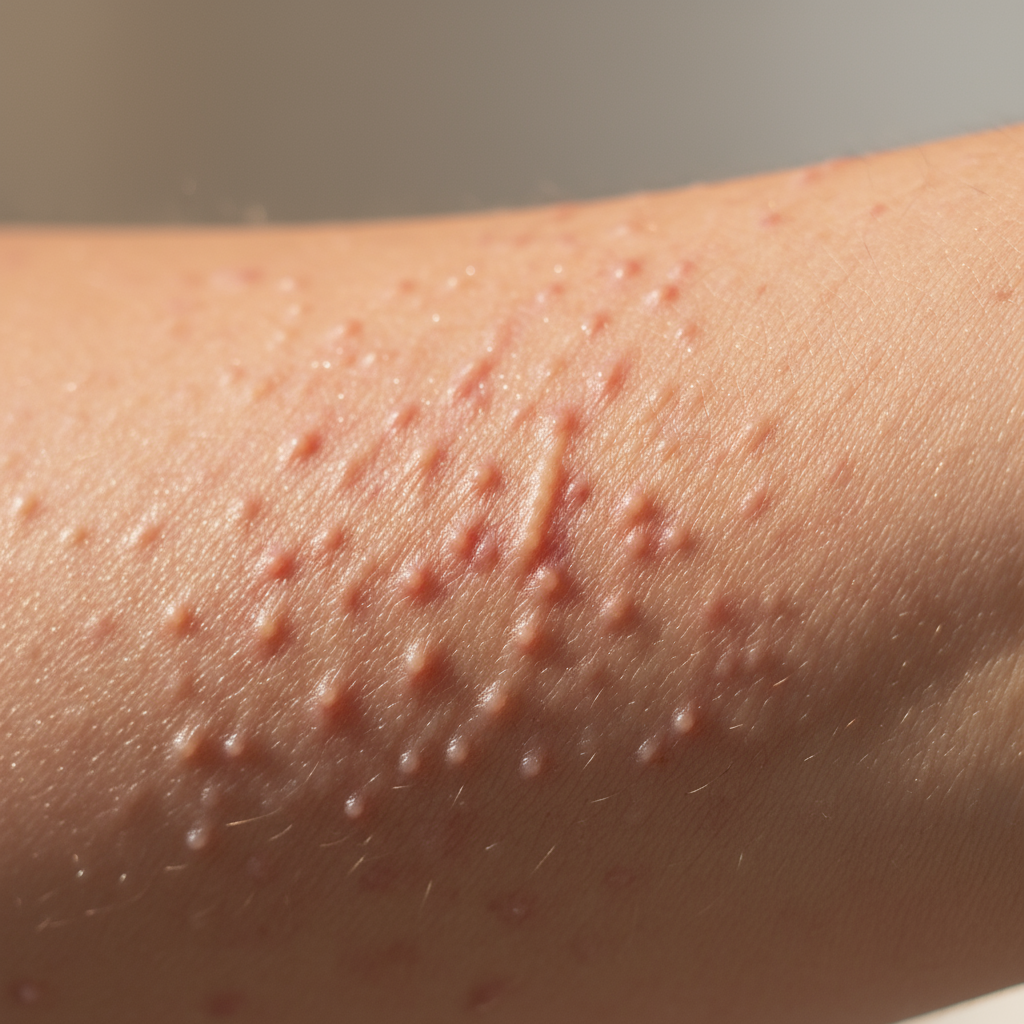
So what does contact dermatitis actually look like? The telltale signs are hard to miss. Your skin gets red and starts itching like crazy. Swelling follows, and if things get really bad, you might see blisters or skin that’s so dry it cracks. The intensity can vary wildly—sometimes it’s just annoying, other times it’s “I can’t think about anything else” level uncomfortable. Catching these symptoms early is huge because that’s when you can jump in with treatment before things get worse. Plus, once you start recognizing the pattern, you become a detective of sorts, figuring out what in your daily routine—maybe that new laundry detergent or the rubber gloves at work—might be the culprit.
Key Aspects of Understanding Contact Dermatitis
Let’s break down what you really need to know to get a handle on this condition:
- Irritants and Allergens: The first step is playing detective to find your triggers. Irritants are the obvious bad guys—harsh soaps, bleach, those heavy-duty degreasers. But allergens can be sneaky. That nickel in your belt buckle, the fragrance in your moisturizer, or even the rubber in your yoga mat could be causing problems without you realizing it.
- Skin Reaction Mechanisms: Think of it this way—irritant dermatitis is like getting a chemical burn (your skin is literally damaged), while allergic dermatitis is more like your immune system having an overreaction to something harmless. Different problems need different solutions, which is why figuring out which type you have matters so much.
- Trigger Identification and Avoidance: This is where you become a skin detective. Start reading ingredient labels like your skin depends on it (because it does). Try patch testing new products on a small area first. And don’t hesitate to ask your doctor or dermatologist for help—they’ve seen it all and can often spot patterns you might miss.
- Symptom Awareness and Progression: Here’s something important—that initial itch or slight redness? That’s your skin’s early warning system. Pay attention to it. The sooner you recognize what’s happening and take action, the better your chances of stopping things before they escalate to blisters or cracked, painful skin.
Getting comfortable with these basics sets you up for success. Because once you understand your skin and what sets it off, managing contact dermatitis becomes so much easier. Now let’s talk about what to do when a flare-up happens—both the things you can try at home and when it’s time to call in the professionals.
Treatment Options for Contact Dermatitis: Home and Medical Interventions
When contact dermatitis strikes, you want relief—fast. The good news is there’s plenty you can do, starting right at home. Step one is always the same: stop touching whatever caused the problem in the first place. Sounds obvious, but you’d be surprised how often people keep using the soap that’s making them miserable. Next up? Cool compresses are your friend. They feel amazing on angry skin and actually help reduce the inflammation. Need more ideas for calming irritated skin naturally? This guide on how to soothe irritated skin has some great techniques you can try during flare-ups.
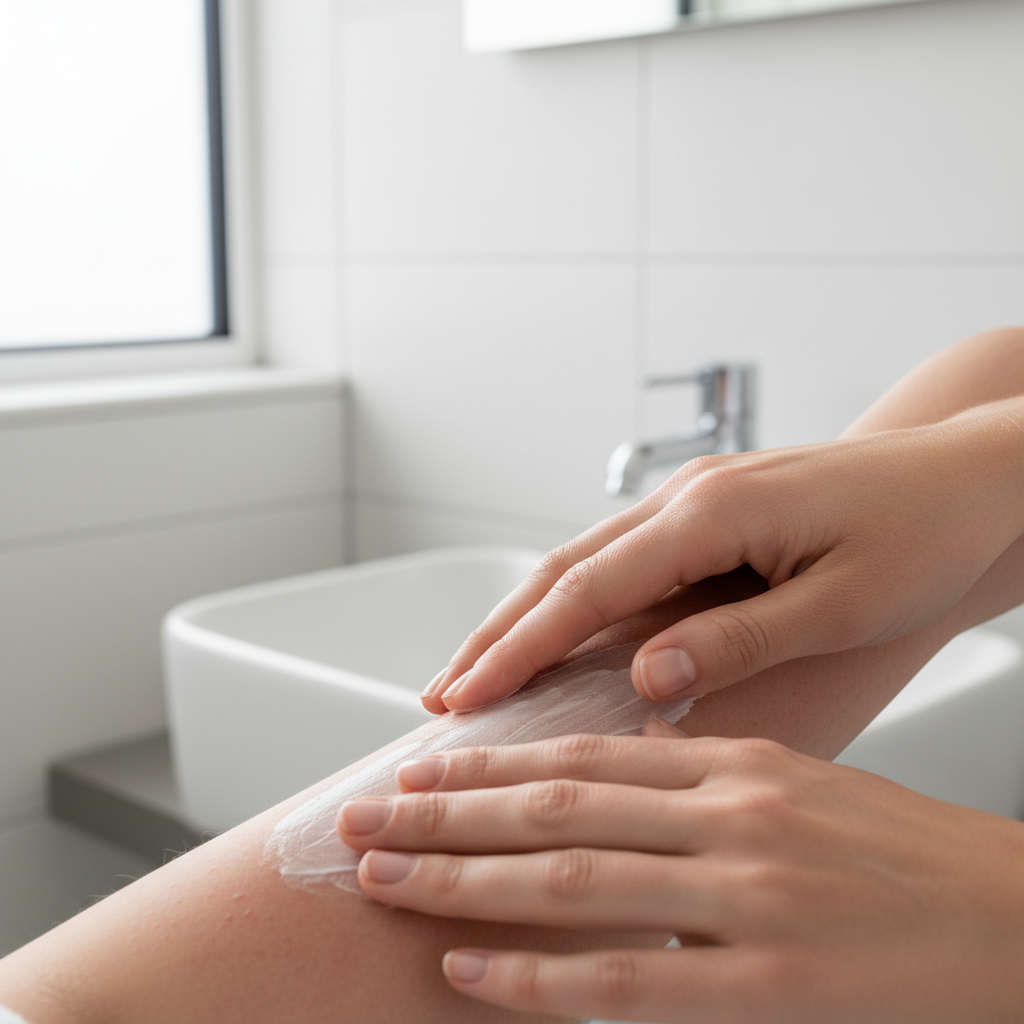
For most mild to moderate cases, you can find real relief at your local pharmacy. Over-the-counter hydrocortisone cream is a game-changer for reducing inflammation and stopping that maddening itch. Keep the area clean (but don’t go overboard with washing—you don’t want to irritate it more) and try to keep it dry. But here’s when you need to wave the white flag and see a doctor: if your symptoms aren’t getting better after a week, if they’re spreading, or if you see signs of infection like pus or increased pain. Your doctor has access to the heavy-duty stuff—prescription-strength steroids, antihistamines that actually work, and antibiotics if bacteria have crashed the party.
Key Aspects of Contact Dermatitis Treatment
Here’s your complete game plan for tackling contact dermatitis:
- Avoidance of Triggers: This might mean switching to fragrance-free everything, wearing gloves when cleaning, or saying goodbye to that favorite piece of jewelry that always leaves a mark. It’s not always fun, but it’s the most effective thing you can do.
- Symptom Relief With Home Remedies: Cool compresses, gentle moisturizers, and proper (but not excessive) cleaning can work wonders. The key is being gentle with your skin while it heals. Think of it like nursing a sunburn—you want to soothe, not scrub.
- Use of Topical and Oral Medications: Start with over-the-counter hydrocortisone for inflammation, and don’t underestimate antihistamines for the itch (especially at night when itching can keep you awake). If those aren’t cutting it, prescription options can provide the extra strength you need.
- Professional Medical Care When Needed: Some situations require professional help—widespread rashes, signs of infection, or symptoms that just won’t quit. Your doctor or dermatologist can prescribe stronger treatments and help you develop a long-term management plan that actually works for your life.
The truth is, managing contact dermatitis effectively often means combining several approaches. Home remedies for day-to-day comfort, medications when you need them, and professional guidance when things get complicated. But the real win comes from prevention—learning what triggers your skin and staying one step ahead of future flare-ups. Your skin will thank you for it.

Contact dermatitis might sound complicated, but here’s the thing—it’s actually pretty common. Your skin simply doesn’t like something it’s touched, whether that’s an irritant (like harsh soap) or an allergen (maybe that new jewelry). The tricky part? Figuring out which type you’re dealing with makes all the difference in how you handle it. You’ll know it when you see it: redness, itching, swelling, and sometimes those annoying blisters or cracks. Catching it early means less misery for you. We’re talking everyday culprits here—soaps, detergents, that costume jewelry, even plants in your garden. Once you identify your personal troublemakers, you’re already ahead of the game.
Now, let’s talk treatment. Good news first—you don’t always need a doctor’s appointment. Start with the obvious: stop touching whatever’s causing the problem. (I know, easier said than done sometimes.) Cool compresses feel amazing and really do help. Those over-the-counter steroid creams? They work. But if your skin isn’t getting better—or worse, if it’s getting angrier—don’t tough it out. That’s when prescription treatments come in handy: stronger topical steroids, antihistamines for the itching, or antibiotics if things get infected. Think of it as a tag-team approach: you handle the basics, and your doctor steps in when needed.
Here’s what I wish more people knew: prevention beats treatment every single time. Gloves are your best friend, especially if you work with your hands. Fragrance-free, hypoallergenic products aren’t just marketing buzzwords—they actually matter. Keep your skin moisturized; think of it as building a protective wall. Read those ingredient labels (yes, even the tiny print). Create a skin-friendly bubble around yourself when possible. Watch for red flags: if that rash is spreading, getting worse, or looks infected, call your doctor. Don’t wait and hope it goes away.
Ready to take action? Start playing detective with your triggers—this might be the most important thing you do. What were you using, wearing, or touching before the rash appeared? Once you crack that code, everything else gets easier. Gentle cleansing, those cooling compresses we talked about, and careful application of the right creams will become your daily routine. But remember—if things aren’t improving or you’re getting worried, reach out for professional help. Want to dive deeper? Check out our detailed guide on how to treat contact dermatitis effectively. When your skin is screaming for relief, our tips on how to soothe irritated skin can be a lifesaver. And since picking the right products matters so much, learn about skincare products for sensitive skin that won’t betray you. Oh, and here’s something interesting—stress can make skin conditions worse. Our guide on effects of stress on the body might surprise you with the connections. Your skin health is part of your overall wellness picture.
Bottom line? Knowledge really is power when it comes to contact dermatitis. Understanding how your skin reacts, managing flare-ups when they happen, staying ahead of triggers, and taking care of your whole self—that’s your winning strategy. You don’t have to suffer through this alone. Professional help is there when you need it, and resources like our guide on how to treat skin infections keep you prepared for whatever comes next. Your skin deserves better, and now you know exactly how to give it what it needs.
Frequently Asked Questions
-
What is the main cause of contact dermatitis?
- Contact with irritants or allergens triggers the skin reaction.
-
Can contact dermatitis be cured completely?
- While symptoms can be managed and prevented, sensitivity may persist, so avoiding triggers is important.
-
Are corticosteroid creams safe to use?
- When used as directed, they are generally safe and effective for reducing inflammation.
-
How can I prevent contact dermatitis at work?
- Using protective gloves and barrier creams can reduce exposure to irritants.