Table of Contents
Introduction
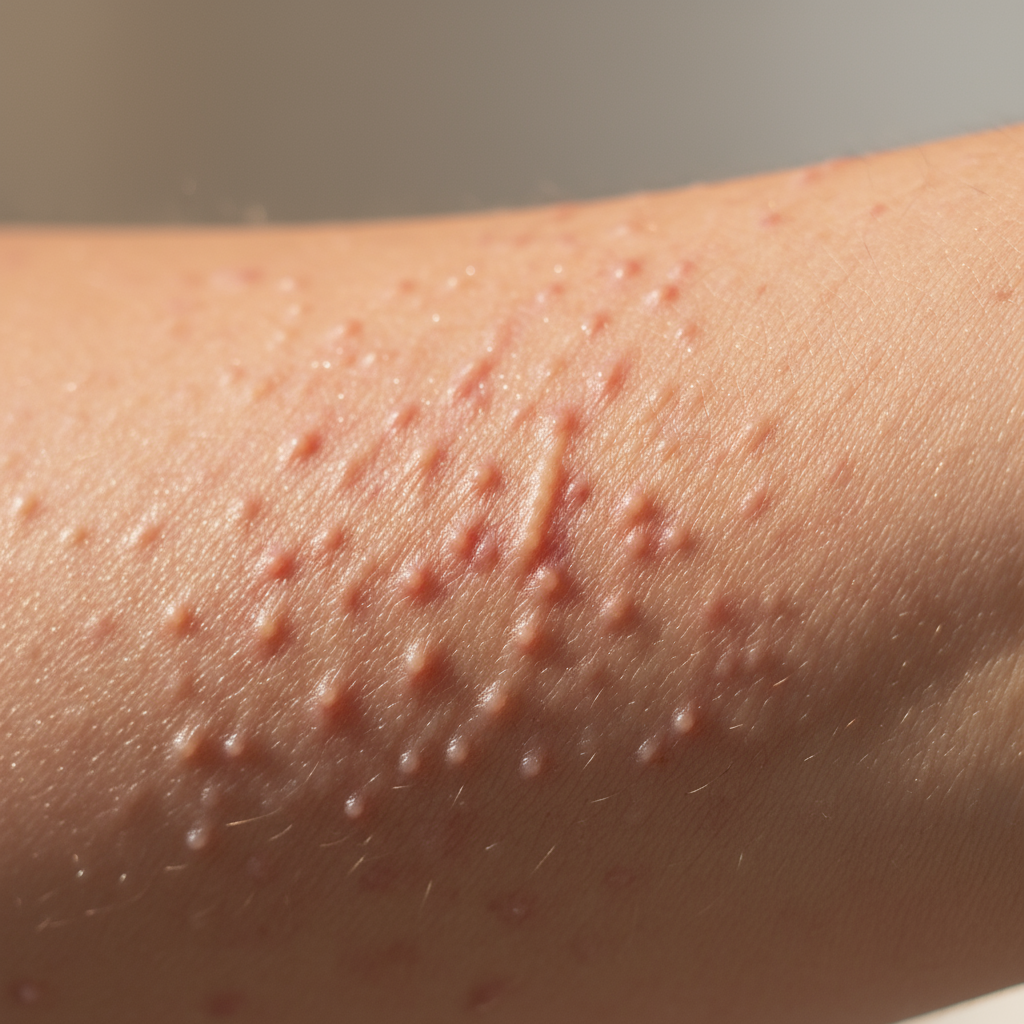
That prickly, itchy feeling on your skin when it’s hot out? Yeah, that’s probably heat rash—and it’s way more common than you’d think. Picture this: you’re enjoying a summer day, maybe exercising or just dealing with humid weather, and suddenly your skin erupts in these annoying red bumps that itch like crazy. Sound familiar? Heat rash happens when your sweat ducts get clogged up, trapping moisture under your skin and creating those uncomfortable blisters and swelling that can make you miserable.
Here’s the thing about heat rash—it’s not just a minor inconvenience. When your sweat glands can’t do their job properly (thanks to blockages from heat, humidity, or those tight clothes that seemed like a good idea), your skin rebels. And if you ignore it? Well, it can get worse, leading to infections or more serious irritation. The good news is you’re not alone in dealing with tricky skin issues—many people also struggle with things like sebaceous cysts and various skin infections, all of which need the right approach to keep your skin happy and healthy.
Now, let’s talk about what really works. Taking care of sensitive, irritated skin isn’t rocket science, but it does require the right approach. Choosing gentle skincare products for sensitive skin makes a huge difference, along with learning how to soothe irritated skin properly. You might even find that natural remedies, like homemade face masks for glowing skin, can give your skin the extra TLC it needs while calming that annoying prickly sensation.
But here’s what really gets me—heat rash doesn’t just mess with your skin. It messes with your head too. Suddenly you’re self-conscious, uncomfortable, and maybe even canceling plans because you feel gross. That’s exactly why catching it early matters so much. Quick action with cooling techniques, proper moisturizing, and smart protection can stop it from becoming a bigger problem. If you notice facial swelling or inflammation (which can happen), resources like how to reduce facial swelling fast and antioxidant-rich skincare products can be game-changers. Don’t forget that preventing skin dryness is equally important—check out these helpful tips on how to avoid skin dryness to keep your heat rash care on track.
What You’ll Learn in This Guide
This guide will walk you through everything you need to know about heat rash—from spotting it early to getting rid of it fast. No fluff, just practical advice that actually works.
- Recognizing Heat Rash Symptoms: Learn to identify the typical signs like red bumps, itching, and irritation to catch heat rash early and apply appropriate treatment promptly.
- Effective Immediate Care: Discover practical measures such as cooling techniques and choosing breathable clothing to soothe existing rashes and prevent worsening.
- Topical and Home Remedies: Understand safe use of skincare products and natural remedies, including calming lotions and moisturizing routines that support healing without aggravation.
- Prevention Strategies: Gain valuable tips on environmental control, skin care, and lifestyle habits to avoid sweat gland blockages and keep your skin rash-free during hot weather.
Throughout this article, you’ll get expert advice based on proven skincare practices. We’ll talk about powerhouse ingredients like niacinamide and the winning combination of retinol with hyaluronic acid—both can seriously boost your skin’s ability to bounce back and reduce irritation. Plus, we’ll cover when it’s time to call in the professionals if your symptoms just won’t quit.
Ready to dive deeper? We’re going to break down exactly what causes heat rash—spoiler alert: it’s all about those blocked sweat ducts getting overwhelmed by heat and moisture. Then we’ll get into the good stuff: treatments that actually work. We’re talking topical solutions, natural remedies you probably have at home, and lifestyle tweaks that’ll give you quick relief. Prevention is huge here (because who wants to deal with this repeatedly?), so we’ll cover everything from choosing the right clothes to keeping your skin clean and managing your environment when the mercury rises.
And here’s something interesting—your stress levels can actually make skin problems worse. That’s why we’re including some solid stress management techniques from health experts on how to reduce stress naturally. Because when you’re calmer, your skin tends to be happier too.
By the time you finish reading this, you’ll know exactly what to do when heat rash strikes—and more importantly, how to stop it from happening in the first place. Whether you’re dealing with this yourself or trying to help someone you care about, you’ll have a solid game plan and all the resources you need to keep your skin comfortable and healthy, no matter how hot it gets outside.

Now that we’ve covered what heat rash is and why it happens, let’s get to the good stuff—how to actually treat this annoying condition and keep it from coming back. Look, heat rash might seem minor, but when you’re dealing with that prickly, itchy feeling, you want relief fast. The right approach can make all the difference in how quickly you heal and how comfortable you feel while your skin recovers.
How to Treat Heat Rash Effectively
Here’s your game plan: soothe the irritation, calm the inflammation, and prevent any nasty infections from setting in. When those sweat ducts get clogged, sweat gets trapped under your skin—and that’s when you get those bumps, redness, and that maddening itch. Your first move? Focus on immediate relief and giving your skin what it needs to bounce back.
Think gentle, always gentle. Hot showers might feel good, but they’re not doing your irritated skin any favors. Same goes for harsh soaps and thick creams that’ll just clog things up more. Instead, stick with mild, soothing products and be consistent about it. If you notice signs that things are getting worse—more redness, swelling, or any pus—don’t wait. Get medical help. Learning how to soothe irritated skin is honestly one of the best skills you can have when dealing with heat rash.
Key Aspects of Treating Heat Rash
Managing heat rash effectively comes down to a few crucial things. Here’s what you need to focus on:
- Immediate Cooling and Ventilation: First things first—get somewhere cool and ditch those tight clothes for something loose and breathable. Cool compresses or a lukewarm bath can work wonders for that burning, itchy sensation. Your skin will thank you for the instant relief.
- Topical Treatments for Inflammation: Calamine lotion is your friend here, along with other gentle anti-inflammatory creams. For stubborn cases, you might need something stronger like hydrocortisone cream—but check with a healthcare provider first. Understanding how to reduce skin inflammation gives you the insight you need to make smart treatment choices.
- Preventing Secondary Infections: This is where things can get tricky. Heat rash sometimes opens the door for bacteria to cause infections. Keep things clean, resist the urge to scratch (easier said than done, I know), and watch for warning signs. If you see increased redness or pus, don’t mess around—get medical attention. Knowing how to treat skin infections could save you from bigger problems down the road.
- Managing Itching: The itch can drive you absolutely crazy, and scratching just makes everything worse. Keep your nails short and use gentle topical treatments to get some relief. Trust me, learning how to reduce itchy skin effectively will make your recovery so much more bearable.
Remember, everyone’s skin reacts differently, and what works for your friend might not work exactly the same for you. The key is staying consistent with gentle care and knowing when to call in the professionals. Now, let’s talk about something even better than treatment—preventing heat rash in the first place.
Prevention Strategies for Heat Rash
You know what’s better than treating heat rash? Not getting it at all. If you live somewhere hot and humid, or you’re just prone to this kind of skin trouble, prevention becomes your best friend. It’s all about keeping your skin healthy, your sweat ducts clear, and your body cool and dry. Once you get these habits down, you can actually enjoy summer weather without worrying about breaking out in a rash.
Your skincare routine matters more than you might think. Look for products with ingredients like niacinamide, ceramides, and antioxidants—they’re like bodyguards for your skin, keeping it strong and less likely to get irritated. Stay hydrated (inside and out), but skip those heavy, greasy lotions that’ll just trap moisture and clog things up. It’s really about working with your skin, not against it.
Key Aspects of Heat Rash Prevention
Prevention doesn’t have to be complicated. Here are the strategies that actually work:
- Choosing Breathable, Loose-Fitting Clothing: Cotton is your best friend—it lets air flow and sweat evaporate naturally. Synthetic fabrics? They’re heat and moisture traps waiting to cause problems. When in doubt, go loose and natural.
- Maintaining Skin Cleanliness and Dryness: Clean skin with mild products, and always dry off thoroughly after sweating. It sounds simple, but it’s incredibly effective at keeping those sweat ducts clear. Using skincare products for sensitive skin takes your protection game to the next level.
- Using Protective Skincare Ingredients: This is where the science gets good. Ceramides, niacinamide, and antioxidants don’t just sound fancy—they actually strengthen your skin barrier and fight inflammation. Skip the heavy, oily stuff and focus on products that support your skin’s natural defenses. Check out the benefits of skincare products with ceramides and skincare routines with niacinamide to see what might work for you.
- Environmental and Lifestyle Controls: Air conditioning isn’t a luxury when you’re trying to prevent heat rash—it’s a necessity. Fans help too. And here’s something people don’t think about: staying hydrated from the inside helps prevent the skin dryness that can make heat rash worse. There are some great tips in health guides on avoiding skin dryness that can really make a difference.
The bottom line? These prevention strategies aren’t just about avoiding heat rash—they’re about creating an environment where your skin can thrive, even when the weather’s working against you. Combine smart treatment with solid prevention, and you’ve got a winning strategy for keeping your skin comfortable and healthy all year round. Because life’s too short to spend it scratching and uncomfortable.

Heat rash—you know that annoying, prickly feeling when your skin feels like it’s staging a protest against the heat? It happens when your sweat ducts get clogged, trapping moisture right under your skin. Those telltale small red bumps, that maddening itch, and that prickly sensation you can’t ignore? That’s your skin telling you it needs help. Heat, humidity, and those clothes that seemed like a good idea but turned out to be sweat traps are usually the culprits. The good news? Catching it early makes all the difference in getting back to comfortable skin fast.
When heat rash strikes, your first move should be damage control. Get yourself somewhere cool—shade, air conditioning, whatever works. Your skin needs a break from the heat. Try gentle cooling tricks like a damp cloth or a lukewarm bath (I know, lukewarm sounds boring when you’re overheated, but trust me on this). Loose, breathable clothing is your new best friend. Let that skin breathe! Calamine lotion or a little hydrocortisone cream can work wonders for the itching and irritation. Just avoid anything heavy or greasy—your already-blocked pores don’t need more obstacles.
Here’s something important: keep an eye on how things are progressing. If the redness gets worse, you see pus, or you’re dealing with fever, it’s time to call in the professionals. Don’t tough it out when your body is sending clear signals.
Prevention is where you really win this battle. Think of it like setting up your skin for success before the heat wave hits. Cotton and other natural fibers are your allies—they let your skin actually breathe instead of creating a personal sauna. Keep things clean and dry, especially in those areas where sweat likes to hang out. And yes, staying hydrated actually helps your skin handle heat better. Air conditioning and fans aren’t luxuries when you’re prone to heat rash—they’re part of your defense strategy.
Ready to dive deeper into skin care? Our guide on how to treat skin infections covers what to do if things get more complicated than basic heat rash. For ongoing skin irritation issues, check out our practical advice on how to soothe irritated skin—it’s full of gentle techniques that work beautifully alongside heat rash care. And if you’re dealing with sensitive skin in general, our resource about skincare products for sensitive skin will help you build a routine that actually supports your skin instead of fighting it.
Want to know something interesting? Stress can actually make your skin more reactive to heat and irritation. That’s why our guide on stress management techniques might be exactly what you need for better overall skin health. It’s all connected.
The bottom line? Heat rash doesn’t have to ruin your summer (or any hot day, for that matter). Quick action when it happens, smart prevention habits, and paying attention to what your skin is telling you—that’s your game plan. Your skin works hard for you every day, so return the favor with gentle care and smart choices. For more ways to keep your skin happy and healthy, our guide on skincare products with antioxidants has everything you need to protect and nourish your skin year-round.
Frequently Asked Questions
-
What causes heat rash?
- Heat rash is caused by blocked sweat ducts that trap sweat under the skin.
-
How can I relieve heat rash symptoms quickly?
- Move to a cooler area, keep the skin dry, and apply soothing lotions like calamine.
-
Is heat rash contagious?
- No, heat rash is not contagious and does not spread between people.
-
When should I see a doctor for heat rash?
- If symptoms worsen, show signs of infection, or do not improve with home treatment.
-
How can heat rash be prevented?
- Wear loose clothing, stay cool, and keep skin dry to prevent sweat duct blockage.