Retinol Benefits? Dermatologist Insights on This Powerhouse Ingredient
Retinol has become one of the most discussed ingredients in skincare, and for good reason. This vitamin A derivative has earned its place in dermatology clinics and bathroom cabinets worldwide, backed by decades of clinical research and real-world results. Whether you’re dealing with fine lines, acne, or uneven texture, understanding retinol’s mechanisms and benefits can transform your skincare approach.
Dermatologists consistently recommend retinol as a gold-standard anti-aging ingredient, but the science behind its effectiveness extends far beyond marketing hype. From cellular renewal to collagen stimulation, retinol works on multiple levels to address visible signs of aging and skin imperfections. This comprehensive guide explores what dermatologists know about retinol, how it works, and whether it’s right for your skin.
How Retinol Works at the Cellular Level
Retinol functions as a prodrug, meaning your skin must convert it into its active form—retinoic acid—before it can produce visible results. This conversion process is why retinol typically shows slower results compared to prescription-strength retinoids, but it also makes it more accessible for sensitive skin types. When retinol penetrates the dermis, it binds to retinoic acid receptors, triggering a cascade of cellular changes that improve skin quality from within.
The primary mechanism involves increased cell turnover and accelerated exfoliation at the cellular level. Retinol stimulates fibroblasts, the cells responsible for producing collagen and elastin, the structural proteins that maintain skin firmness and elasticity. According to the American Academy of Dermatology, this stimulation can increase collagen production by up to 80% with consistent use over several months. Additionally, retinol normalizes sebum production and helps unclog pores, making it effective for both aging concerns and acne-prone skin.
At the molecular level, retinol also acts as an antioxidant, neutralizing free radicals that contribute to premature aging and skin damage. This dual action—both addressing existing damage and preventing future deterioration—makes retinol a comprehensive anti-aging solution. The ingredient also influences gene expression, essentially telling your skin cells to behave more like younger, healthier cells.
Key Benefits According to Dermatologists
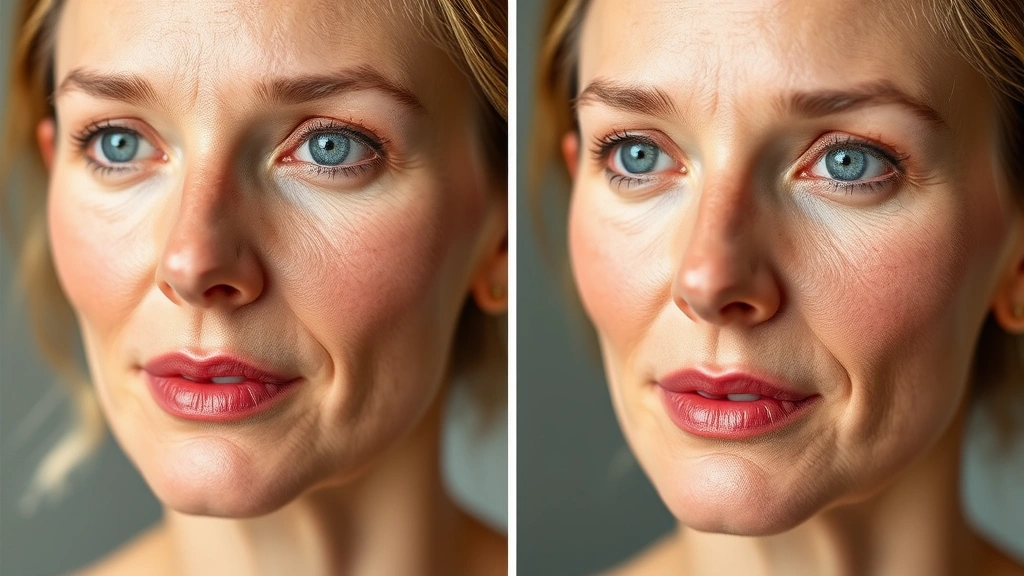
Fine lines and wrinkles represent the most well-documented benefit of retinol use. Clinical studies show that consistent retinol application reduces the appearance of expression lines, particularly around the eyes and mouth, within 8-12 weeks. Dermatologists attribute this to increased hydration retention and enhanced collagen synthesis, which plump the skin and diminish fine lines’ visibility.
Hyperpigmentation and uneven skin tone respond remarkably well to retinol therapy. The ingredient inhibits tyrosinase, an enzyme crucial for melanin production, while simultaneously accelerating the turnover of pigmented cells. This makes retinol particularly effective for addressing age spots, sun damage, and post-inflammatory hyperpigmentation—concerns that many people address through homemade face masks for glowing skin or professional treatments.
Acne and congestion improvements occur through multiple pathways. Retinol normalizes keratinization, the process by which skin cells shed, preventing the clogged pores that lead to comedones. For inflammatory acne, retinol’s anti-inflammatory properties reduce redness and irritation. Many dermatologists recommend retinol as an adjunctive treatment alongside skincare routine for blackheads to address both active breakouts and prevention.
Skin texture refinement is another significant benefit. By promoting cell turnover and collagen remodeling, retinol creates smoother, more refined skin surface with improved radiance. Dermatologists often describe this as the “glow” that emerges after several weeks of consistent retinol use.
Pore appearance visibly diminishes with retinol use. Smaller, less congested pores result from normalized sebum production and improved skin elasticity. This benefit appeals to those concerned with overall skin quality and aesthetic appearance.
Retinol Strengths and Concentrations Explained
Retinol concentrations vary significantly across products, ranging from 0.25% to 2% in over-the-counter formulations. Dermatologists recommend starting with lower concentrations—typically 0.25% to 0.5%—for first-time users, regardless of skin type. This allows your skin’s microbiome to adapt and minimizes irritation during the adjustment period.
Intermediate users with established tolerance can progress to 0.5% to 1% concentrations, which offer more pronounced results while remaining manageable for most skin types. Advanced users and those with resilient skin may benefit from 1% to 2% retinol, though these higher concentrations increase the risk of irritation and require careful application protocols.
Concentration alone doesn’t determine efficacy; formulation matters equally. Retinol is notoriously unstable when exposed to light and air, degrading into less effective compounds. Quality products utilize dark packaging and stabilizing technologies like encapsulation or specialized delivery systems to preserve retinol’s potency. Dermatologists emphasize checking product freshness and storage conditions, as degraded retinol delivers minimal benefits regardless of original concentration.
The vehicle or base formula significantly influences retinol’s effectiveness and tolerability. Retinol dissolved in oils penetrates more effectively than water-based formulations but may feel heavier on oily skin. Lightweight serums offer better compatibility for combination and oily skin types, while richer creams benefit dry and mature skin.
Skin Types and Retinol Compatibility
Oily and acne-prone skin benefits tremendously from retinol’s sebum-regulating and pore-clearing properties. Lightweight retinol serums work best for this skin type, applied 2-3 times weekly initially, then progressing to nightly use as tolerance develops. The combination of retinol with cosmetic-grade skincare ingredients can enhance results, though layering requires careful consideration of ingredient compatibility.
Combination skin requires strategic retinol application. Many dermatologists recommend applying retinol only to oily zones initially, gradually expanding to the entire face as tolerance increases. This approach prevents unnecessary irritation on sensitive areas while delivering targeted benefits where needed most.
Dry and sensitive skin demands the gentlest retinol approach. Starting with 0.25% concentration, applied just 1-2 times weekly, allows gradual adaptation. Pairing retinol with hydrating ingredients like hyaluronic acid and ceramides buffers irritation and supports the skin barrier. Those struggling with how to stop skin peeling should incorporate retinol cautiously, as the ingredient naturally increases cell turnover and may temporarily exacerbate peeling.
Mature skin responds excellently to retinol, with most dermatologists recommending consistent use for maximum anti-aging benefits. The combination of retinol’s collagen-stimulating properties with other age-supporting ingredients creates comprehensive anti-aging protocols that address multiple aging mechanisms simultaneously.
Sensitive skin with conditions like rosacea or eczema requires medical-grade guidance before retinol introduction. While some dermatologists successfully incorporate low-concentration retinol into sensitive skin routines, others recommend waiting until skin barrier function stabilizes. Patch testing remains essential for this population.
Common Side Effects and How to Minimize Them
Retinization, the adjustment period when skin acclimates to retinol, typically lasts 2-8 weeks. Common symptoms include mild redness, dryness, flaking, and temporary increased sensitivity to sunlight. Dermatologists emphasize that these effects are normal and usually resolve as skin adapts, though they can be minimized through strategic application protocols.
The “start low, go slow” principle forms the foundation of retinol introduction. Beginning with the lowest effective concentration, applied just 1-2 times weekly, allows gradual adaptation. Progressive frequency increases—moving from twice-weekly to every-other-night to nightly use—occur only after several weeks of tolerance development. This measured approach prevents severe irritation that discourages continued use.
Buffering retinol with moisturizer reduces irritation significantly. Applying retinol to slightly damp skin, then layering a hydrating moisturizer, creates a buffering effect that maintains efficacy while reducing irritation. Some dermatologists recommend the “sandwich method,” applying moisturizer, then retinol, then additional moisturizer, for sensitive skin types.
Retinol increases photosensitivity, making daily SPF application non-negotiable. Dermatologists universally recommend broad-spectrum SPF 30 minimum during retinol use, with SPF 50 preferred. This protects against UV-induced damage and prevents post-inflammatory hyperpigmentation that can occur if skin is exposed to sun while using retinol.
Avoiding concurrent irritating ingredients prevents unnecessary inflammation. Combining retinol with strong acids (glycolic, salicylic), vitamin C, or other potent actives can overwhelm the skin barrier. Most dermatologists recommend using retinol on alternate nights if combining with other active ingredients, or reserving retinol for evening use while using other actives during the day.
Retinol vs. Retinoids: Understanding the Difference
Retinol occupies the middle tier of the retinoid family, more potent than retinyl palmitate or retinaldehyde but less strong than prescription retinoids. This positioning makes retinol ideal for many users—effective enough to deliver meaningful results while remaining accessible without a prescription. Understanding this hierarchy helps consumers select appropriate products for their needs and expectations.
Prescription retinoids like tretinoin (Retin-A), adapalene (Differin), and retinoids (Accutane) bind directly to retinoic acid receptors without requiring conversion, making them significantly more potent and faster-acting than retinol. These medications deliver faster visible results but also carry higher irritation risk and require medical supervision. Dermatologists often recommend prescription retinoids for severe acne, significant photoaging, or when over-the-counter retinol has proven insufficient.
Retinyl palmitate and retinyl acetate represent weaker retinoids, requiring multiple conversion steps before becoming biologically active. While gentler and suitable for sensitive skin, these ingredients produce slower, subtler results compared to retinol. Many dermatologists view these as introductory retinoids for those with very reactive skin or those completely new to retinoid use.
The conversion efficiency differs dramatically across the retinoid spectrum. Retinol converts to retinoic acid with reasonable efficiency, while retinyl palmitate requires multiple enzymatic conversions, reducing ultimate efficacy. This explains why retinol remains the popular choice for most consumers seeking meaningful anti-aging results without prescription requirements.
Cost considerations also differentiate these options. Prescription retinoids typically cost less than high-quality over-the-counter retinol products, particularly with insurance coverage. However, dermatologist visits required for prescription retinoids add additional expenses. Many consumers find over-the-counter retinol offers the best value proposition for preventative anti-aging use.
Best Practices for Using Retinol Effectively
Consistency trumps concentration when maximizing retinol benefits. Using 0.5% retinol nightly produces superior results compared to sporadic 2% application. Dermatologists emphasize that retinol’s benefits accumulate with regular use, with optimal results typically appearing after 12-16 weeks of consistent application. This timeline requires patience and commitment but delivers transformative results.
Proper storage preserves retinol potency and maximizes efficacy. Retinol degrades rapidly when exposed to light and air, becoming less effective over time. Store retinol products in cool, dark places—ideally in a refrigerator—and ensure bottles have airtight seals. Most dermatologists recommend replacing retinol products every 6-12 months, depending on storage conditions and usage frequency.
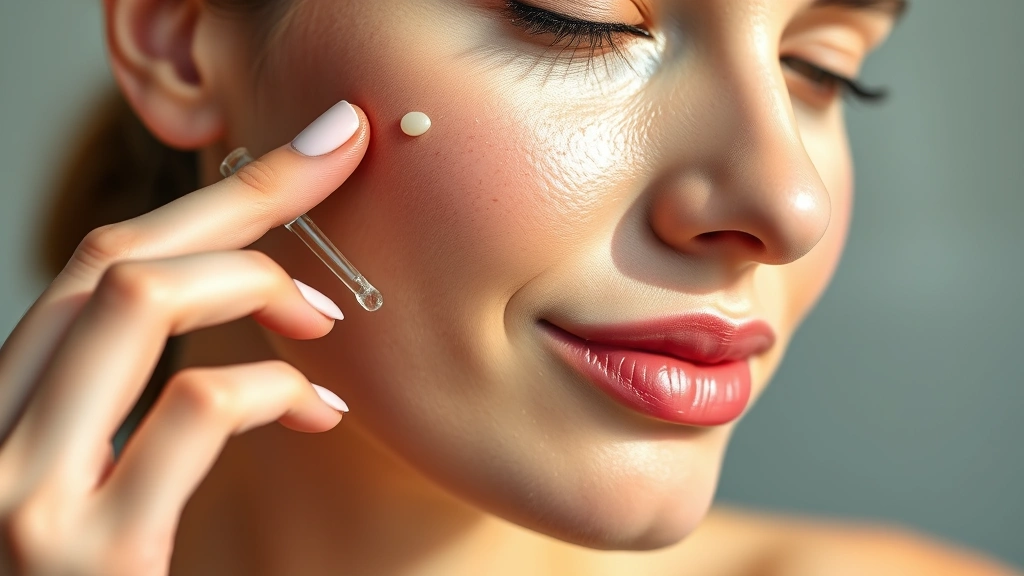
Application technique influences both efficacy and tolerability. Using a pea-sized amount for the entire face prevents excessive application that increases irritation without improving results. Gently patting retinol onto clean, completely dry skin allows optimal penetration; applying to damp skin reduces effectiveness. Waiting 20 minutes after cleansing before applying retinol further minimizes irritation and enhances absorption.
Nighttime application remains standard practice, as retinol increases photosensitivity and breaks down under UV exposure. Evening use also aligns with your skin’s natural repair cycle, when cellular turnover peaks and collagen synthesis increases. Some advanced formulations stabilize retinol for daytime use, but dermatologists still recommend evening application for maximum efficacy.
Complementary ingredients enhance retinol’s benefits and support skin health. Hyaluronic acid and glycerin boost hydration, counteracting retinol-induced dryness. Niacinamide strengthens the skin barrier and reduces inflammation. Peptides and growth factors support collagen synthesis alongside retinol’s effects. Dermatologists often recommend combining retinol with these supporting ingredients for comprehensive skincare protocols.
Patience during the adjustment period prevents premature discontinuation. Many people abandon retinol after 2-3 weeks due to temporary irritation, missing the transformative benefits that emerge after 8-12 weeks. Understanding that initial dryness and flaking represent normal adaptation, not adverse reactions, helps maintain consistency through the adjustment phase.
Seasonal adjustments may benefit some users. Some dermatologists recommend reducing retinol frequency during summer months when sun exposure increases, then resuming regular use in fall and winter. This approach balances maximum anti-aging benefits with photosensitivity concerns, though year-round consistent use with diligent sun protection remains the gold standard.
Those interested in comprehensive cosmetic skincare solutions may explore additional treatments alongside retinol. For example, cosmetic tattoo applications represent entirely different cosmetic approaches, while MAC Cosmetics lipstick selections focus on color cosmetics rather than skincare. Understanding the distinction between skincare actives like retinol and cosmetic treatments helps set appropriate expectations for each product category.
FAQ
How long does retinol take to show results?
Most people observe initial improvements in skin texture and radiance within 4-6 weeks of consistent retinol use. However, more significant benefits like wrinkle reduction and hyperpigmentation improvement typically require 8-12 weeks or longer. Results continue improving with extended use, with optimal benefits appearing after 16-24 weeks of nightly application. Individual variation occurs based on starting skin condition, retinol concentration, and consistency of use.
Can I use retinol if I have sensitive skin?
Yes, but with careful introduction and modified protocols. Start with the lowest concentration available (0.25%), apply just 1-2 times weekly, and buffer with moisturizer. Gradually increase frequency over several weeks as tolerance develops. If severe irritation persists after 4-6 weeks, consult a dermatologist about alternative formulations or prescription options that might suit your skin better. Many people with sensitive skin successfully use retinol when introduced appropriately.
Should I use retinol every night?
Nightly use represents the ideal frequency once your skin has acclimated to retinol. However, begin with 1-2 times weekly, progressively increasing to every-other-night, then nightly use as tolerance develops. This gradual progression typically takes 4-8 weeks. Once acclimated, nightly retinol use delivers optimal anti-aging benefits and maximizes results. Some people with sensitive skin may maintain every-other-night frequency indefinitely without compromising benefits.
Can I combine retinol with other actives?
Combining retinol with other potent actives increases irritation risk and may compromise efficacy of both ingredients. Avoid simultaneous use of retinol with strong acids, vitamin C, or other retinoids. If using multiple actives, separate them by alternating nights—retinol on Monday, Wednesday, Friday; vitamin C on Tuesday, Thursday; for example. Some gentle ingredients like niacinamide and hyaluronic acid work well alongside retinol without significant conflict.
What should I do if retinol causes excessive peeling?
Excessive peeling indicates over-use or insufficient barrier support. Reduce application frequency to 1-2 times weekly, increase buffering with moisturizer, and ensure adequate hydration with hydrating serums and creams. If peeling persists, consult your skincare routine—you may be using other irritating products simultaneously. For those struggling with significant peeling issues, exploring how to stop skin peeling provides additional strategies. Temporary discontinuation for 1-2 weeks, then reintroduction at lower frequency, sometimes resets tolerance.
Is retinol safe during pregnancy?
Dermatologists generally advise avoiding retinol and all retinoids during pregnancy due to theoretical teratogenic risks. While topical retinol absorption is minimal, most practitioners recommend erring on the side of caution. Discuss retinoid use with your obstetrician before conception or if planning pregnancy. Postpartum, retinol can be safely reintroduced, particularly if breastfeeding has concluded.
Why is my retinol not working?
Ineffective retinol typically results from insufficient concentration, degraded product, inconsistent use, or inadequate duration. Verify your product contains at least 0.5% retinol for meaningful efficacy. Check storage conditions—retinol loses potency if exposed to light or heat. Ensure nightly application for at least 12 weeks before concluding inefficacy. If using lower concentrations or applying only sporadically, increase frequency and concentration gradually. Consider consulting a dermatologist if problems persist after optimizing these variables.