Cosmetic Dental Bonding: Expert Tips Inside!
Your smile is one of the first things people notice about you, and it plays a significant role in your overall appearance and confidence. While skincare and beauty routines often dominate our self-care conversations, dental aesthetics deserve equal attention. Cosmetic dental bonding has emerged as one of the most popular and affordable solutions for enhancing your smile without requiring invasive procedures. Whether you’re dealing with chipped teeth, discoloration, or minor gaps, understanding this transformative treatment can help you make informed decisions about your dental health.
Cosmetic dental bonding represents a remarkable intersection of art and dentistry, allowing professionals to reshape, restore, and rejuvenate teeth using tooth-colored composite resins. Unlike veneers or crowns, bonding offers a conservative approach that preserves more of your natural tooth structure while delivering impressive aesthetic results. This comprehensive guide explores everything you need to know about cosmetic dental bonding, from the procedure itself to aftercare tips that will keep your smile radiant.
What Is Cosmetic Dental Bonding?
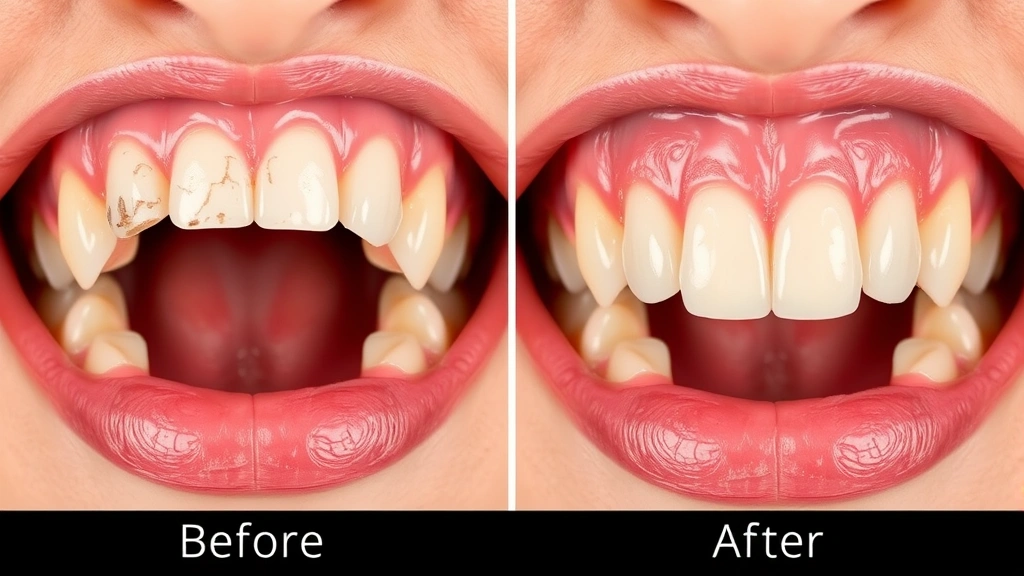
Cosmetic dental bonding is a straightforward dental procedure that involves applying a tooth-colored composite resin material directly to the surface of your teeth to improve their appearance. The composite material, which is carefully selected to match your natural tooth color, bonds to your existing tooth structure through a process of etching and adhesive application. This technique allows dentists to address a wide variety of aesthetic concerns with minimal tooth preparation.
The composite resin used in bonding is a sophisticated blend of plastic and glass particles that creates a durable, natural-looking restoration. Think of it as sculpting with dental clay—your dentist carefully shapes and molds the material to achieve the desired contour, length, and shape. Once properly contoured, the resin is hardened using a special ultraviolet light, creating a permanent bond with your tooth.
This procedure differs significantly from other cosmetic dental treatments. While veneers require more tooth preparation and are typically custom-made in a laboratory, bonding can often be completed in a single visit. The process is also more conservative, meaning less of your natural tooth structure is removed, which is particularly important for long-term dental health.
Ideal Candidates for Dental Bonding
Cosmetic dental bonding works best for individuals seeking to address specific aesthetic concerns without major dental reconstruction. If you have chipped or cracked teeth, minor gaps between teeth, discolored teeth that don’t respond well to whitening, or teeth that are slightly misaligned, bonding could be an excellent solution for you. The procedure is particularly effective for front teeth, where aesthetic concerns are most noticeable.
Just as different skin types require different skincare approaches, different dental conditions require different treatment strategies. Your dentist will evaluate your specific situation to determine whether bonding is appropriate for your needs. Candidates typically have good oral health, minimal decay, and realistic expectations about the results.
It’s important to note that bonding may not be suitable for everyone. If you have significant tooth decay, severe discoloration, or major structural damage, your dentist might recommend alternative treatments such as crowns or veneers. Additionally, if you tend to grind your teeth or have habits like nail-biting or chewing on hard objects, bonding might not be the most durable option for you, as composite resin is more susceptible to damage than other restoration materials.
Benefits and Advantages
One of the most compelling advantages of cosmetic dental bonding is its affordability. Compared to veneers or crowns, bonding typically costs significantly less, making it an accessible option for people seeking cosmetic dental improvements on a budget. This cost-effectiveness doesn’t come at the expense of quality—modern composite resins produce remarkably natural-looking results.
Another major benefit is the minimal preparation required. Unlike veneers, which often require removing a thin layer of enamel from the tooth surface, bonding typically requires little to no tooth preparation. This conservative approach preserves your natural tooth structure and reduces sensitivity issues. The procedure is also quick, often completed in 30 minutes to one hour per tooth, meaning you can achieve your enhanced smile in a single appointment.
The reversibility of bonding is another advantage worth mentioning. If you’re not satisfied with the results or if the bonded material becomes damaged, it can be removed and reapplied without permanent changes to your tooth structure. This flexibility makes bonding an excellent option for those wanting to test cosmetic dental improvements before committing to more invasive procedures.
Bonding also complements other beauty and wellness practices beautifully. When you’re committed to a comprehensive skincare routine that hydrates and rejuvenates your complexion, adding a cosmetically enhanced smile creates a truly radiant overall appearance. Your smile and skin work together to create your complete aesthetic presentation.
The Bonding Procedure Explained
Understanding what happens during your bonding appointment can help you prepare mentally and physically for the procedure. The process begins with your dentist selecting the precise shade of composite resin that matches your natural tooth color. Modern shade-matching technology ensures that the bonded restoration will blend seamlessly with your existing teeth.
Next, your dentist will prepare the tooth surface through a process called etching. The tooth is lightly abraded and treated with a special etching solution that creates microscopic irregularities on the tooth surface. These tiny grooves allow the composite resin to adhere more effectively to your tooth. Your dentist will then apply an adhesive bonding agent to the etched surface.
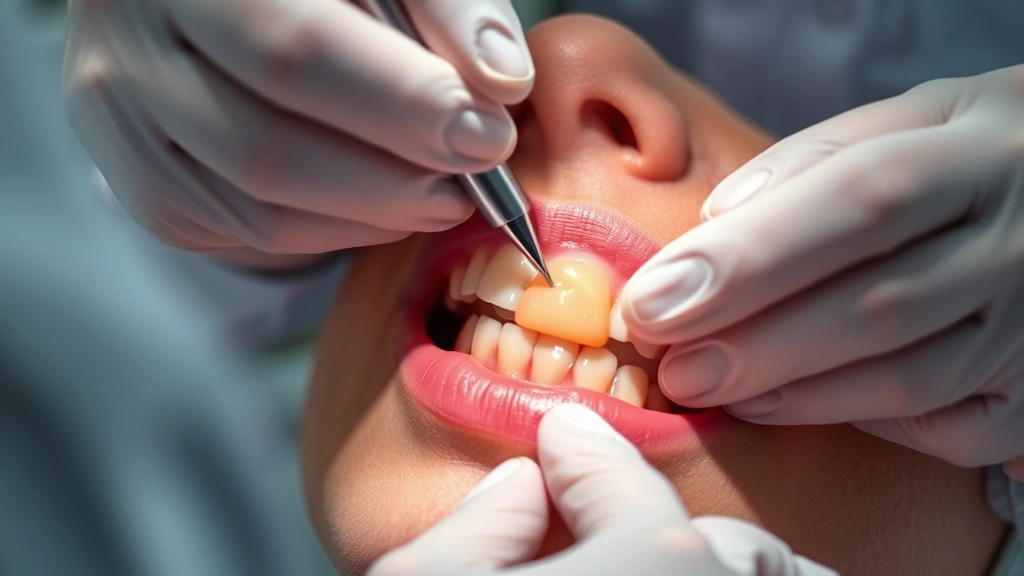
Once the bonding agent is in place, your dentist carefully applies the composite resin material to your tooth. Using specialized tools and their artistic expertise, they shape and contour the material to achieve the desired appearance. This is where the true artistry of cosmetic dentistry shines—your dentist sculpts the resin to match the natural contours of your teeth while addressing your specific aesthetic concerns.
After the resin is properly shaped, your dentist uses an ultraviolet light to harden and cure the material. This curing process takes only a few seconds but creates a permanent bond between the resin and your tooth. Once cured, your dentist may make minor adjustments to ensure proper bite alignment and aesthetic symmetry. The entire process is painless, and most patients can return to their normal activities immediately after treatment.
The precision required during bonding is comparable to the precision needed when applying skincare products correctly. Just as proper application techniques maximize the benefits of facial toners, proper bonding technique ensures optimal aesthetic and functional results.
Aftercare and Maintenance Tips
Proper aftercare is essential for maximizing the longevity of your cosmetic dental bonding. For the first 24 hours after your procedure, avoid consuming dark-colored foods and beverages such as coffee, red wine, tea, and dark sauces. The composite resin can stain during this initial curing period, so protecting your bonded teeth is crucial. Additionally, avoid smoking for at least 48 hours, as tobacco can discolor the resin.
Your oral hygiene routine becomes even more important after bonding. Brush your teeth gently with a soft-bristled toothbrush at least twice daily, and floss daily to remove plaque and food debris. Unlike natural tooth enamel, composite resin can be susceptible to staining, so maintaining impeccable oral hygiene helps preserve the appearance of your bonded teeth. Consider using a whitening toothpaste specifically formulated for bonded teeth to maintain their brightness over time.
Avoid habits that can damage your bonded teeth, such as chewing on ice, hard candy, or your fingernails. Don’t use your teeth as tools to open packages or bottles. If you grind your teeth at night, discuss this with your dentist—they may recommend a custom night guard to protect your bonded restorations. These protective measures are as important to your dental health as sunscreen is to your skin protection routine.
Consider incorporating natural beauty-enhancing practices into your daily routine alongside your dental care. Homemade face masks for glowing skin can enhance your overall appearance, and when combined with a beautiful smile, create a comprehensive aesthetic package. Your entire face benefits when you invest in both skincare and dental aesthetics.
Longevity and Durability
The lifespan of cosmetic dental bonding typically ranges from 5 to 10 years, depending on various factors including the location of the bonding, your oral habits, and the quality of your aftercare. Bonded teeth on less visible areas or teeth that experience less chewing pressure tend to last longer than those on heavily used molars or prominent front teeth. This is why bonding is particularly popular for cosmetic improvements to front teeth.
Several factors can extend the longevity of your bonded teeth. Maintaining excellent oral hygiene prevents decay and gum disease, which can compromise the integrity of the bonding. Regular dental checkups allow your dentist to monitor the condition of your bonded teeth and perform touch-ups or repairs as needed. Avoiding damaging habits and protecting your teeth from trauma also significantly extends the life of your bonding.
Over time, composite resin can develop small cracks or chips, or it may become slightly discolored. Rather than requiring complete replacement, these issues often can be addressed with simple touch-ups or polishing. Your dentist can assess the condition of your bonded teeth during regular checkups and recommend appropriate maintenance or repair procedures. This is far more cost-effective than other restorative options that may require complete replacement.
Bonding vs. Other Cosmetic Options
To make an informed decision about cosmetic dental bonding, it’s helpful to understand how it compares to other popular cosmetic dental treatments. Porcelain veneers are more durable than bonding, typically lasting 10 to 15 years or longer, but they require more tooth preparation and are significantly more expensive. Veneers are custom-made in a laboratory and require at least two appointments. They’re an excellent choice for major cosmetic transformations but may be overkill for minor aesthetic concerns.
Dental crowns are used when teeth have structural damage or decay. They completely cover the tooth and are extremely durable, but they require substantial tooth preparation and are more expensive than bonding. Crowns are typically recommended when bonding alone cannot adequately address the problem. Teeth whitening treatments address discoloration but cannot correct structural issues like chips or gaps, making them complementary to bonding rather than a replacement.
Orthodontic treatments like braces or clear aligners address misalignment and spacing issues but take months or years to complete. Bonding can provide an immediate cosmetic improvement for minor spacing issues while you consider longer-term orthodontic options. Many patients choose bonding as an interim solution or to address specific teeth while pursuing other treatments for their overall smile.
Just as green tea provides natural benefits for skin health, bonding provides natural-looking benefits for dental aesthetics. The key is choosing the treatment that best matches your specific concerns, budget, and timeline. Your dentist can help you weigh the pros and cons of each option based on your individual situation.
The combination of bonding with other treatments often yields the best results. For example, professional teeth whitening followed by bonding to address structural issues creates a comprehensive smile enhancement. Similarly, combining facial massage benefits with dental bonding creates a complete facial aesthetic enhancement that radiates from within.
Frequently Asked Questions
How much does cosmetic dental bonding cost?
The cost of cosmetic dental bonding typically ranges from $100 to $400 per tooth, depending on the complexity of the procedure and your geographic location. This makes it one of the most affordable cosmetic dental treatments available. Many dental insurance plans cover bonding when it’s used to repair decay, though cosmetic bonding may not be covered. Always check with your insurance provider and dental office regarding specific costs before your appointment.
Is the bonding procedure painful?
Cosmetic dental bonding is generally painless. Since the procedure involves minimal to no tooth preparation, anesthesia is often not necessary. However, if your dentist needs to remove decay or if you have sensitive teeth, local anesthesia may be applied. Most patients find the procedure comfortable and quick, often comparing it to a routine cleaning appointment.
Can bonded teeth be whitened?
Composite resin used in bonding cannot be whitened with professional teeth whitening treatments, as these treatments only affect natural tooth structure. However, if your natural teeth are whitened, your dentist can adjust the shade of your bonded teeth to match. It’s often recommended to whiten your teeth before bonding so your dentist can select resin that matches your desired shade.
How do I know if bonding is right for me?
Schedule a consultation with your dentist to discuss your specific aesthetic concerns. Your dentist will evaluate your teeth and recommend the most appropriate treatment options. Bonding is ideal for minor to moderate cosmetic issues, good oral health, and realistic expectations about results and longevity. If you have significant structural damage or decay, alternative treatments may be more appropriate.
Can bonding be repaired if it chips or cracks?
Yes, bonding can be easily repaired. If your bonded tooth chips or cracks, contact your dentist promptly. In many cases, your dentist can simply add more composite resin to the damaged area and cure it. This repair process is quick and inexpensive, often costing less than the original bonding procedure.
What’s the difference between bonding and veneers?
Bonding involves applying composite resin directly to your tooth with minimal preparation, while veneers are thin shells of porcelain or composite that require more tooth preparation and are custom-made in a laboratory. Veneers are more durable and stain-resistant but more expensive. Bonding is more affordable, reversible, and can often be completed in one visit. Your dentist can help you determine which option best suits your needs and budget.