Cosmetic Braces: Orthodontist’s Insight into Modern Smile Enhancement
The pursuit of a perfect smile has never been more accessible or aesthetically discreet than it is today. Cosmetic braces represent a revolutionary shift in orthodontic treatment, combining effective tooth alignment with minimal visual impact. Unlike traditional metal braces that dominated orthodontics for decades, cosmetic braces offer patients the ability to straighten their teeth while maintaining their professional appearance and social confidence throughout the treatment journey.
Modern orthodontists increasingly recognize that smile aesthetics extend far beyond simple tooth alignment. The integration of cosmetic braces into comprehensive dental care reflects a deeper understanding of how tooth positioning influences facial harmony, self-esteem, and overall oral health. Whether you’re considering orthodontic treatment for yourself or exploring options for a family member, understanding the nuances of cosmetic braces—their materials, effectiveness, maintenance, and suitability for different dental conditions—is essential for making an informed decision that aligns with your lifestyle and aesthetic goals.
What Are Cosmetic Braces?
Cosmetic braces are orthodontic appliances designed to straighten teeth while remaining less visible than traditional metal braces. These systems utilize advanced materials and engineering to deliver effective tooth movement while maintaining a more aesthetically pleasing appearance during treatment. The fundamental principle remains consistent with all orthodontic approaches: applying controlled, continuous pressure to gradually shift teeth into their ideal positions.
The term “cosmetic braces” encompasses several distinct technologies and materials, each offering different levels of discretion and effectiveness. Modern cosmetic braces represent the convergence of aesthetic preferences with clinical orthodontic science, allowing patients to achieve smile goals without the psychological burden of highly visible metal appliances. This innovation has democratized smile enhancement, making orthodontic treatment accessible to professionals, adults, and image-conscious teenagers who previously avoided braces due to appearance concerns.
The development of cosmetic braces emerged from patient demand and technological advancement. Orthodontists recognized that treatment compliance improved significantly when patients felt comfortable with their appearance during the correction process. Contemporary cosmetic braces utilize tooth-colored materials, clear aligners, and lingual (behind-the-tooth) placement to minimize visibility while maintaining the mechanical precision necessary for complex tooth movements.
Types of Cosmetic Braces
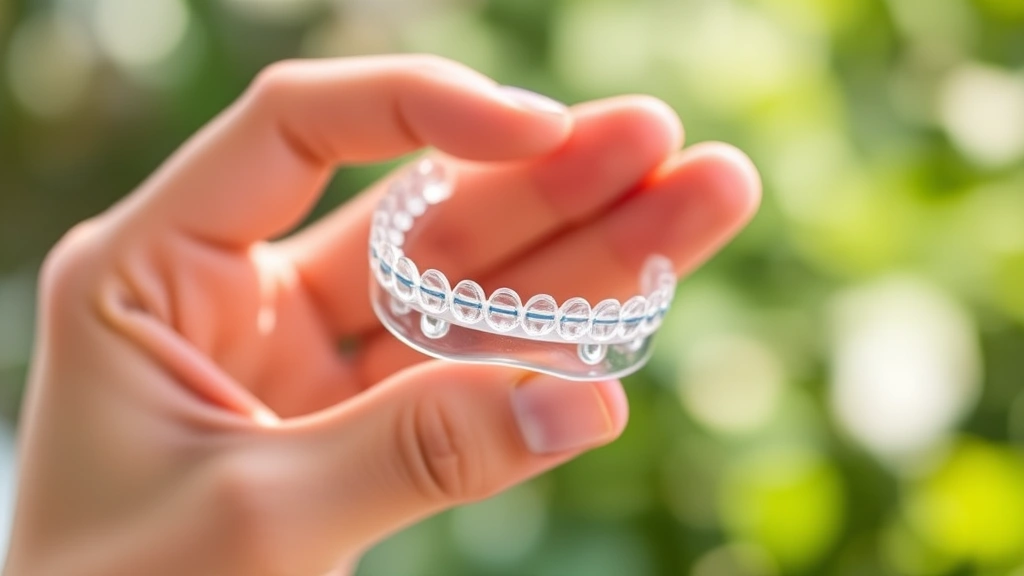
Clear Aligners (Invisible Braces) represent perhaps the most recognizable cosmetic braces category. These custom-molded plastic trays gradually shift teeth through a series of incrementally different aligners. Clear aligners offer maximum discretion—they’re nearly invisible when worn and completely removable for eating and cleaning. Brands like Invisalign have become synonymous with this technology, though numerous alternatives now exist in the market. The appeal extends beyond aesthetics; many patients appreciate the ability to remove aligners for special occasions, though consistent wear (typically 20-22 hours daily) is crucial for treatment success.
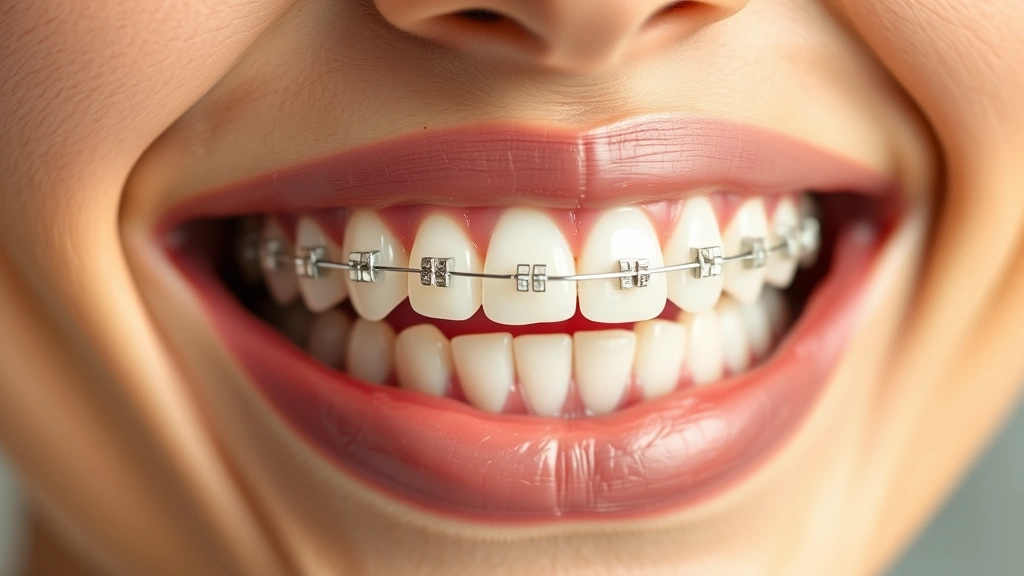
Ceramic Braces feature tooth-colored or translucent brackets that blend seamlessly with natural tooth surfaces. The brackets themselves are constructed from ceramic materials that match enamel coloration, while the archwire connecting them remains visible but significantly less noticeable than traditional metal components. Ceramic braces maintain the mechanical advantages of conventional braces—they’re non-removable and capable of addressing complex orthodontic cases—while offering substantial aesthetic improvement. The material is durable and resistant to staining, though slightly more fragile than metal counterparts.
Lingual Braces position brackets and wires on the inner (tongue-facing) surface of teeth, rendering them completely invisible from the front. This approach provides maximum discretion for professionals and public figures who cannot tolerate any visible orthodontic appliances. Lingual braces require specialized training to place and adjust, making them more expensive and less widely available than other cosmetic options. The learning curve for speech and oral hygiene is steeper, though most patients adapt within several weeks.
Self-Ligating Cosmetic Braces incorporate a specialized bracket design that eliminates the need for elastic ligatures (rubber bands) to hold the archwire in place. Available in both ceramic and metal versions, self-ligating brackets reduce friction between the bracket and wire, potentially accelerating tooth movement and requiring fewer adjustment appointments. The reduced friction also decreases the force needed for tooth movement, which some orthodontists associate with improved comfort.
Effectiveness and Treatment Timeline
The effectiveness of cosmetic braces depends on numerous factors, including the complexity of the orthodontic case, patient compliance, and the specific technology employed. Clear aligners excel at treating mild to moderate crowding and spacing issues, typically requiring 6-18 months for completion. More complex cases involving severe crowding, significant bite problems, or major vertical dimension changes may benefit from traditional or ceramic braces, which can manage these situations more precisely.
Ceramic and lingual braces offer comparable effectiveness to traditional metal braces for virtually all orthodontic conditions. Treatment duration typically ranges from 18-36 months, depending on case complexity. The mechanical precision of fixed appliances—their inability to be removed—ensures consistent pressure application and prevents patient non-compliance issues that sometimes affect clear aligner outcomes.
Research from the American Association of Orthodontists demonstrates that all properly administered cosmetic braces systems can achieve excellent clinical outcomes when appropriate cases are selected and patients maintain treatment compliance. The choice of system should align with the specific orthodontic needs rather than aesthetic preference alone. Your orthodontist can assess your dental situation and recommend the most effective cosmetic option for your particular case.
Treatment effectiveness also depends on retention protocols following active treatment. Regardless of which cosmetic braces system you choose, maintaining results requires consistent use of retention appliances—typically a combination of fixed bonded retainers and removable retainers worn nightly. This post-treatment phase is equally important as the active treatment period for ensuring long-term smile stability.
Maintenance and Daily Care
Clear aligner maintenance involves daily cleaning with lukewarm water and a soft toothbrush, followed by soaking in specialized cleaning solutions. Never use hot water, as extreme temperatures can warp the plastic material. Remove aligners before eating or drinking anything except water—this prevents staining and damage while protecting your teeth from trapped food particles and beverages. The removability of aligners offers convenience but also introduces the responsibility of consistent care and storage in provided cases to prevent loss or damage.
Ceramic and lingual braces require meticulous oral hygiene despite their fixed nature. Interdental brushes, water flossers, and traditional floss (threaded under the archwire) become essential tools for removing food debris and plaque around brackets. The presence of fixed appliances creates additional surfaces where bacteria can accumulate, making thorough cleaning non-negotiable for preventing cavities and gum disease during treatment. Many orthodontists recommend electric toothbrushes for superior plaque removal around brackets and wires.
Dietary modifications accompany fixed cosmetic braces. Hard, sticky, or crunchy foods can damage brackets or bend wires, prolonging treatment or requiring emergency appointments. Avoiding popcorn, nuts, caramel, taffy, and similar foods protects your appliances and prevents treatment delays. Clear aligner wearers enjoy greater dietary freedom since aligners are removed during meals, though this convenience requires discipline to maintain the necessary daily wear time.
Regular orthodontic appointments every 4-8 weeks maintain treatment momentum and allow your orthodontist to monitor progress and make necessary adjustments. These appointments also provide opportunities to address any discomfort, bracket damage, or oral hygiene concerns. Maintaining excellent communication with your orthodontist ensures that any issues are promptly resolved and your treatment timeline stays on track.
Cost Considerations and Insurance
Cosmetic braces typically cost between $3,000 and $8,000 depending on the specific technology, treatment complexity, and geographic location. Clear aligners generally fall in the mid to upper range of this spectrum, while ceramic braces are comparable to or slightly more expensive than traditional metal braces. Lingual braces represent the premium option due to their specialized placement and required expertise.
Dental insurance coverage varies significantly between plans. Many insurance policies cover a percentage of orthodontic treatment (often 50%) up to a lifetime maximum, typically ranging from $1,000 to $2,000. Some plans distinguish between “cosmetic” and “medically necessary” orthodontics, potentially affecting coverage levels. Reviewing your specific policy details before starting treatment prevents unexpected financial surprises.
Flexible spending accounts (FSAs) and health savings accounts (HSAs) offer tax-advantaged ways to pay for cosmetic braces if your plan qualifies the treatment. Many orthodontic offices offer payment plans extending treatment costs over the entire treatment period, making cosmetic braces more financially accessible. Discussing financial options during your initial consultation ensures you understand all available payment methods.
When evaluating cost, consider not only the initial treatment fee but also potential additional expenses for replacement aligners, emergency repairs, or extended treatment if compliance issues arise. Clear aligner treatment may incur extra costs if additional aligners become necessary beyond the initial series. Transparent pricing conversations with your orthodontist prevent misunderstandings and allow for informed financial planning.
Who Are Ideal Candidates?
Clear aligners work best for patients with mild to moderate orthodontic issues and excellent compliance. Ideal candidates have adequate bone density, no severe bite problems, and commitment to wearing aligners 20-22 hours daily. Patients with active periodontal disease or significant bone loss may not be suitable candidates, as the reduced force distribution in clear aligners requires healthy supporting structures.
Ceramic braces suit patients seeking discretion without sacrificing mechanical effectiveness. Ideal candidates include working professionals, adults returning to school, and teenagers in social environments where appearance significantly impacts confidence. Ceramic braces work for virtually all orthodontic conditions, making them the cosmetic option with the broadest applicability. Patients must be willing to maintain rigorous oral hygiene and accept dietary restrictions during treatment.
Lingual braces appeal to patients requiring maximum discretion and willing to accept higher costs and potentially greater adjustment periods. Ideal candidates include public figures, high-profile professionals, and individuals with severe appearance concerns. Successful lingual braces treatment requires selecting an experienced orthodontist specializing in this technique, as improper placement or adjustment can compromise effectiveness or patient comfort.
Patients with complex orthodontic conditions—severe crowding, significant bite problems, or major skeletal discrepancies—may find that cosmetic braces have limitations. Your orthodontist may recommend traditional metal braces or combined approaches (such as temporary skeletal anchorage devices) for optimal results in complicated cases. Honest assessment of your specific situation ensures realistic expectations about which cosmetic option suits your needs.
Cosmetic Braces vs. Traditional Metal Braces
The fundamental difference between cosmetic and traditional braces lies in visibility and material composition rather than mechanical function. Traditional metal braces utilize stainless steel brackets and wires that are highly visible but extremely durable and capable of addressing virtually any orthodontic condition efficiently. Cosmetic braces prioritize discretion through tooth-colored materials, clear plastics, or hidden placement while maintaining comparable effectiveness for appropriate cases.
Treatment duration typically favors traditional metal braces, which often complete treatment slightly faster due to their superior mechanical efficiency and lower friction design. However, the difference is usually measured in months rather than years, and patient compliance with cosmetic systems often compensates for any minor mechanical advantages of metal braces. Clear aligners may require slightly longer treatment for some cases, while ceramic and lingual braces generally match traditional braces timelines.
Comfort considerations vary between systems. Traditional metal braces occasionally cause bracket-related mouth irritation, though this typically resolves within days as tissues adapt. Clear aligners may cause initial pressure sensations during the first few days of each new aligner but generally involve less bracket-related discomfort. Lingual braces require the most significant adjustment period due to tongue contact with brackets, though most patients adapt quickly.
Maintenance demands differ substantially. Clear aligners require daily cleaning and consistent wear discipline but offer dietary freedom. Fixed cosmetic braces (ceramic and lingual) require meticulous oral hygiene and dietary modifications but eliminate compliance concerns inherent in removable systems. The choice between fixed and removable cosmetic options often reflects personal preferences regarding convenience versus compliance concerns.
Cost differences typically favor traditional metal braces, which represent the most economical option. Ceramic braces cost slightly more, while clear aligners and lingual braces occupy the premium price range. However, the psychological benefits of cosmetic braces—improved confidence and social comfort during treatment—often justify the additional investment for many patients.
When evaluating cosmetic versus traditional braces, consider your specific orthodontic needs, lifestyle factors, compliance capabilities, and aesthetic priorities. A consultation with an experienced orthodontist can help determine which option offers the best balance of effectiveness, comfort, and discretion for your individual situation. Remember that the most effective braces are the ones you’ll wear consistently and maintain properly throughout your treatment journey.
FAQ
How long does cosmetic braces treatment typically take?
Treatment duration varies depending on the cosmetic system and case complexity. Clear aligners typically require 6-18 months for mild to moderate cases. Ceramic and lingual braces generally require 18-36 months, comparable to traditional braces. Complex orthodontic conditions may require extended treatment regardless of the system chosen. Your orthodontist can provide a more specific timeline after evaluating your individual case.
Can cosmetic braces treat severe orthodontic problems?
Ceramic and lingual braces can address virtually all orthodontic conditions, including severe crowding and significant bite problems. Clear aligners work best for mild to moderate issues. Very complex cases involving skeletal discrepancies or severe bite problems may require traditional braces or combined treatment approaches. Your orthodontist will recommend the most appropriate system for your specific needs.
Are cosmetic braces more expensive than traditional braces?
Yes, cosmetic braces typically cost more than traditional metal braces. Ceramic braces are slightly more expensive, while clear aligners and lingual braces represent premium options. However, many insurance plans cover a percentage of treatment costs, and payment plans can distribute expenses over the treatment period. Discuss financial options with your orthodontist during your initial consultation.
How do I maintain cosmetic braces daily?
Maintenance depends on your specific system. Clear aligners require daily cleaning and consistent wear (20-22 hours daily). Ceramic and lingual braces require meticulous oral hygiene using interdental brushes, water flossers, and careful flossing technique. All systems benefit from regular orthodontic appointments every 4-8 weeks. Your orthodontist will provide detailed care instructions specific to your chosen system.
Will cosmetic braces affect my speech?
Clear aligners and ceramic braces typically have minimal speech impact after an initial adjustment period. Lingual braces may affect speech for several weeks as your tongue adjusts to the brackets on the inner tooth surface. Most patients adapt completely within 2-4 weeks. Speech concerns should resolve as you become accustomed to your appliances.
Can I remove cosmetic braces if I need to?
Clear aligners are the only fully removable cosmetic option, allowing removal for eating, special occasions, and cleaning. However, consistent wear is essential—aligners should be worn 20-22 hours daily for treatment success. Ceramic and lingual braces are fixed and cannot be removed except by your orthodontist. This fixed nature ensures consistent treatment progress but reduces dietary flexibility.
Do cosmetic braces require special cleaning products?
Clear aligners benefit from specialized cleaning solutions and soft brushes to prevent damage and maintain clarity. Ceramic and lingual braces require standard interdental cleaning tools and floss threaders. Your orthodontist will recommend specific products and techniques for your chosen system. Proper cleaning prevents staining, damage, and oral health problems during treatment.