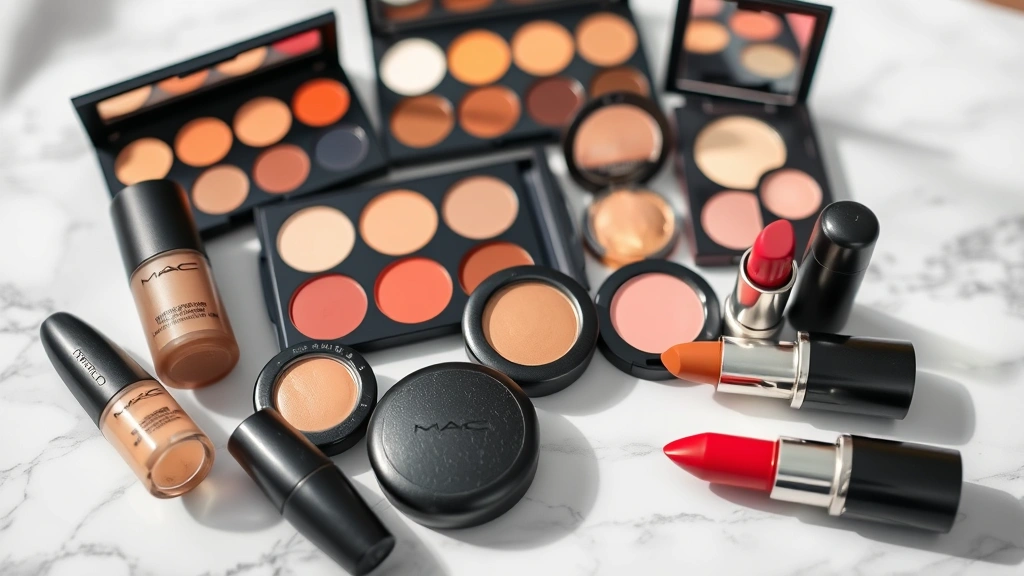
Is a Cosmetic Science Degree Worth It? Expert Insights
The beauty and skincare industry generates over $500 billion annually worldwide, making it one of the most lucrative sectors for professionals with specialized expertise. A cosmetic science degree offers comprehensive training in formulation chemistry, regulatory compliance, ingredient safety, and product development—skills that directly shape the products millions of people apply to their skin daily. But is investing years of education and tuition worth the career payoff? This guide explores the real value of a cosmetic science degree, career trajectories, salary expectations, and whether alternative paths might serve your ambitions equally well.
Whether you’re passionate about creating innovative skincare solutions, understanding how niacinamide benefits work at the molecular level, or ensuring cosmetic safety standards, a degree in cosmetic science provides credibility and depth that self-taught routes cannot match. However, the industry also values practical experience, networking, and demonstrated product knowledge. Let’s examine whether this educational investment aligns with your career goals.
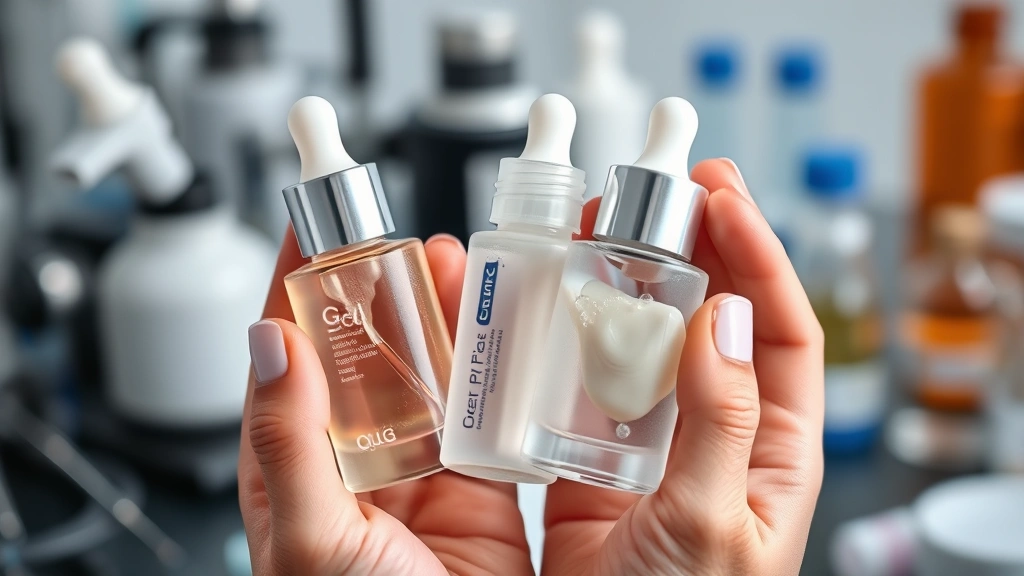
What Is a Cosmetic Science Degree?
A cosmetic science degree, typically offered as a bachelor’s program (sometimes as a master’s specialization), is an interdisciplinary qualification combining chemistry, biology, microbiology, and regulatory science. This degree trains professionals to develop, test, and bring cosmetic and personal care products to market safely and effectively.
The program bridges theoretical chemistry with practical cosmetic formulation. Students learn how collagen production occurs at the cellular level, then translate that knowledge into formulating serums and treatments that claim to boost skin firmness. They understand emulsion chemistry, preservative systems, stability testing, and how ingredient interactions affect product performance and shelf life.
Most accredited cosmetic science programs are offered by universities in the UK, Europe, Australia, Canada, and increasingly in the United States. Notable institutions include London College of Fashion, Universidade de São Paulo, and various chemistry departments offering specialized tracks. Programs typically require 3-4 years of full-time study.

Career Opportunities and Job Market
The cosmetic industry employs hundreds of thousands of professionals globally, with demand particularly strong in product development, quality assurance, regulatory affairs, and research. A cosmetic science degree opens doors to specialized roles where your expertise directly influences product formulations that consumers trust.
Primary Career Paths:
- Cosmetic Formulator: Develops new skincare, makeup, and haircare products. Creates stable emulsions, selects active ingredients, and optimizes textures and sensory properties.
- Quality Assurance Specialist: Tests products for stability, safety, and efficacy. Conducts microbiological testing and ensures compliance with manufacturing standards.
- Regulatory Affairs Specialist: Ensures products meet FDA, EU, ASEAN, and other regulatory requirements. Manages documentation, claims substantiation, and ingredient compliance.
- Research and Development Manager: Leads innovation teams developing next-generation skincare solutions. Requires advanced degree for senior positions.
- Cosmetic Chemist: Core formulation role focusing on ingredient chemistry, stability optimization, and product performance enhancement.
- Safety and Efficacy Assessor: Evaluates ingredient safety, conducts literature reviews, and ensures products meet safety standards set by organizations like the Personal Care Products Council.
- Beauty Industry Consultant: Advises brands on formulation trends, ingredient innovations, and regulatory compliance.
The job market for cosmetic scientists remains stable with consistent demand from multinational beauty corporations (L’Oréal, Estée Lauder, Unilever, Procter & Gamble), indie brands, contract manufacturers, and ingredient suppliers. Companies investing in clean beauty, sustainable formulations, and personalized skincare actively recruit cosmetic science graduates.
Salary Expectations and Financial ROI
Entry-level cosmetic scientists in the United States earn between $45,000–$60,000 annually, with significant variation based on location, company size, and specialization. Established professionals with 5–10 years of experience typically earn $70,000–$95,000. Senior roles (R&D Directors, Regulatory Managers) command $100,000–$150,000+.
International salaries vary considerably. The UK and Switzerland offer competitive compensation ($50,000–$120,000 depending on experience), while emerging markets like India and Southeast Asia offer lower starting salaries but rapid growth opportunities. The cosmetic industry’s global nature means relocation or international consulting can enhance earning potential.
Cost-Benefit Analysis: A four-year bachelor’s degree costs $60,000–$200,000+ depending on the institution. Assuming average student debt of $100,000 and entry salary of $50,000, payoff occurs within 3–5 years. By year 10, cumulative earnings significantly exceed non-specialized chemistry roles, making the ROI positive for most graduates. Advanced degrees (master’s, PhD) extend education costs but unlock senior management and research positions with substantially higher compensation.
What You’ll Learn: Curriculum Overview
A comprehensive cosmetic science degree combines foundational sciences with specialized cosmetic modules. Here’s what you’ll typically study:
Foundational Courses:
- Organic and Inorganic Chemistry
- Physical Chemistry and Colloid Science
- Analytical Chemistry and Instrumental Analysis
- Microbiology and Microbial Testing
- Biochemistry and Skin Biology
Specialized Cosmetic Modules:
- Cosmetic Formulation and Emulsion Technology
- Skincare Product Development (understanding how pore minimization formulations work)
- Hair and Personal Care Chemistry
- Color Cosmetics and Pigment Science
- Preservation Systems and Stability Testing
- Regulatory Affairs and Cosmetic Legislation
- Safety Assessment and Toxicology
- Natural and Sustainable Cosmetic Ingredients
- Active Ingredients and Efficacy Claims
- Manufacturing and Scale-Up Processes
Most programs include laboratory practicals where you formulate creams, serums, and makeup products, test stability under various conditions, and conduct safety evaluations. Capstone projects often involve developing market-ready products, providing portfolio pieces for job applications.
Understanding ingredient functionality is central—you’ll learn why cosmetics for mature skin require specific emollients and peptides, and how preservative systems prevent microbial contamination without irritating skin.
Industry Requirements and Certifications
While a degree is advantageous, the cosmetic industry doesn’t universally mandate it for employment. However, certain positions—particularly regulatory affairs and research management—strongly prefer or require formal qualifications.
Professional Certifications:
- Certified Cosmetic Scientist (CCS): Offered by the Society of Cosmetic Scientists, this credential requires education and experience. It enhances credibility and career advancement.
- Certified Regulatory Specialist: Focuses on FDA and international compliance requirements.
- ISO Certifications: Quality management and laboratory certifications valuable for manufacturing roles.
Regulatory bodies like the FDA and European Commission establish ingredient restrictions and testing requirements that cosmetic professionals must understand. Membership in professional organizations such as the Society of Cosmetic Scientists or the Personal Care Products Council provides networking, continuing education, and industry credibility.
Alternative Pathways to Cosmetic Chemistry
Not everyone needs a dedicated cosmetic science degree to build a successful career in the industry. Several alternative routes exist:
Chemistry or Chemical Engineering Degree: A traditional chemistry background provides foundational knowledge. Many successful cosmetic chemists hold degrees in general chemistry or chemical engineering, then gain cosmetic-specific expertise through on-the-job training and professional development. This route offers flexibility if you later want to transition to pharmaceutical chemistry or other sectors.
Self-Education and Online Learning: Platforms like Coursera, edX, and specialized beauty chemistry courses offer affordable alternatives. You can study skin hydration science and ingredient interactions through structured online programs. However, without formal credentials, you’ll face barriers to entry-level positions at major corporations.
Starting in Sales or Marketing, Then Transitioning: Many professionals begin in beauty brand roles, gain industry knowledge, then pursue formulation expertise. This path works well if you prefer experiential learning and already understand consumer needs.
Apprenticeships and Entry-Level Lab Roles: Some contract manufacturers and ingredient suppliers hire high school graduates for lab technician positions, offering on-the-job training. Advancement requires additional education, but you build practical experience simultaneously.
Graduate Specialization: If you hold a chemistry or biology degree, pursuing a master’s in cosmetic science (typically 1–2 years) provides specialized knowledge without starting from scratch. This accelerated route appeals to career-changers.
Pros and Cons of Pursuing the Cosmetic Science Degree
Advantages:
- Industry Credibility: A dedicated degree signals expertise to employers and distinguishes you from self-taught competitors.
- Comprehensive Foundation: You master chemistry, biology, and regulatory knowledge in an integrated curriculum rather than piecemeal.
- Networking: University connections with professors, guest lecturers from major brands, and classmates create lasting professional relationships.
- Laboratory Access: Hands-on experience with professional equipment and formulation techniques you couldn’t replicate independently.
- Career Acceleration: Graduates often start in mid-level formulation roles, skipping junior technician positions. Career progression typically accelerates faster than self-taught routes.
- Regulatory Knowledge: Formal training in FDA, EU, and international regulations is essential for compliance roles that command premium salaries.
- Research Opportunities: Academic programs connect you to cutting-edge research in active ingredients, delivery systems, and sustainable formulations.
- Global Mobility: A recognized degree facilitates international work opportunities and immigration sponsorship.
Disadvantages:
- High Cost: Tuition, living expenses, and opportunity costs can total $150,000+. Debt repayment may delay other life goals.
- Time Investment: Four years is substantial. Career-changers or those eager to work may find this timeline frustrating.
- Limited Specialization: Most programs offer broad cosmetic knowledge. If you’re passionate about one niche (e.g., sustainable packaging or personalized skincare algorithms), you might want more specialized training.
- Theoretical vs. Practical: Academic programs emphasize theory; real-world formulation challenges differ. You’ll still need on-the-job mentoring.
- Geographic Limitations: Few universities offer cosmetic science degrees globally. You may need to relocate for education.
- Evolving Industry: By graduation, some curriculum content may be outdated. The beauty industry moves fast; continuous learning is essential regardless of degree status.
- No Guarantee of Employment: A degree improves prospects but doesn’t guarantee a job. Economic downturns, poor networking, or weak interview skills can hinder placement.
- Alternative Paths Exist: Many successful cosmetic scientists lack formal degrees, earning comparable salaries through experience and expertise building.
FAQ
Do I need a cosmetic science degree to work as a cosmetic chemist?
No, but it significantly improves your prospects. Many successful cosmetic chemists hold degrees in chemistry, chemical engineering, or biology and gained cosmetic expertise through experience. However, a dedicated degree provides faster career entry and higher starting salaries. For regulatory positions, formal credentials are increasingly expected.
What’s the job outlook for cosmetic scientists?
The Bureau of Labor Statistics projects steady growth for chemical scientists, with the cosmetic sector remaining robust. Demand is particularly strong for professionals skilled in sustainable formulations, clean beauty, and active ingredient innovation. The global shift toward natural and eco-friendly products creates ongoing opportunities.
Can I study cosmetic science online?
Some universities offer online or hybrid programs, particularly at the master’s level. However, most bachelor’s degrees require in-person laboratory work. Online education works better for supplementary learning or professional development rather than primary degree completion.
Which countries have the best cosmetic science programs?
The UK (London College of Fashion, Aston University), Australia (Griffith University), Canada (Ryerson University), and Europe (various institutions) offer highly regarded programs. The US has fewer dedicated cosmetic science degrees but excellent chemistry departments with cosmetic tracks. Research program accreditation and graduate employment rates.
How long does it take to become a cosmetic scientist?
A bachelor’s degree takes 3–4 years. If you already hold a relevant degree, a master’s specialization requires 1–2 years. Entry-level positions are available upon graduation, though senior roles typically require 5–10 years of experience.
What skills matter most for cosmetic science careers?
Technical skills include chemistry knowledge, formulation expertise, and laboratory technique. Equally important are communication skills (explaining complex chemistry to non-scientists), attention to detail, problem-solving, and adaptability. Understanding consumer needs and market trends enhances your value to employers.
Is a master’s degree necessary?
A master’s isn’t strictly necessary for chemist roles but is valuable for research, management, and specialized positions. Many professionals advance through experience alone. However, if you want to lead R&D teams or conduct advanced research, a master’s or PhD becomes beneficial.
How does salary progression work in cosmetic science?
Entry-level positions ($45,000–$60,000) advance to mid-level roles ($70,000–$95,000) within 5–7 years as you gain expertise and take on more responsibility. Senior positions—R&D directors, regulatory heads, innovation managers—command $100,000–$150,000+. Specialization in high-demand areas (regulatory affairs, sustainable formulations) accelerates progression.
What makes a strong cosmetic science graduate?
Employers value graduates who combine technical knowledge with practical skills, communication ability, and industry awareness. Building a portfolio of formulations, pursuing internships at established brands, maintaining professional certifications, and staying current with ingredient innovations distinguish top candidates. Networking through professional organizations also enhances opportunities.
Can I transition from another field into cosmetic science?
Yes. If you hold a chemistry or biology degree, a master’s in cosmetic science provides specialized training efficiently. If your background is entirely different (marketing, sales, business), pursuing a full bachelor’s degree makes sense if you’re committed to the field. Otherwise, entry-level lab roles with on-the-job training may be more practical.
Final Verdict
A cosmetic science degree is worth pursuing if you’re genuinely passionate about formulation chemistry, regulatory compliance, and product development. The credential accelerates career entry, provides comprehensive knowledge, and opens doors at major corporations. For those targeting research roles, regulatory positions, or international opportunities, a formal degree is nearly essential.
However, it’s not the only path. If you’re cost-conscious, eager to start working, or prefer experiential learning, alternative routes through chemistry degrees, online education, and entry-level lab positions can be equally successful—they simply require more self-direction and may slow initial career progression.
Consider your financial situation, learning style, and career ambitions. Research specific universities and their graduate employment rates. Connect with cosmetic scientists in your target roles and ask about their educational paths. The best decision aligns the degree’s cost and time commitment with your professional goals and personal circumstances.
Whether you pursue a degree or alternative path, staying current with ingredient innovations, maintaining professional certifications, and building a strong network remain essential for long-term success in this dynamic, rewarding industry. Visit our skincare blog to deepen your understanding of how cosmetic science translates to real-world skincare solutions.