Men’s Cosmetic Surgery Trends: Expert Insights on Modern Aesthetic Procedures
The landscape of cosmetic surgery has undergone a significant transformation over the past decade, with men representing one of the fastest-growing demographics in aesthetic procedures. What was once considered taboo or exclusively feminine is now mainstream, with millions of men worldwide pursuing surgical and non-surgical enhancements to boost confidence and maintain a competitive edge in professional and personal spheres. This shift reflects broader cultural changes in how masculinity, self-care, and personal grooming are perceived across generations.
Men today are more informed, less hesitant, and increasingly willing to invest in procedures that align with their aesthetic goals. From subtle refinements that maintain masculine features to comprehensive facial rejuvenation, the options available have expanded dramatically. Modern cosmetic surgery for men prioritizes natural-looking results that enhance rather than dramatically alter appearance, ensuring patients maintain their distinctive facial characteristics while addressing specific concerns like aging, asymmetry, or genetic features they wish to modify.
The Rise of Male Cosmetic Surgery
Statistics from the American Society of Plastic Surgeons reveal that men accounted for approximately 9-10% of all cosmetic procedures in recent years, with growth rates significantly outpacing those of female patients. This expansion is driven by multiple factors: increased social media visibility of cosmetic procedures, normalization of aesthetic enhancement in workplace environments, and improved surgical techniques that deliver masculine-appropriate results. Men in their 30s through 60s represent the largest demographic seeking procedures, though younger men in their 20s are increasingly exploring options.
The psychological motivations behind male cosmetic surgery differ slightly from those of female patients. While women often cite personal satisfaction and self-esteem, men frequently emphasize professional advancement, competitive advantage in dating, and maintenance of youthful appearance to match their energy levels. The stigma surrounding male cosmetic procedures has diminished substantially, particularly in metropolitan areas and among younger generations who view aesthetic enhancement as a normal aspect of self-care and personal maintenance.
Cultural shifts in masculinity definitions have also played a crucial role. Modern masculinity increasingly encompasses self-improvement, wellness focus, and attention to appearance without the previous association with vanity or weakness. Celebrity influence cannot be overlooked—high-profile men openly discussing their procedures or displaying results of cosmetic work have normalized these conversations and reduced perceived risk or judgment associated with pursuing enhancement.
Most Popular Procedures for Men
Rhinoplasty remains the most frequently requested surgical procedure among male patients, often combined with functional improvements to breathing or injury correction. Unlike female rhinoplasty, which often emphasizes refined, delicate features, male rhinoplasty prioritizes maintaining or enhancing nasal strength and definition while achieving better proportion to facial structure. A well-executed male rhinoplasty maintains or slightly emphasizes the nasal bridge and avoids over-refinement that could appear feminine or unnatural.
Chin augmentation and jaw contouring procedures have surged in popularity, driven by aesthetic ideals emphasizing strong jawlines and defined chin projection. These procedures can be achieved through implants, bone reshaping, or filler injections depending on desired results and patient preference. The trend toward more angular, defined facial geometry has made chin and jaw procedures particularly popular among men seeking to enhance masculine features or correct perceived weakness in lower facial structure.
Liposuction and body contouring, including abdominal etching and gynecomastia correction (male breast reduction), represent significant portions of male cosmetic surgery requests. Gynecomastia surgery specifically has seen remarkable growth, addressing a condition affecting approximately 40-60% of men at some point in their lives. The ability to correct this condition surgically has encouraged many men previously reluctant to seek treatment due to embarrassment.
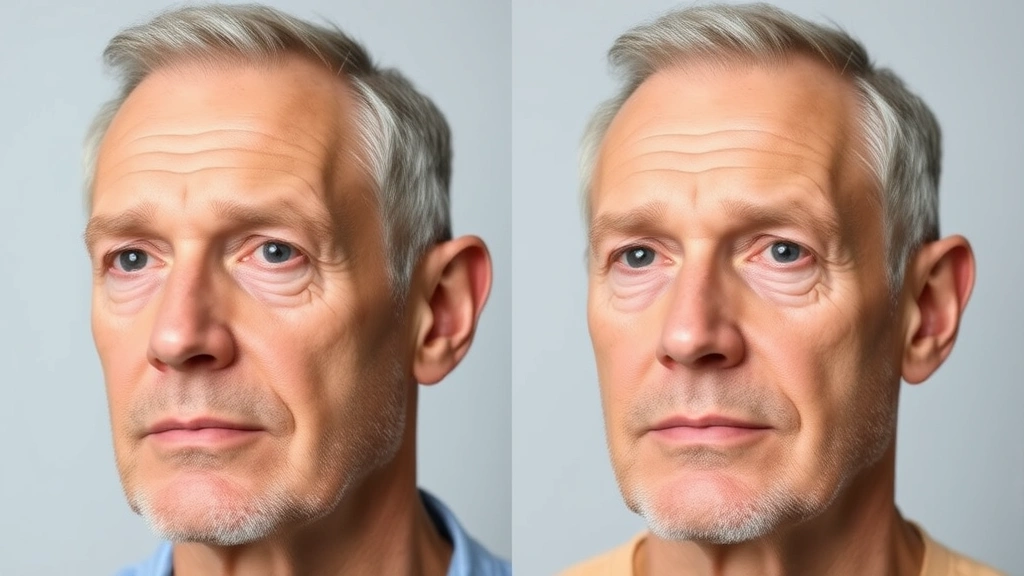
Eyelid surgery (blepharoplasty) addresses aging signs in the eye area, including drooping upper lids and under-eye bags that can make men appear tired or older than they feel. This procedure delivers dramatic rejuvenation with relatively quick recovery and natural results when performed by experienced surgeons familiar with maintaining masculine eye characteristics.
Hair transplantation and scalp micropigmentation have become increasingly sophisticated, offering men multiple solutions to hair loss. These procedures combine surgical precision with artistic restoration to create natural hairlines and density that match individual characteristics and age-appropriate appearance.
Facial Rejuvenation Trends
Facial rejuvenation for men has evolved from aggressive facelifts toward more subtle, strategic approaches that maintain individual character while addressing specific aging concerns. Modern facelifts for men emphasize restoring definition to the jawline and addressing jowling without creating the pulled, overly-tight appearance associated with outdated techniques. Deep plane facelifts and other advanced techniques allow surgeons to work beneath facial muscles, creating more natural, longer-lasting results.
Forehead lifts combined with brow positioning procedures address the heavy, drooping appearance that develops with age. Men often resist aggressive brow lifts that could feminize appearance, so skilled surgeons adjust elevation to maintain appropriate arch while opening the eye area and reducing upper forehead lines. When combined with proper post-procedure skin care, results can appear refreshed rather than surgically altered.
Injectable treatments including botulinum toxin and dermal fillers have become increasingly popular as entry-level procedures for men. These minimally invasive options address dynamic wrinkles, volume loss, and facial asymmetry without surgical commitment or significant downtime. Men appreciate the reversibility and gradual nature of injectable results, allowing them to experiment with subtle enhancement before considering more permanent surgical options.
Microneedling and other skin resurfacing procedures have gained traction among men seeking to improve skin texture, reduce acne scarring, and stimulate collagen production. These procedures complement surgical facial rejuvenation and support overall skin health. Proper skincare routines following resurfacing are essential for optimal healing and results.
Chemical peels tailored for male skin types help address sun damage, uneven pigmentation, and early aging signs. Men with darker skin tones or those prone to irritation require specialized peel formulations to minimize complications. Understanding skin sensitivity and proper aftercare prevents adverse reactions and supports healing.
Body Contouring Procedures
High-definition liposuction combined with abdominal etching has become increasingly popular among men seeking athletic physique enhancement. This procedure removes subcutaneous fat while strategically sculpting remaining tissue to emphasize muscle definition. Results appear most dramatic in men with good skin elasticity and underlying musculature, making this procedure particularly popular among fitness-conscious individuals aged 30-55.
Pectoral implants and chest contouring address men dissatisfied with natural chest development despite rigorous training. These procedures can correct asymmetry, enhance overall chest size and projection, or create more defined pectoral separation. Silicone implants designed specifically for male chest anatomy have improved significantly, offering natural appearance and sensation.
Gynecomastia correction remains one of the most emotionally impactful procedures for male patients, addressing both tissue enlargement and skin excess. Techniques range from liposuction alone for mild cases to comprehensive tissue removal and skin tightening for more significant enlargement. The psychological impact of this surgery is substantial, as many men report increased confidence, improved exercise participation, and enhanced social comfort post-procedure.
Arm contouring, including brachioplasty (arm lift) and liposuction, addresses loose skin and fat deposits in the upper and lower arm. This procedure has gained popularity among men experiencing significant weight loss or age-related skin laxity. Combination approaches using liposuction with skin tightening deliver optimal results for men with moderate to significant excess skin.
Thigh and buttock contouring procedures address excess skin and fat in lower body areas. While less common than upper body procedures, these treatments have increased among men pursuing comprehensive body transformation, particularly following significant weight loss or as part of overall body sculpting goals.
Minimally Invasive Options
Botulinum toxin injections represent the most popular non-surgical procedure among men, used to soften expression lines on the forehead, between brows, and around eyes. Men typically prefer conservative dosing that maintains natural expression and avoids the frozen appearance sometimes associated with aggressive treatment. Strategic placement by experienced injectors preserves masculine features while reducing aging signs.
Dermal fillers address volume loss in cheeks, temples, and under eyes that develops with aging. Hyaluronic acid fillers offer reversibility and adjustability, making them ideal for men new to injectable procedures. Placement strategies differ from female treatments, emphasizing angular definition and masculine proportions rather than soft, rounded contours.
Microneedling and radiofrequency microneedling stimulate collagen production, improving skin texture and reducing fine lines without downtime. These procedures work well for men with active lifestyles who cannot accommodate extended recovery periods. Multiple treatments typically deliver superior results compared to single sessions, with cumulative collagen remodeling improving skin quality progressively.
Laser treatments address various concerns including age spots, broken capillaries, rosacea, and unwanted hair. Men with darker skin types require specialized laser parameters to minimize hyperpigmentation risk. Post-laser skin care is critical for preventing irritation and supporting healing, particularly in men prone to ingrown hairs or sensitive skin.
Thread lifts offer subtle facial lifting without surgery, using absorbable sutures to lift and support sagging tissues. Results typically last 12-18 months, providing men an opportunity to evaluate whether more permanent surgical procedures might be appropriate. Minimal downtime makes thread lifts attractive for professional men unable to accommodate surgical recovery.
Skin Health and Post-Procedure Care
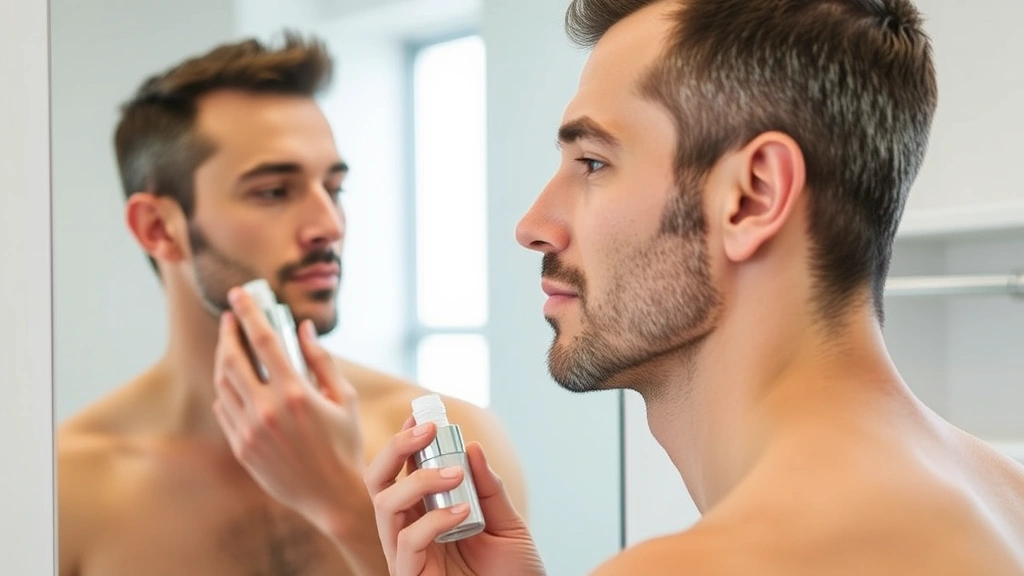
Post-procedure skin care significantly impacts cosmetic surgery outcomes and should begin before any procedure occurs. Men benefit from establishing consistent skincare routines incorporating cleansing, moisturizing, and sun protection. Niacinamide-containing products offer multiple benefits including barrier support, inflammation reduction, and skin texture improvement—all crucial for post-procedure healing.
Sun protection becomes absolutely critical following cosmetic procedures, as UV exposure can compromise healing, increase scarring, and cause hyperpigmentation. Broad-spectrum SPF 30 minimum daily, with SPF 50+ for outdoor activities, should be non-negotiable in post-procedure skincare. Men often underestimate sun damage risk, but cumulative exposure significantly impacts long-term surgical results and overall skin aging.
Gentle cleansing without harsh scrubbing or active ingredients during initial healing phases protects vulnerable, healing skin. Once cleared by the surgeon, gradual reintroduction of actives like retinoids and vitamin C supports collagen production and skin quality. Hydrating masks and gentle treatments support barrier function during recovery.
Hydration represents a foundational element of post-procedure care, supporting healing from inside out. Adequate water intake, combined with hydrating skincare products containing humectants like glycerin and hyaluronic acid, optimizes healing and skin appearance. Men often neglect hydration focus, but this simple step dramatically impacts recovery quality and final results.
Avoiding smoking and limiting alcohol consumption during recovery periods is essential, as both substances impair healing and increase complication risk. Smoking specifically compromises blood flow, delays wound healing, and increases scarring risk—factors that can significantly impact surgical outcomes. Many surgeons require smoking cessation periods before and after procedures to optimize results.
Choosing the Right Surgeon
Selecting an experienced, qualified surgeon represents the most critical decision in cosmetic surgery outcomes. Board certification by the American Board of Plastic Surgery or equivalent international bodies ensures surgeons have undergone rigorous training and maintain continuing education. Men should verify credentials through official board websites rather than accepting surgeon claims at face value.
Reviewing before-and-after photos specific to male patients and the exact procedure being considered provides crucial insight into surgeon capabilities. High-quality results in male cosmetic surgery require understanding masculine facial proportions, feature preservation, and aesthetic principles specific to male patients. Surgeons with extensive male patient experience typically deliver more natural, appropriate results than those primarily treating female patients.
Consultation quality matters significantly—experienced surgeons listen carefully to patient goals, explain realistic outcomes, and discuss limitations honestly. Men should feel comfortable asking detailed questions about techniques, recovery expectations, and potential complications. Surgeons who pressure patients toward procedures or oversell results warrant skepticism.
Facility accreditation and safety standards should be verified before scheduling any procedure. American Association for Accreditation of Ambulatory Surgery Facilities accreditation indicates adherence to strict safety and quality standards. Operating room credentials, anesthesia provider qualifications, and emergency protocols should all be confirmed.
Realistic expectations represent a crucial component of surgical satisfaction. Men should understand that cosmetic procedures enhance appearance and address specific concerns but do not create perfection or solve underlying self-esteem issues. Surgeons who thoroughly discuss expectations and identify unrealistic goals help ensure patient satisfaction and prevent disappointment.
FAQ
What is the most popular cosmetic procedure for men?
Rhinoplasty remains the most frequently requested surgical procedure, though liposuction and minimally invasive treatments like botulinum toxin injections compete for top rankings depending on how procedures are categorized. Gynecomastia correction has seen remarkable growth and represents one of the most psychologically impactful procedures for male patients.
Is cosmetic surgery for men more expensive than for women?
Pricing depends primarily on procedure type and surgeon experience rather than patient gender. Comparable procedures cost similarly regardless of patient gender, though some specialized techniques for maintaining masculine features may involve additional surgeon expertise reflected in pricing.
How long is recovery from male cosmetic surgery?
Recovery timelines vary dramatically by procedure. Injectable treatments require no downtime, while surgical procedures typically involve 1-2 weeks of visible recovery and 4-6 weeks of complete healing. Strenuous exercise restrictions often extend 4-8 weeks depending on procedure type and intensity.
Can cosmetic procedures look natural on men?
Absolutely. Modern techniques and experienced surgeons specializing in male cosmetic surgery deliver natural, age-appropriate results that enhance appearance without obvious surgical changes. Conservative approaches and strategic enhancement of masculine features ensure results appear as natural improvement rather than dramatic alteration.
What age should men consider cosmetic procedures?
There is no specific age requirement—men in their 20s pursue procedures for congenital concerns or features they wish to modify, while older men address aging signs. The best candidates are those with specific concerns they want addressed and realistic expectations about what procedures can achieve.
Are there non-surgical alternatives to cosmetic surgery?
Absolutely. Injectable treatments, laser therapies, microneedling, and other minimally invasive procedures address many concerns that drive men toward surgery. These options allow men to explore enhancement with minimal downtime and reversibility, potentially reducing interest in surgical procedures.