Cosmetic Surgery for Men? Expert Insights on Modern Male Aesthetic Procedures
The landscape of cosmetic surgery has undergone a dramatic transformation over the past decade, with an increasing number of men seeking surgical and non-surgical aesthetic treatments to enhance their appearance and boost confidence. Once considered a taboo subject, male cosmetic surgery has become mainstream, with procedures ranging from subtle refinements to more transformative interventions. Men now represent a significant portion of cosmetic surgery patients, driven by evolving social attitudes, competitive workplace pressures, and the influence of social media standards.
Whether you’re considering a procedure to address specific concerns or simply exploring your options, understanding the landscape of cosmetic surgery for men is essential. This comprehensive guide explores the most popular procedures, expert recommendations, recovery expectations, and important considerations before making a decision. We’ll delve into why men are increasingly turning to cosmetic procedures and what the latest research tells us about outcomes and satisfaction rates.

Why Men Are Choosing Cosmetic Surgery
The decision to pursue cosmetic surgery is deeply personal, and men’s motivations are as diverse as the procedures available. Recent statistics from the American Society of Plastic Surgeons indicate that men now account for approximately 10-15% of all cosmetic surgical procedures performed annually, with growth rates exceeding those of female patients in several categories.
Professional advancement plays a significant role in male cosmetic surgery decisions. In competitive industries like finance, entertainment, and executive management, appearance can influence perceptions of competence and authority. A refined appearance may contribute to increased confidence during presentations, negotiations, and client interactions. Additionally, the rise of video conferencing and digital communication has made men more aware of how they appear on screen, prompting interest in procedures that enhance facial features.
Social media and celebrity influence cannot be overlooked. Men increasingly follow fitness influencers, actors, and athletes who maintain meticulously groomed appearances. The accessibility of before-and-after photos on social platforms has normalized cosmetic procedures and made men feel more comfortable discussing their aesthetic goals. Dating and relationship dynamics also motivate some men to invest in their appearance, particularly in competitive dating markets.
Beyond external pressures, many men pursue cosmetic surgery for deeply personal reasons—correcting features they’ve been self-conscious about since adolescence, or addressing changes that come with aging. Some seek procedures to correct injuries or asymmetries that have bothered them for years. This internal motivation often leads to higher satisfaction rates than procedures pursued solely for external validation.
It’s worth noting that a strong skincare routine for glowing skin can address many minor concerns before considering surgical intervention, making it an important first step in any aesthetic journey.
Popular Cosmetic Procedures for Men
Rhinoplasty (Nose Surgery)
Rhinoplasty remains one of the most requested cosmetic procedures among men, accounting for a substantial percentage of male cosmetic surgeries. Men often seek rhinoplasty to correct functional issues—such as breathing difficulties from a deviated septum—while simultaneously improving aesthetic appearance. This dual benefit appeals to many male patients who prefer procedures that serve multiple purposes.
The male rhinoplasty approach differs from female procedures in several important ways. Surgeons typically maintain stronger nasal features, preserving masculine characteristics while refining proportions. The goal is subtle enhancement rather than dramatic transformation, maintaining natural appearance and facial harmony. A well-executed male rhinoplasty enhances profile definition and facial balance without appearing obviously surgical.
Liposuction and Body Contouring
Body contouring procedures, including liposuction and fat transfer, have experienced tremendous growth among male patients. Men often struggle with stubborn fat deposits in the abdomen, flanks, and chest area that resist diet and exercise. Advanced liposuction techniques allow surgeons to remove localized fat while maintaining natural contours and muscle definition.
For men concerned about chest appearance, gynecomastia surgery addresses enlarged breast tissue, a condition affecting approximately 40-60% of men at some point in their lives. This procedure combines liposuction with glandular tissue removal, creating a flatter, more masculine chest contour. Many men report significant confidence improvements following gynecomastia correction.
Facelift and Skin Tightening
As men age, they increasingly seek facelift procedures to address sagging skin, deep creases, and loss of definition. Modern male facelifts focus on maintaining masculine features—stronger jawlines, prominent cheekbones—while eliminating signs of fatigue and aging. Surgeons work to avoid the “pulled” appearance that can result from overly aggressive lifting, instead creating natural rejuvenation.
Incorporating how to boost collagen production naturally before and after facelift surgery can enhance results and support skin health during recovery.
Eyelid Surgery (Blepharoplasty)
Blepharoplasty addresses drooping eyelids and under-eye bags that can make men appear tired or older than their actual age. This procedure is particularly popular among men in leadership positions and those in front of cameras. Upper eyelid surgery removes excess skin that can impair vision and create a tired appearance, while lower eyelid procedures address puffiness and dark circles.
Chin and Jaw Augmentation
Chin implants and jaw contouring procedures enhance masculine facial structure. A strong, well-defined jawline is associated with masculinity and attractiveness, making these procedures popular among men seeking to improve facial proportions. These procedures can be performed using implants or through bone reshaping, depending on individual anatomy and goals.
Hair Transplantation
While not traditionally classified as cosmetic surgery in the same category as other procedures, hair transplantation has become increasingly sophisticated and popular among men. Modern techniques like follicular unit extraction (FUE) provide natural-looking results with minimal scarring. Many men find that restoring hair significantly impacts confidence and self-perception.
Non-Surgical Alternatives and Treatments
Before committing to surgical procedures, many men explore non-surgical options that can deliver impressive results with minimal downtime. These treatments often serve as effective alternatives or complementary approaches to surgical intervention.
Injectable Treatments
Botulinum toxin (Botox) and dermal fillers have gained significant acceptance among male patients. Men typically prefer subtle results that maintain natural expression while reducing fine lines and wrinkles. Strategic filler placement can enhance jawline definition, restore cheek volume, and improve overall facial balance without appearing obviously treated.
Laser and Light-Based Therapies
Laser resurfacing, microdermabrasion, and intense pulsed light (IPL) treatments address skin texture, hyperpigmentation, and signs of sun damage—common concerns for men who may have spent years in the sun without adequate protection. These treatments stimulate collagen remodeling, improving skin quality and appearance without surgical intervention.
Chemical Peels
Chemical peels range from superficial to deep, with options suitable for various skin types and concerns. Men appreciate chemical peels for their ability to improve skin texture, reduce acne scars, and address uneven skin tone. The green tea cosmetic benefits in many modern skincare formulations complement professional chemical peel treatments, supporting skin recovery and antioxidant protection.
Microneedling
Microneedling creates controlled micro-injuries that stimulate natural collagen production, improving skin texture and reducing the appearance of scars and fine lines. This minimally invasive treatment appeals to men seeking skin improvement without significant downtime or obvious treatment signs.
Preparing for Your Procedure
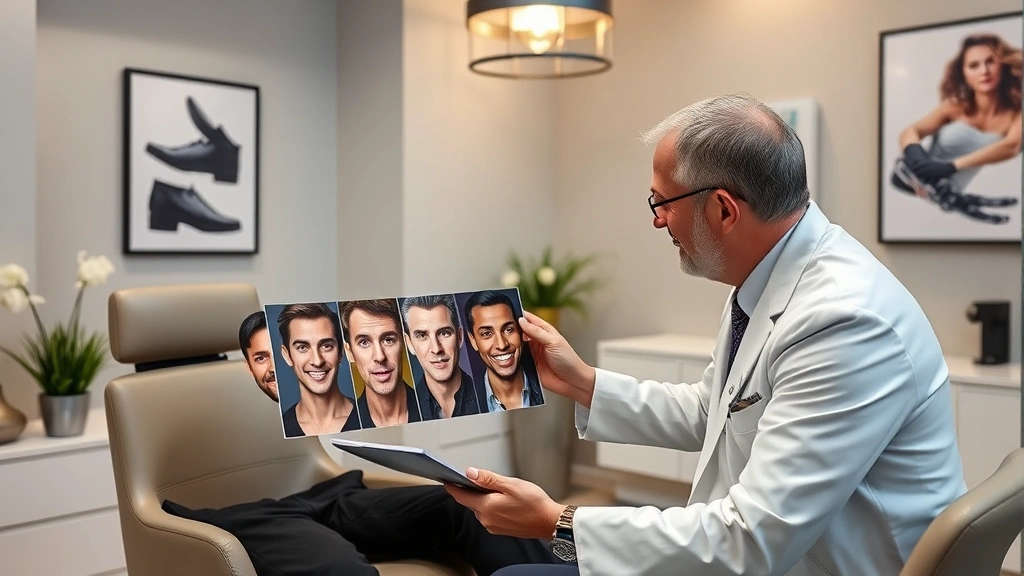
Thorough preparation significantly impacts surgical outcomes and recovery success. Begin by scheduling consultations with board-certified surgeons who have extensive experience with male patients. During consultations, discuss realistic expectations, view before-and-after photos of male patients, and understand the specific techniques your surgeon employs.
Medical evaluation is essential. Disclose your complete medical history, current medications, supplements, and any bleeding disorders or circulation issues. Some medications and supplements can increase bleeding risk, requiring temporary discontinuation before surgery. Your surgeon will provide specific preoperative instructions regarding eating, drinking, and medication management.
Optimize your skin health before procedures. Implement a consistent skincare routine for glowing skin several weeks before surgery to ensure skin is healthy and well-hydrated. Avoid sun exposure and use broad-spectrum SPF 30 or higher daily. Smoking significantly impairs healing and increases complication risk, so cessation well before surgery is crucial.
Arrange practical logistics. Arrange transportation home after surgery, as anesthesia impairs driving ability. Plan time off work—recovery timelines vary by procedure, ranging from several days to several weeks. Prepare your home with comfortable seating, extra pillows, and easy-to-prepare meals to support recovery.
Mentally prepare for the experience. Understand that initial results appear swollen and bruised. Healing is a gradual process, with final results typically visible after 3-6 months as swelling resolves completely. Realistic expectations about timelines and results contribute significantly to satisfaction.
Recovery and Results Timeline
Recovery timelines vary considerably depending on the procedure’s extent and invasiveness. Most men can return to light activities within 1-2 weeks, though strenuous exercise and heavy lifting typically require 4-6 weeks of restriction.
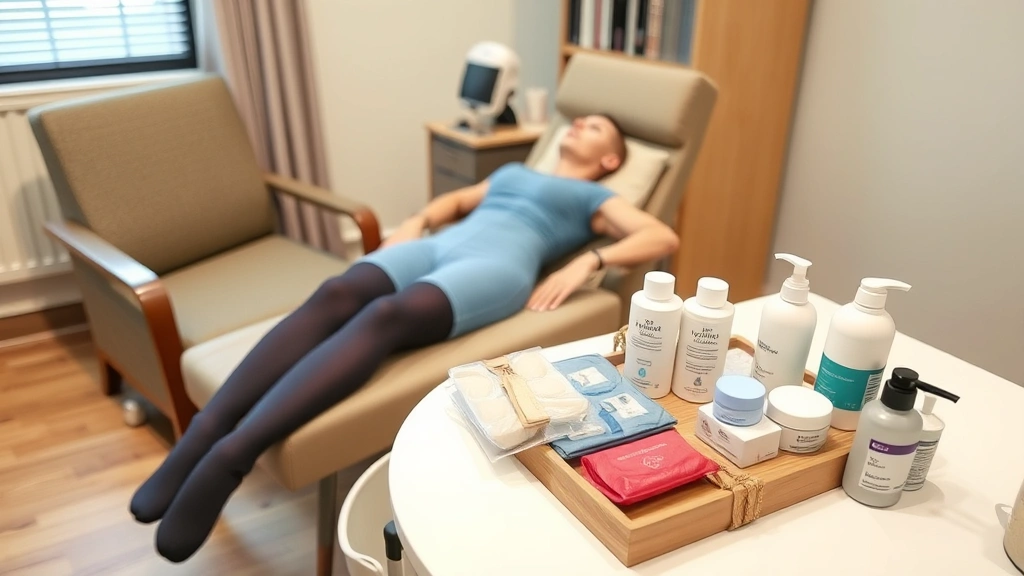
Initial swelling and bruising peak around days 3-5 post-surgery, gradually improving over subsequent weeks. Many men underestimate how visible these effects will be and should plan accordingly if appearance matters for work or social commitments. Wearing compression garments as directed helps minimize swelling and supports tissue healing.
Pain management typically involves prescribed medications for the first few days, transitioning to over-the-counter options as discomfort decreases. Following your surgeon’s wound care instructions precisely prevents infection and supports optimal healing. Attend all scheduled follow-up appointments, which allow your surgeon to monitor progress and address any concerns.
Final results emerge gradually. While initial improvements appear within 2-3 weeks, tissues continue settling for months. Swelling may persist in subtle ways for 6 months or longer. Patience during this timeline is essential, as judging results too early leads to unnecessary concern.
Choosing the Right Surgeon
Surgeon selection is perhaps the most critical factor in cosmetic surgery success. Board certification by the American Board of Plastic Surgery (ABPS) or equivalent international organizations indicates rigorous training and commitment to standards. Verify credentials through the American Society of Plastic Surgeons website.
Experience with male patients specifically matters significantly. Male facial anatomy differs from female anatomy, and surgeons experienced with male patients understand how to maintain masculine characteristics while achieving aesthetic improvements. Review before-and-after photos of male patients similar to you in age, ethnicity, and desired outcomes.
Consultation quality reveals much about a surgeon’s approach. The best surgeons listen carefully, ask detailed questions about your goals, and offer honest assessments of achievable results. Be wary of surgeons who promise dramatic transformations or pressure you toward procedures you’re uncertain about. A good surgeon respects your autonomy and timeline.
Facility accreditation ensures safety standards. Surgery should occur in accredited surgical facilities with proper anesthesia support and emergency capabilities. Ask about infection rates, complication rates, and the surgeon’s approach to addressing complications should they arise.
Patient reviews and testimonials provide valuable insights, though remember that extremely positive or negative reviews may not represent typical experiences. Look for patterns in feedback regarding surgeon communication, staff professionalism, and results satisfaction.
Cost considerations matter, but should not be the primary decision factor. While affordable cosmetic brands exist in skincare, cosmetic surgery requires investment in quality and safety. Expect significant cost variation based on surgeon experience, facility location, and procedure complexity. Quality work often costs more because it delivers superior, longer-lasting results with lower complication rates.
FAQ
At what age is cosmetic surgery appropriate for men?
Most surgeons recommend waiting until at least age 18-21 for procedures involving facial bone structure, as growth plates may still be developing. For other procedures like liposuction, timing depends on individual circumstances and goals rather than strict age guidelines. Many men first pursue cosmetic procedures in their 40s-50s to address aging signs.
Will cosmetic surgery look obviously surgical?
Modern cosmetic surgery aims for natural enhancement rather than obvious transformation. Experienced surgeons, particularly those familiar with male patients, create results that enhance your appearance while maintaining natural-looking features. The best results are those people notice only as looking “healthier” or “more refreshed” rather than obviously surgical.
How long do cosmetic surgery results last?
Longevity varies by procedure. Liposuction results are essentially permanent since fat cells don’t regenerate, though remaining fat cells can enlarge with weight gain. Facelifts typically last 7-10 years before natural aging progression resumes. Non-surgical treatments like injectables require maintenance every 3-6 months.
Can I combine multiple procedures?
Yes, many men combine procedures during a single surgery session to minimize total recovery time and achieve comprehensive facial or body rejuvenation. Your surgeon will assess whether combining procedures is safe based on your health and the specific treatments involved.
What are the main risks and complications?
All surgical procedures carry risks including infection, bleeding, anesthesia reactions, and scarring. Procedure-specific risks vary—rhinoplasty may result in breathing changes, facelifts may cause temporary nerve irritation affecting facial sensation or movement. Discuss specific risks thoroughly during your consultation, and understand that serious complications are rare with experienced surgeons.
Should I use skincare products before and after cosmetic surgery?
Absolutely. Preparing skin with quality skincare products before surgery supports healing and optimal results. Post-surgery, gentle skincare becomes essential. Your surgeon will provide specific guidance, but maintaining hydration and sun protection is universally important. The cosmetic expiration date matters—use fresh products and discard expired items that may irritate healing skin.
Is cosmetic surgery covered by insurance?
Insurance typically covers procedures addressing functional issues—rhinoplasty correcting breathing problems, blepharoplasty improving vision obstruction, or gynecomastia surgery when excessive tissue causes discomfort. Purely aesthetic procedures are not covered. Verify coverage with your insurance provider and surgeon’s billing department beforehand.
How do I know if I’m a good candidate for cosmetic surgery?
Good candidates have realistic expectations, specific aesthetic goals, stable weight, good overall health, and commitment to following preoperative and postoperative instructions. Psychological readiness matters—cosmetic surgery should enhance confidence, not address underlying body dysmorphia or self-worth issues. Honest discussions with your surgeon during consultation will determine candidacy.