Table of Contents
Introduction
Picture this: you’re having an amazing day in the sun, and then—bam. That familiar prickly, itchy sensation starts creeping across your skin. Heat rash has a way of crashing the party, doesn’t it? But here’s the good news: it doesn’t have to be inevitable. With the right knowledge and some smart prevention strategies, you can keep your skin cool, comfortable, and completely rash-free even on the most scorching days.
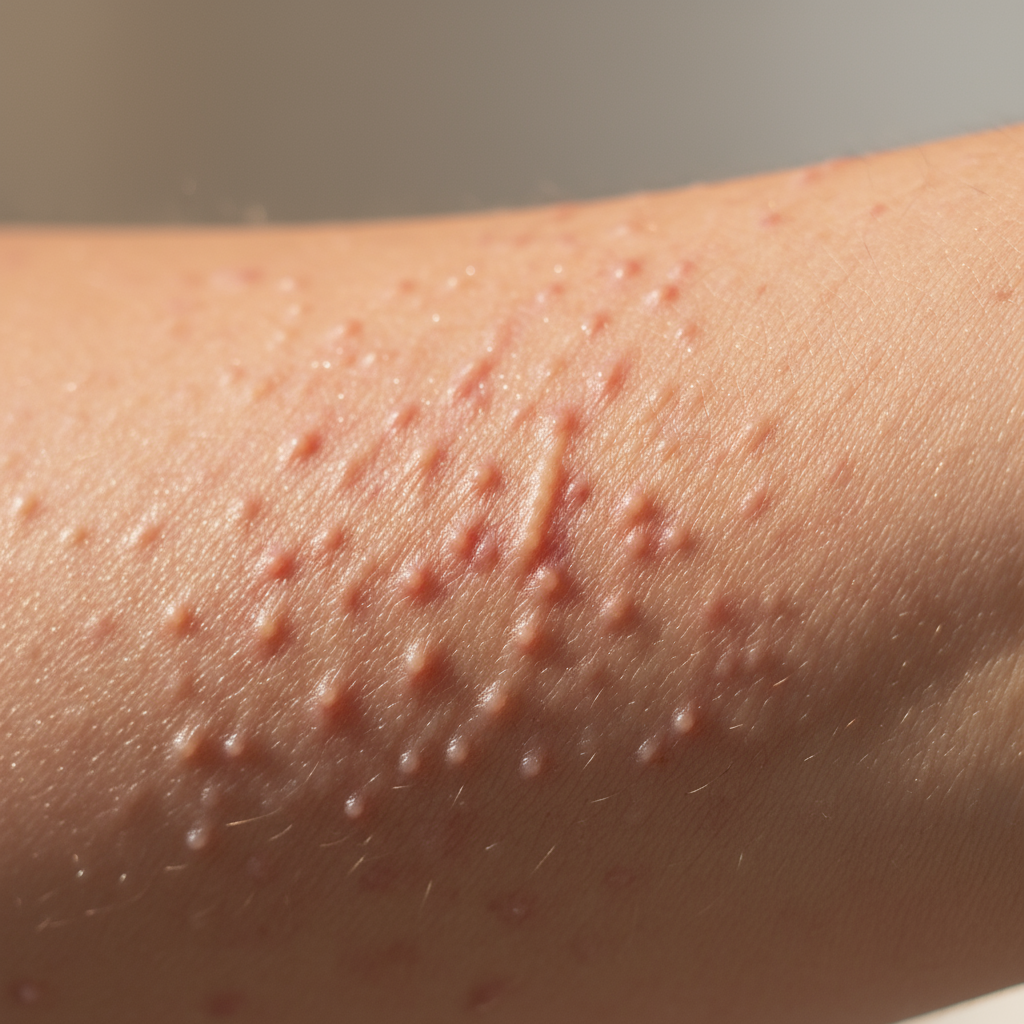
So what exactly causes this annoying condition? Heat rash happens when your sweat ducts get clogged up, creating those irritating bumps and inflammation we all know too well. It doesn’t discriminate either—people of all ages can get hit with it, especially when the weather turns hot and sticky. If you’ve dealt with heat rash before, you know it’s more than just uncomfortable. It can actually hurt and mess with your daily routine. The trick is learning how to outsmart it by tweaking your environment and habits. And speaking of keeping your skin happy, if you have sensitive skin, you’ll want to check out the essentials of skincare products for sensitive skin to maintain that healthy glow year-round.
Now, let’s talk prevention. The secret? Keep sweat from building up and give your skin room to breathe. Sometimes the simplest changes make the biggest difference. Take your clothing choices, for instance—switching to lightweight, breathable fabrics that actually wick moisture away from your skin can dramatically cut your heat rash risk. Think of these materials as your skin’s best friend on hot days. You can also create your own cool zone by hanging out in shaded spots or cranked-up AC during peak heat hours, setting up fans for better air flow, and hopping in the shower more often to stay fresh. Want more tips on keeping irritated skin calm? Here’s a great resource on how to soothe irritated skin.
Here’s what many people don’t realize: heat rash isn’t just a minor annoyance. For folks with sensitive skin or existing skin conditions, it can be a real problem that affects daily life and overall health. That’s why you need a game plan that combines smart skincare with being proactive about your environment and what your skin actually needs. Want to give your skin an extra edge? Your diet plays a bigger role than you might think. Learning about foods rich in antioxidants can actually help build up your skin’s natural defenses. When you take this broader approach, you’re not just preventing heat rash—you’re setting your skin up to stay healthy, strong, and ready for whatever the weather throws at it.
What You’ll Learn in This Guide
Ready to become a heat rash prevention pro? We’re going to walk through everything you need to know, step by step. Here’s what’s coming up:
- Understanding Heat Rash: We’ll break down exactly what heat rash is, why it happens, and all the environmental and personal factors that team up to cause it.
- Common Causes: You’ll discover the main culprits—heat, humidity, tight clothes, your skin type—and how they work together to create the perfect storm for heat rash.
- Prevention Techniques: This is where we get practical. You’ll learn the best clothing strategies, how to control your environment, and skin care habits that actually work to keep you rash-free.
- Recognizing and Managing Symptoms: We’ll help you spot the warning signs early and know when it’s time to get help, plus share some tried-and-true home remedies for soothing irritation and speeding up healing.
As we dive deeper into each topic, you’ll get actionable advice you can start using today, insider tips from skin experts, and—just as important—the common mistakes that can actually make things worse. Keeping your skin happy in hot weather isn’t rocket science, but it does require the right approach. If you’re looking to level up your entire skincare game, you might also want to explore skincare routines for glowing skin as part of your overall skin health strategy.
We’re covering it all—from heat rash basics to the most effective prevention strategies that actually work in real life. You’ll discover which fabrics are your skin’s best friends on hot days, why staying hydrated and cool matters more than you think, and gentle skincare routines that protect your skin’s natural barrier without causing irritation. These aren’t just tips—they’re insights that will change how you approach hot weather forever. No more crossing your fingers and hoping for the best.
By the time you finish reading this guide, you’ll have complete confidence in protecting your skin from heat rash through simple daily choices. You’ll also know exactly what to look for if symptoms do pop up and how to handle them quickly with things you probably already have at home. Ready to enjoy those sunny days without any discomfort? Let’s get started.

Now that we’ve covered the basics of heat rash, let’s dig into what actually causes it—and more importantly, how you can stop it before it starts. Heat rash happens when your sweat ducts get clogged up, trapping moisture right under your skin. Think of it like a traffic jam, but for sweat. When it’s hot and humid outside, your body works overtime trying to cool itself down, and sometimes those tiny ducts just can’t keep up. The result? Those annoying red bumps that make you want to scratch your skin off.
Common Causes of Heat Rash and How to Identify Them
Here’s the thing about heat rash—it’s usually a perfect storm of environmental factors and personal choices that create the ideal conditions for trouble. High temperatures and humidity are the obvious culprits. Your skin produces more sweat than it can handle, and when that moisture has nowhere to go, it gets trapped. Add poor air circulation and tight clothing into the mix, and you’ve got a recipe for irritated skin.
But it’s not just about the weather. Some people are naturally more prone to this stuff—especially if you have sensitive skin or you’re the type who sweats a lot during workouts. (We’ve all been there.) Your clothing choices matter too. Those synthetic fabrics that don’t breathe? They’re basically creating a sauna for your skin. If you want to understand the bigger picture of treating heat rash effectively, check out how to treat heat rash effectively, which breaks down both causes and prevention in detail.
Key Aspects of Heat Rash Causes
Let’s break down what you’re actually dealing with here:
- Environmental Factors: When it’s hot and humid, your body cranks up sweat production, but your skin can’t dry off fast enough. Your best bet? Stay in the shade, find some AC, or at least get yourself a good fan.
- Clothing Choices: Tight clothes and synthetic fabrics are basically sweat traps. Switch to loose cotton or moisture-wicking materials that actually let your skin breathe—trust me, your skin will thank you.
- Prolonged Sweating: Long workouts or spending hours in the heat without a shower break? That’s asking for trouble. Take breaks, drink water, and clean off that sweat when you can.
- Skin Sensitivity and Type: Some folks just have more sensitive skin that reacts faster to irritation. If that’s you, stick with gentle products and avoid anything too harsh or chemical-heavy.
Once you understand what’s causing the problem, you can actually do something about it. And that brings us to the good news—prevention is totally doable.
Effective Prevention Strategies to Keep Skin Healthy and Rash-Free
Prevention really comes down to three things: managing heat, controlling moisture, and reducing friction. Sounds simple, right? It actually is, once you know what to focus on.
Your clothing is probably the easiest thing to control. Loose, lightweight, breathable fabrics are your best friends here. Cotton works great, and those moisture-wicking materials designed for athletes are even better—they literally pull sweat away from your skin. If you’ve got particularly sensitive skin, you might want to look into skincare products for sensitive skin to make sure you’re not accidentally making things worse with the wrong products.
Your environment matters just as much. Cool, shaded spots are obviously ideal, but even a good fan can make a huge difference by keeping air moving around your skin. And here’s something people often overlook—keeping your skin clean and dry is crucial. Shower after you sweat (when possible), and skip the heavy creams or oily stuff that can clog up your pores. For more tips on keeping your skin happy when it’s already irritated, how to soothe irritated skin has some solid advice that works hand-in-hand with prevention.
Key Aspects of Heat Rash Prevention
Here’s your action plan for staying rash-free:
- Choose Appropriate Clothing: Go for loose-fitting, breathable stuff like cotton or moisture-wicking fabrics. Your skin needs room to breathe and dry off.
- Manage Your Environment: Find the coolest spots you can—shade, AC, fans, whatever works. Even small changes in temperature can make a big difference.
- Maintain Skin Hygiene: Wash off sweat when you can, especially after workouts. Use gentle products that won’t clog your pores or irritate your skin further.
- Avoid Pore-Blocking Products: Skip the heavy creams, oily lotions, and thick makeup when it’s hot. These can trap sweat and make everything worse.

Heat rash is one of those annoying skin conditions that seems to pop up at the worst times—usually when you’re trying to enjoy the outdoors or get through a sweltering summer day. It happens when your sweat ducts get blocked, trapping moisture and creating that uncomfortable, prickly irritation we all know too well. We’ve covered a lot of ground here, looking at everything from environmental culprits (hello, humidity and tight clothes) to personal factors like sensitive skin and excessive sweating. The good news? Once you understand what’s causing it, you’re already halfway to preventing it.
Prevention really comes down to smart choices that your skin will thank you for. Think loose, breathable fabrics—cotton is your friend here, and those moisture-wicking materials aren’t just for athletes. Your skin needs room to breathe and sweat needs somewhere to go besides getting trapped against your body. Managing your environment matters too. Seek out shade when you can, crank up that AC without guilt, or set up a fan to get some air moving. These aren’t luxuries—they’re necessities for keeping your body temperature in check. And here’s something that might surprise you: good hygiene goes beyond just feeling fresh. Regular showers wash away the sweat and bacteria that contribute to rashes, while avoiding heavy creams and oils keeps your pores from getting clogged. When you spot those telltale red bumps and that prickly sensation starting up, that’s your cue to take action before things get worse.
When heat rash does show up (and sometimes it will, despite your best efforts), the key is gentle care. Cool compresses feel amazing and actually help reduce inflammation. Calamine lotion isn’t just for poison ivy—it works wonders on heat rash too. Keep wearing those loose clothes we talked about, because the last thing irritated skin needs is more friction. If your rash isn’t improving after a few days, or if it’s getting worse or showing signs of infection, don’t tough it out. A quick visit to your healthcare provider can save you a lot of discomfort and prevent complications down the road. The truth is, these prevention and treatment strategies work—not just for avoiding heat rash, but for keeping your skin healthy and comfortable all year round.
Ready to take your skin care game to the next level? Since you’ve got the heat rash basics down, let’s explore some related topics that’ll make a real difference. Our guide on skincare products for sensitive skin will help you navigate the often overwhelming world of gentle, effective products that won’t irritate delicate skin. Speaking of irritation, our practical advice on how to soothe irritated skin gives you tried-and-true home remedies and routines that actually work when your skin is acting up. For heat rash specifically, our detailed article on how to treat heat rash dives deeper into treatment options and quick-relief strategies. And here’s something many people overlook—what you eat affects your skin more than you might think. Check out our guide to foods rich in antioxidants to learn how the right nutrients can boost your skin’s natural defenses and help it recover faster from irritation.
You’ve got everything you need now to tackle heat rash head-on and keep it from ruining your warm weather plans. It really does come down to those simple habits—choosing the right clothes, staying cool when possible, and taking good care of your skin. These aren’t complicated changes, but they make a huge difference in how comfortable you feel during hot weather. Your skin is with you every day, protecting you from the world around you, so it deserves some attention and care in return. Don’t wait for problems to start—begin implementing these strategies now, and reach out for professional help when you need it. You deserve to feel comfortable in your own skin, no matter what the weather brings.
Frequently Asked Questions
-
Can heat rash go away on its own?
- Yes, mild heat rash often resolves on its own with cooling measures and by avoiding further heat exposure. Keeping the skin dry and clean helps speed recovery.
-
Is heat rash contagious?
- No, heat rash is not contagious. It occurs due to blocked sweat ducts and skin irritation, not from infections passed between people.
-
What is the best clothing to prevent heat rash?
- Loose, lightweight, breathable fabrics like cotton or moisture-wicking materials are best. These allow sweat to evaporate and skin to breathe, reducing rash risk.
-
Can children get heat rash?
- Yes, children are particularly susceptible due to more sensitive skin and higher likelihood of sweating. Extra care with clothing and environment can help prevent it.
-
When should I see a doctor for heat rash?
- If heat rash worsens, spreads, shows signs of infection, or persists beyond a few days, medical advice is recommended to prevent complications.