Why Use a Mini Cosmetic Fridge? Expert Insights on Temperature-Controlled Skincare Storage
The beauty industry has witnessed a significant shift toward ingredient-focused skincare, and with that comes a critical question: how should we store our most potent formulations? A mini cosmetic fridge has emerged as an essential tool for skincare enthusiasts, dermatologists, and beauty professionals alike. These compact refrigeration units maintain optimal temperatures that preserve active ingredients, extend product shelf life, and deliver enhanced sensory benefits during application. Whether you’re investing in expensive serums, vitamin C treatments, or peptide-rich creams, understanding the science behind cold storage can transform your entire skincare regimen.
Temperature stability plays a crucial role in maintaining the efficacy of skincare products. Many active ingredients—particularly antioxidants, vitamins, and botanical extracts—degrade when exposed to heat and light. A mini cosmetic fridge typically maintains temperatures between 45-55°F (7-13°C), creating an ideal environment for ingredient preservation. This controlled environment isn’t just about longevity; it’s about maximizing the investment you’ve made in your skincare routine and ensuring every application delivers its promised benefits.
Understanding Mini Cosmetic Fridges and Their Purpose
A mini cosmetic fridge is a compact refrigeration unit specifically designed to store skincare and beauty products. Unlike standard kitchen refrigerators that operate at temperatures around 35-40°F, cosmetic fridges maintain slightly warmer temperatures ideal for skincare stability. These devices range from 4-liter capacity models perfect for personal use to 10-liter versions suitable for professional makeup artists and estheticians.
The primary purpose extends beyond simple cold storage. When you incorporate a mini cosmetic fridge into your routine, you’re making a scientific decision to protect your investment. Products containing hyaluronic acid serums, vitamin derivatives, retinoids, and botanical extracts require stable environments to maintain their molecular integrity. Professional makeup artists and dermatologists have long recognized that proper storage directly impacts product performance and client satisfaction.
The aesthetic appeal shouldn’t be overlooked either. Modern mini cosmetic fridges come in sleek designs with LED lighting, making them attractive vanity additions. This visual appeal often encourages consistent product use and proper skincare adherence, which is itself beneficial for skin health.
How Temperature Affects Skincare Ingredient Stability
Understanding the chemistry behind temperature sensitivity is essential for appreciating why a mini cosmetic fridge matters. Skincare active ingredients exist in delicate molecular states, and thermal energy accelerates degradation processes. According to research from the Personal Care Products Council, temperature increases of just 10°C can double the degradation rate of sensitive ingredients.
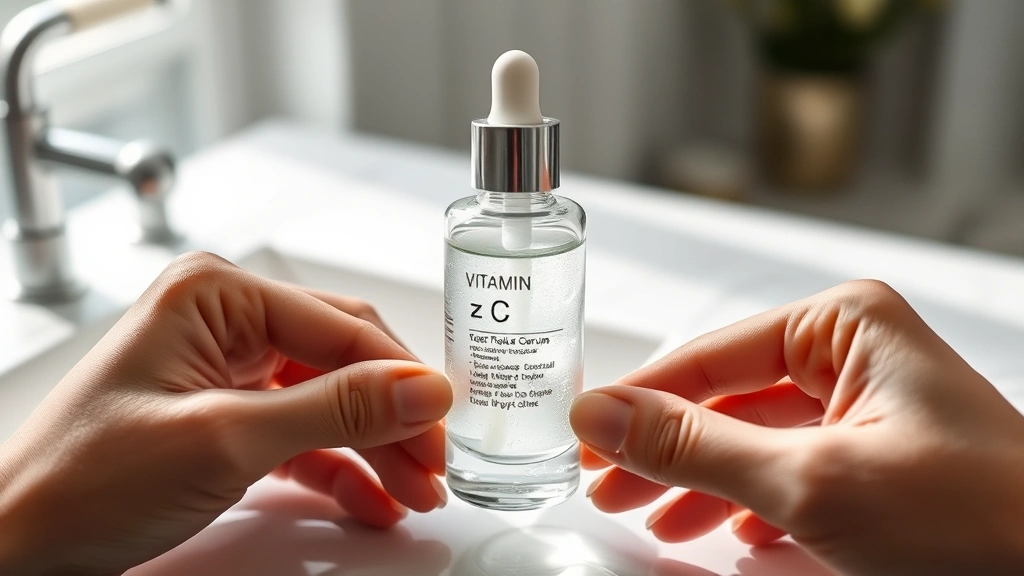
Vitamin C (ascorbic acid) represents one of the most temperature-sensitive ingredients in skincare. This potent antioxidant oxidizes rapidly when exposed to heat, light, and oxygen. At room temperature (68-72°F), vitamin C serums may lose 10-15% of their potency monthly. In a properly maintained mini cosmetic fridge, this degradation slows significantly, extending the effective shelf life from 3-4 months to 6-8 months or longer.
Retinoids, including retinol and retinaldehyde, similarly benefit from cold storage. These vitamin A derivatives are notoriously unstable and prone to isomerization—a process where the molecule changes structure and loses efficacy. Cool temperatures slow this chemical reaction, preserving the ingredient’s ability to stimulate cell turnover and collagen production.
Peptides and proteins used in anti-aging formulations also degrade faster at elevated temperatures. These complex molecules can denature—essentially unraveling from their functional structure—when exposed to heat. Maintaining consistent cool temperatures preserves their ability to support skin barrier function and reduce fine lines.
Botanical extracts including green tea for skin contain polyphenols and catechins that oxidize more slowly at cooler temperatures. This preservation means the antioxidant and anti-inflammatory benefits remain potent throughout the product’s lifespan.
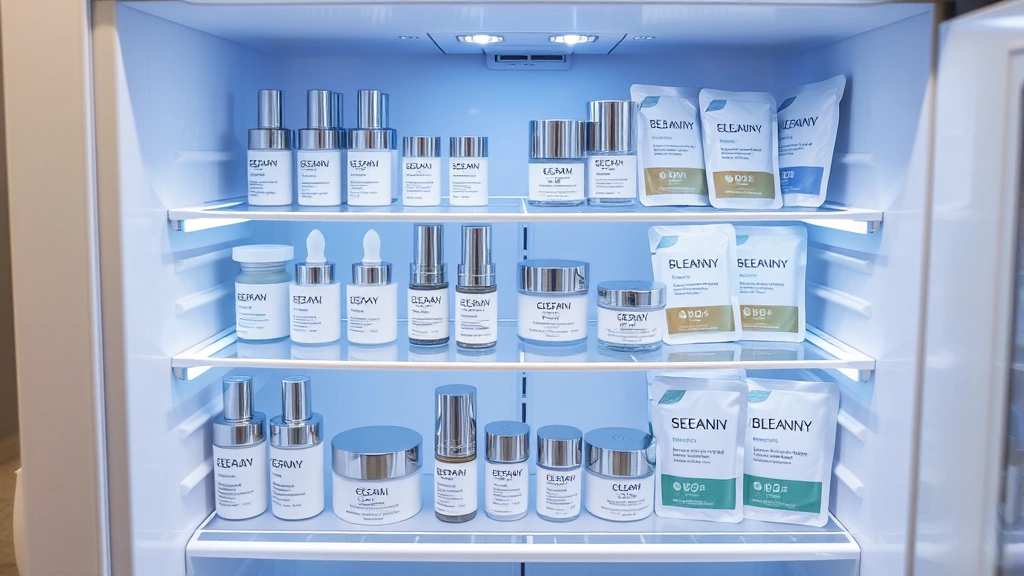
Best Products to Store in a Mini Cosmetic Fridge
Not every skincare product requires refrigeration, but certain formulations benefit dramatically from cool storage. Understanding which products deserve fridge space helps you maximize this resource efficiently.
Vitamin C Serums and Treatments: These are prime candidates for refrigeration. L-ascorbic acid, 3-O ethyl ascorbic acid, and other vitamin C derivatives maintain stability much longer when chilled. If you’ve invested in a high-quality vitamin C serum, cold storage is non-negotiable.
Retinoid Products: Including retinol, retinaldehyde, and prescription retinoids benefit from cool environments. The slower degradation means your retinoid treatment maintains efficacy throughout its use period, delivering consistent results.
Eye Creams and Serums: The delicate eye area requires potent, fresh formulations. Refrigerated eye creams provide additional cooling benefits that reduce puffiness and dark circles upon application. This dual benefit—preservation plus topical cooling—makes eye products ideal fridge candidates.
Sheet Masks and Hydrating Serums: Products containing hyaluronic acid and glycerin benefit from cool storage, and the chilled application enhances their hydrating and plumping effects. Cold sheet masks also provide soothing benefits for irritated or inflamed skin.
Peptide Creams and Serums: These advanced anti-aging formulations contain sensitive peptide complexes that denature at room temperature. Cool storage preserves their structural integrity and efficacy.
Botanical and Natural Extracts: Products featuring plant-based actives—including rose hip oil, jojoba oil infusions, and herbal extracts—remain fresher longer when refrigerated. This is particularly important for preserving antioxidant content.
Masks and Treatments: Clay masks, peel-off masks, and intensive treatments maintain their texture and efficacy better when chilled. Many users also prefer the cooling sensation these products provide during application.
Products for Teenagers: If you’re following a skincare routine for teenagers that includes active treatments, proper storage becomes even more important. Young skin is sensitive, and maintaining product integrity ensures optimal results without irritation.
Benefits Beyond Preservation: Cooling and Soothing Properties
While ingredient preservation represents the primary scientific benefit of a mini cosmetic fridge, the cooling application benefits deserve equal attention. Temperature-controlled skincare delivery offers multiple advantages that enhance both efficacy and user experience.
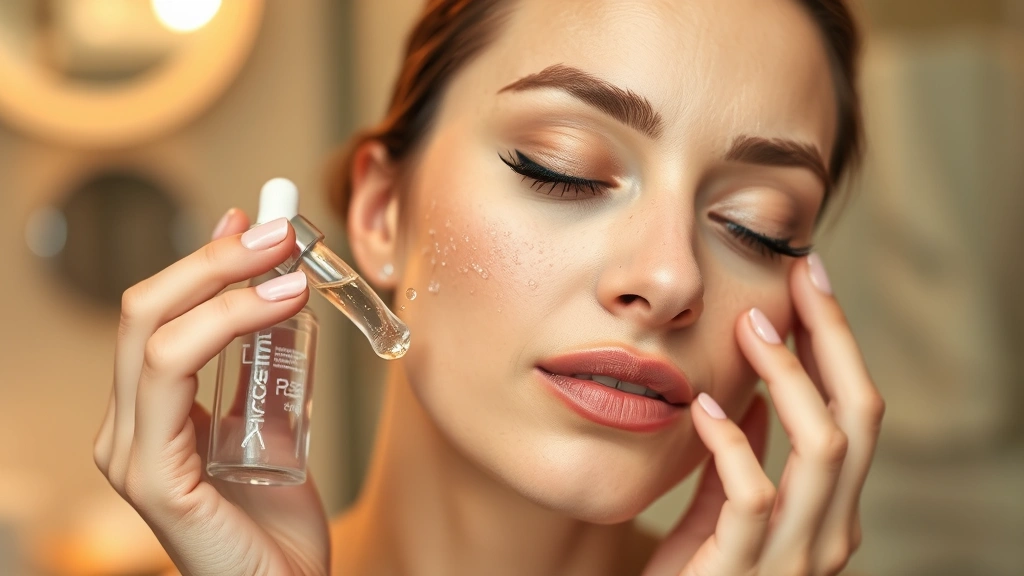
Reduced Inflammation and Puffiness: Applying cold products directly to the skin causes vasoconstriction—the temporary narrowing of blood vessels. This physiological response reduces redness, minimizes puffiness, and creates a visibly more even complexion. For individuals with sensitive or reactive skin, the soothing effect of cold serums and creams can significantly improve comfort.
Enhanced Absorption: Cool temperatures may slightly increase skin permeability, allowing active ingredients to penetrate more effectively. While the effect is modest, combined with proper application technique, refrigerated products may deliver enhanced results.
Sensory Enhancement: The pleasant cooling sensation improves the user experience, encouraging consistent product application. This psychological benefit shouldn’t be underestimated—skincare adherence directly impacts results.
Reduced Redness from Treatments: If you’re using treatments that cause temporary irritation, such as chemical exfoliants or retinoids, applying them at cool temperatures can minimize discomfort. This allows users to tolerate active treatments better, supporting long-term efficacy.
Post-Procedure Care: After professional treatments like laser therapy or microdermabrasion, refrigerated products provide soothing relief. The cooling effect combined with anti-inflammatory ingredients addresses treatment-induced sensitivity.
Seasonal Benefits: During summer months or in warm climates, refrigerated skincare provides refreshing relief. This is particularly valuable for individuals dealing with sunburn redness or heat-related skin irritation.
Choosing the Right Mini Cosmetic Fridge for Your Needs
Selecting an appropriate mini cosmetic fridge requires considering several factors beyond simple capacity. Understanding your specific needs ensures you invest in a device that truly serves your skincare routine.
Capacity Considerations: Personal use typically requires 4-6 liters, accommodating 15-20 products comfortably. Professional makeup artists or estheticians benefit from 10-liter capacity models. Consider your current collection and anticipated growth when selecting size.
Temperature Control: Look for models offering adjustable temperature settings between 45-55°F. This range maintains ingredient stability while preventing over-cooling that could alter product consistency. Digital temperature displays provide visibility into storage conditions.
Energy Efficiency: Compact cosmetic fridges operate on minimal electricity, but comparing wattage and energy ratings ensures cost-effective operation. Many modern units consume less power than a standard night light.
Noise Levels: Since cosmetic fridges are often placed in bedrooms or bathrooms, noise consideration matters. Look for models with quiet compressors—typically under 40 decibels.
Design and Aesthetics: Modern cosmetic fridges come in various colors and finishes. Choose a design complementing your vanity or bathroom aesthetic. LED lighting options add both functionality and visual appeal.
Portability: If you travel frequently or move between locations, consider compact, portable models. Some cosmetic fridges include carrying handles and operate on dual AC/USB power.
Additional Features: Premium models may include humidity control, specialized shelving, or mirror fronts. Evaluate whether these features justify the additional investment for your specific needs.
Brand Reputation and Warranty: Research brands with positive reviews from dermatologists and beauty professionals. Warranties typically range from 1-3 years, providing protection against manufacturing defects.
Storage Best Practices and Organization Tips
Simply owning a mini cosmetic fridge doesn’t guarantee optimal results. Proper organization and storage practices maximize the device’s benefits.
Shelf Organization: Arrange products by type and frequency of use. Daily products should be most accessible, while occasional treatments can occupy back shelves. This system encourages consistent use and prevents forgotten products from expiring.
Container Integrity: Ensure all products have secure caps and lids. Condensation can form when removing cold products to warm environments, potentially compromising formulations if containers aren’t properly sealed.
Labeling and Dating: Mark purchase dates on all products, especially those with shorter shelf lives. This prevents using expired formulations that may have lost efficacy or developed bacterial contamination.
Separation by Skin Type: If multiple family members use the fridge, organize by skin type to prevent cross-contamination. This is particularly important when storing homemade face masks for glowing skin alongside commercial products.
Avoid Overcrowding: Proper air circulation maintains consistent temperatures throughout the unit. Avoid overstuffing, which creates temperature fluctuations and reduces cooling efficiency.
Regular Cleaning: Monthly cleaning prevents bacterial growth and maintains hygiene. Use a soft, damp cloth to wipe interior surfaces. Never use harsh chemicals that could damage the unit.
Monitoring Temperature: If your fridge has a temperature display, check it regularly. Consistent temperature between 45-55°F ensures optimal preservation. Temperatures below 40°F may alter product textures, while temperatures above 55°F reduce preservation benefits.
Allowing Acclimation: When removing cold products for application, allow 2-3 minutes for the formula to warm slightly to skin temperature. This prevents shock to the skin barrier and improves ingredient absorption.
Common Misconceptions About Refrigerated Skincare
Despite growing awareness about mini cosmetic fridges, several misconceptions persist. Addressing these ensures informed decision-making about your skincare storage.
Misconception 1: All Skincare Products Require Refrigeration
Reality: Not all products benefit from cold storage. Oils, balms, and occlusives function optimally at room temperature. Refrigeration may alter their texture or consistency. Reserve fridge space for temperature-sensitive actives like vitamins and peptides.
Misconception 2: Refrigeration Replaces Proper Formulation Chemistry
Reality: Cold storage slows degradation but doesn’t prevent it entirely. A poorly formulated vitamin C serum won’t become effective through refrigeration. Quality formulations with appropriate stabilizers remain essential.
Misconception 3: Refrigerated Products Are Always Better
Reality: Cold storage preserves actives but doesn’t enhance their inherent efficacy. A mediocre product remains mediocre, regardless of storage temperature. Investment in quality formulations should precede investment in storage solutions.
Misconception 4: Freezing Products Extends Shelf Life Indefinitely
Reality: Freezing temperatures can damage product texture and alter ingredient suspension. Standard cosmetic fridges maintain optimal temperatures—freezing is unnecessary and potentially harmful.
Misconception 5: Room Temperature Storage Is Always Acceptable
Reality: For heat-sensitive actives like vitamin C and retinoids, room temperature storage significantly accelerates degradation. Proper storage directly impacts product performance and value.
Misconception 6: Refrigeration Eliminates the Need for Dark, Sealed Packaging
Reality: While temperature control matters, light and oxygen exposure remain concerns. Proper packaging combined with cool storage provides optimal preservation.
Misconception 7: Mini Cosmetic Fridges Are Purely Luxury Items
Reality: For individuals investing in professional-grade skincare with active ingredients, cosmetic fridges represent practical preservation tools. They protect expensive formulations and maximize product efficacy—a worthwhile investment for serious skincare enthusiasts.
FAQ
What temperature should a cosmetic fridge maintain?
Optimal cosmetic fridge temperatures range between 45-55°F (7-13°C). This range preserves ingredient stability without causing texture changes or over-cooling that could damage products. Most quality cosmetic fridges allow temperature adjustment to find your ideal range.
Can I store all my skincare products in a mini cosmetic fridge?
No. Oils, balms, and thick creams often perform better at room temperature. Focus on refrigerating temperature-sensitive actives like vitamin C serums, retinoids, peptide products, and botanical extracts. Reserve limited fridge space strategically for products that benefit most from cool storage.
How long do refrigerated products last compared to room temperature storage?
Product lifespan varies by formulation, but refrigerated storage typically extends shelf life by 50-100% for temperature-sensitive actives. Vitamin C serums might last 6-8 months refrigerated versus 3-4 months at room temperature. Always check manufacturer recommendations and monitor for signs of degradation.
Is a cosmetic fridge worth the investment?
For individuals using professional-grade skincare with active ingredients, yes. If you’re investing $30-100+ in vitamin C serums, retinoid treatments, or peptide products, a $40-80 cosmetic fridge protects that investment and maximizes efficacy. Calculate the cost relative to your skincare budget—many users find it worthwhile.
Will refrigeration damage any skincare products?
Extremely cold temperatures (below 40°F) may alter the texture of some products, particularly those with oil components. Standard cosmetic fridges maintain safe temperatures. Avoid freezing products, which can damage emulsions and suspensions. Always verify that your specific products are compatible with cool storage.
How do I know if my skincare product has degraded?
Signs of degradation include color changes, separation, unusual odor, or texture alterations. Vitamin C serums may turn brown as the ingredient oxidizes. Serums may separate into layers. When in doubt, discontinue use. Proper storage in a cosmetic fridge significantly reduces these concerns.
Can I use a regular kitchen refrigerator for skincare products?
While technically possible, standard kitchen refrigerators operate at 35-40°F—colder than ideal for skincare. Cosmetic fridges maintain warmer, more appropriate temperatures. Additionally, kitchen fridges expose skincare to food odors and potential contamination. Dedicated cosmetic fridges are worth the modest investment.
Do professional estheticians and makeup artists use cosmetic fridges?
Yes. Many professionals maintain mini cosmetic fridges to preserve expensive serums, masks, and treatments used during facials and makeup applications. This ensures clients receive maximum product benefits and supports professional results.