Is Cosmetic Surgery Safe? Expert Insights on My Cosmetic Surgery Journey
Cosmetic surgery has become increasingly popular over the past two decades, with millions of people worldwide choosing to enhance their appearance through surgical procedures. Whether considering a facelift, rhinoplasty, breast augmentation, or liposuction, many individuals ask the critical question: Is cosmetic surgery safe? The answer is nuanced and depends on multiple factors including surgeon qualifications, facility accreditation, procedure type, patient health status, and post-operative care protocols. Understanding these elements helps potential patients make informed decisions about their cosmetic surgery journey.
The safety profile of cosmetic procedures has improved dramatically with advances in surgical techniques, anesthesia protocols, and facility standards. However, like all surgical interventions, cosmetic surgery carries inherent risks that must be carefully evaluated. This comprehensive guide explores expert insights on cosmetic surgery safety, helping you understand what to expect, how to minimize complications, and why choosing the right surgeon and facility matters tremendously for your aesthetic goals.
Understanding Cosmetic Surgery Safety Standards
Cosmetic surgery safety is governed by rigorous medical standards and regulatory frameworks designed to protect patients. The American Academy of Facial Plastic and Reconstructive Surgery establishes comprehensive guidelines for surgical procedures, facility requirements, and practitioner qualifications. These standards address everything from sterilization protocols to emergency response procedures, ensuring that accredited facilities maintain the highest safety benchmarks.
Safety in cosmetic surgery encompasses multiple dimensions: surgeon expertise, facility accreditation, equipment quality, anesthesia management, and infection control protocols. Board-certified surgeons undergo extensive training—typically 5-7 years of residency following medical school—and must demonstrate competency through rigorous examinations. Accredited surgical facilities are regularly inspected and must comply with standards set by organizations such as The Joint Commission or the American Association for Accreditation of Ambulatory Surgery Facilities.
Modern cosmetic surgery utilizes advanced monitoring technology including continuous vital sign monitoring, pulse oximetry, and electrocardiography. These innovations allow anesthesiologists to maintain optimal patient safety throughout procedures. Additionally, surgeons employ minimally invasive techniques whenever possible, which reduce trauma, bleeding, and recovery time compared to traditional open surgery approaches.
Types of Cosmetic Procedures and Their Risk Profiles
Different cosmetic procedures carry varying levels of risk. Non-invasive procedures like chemical peels, microdermabrasion, and injectable treatments (Botox, dermal fillers) carry minimal risk when administered by qualified professionals. These procedures typically require no anesthesia and have downtime measured in hours or days rather than weeks. Complications are usually mild, including temporary redness, swelling, or bruising.
Minimally invasive procedures such as laser treatments, microneedling, and thread lifts present slightly elevated risk profiles but remain relatively safe when performed by experienced practitioners. These treatments involve controlled injury to stimulate collagen production and tissue remodeling. Potential complications include temporary discomfort, mild scarring, or hyperpigmentation, most of which resolve naturally.
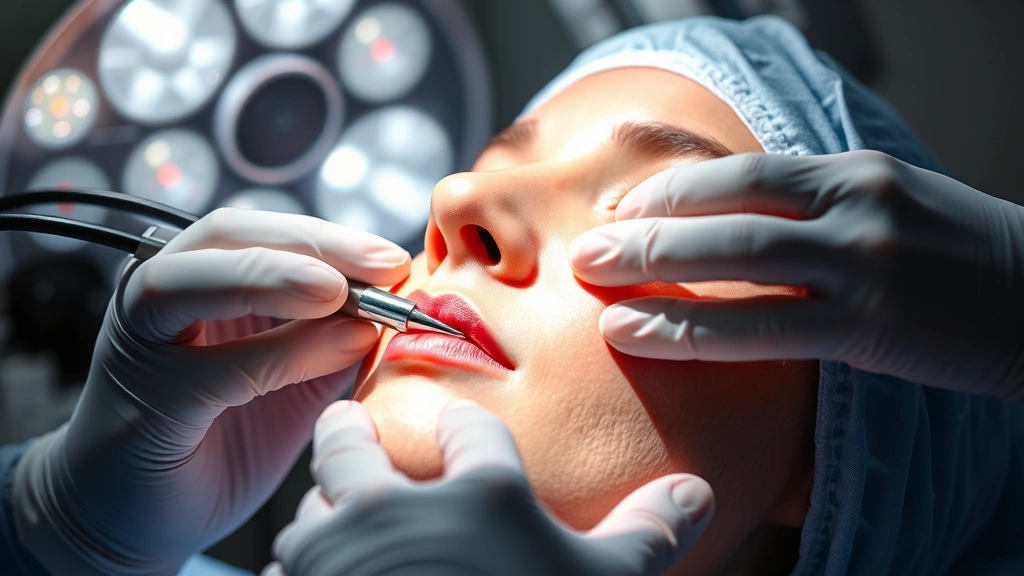
Surgical procedures including facelifts, rhinoplasty, breast augmentation, and liposuction carry higher risk levels due to anesthesia exposure, incisions, and extended recovery periods. However, when performed by board-certified surgeons in accredited facilities, serious complications occur in less than 5% of cases. Common minor complications include temporary swelling, bruising, numbness, and asymmetry, which typically resolve within weeks to months.
The most serious potential complications include infection, blood clots, nerve damage, and anesthesia reactions. Understanding the specific risks associated with your chosen procedure allows you to make educated decisions and discuss mitigation strategies with your surgeon during consultations.
Image placeholder:
Choosing a Board-Certified Surgeon
Selecting the right surgeon is perhaps the single most important factor in ensuring cosmetic surgery safety. Board certification indicates that a surgeon has completed extensive training, passed rigorous examinations, and maintains ongoing education requirements. The American Board of Medical Specialties recognizes various surgical specialties including plastic surgery, facial plastic surgery, and dermatologic surgery.
When evaluating potential surgeons, verify their credentials through official databases such as the American Board of Plastic Surgeons or your state medical board. Request information about their training background, years of experience with your specific procedure, complication rates, and before-and-after photographs. Don’t hesitate to ask detailed questions about their surgical approach, facility accreditation, and emergency protocols.
A qualified surgeon should spend adequate time during consultations explaining the procedure, discussing realistic expectations, and addressing your concerns thoroughly. They should never pressure you into surgery or make unrealistic promises about results. Additionally, they should have hospital privileges, which indicates that a hospital has credentialed them and verified their qualifications—a significant safety consideration.
Pre-Operative Preparation and Health Screening
Thorough pre-operative evaluation is crucial for identifying potential risk factors and optimizing your health before surgery. Your surgeon will conduct comprehensive medical history reviews, physical examinations, and may order laboratory tests or imaging studies. These assessments help identify conditions like uncontrolled diabetes, hypertension, bleeding disorders, or cardiac issues that could complicate surgery.
Prepare for your cosmetic surgery by following all pre-operative instructions carefully. Typically, this includes:
- Discontinuing blood-thinning medications like aspirin and NSAIDs 1-2 weeks before surgery
- Avoiding herbal supplements that may increase bleeding risk
- Refraining from smoking and alcohol consumption for at least 2-4 weeks prior
- Arranging reliable transportation and recovery assistance
- Clearing your schedule for adequate recovery time
- Obtaining loose, comfortable clothing for post-operative wear
Smoking is particularly concerning as it impairs wound healing and increases infection risk. Many surgeons require patients to quit smoking at least 4 weeks before and after surgery. Similarly, alcohol consumption can interfere with anesthesia and medication interactions, so complete abstinence during the perioperative period is essential.
Post-Operative Care and Recovery Management
Post-operative care directly impacts safety and surgical outcomes. Your surgeon should provide detailed written instructions covering wound care, medication management, activity restrictions, and warning signs requiring immediate medical attention. Following these instructions meticulously minimizes infection risk and promotes optimal healing.
Recovery timelines vary significantly depending on procedure type. Non-invasive treatments may require minimal downtime, while surgical procedures typically involve 1-2 weeks of limited activity and several weeks before resuming strenuous exercise. During recovery, keep incision sites clean and dry, use prescribed antibiotics as directed, and attend all follow-up appointments.
Swelling and bruising are normal post-operative responses and typically peak around day 3-4 before gradually improving. However, certain symptoms warrant immediate medical attention: excessive bleeding, signs of infection (fever, increasing redness or warmth), severe pain uncontrolled by medication, or signs of blood clots (calf swelling or chest pain).
Proper skincare during recovery is essential. Avoid harsh products and instead focus on gentle cleansing and hydration. Products containing hyaluronic acid provide excellent post-surgical hydration without irritation. Once cleared by your surgeon, incorporate products with niacinamide to support skin barrier function and reduce inflammation.
Common Complications and How to Prevent Them
Understanding common complications empowers you to recognize problems early and seek appropriate intervention. Infection is among the most frequent complications, occurring in 1-3% of surgical cases. Prevention involves meticulous wound care, proper antibiotic use, and maintaining clean incision sites. Signs of infection include fever, increasing redness, warmth, swelling, or pus drainage.
Hematoma and seroma (blood and fluid collections) can develop post-operatively. While minor cases resolve naturally, larger collections may require drainage. Compression garments, activity modification, and elevation help minimize these complications.
Scarring is inevitable with surgical procedures, but proper wound care, sun protection, and time improve appearance significantly. Some patients benefit from scar revision treatments months after initial healing. Collagen production naturally improves scar appearance over 12-18 months.
Nerve injury can cause temporary or permanent numbness, tingling, or weakness. Most nerve injuries resolve within weeks to months as inflammation subsides. Choosing experienced surgeons familiar with nerve anatomy significantly reduces this risk.
Asymmetry and unsatisfactory aesthetic results occur in 5-10% of cases despite meticulous surgical technique. This underscores the importance of clear communication about expectations during consultations. Minor asymmetries are normal and often imperceptible to observers.
Anesthesia complications are rare but serious. Modern anesthesia techniques and monitoring have made severe reactions extremely uncommon. Discussing your anesthesia history with your anesthesiologist helps identify and mitigate personal risk factors.
Image placeholder:

Skincare After Cosmetic Surgery
Post-surgical skincare requires a modified approach compared to regular routines. During the immediate healing phase (first 2-4 weeks), use only gentle, fragrance-free cleansers and prescribed wound care products. Avoid exfoliants, acids, and active ingredients that might irritate healing skin.
Once initial healing is complete, gradually reintroduce your regular skincare routine. Peptide-rich products support collagen synthesis and tissue repair during recovery. These ingredients help strengthen skin structure and improve elasticity as surgical swelling resolves.
Sun protection is absolutely critical post-surgery. UV exposure can darken scars and cause permanent hyperpigmentation. Use broad-spectrum SPF 30+ daily for at least 12 months following surgery. Consider facial massage once cleared by your surgeon—gentle massage improves circulation and lymphatic drainage, reducing swelling and promoting optimal healing.
Around 6-8 weeks post-surgery, you may begin using targeted treatments. Nourishing face masks provide intensive hydration without irritation. Avoid masks with chemical exfoliants or strong essential oils until at least 8-12 weeks post-surgery.
Maintain consistent hydration using gentle moisturizers and hydrating serums. The skin barrier is compromised post-surgery, so supporting its function with appropriate products accelerates healing and optimizes results. Avoid retinoids, vitamin C serums, and other potent actives until your surgeon confirms complete healing—typically 3-6 months depending on procedure type.
FAQ
What is the safest cosmetic surgery?
Non-invasive procedures like Botox and dermal fillers carry the lowest risk profiles, with complication rates under 1% when administered by qualified professionals. Among surgical procedures, those with established safety records and experienced surgeon availability—such as rhinoplasty and breast augmentation—are considered relatively safe when performed in accredited facilities by board-certified surgeons.
How can I minimize cosmetic surgery risks?
Choose a board-certified surgeon at an accredited facility, follow all pre-operative instructions meticulously, disclose complete medical history, quit smoking well before surgery, arrange proper post-operative care, and attend all follow-up appointments. Additionally, maintain realistic expectations and communicate thoroughly with your surgical team about your goals.
What should I do if I experience complications?
Contact your surgeon immediately if you develop fever, excessive bleeding, severe pain, signs of infection, or any unexpected symptoms. Don’t wait—early intervention prevents minor complications from becoming serious. Your surgeon has emergency protocols established specifically for managing post-operative issues.
How long until cosmetic surgery results are visible?
Initial results appear as swelling subsides, typically within 2-4 weeks. However, final results may take 3-6 months or longer as residual swelling resolves and tissues settle into their new positions. Patience during recovery is essential for evaluating true surgical outcomes.
Can I return to work after cosmetic surgery?
Timeline depends on procedure type and job demands. Non-invasive treatments may allow immediate return, while surgical procedures typically require 1-2 weeks away from work and 4-6 weeks before resuming strenuous activities. Discuss specific timelines with your surgeon based on your occupation.
Is cosmetic surgery permanent?
Results vary by procedure type. Surgical procedures like facelifts and rhinoplasty provide long-lasting results (10+ years), though aging continues. Injectable treatments like Botox require maintenance every 3-4 months. Lifestyle factors including sun exposure, smoking, and weight fluctuations affect longevity of results.