Moles are common skin growths that appear throughout our lives, and while most are harmless, many people seek cosmetic mole removal for aesthetic reasons. Whether you’re concerned about a mole’s appearance, size, or location on visible areas like your face, understanding the professional approaches to removal is essential. Dermatologists offer multiple evidence-based techniques that range from non-invasive to surgical, each with distinct benefits and considerations for different skin types and mole characteristics.
The decision to remove a mole cosmetically involves more than just vanity—it’s about feeling confident in your skin and addressing concerns that may have bothered you for years. This comprehensive guide explores dermatologist-recommended removal methods, what to expect during the procedure, aftercare protocols, and how to choose the right approach for your specific situation. We’ll also discuss the importance of professional evaluation to distinguish between benign moles and potentially concerning growths that require medical attention.
Before pursuing any removal procedure, consulting with a board-certified dermatologist ensures you receive personalized advice based on your skin type, mole characteristics, and aesthetic goals. Understanding the science behind these treatments empowers you to make informed decisions about your skincare journey.
Understanding Moles and When Removal Is Appropriate
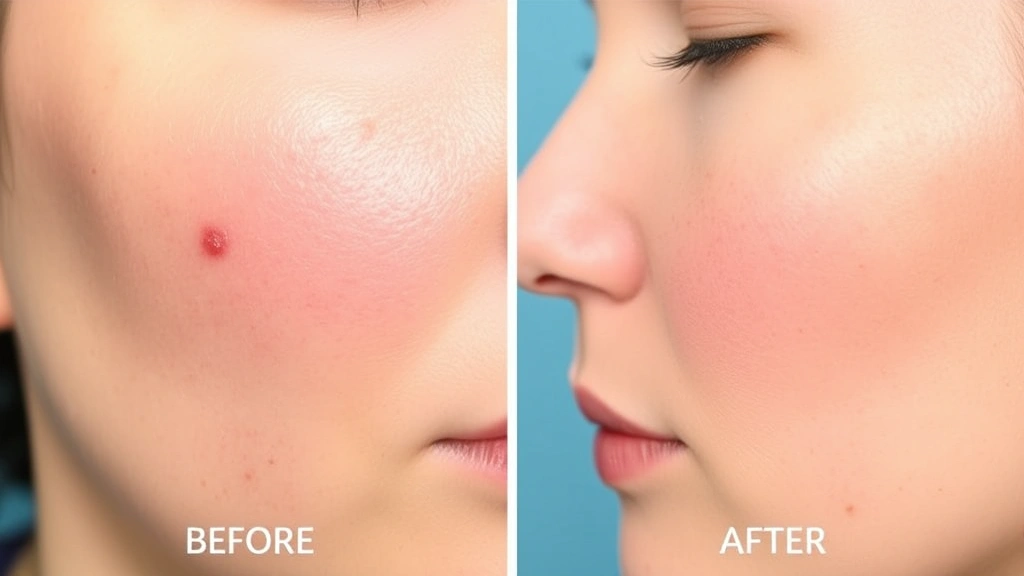
Moles, medically known as nevi, are benign proliferations of melanocytes—the pigment-producing cells in your skin. Most people develop between 10 and 40 moles during their lifetime, with the majority appearing before age 30. These growths can vary dramatically in appearance: some are flat and barely noticeable, while others are raised, dark, and prominently visible. Understanding the characteristics of your moles helps determine whether cosmetic mole removal is appropriate for your situation.
A dermatologist can quickly assess whether a mole is purely cosmetic or requires medical evaluation. The ABCDE rule—Asymmetry, Border irregularity, Color variation, Diameter greater than 6mm, and Evolving (changing)—helps identify moles that warrant closer inspection or removal for health reasons. However, cosmetic removal focuses on moles that are benign but aesthetically bothersome. These might include:
- Moles in highly visible locations such as the face, neck, or hands
- Large or darkly pigmented moles that affect appearance
- Raised moles that catch on clothing or create texture concerns
- Moles that have been present for years without changes but cause psychological distress
- Moles that interfere with makeup application or grooming routines
Many people also pursue removal after learning about proper skincare products for aging skin, as they become more conscious of overall skin appearance and texture. The psychological benefit of removing a mole that’s caused long-term self-consciousness can be significant, improving confidence and quality of life.
Professional Cosmetic Mole Removal Methods
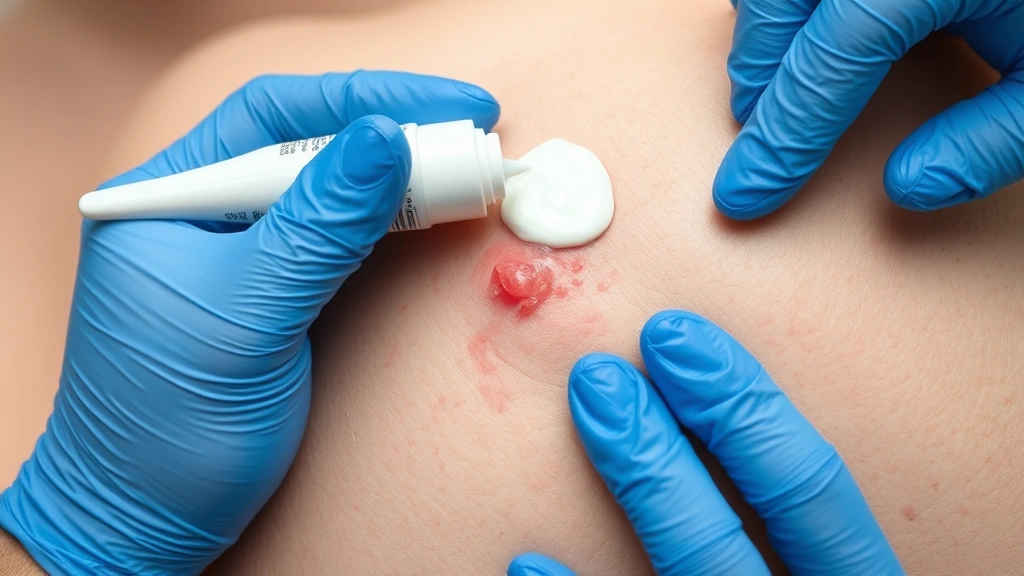
Board-certified dermatologists employ several evidence-based techniques for cosmetic mole removal, each with specific applications depending on mole depth, size, skin type, and desired cosmetic outcome. The most common approaches include laser treatment, surgical excision, shaving, and cryotherapy. Your dermatologist will recommend the optimal method after evaluating your mole’s characteristics and your skin’s healing capacity.
The choice of technique significantly impacts the final cosmetic result. For instance, flat, non-pigmented moles may respond well to laser treatment, while raised moles with deeper roots often require surgical excision to prevent recurrence. Darker-skinned individuals may require modified techniques to minimize post-inflammatory hyperpigmentation or hypopigmentation. Understanding these nuances helps set realistic expectations for your procedure and recovery.
Professional removal differs fundamentally from at-home remedies or over-the-counter treatments. These DIY approaches risk scarring, infection, and incomplete removal, often resulting in poor cosmetic outcomes. Dermatologists use sterile techniques, appropriate anesthesia, and precision instruments to minimize complications while achieving the best aesthetic results. This professional approach is especially important for facial moles where cosmetic precision matters most.
Laser Treatment for Mole Removal
Laser technology has revolutionized cosmetic mole removal, offering a non-invasive or minimally invasive option that appeals to many patients. Different laser types target melanin and cellular structures within moles, gradually breaking them down so the body naturally eliminates the pigmented cells. Q-switched lasers, particularly the Nd:YAG and ruby lasers, are commonly used for this purpose.
The laser treatment process involves:
- Consultation and assessment: Your dermatologist evaluates the mole’s depth, pigmentation, and location to determine if laser treatment is appropriate
- Numbing: Local anesthesia is applied to ensure comfort during the procedure
- Laser application: The laser emits targeted light pulses that break apart melanin clusters without significantly damaging surrounding tissue
- Multiple sessions: Most moles require 3-6 treatment sessions spaced 4-8 weeks apart for optimal results
- Healing: Minimal downtime compared to surgical methods, though temporary darkening or crusting may occur
Laser treatment works exceptionally well for flat, non-raised moles and is particularly effective for patients concerned about scarring. However, deeply rooted moles may not respond completely to laser treatment alone, sometimes requiring combination approaches. The procedure is generally suitable for all skin types, though darker skin requires specialized laser settings to avoid pigmentation changes.
According to research from the American Academy of Dermatology, laser treatment for benign pigmented lesions shows high patient satisfaction rates, particularly when treating facial moles. The technology continues to advance, with newer laser systems offering improved precision and reduced risk of scarring or pigmentation changes.
Surgical Excision and Shaving Techniques
For raised, thick, or deeply rooted moles, surgical excision remains the gold standard for cosmetic mole removal. This technique involves using a surgical blade or scalpel to remove the entire mole, including its roots, ensuring minimal recurrence risk. The resulting wound is typically closed with sutures, creating a small scar that usually fades significantly over time.
Surgical shaving, also called tangential excision, offers an alternative for raised moles that don’t extend deeply into the dermis. The dermatologist uses a surgical blade held parallel to the skin surface to shave off the raised portion of the mole. This technique:
- Eliminates the need for sutures in most cases
- Results in minimal scarring for appropriate mole types
- Allows for faster healing than full excision
- Provides excellent cosmetic outcomes for raised, non-pigmented moles
- Carries a slightly higher recurrence risk than full excision
The choice between excision and shaving depends on mole characteristics and your aesthetic goals. Your dermatologist may also recommend these techniques for patients interested in exploring black-owned cosmetic brands that offer excellent post-procedure makeup options for camouflaging any temporary marks during healing.
Local anesthesia ensures comfort during surgical procedures, and most patients experience minimal pain during the removal. The procedure typically takes 15-30 minutes, depending on mole size and complexity. Pathological examination of the removed tissue is standard practice, confirming the mole’s benign nature and providing documentation for your medical records.
Aftercare and Healing Timeline
Proper aftercare following cosmetic mole removal is crucial for optimal healing and minimal scarring. Your dermatologist will provide specific instructions tailored to your procedure type, but general guidelines apply across most removal methods:
Immediate post-procedure care (first 24-48 hours):
- Keep the area clean and dry
- Apply prescribed antibiotic ointment as directed
- Avoid touching, scratching, or picking at the wound
- Wear loose clothing that doesn’t irritate the treated area
- Avoid strenuous exercise and activities that cause sweating
- Sleep with your head elevated to reduce swelling
Week 1-2 healing phase:
- Continue antibiotic ointment application
- Keep sutures clean and dry if present
- Avoid swimming, hot tubs, and excessive water exposure
- Gradually resume normal activities as comfort allows
- Use sunscreen SPF 30+ if the area becomes exposed
Weeks 2-6 scar maturation:
- Sutures are typically removed around day 7-14
- Continue sun protection religiously
- Begin gentle scar care if recommended by your dermatologist
- Avoid direct sun exposure to the healing area
- Resume normal skincare routines carefully
The complete healing timeline varies significantly. While the wound closes within 1-2 weeks, the scar continues to mature for up to 12 months. Most scars fade dramatically during the first 3 months, becoming increasingly inconspicuous as collagen remodels. Patience during this period is essential—resisting the urge to pick at scabs or expose the area to sun prevents complications and improves final cosmetic outcomes.
For patients interested in comprehensive skin health, understanding how skincare routines for blackheads incorporate gentle techniques applies similarly to post-mole removal care—avoiding harsh treatments and respecting your skin’s healing process.
Risks and Complications to Consider
While professional cosmetic mole removal is generally safe, understanding potential complications helps you make informed decisions and recognize warning signs during recovery. Most complications are minor and resolve without intervention, but awareness is important:
Common, generally minor complications:
- Temporary redness and swelling: Expected inflammatory response that typically resolves within 2-4 weeks
- Crusting or scabbing: Normal part of healing; picking at scabs increases scarring risk
- Itching: Common during healing; resist scratching to prevent infection
- Temporary hyperpigmentation: Dark discoloration that usually fades over months
- Temporary hypopigmentation: Light discoloration more common in darker skin types; typically resolves
Less common but more serious complications:
- Infection: Indicated by increasing pain, warmth, pus, or fever; requires immediate medical attention
- Hypertrophic scarring: Raised, thickened scar tissue; more common in prone individuals or with poor wound care
- Keloid formation: Excessive scar tissue extending beyond the original wound; particularly common in darker skin types
- Mole recurrence: Incomplete removal leads to regrowth; more common with laser treatment or shaving
- Nerve damage: Rare but possible with deeper excisions; causes temporary or permanent numbness
- Excessive bleeding: Uncommon with proper hemostasis; those on blood thinners face higher risk
Individuals with darker skin tones require specialized techniques to minimize post-inflammatory pigmentation changes. Your dermatologist should discuss these considerations during consultation and adjust their approach accordingly. Additionally, those with a history of keloids or hypertrophic scarring should inform their dermatologist, as alternative techniques or preventive measures may be recommended.
Infection risk decreases significantly with proper wound care. Following your dermatologist’s aftercare instructions meticulously—keeping the area clean, applying prescribed medications, and avoiding contamination—prevents most infectious complications. If you notice signs of infection, contact your dermatologist immediately rather than attempting home treatment.
Cost and Insurance Considerations
The cost of cosmetic mole removal varies significantly based on removal method, mole characteristics, location, and your dermatologist’s experience level. Understanding pricing helps you budget appropriately and evaluate value:
Typical cost ranges:
- Laser treatment: $150-$500 per session; multiple sessions required for complete removal
- Surgical shaving: $200-$600 per mole
- Surgical excision: $300-$800 per mole, depending on complexity and suturing requirements
- Cryotherapy: $100-$300 per treatment
Insurance coverage for cosmetic mole removal depends entirely on whether the removal is classified as cosmetic or medically necessary. Purely cosmetic removal—addressing moles that are benign and asymptomatic—is typically not covered by insurance. However, if your dermatologist documents medical reasons for removal, such as:
- Chronic irritation from friction
- Recurrent bleeding or infection
- Symptoms causing functional impairment
- Concern about malignant transformation (though rare for benign moles)
Insurance may cover part or all of the procedure. Always verify with your insurance provider before scheduling removal, as coverage varies significantly between plans and providers.
Many dermatology practices offer financing options or payment plans to make procedures more accessible. Additionally, exploring options like budget cosmetic brands for post-procedure skincare can help manage overall treatment costs while maintaining quality aftercare products.
Some patients choose to combine mole removal with other cosmetic procedures, which may offer bundled pricing discounts. Discussing your broader skincare goals with your dermatologist can reveal cost-saving opportunities while addressing multiple concerns.
FAQ
Is cosmetic mole removal safe?
Yes, when performed by board-certified dermatologists using appropriate techniques and sterile equipment. Professional removal is significantly safer than at-home or non-medical approaches. Complications are rare and usually minor, resolving without intervention with proper aftercare.
Will my mole return after removal?
Recurrence risk depends on removal method. Surgical excision has the lowest recurrence rate (5-10%), while laser treatment and shaving have slightly higher rates (10-20%). Complete removal of all mole cells prevents recurrence, making technique selection important for permanent results.
How long does healing take after mole removal?
Initial wound healing occurs within 1-2 weeks. However, complete scar maturation continues for up to 12 months. Most noticeable improvements appear within 3 months as the scar fades and blends with surrounding skin.
Can I have multiple moles removed in one appointment?
Yes, dermatologists often remove multiple moles during a single appointment. However, the number of moles removed depends on their size, location, and your skin’s healing capacity. Your dermatologist will recommend an appropriate number to ensure optimal healing and cosmetic results.
What’s the difference between cosmetic and medical mole removal?
Cosmetic removal addresses benign moles causing aesthetic concerns, while medical removal treats moles with concerning characteristics or symptoms. Medical removal may be covered by insurance, whereas cosmetic removal typically is not. Both use similar techniques but have different documentation and follow-up protocols.
Is laser or surgical removal better for facial moles?
Both are effective for facial moles; the choice depends on mole characteristics. Flat, non-raised moles often respond excellently to laser treatment with minimal scarring. Raised moles typically benefit from surgical shaving or excision for complete removal and better cosmetic outcomes. Your dermatologist will recommend the optimal approach after evaluation.
Can I use makeup after mole removal?
Most dermatologists recommend avoiding makeup on the treated area for the first 24-48 hours to prevent infection. After this period, gentle makeup application is generally acceptable if the area is fully healed and crusting has resolved. Using high-quality makeup products from vegan cosmetic brands minimizes irritation during healing.
Will mole removal leave a scar?
Most mole removal techniques result in some scarring, though it’s typically minimal and fades significantly over time. Laser treatment and shaving produce the least scarring for appropriate mole types. Surgical excision leaves a small linear scar that usually becomes inconspicuous after several months. Proper aftercare minimizes final scar visibility.
How do I choose between removal methods?
Your dermatologist will recommend the optimal method based on mole depth, size, pigmentation, location, and your skin type. Discuss your aesthetic goals and concerns about scarring to ensure the recommended technique aligns with your expectations. Don’t hesitate to ask questions about alternative options.
Is professional mole removal covered by insurance?
Insurance typically covers medically necessary mole removal but not purely cosmetic procedures. If your dermatologist documents medical reasons for removal—such as chronic irritation, recurrent infection, or symptoms—insurance may provide coverage. Always verify with your insurance provider before scheduling.
Can darker skin types undergo mole removal safely?
Absolutely, though specialized techniques are important. Darker skin types face higher risks of post-inflammatory hyperpigmentation or hypopigmentation. Experienced dermatologists familiar with treating diverse skin types adjust their approach, laser settings, and aftercare recommendations accordingly to minimize pigmentation changes while achieving excellent cosmetic results.
Choosing professional cosmetic mole removal from a board-certified dermatologist ensures safe, effective treatment with optimal cosmetic outcomes. Whether you’re addressing a long-standing concern or recently decided to pursue removal, understanding your options empowers you to make confident decisions about your skin health and appearance. Schedule a consultation with a qualified dermatologist to discuss your specific situation and discover the best path forward for achieving your skincare goals. For additional insights into comprehensive skin health, explore our guide on cosmetic dental bonding to understand how facial aesthetics work together to enhance your overall appearance.