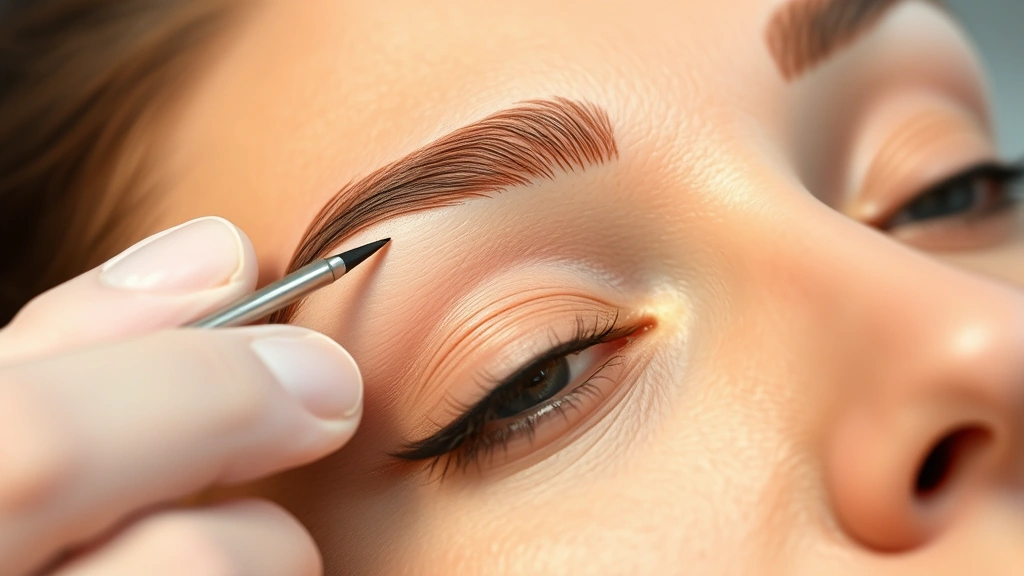
Cosmetic Tattoo Training: Expert Tips Inside
Cosmetic tattooing, also known as permanent makeup or micropigmentation, has revolutionized the beauty industry by offering semi-permanent solutions to enhance facial features. Whether you’re considering a career in this specialized field or simply curious about the process, understanding cosmetic tattoo training is essential. This comprehensive guide explores everything you need to know about pursuing professional certification, mastering techniques, and building a successful career in permanent makeup artistry.
The demand for cosmetic tattoo professionals continues to surge as consumers seek long-lasting alternatives to daily makeup application. From microblading eyebrows to lip tattooing and eyeliner enhancement, trained technicians can transform facial aesthetics with precision and artistry. However, this specialized field requires rigorous training, proper certification, and an understanding of both artistic principles and dermatological safety standards.
Understanding Cosmetic Tattooing
Cosmetic tattooing differs significantly from traditional body tattooing. While conventional tattoos penetrate deeper into the dermis layer and use permanent ink formulations, cosmetic tattoos typically deposit pigments at a shallower depth—around 0.5 to 1.5 millimeters into the epidermis and upper dermis. This technique allows for semi-permanent results that gradually fade over time, typically lasting 1 to 3 years depending on skin type, sun exposure, and aftercare practices.
The primary applications of cosmetic tattooing include eyebrow microblading, which creates hair-like strokes for natural-looking brows; eyeliner tattooing, which defines and enhances the eye area; lip blush and lip liner tattooing, which adds color and definition; and scalp micropigmentation for hair loss camouflage. Each application requires specific training, as the face has delicate features and varying skin textures that demand precision and artistic understanding.
Before pursuing cosmetic tattoo training, aspiring technicians should understand that this profession sits at the intersection of artistry, medical knowledge, and technical skill. You’ll need steady hands, an eye for symmetry and proportion, excellent communication abilities, and a commitment to continuous learning. The field also requires understanding how different skin tones respond to pigments, how aging affects facial features, and how to address client concerns with confidence and professionalism.
Certification and Licensing Requirements
Cosmetic tattoo training requirements vary significantly by location, making research into your specific region’s regulations essential. In the United States, requirements differ between states, and some states don’t regulate cosmetic tattooing at all, while others require specific licensing, bloodborne pathogen training, or apprenticeship hours. Generally, most reputable training programs require 100 to 300 hours of comprehensive instruction, though some intensive programs may require more.
Legitimate training institutions typically cover bloodborne pathogens certification, which is mandatory in most jurisdictions. This certification ensures you understand how to prevent disease transmission, properly sterilize equipment, and maintain a safe working environment. The Occupational Safety and Health Administration (OSHA) provides guidelines that most professional cosmetic tattoo training programs incorporate into their curriculum.
When selecting a cosmetic tattoo training program, verify that the institution is recognized by relevant beauty and tattoo industry associations. Look for programs that provide hands-on training with real clients (under supervision), not just practice on synthetic skin or mannequins. Reputable trainers should have extensive portfolios, client testimonials, and professional certifications themselves. Many programs offer tiered certifications—basic, intermediate, and advanced—allowing you to specialize in specific areas as your skills develop.
After completing your training, you may need to apply for a cosmetic tattoo license or permit through your local health department. Some areas require written exams testing your knowledge of health codes, safety protocols, and technique proficiency. Maintaining your license typically involves continuing education credits and periodic renewal, ensuring you stay current with industry advancements and safety standards.
Essential Skills and Techniques
Mastering cosmetic tattoo techniques requires understanding multiple approaches and knowing when to apply each method. The primary techniques include microblading, which uses a hand-held tool with fine needles to create individual hair-like strokes; microshading, which uses a machine to create a softer, more powdered appearance; and combination brows, which blend both techniques for dimensional results.
Hand-eye coordination is paramount in cosmetic tattooing. You’ll spend considerable training time developing the muscle memory needed to maintain consistent pressure, angle, and depth while creating precise lines and shapes. Most training programs include extensive practice on synthetic skin before working with actual clients. This practice phase is crucial—you need to understand how different pigments behave, how pressure affects line quality, and how to adjust your technique based on individual skin characteristics.
Proportioning and design skills are equally important. Understanding facial anatomy helps you create balanced, flattering results. You should learn to assess face shape, bone structure, and existing features to design eyebrows, eyeliner, and lips that enhance natural beauty rather than impose a cookie-cutter look. Many training programs teach the golden ratio and other design principles from fine art and cosmetic medicine.
Color theory is another critical component. Understanding how different pigment colors interact with various skin tones, undertones, and skin conditions ensures optimal results. Warm undertones may require different pigment selections than cool undertones. Additionally, you’ll learn how pigments can shift or change over time as they fade, requiring strategic color selection to maintain desired results throughout the fading process.
Machine versus hand-tool proficiency represents another skill divide. While microblading uses hand tools, eyeliner and lip work often employ tattoo machines. Training should cover both technologies, their appropriate applications, and maintenance. Understanding equipment maintenance and sterilization is non-negotiable—improper equipment care compromises client safety and professional credibility.

Health and Safety Standards
Infection prevention is the cornerstone of professional cosmetic tattoo practice. Proper sterilization protocols using autoclaves, appropriate use of single-use needles and equipment, and maintaining a clean workspace are non-negotiable requirements. Your cosmetic tattoo training should comprehensively cover the CDC guidelines for infection control, proper disposal of biohazardous materials, and how to recognize and respond to adverse reactions.
Understanding contraindications and client screening is essential for protecting both clients and your business. Certain medical conditions, medications, and skin types may contraindicate cosmetic tattooing. Clients with active infections, certain autoimmune conditions, or those taking blood thinners may not be suitable candidates. Pregnancy and recent vaccinations also warrant caution. Proper training teaches you how to screen clients, ask appropriate health questions, and document responses to protect against liability.
Allergic reactions to pigments, though rare, can occur. Training should cover how to identify signs of allergic reactions or infections, when to refer clients to dermatologists, and how to document incidents. You should maintain relationships with dermatologists who can address complications—this demonstrates professionalism and commitment to client welfare. Understanding the difference between normal healing responses and problematic reactions is critical knowledge that separates competent practitioners from amateurs.
Proper skin infection treatment and prevention protocols protect your clients during the healing process. You should provide detailed aftercare instructions covering cleansing, moisturizing, sun protection, and when to seek medical attention. Many complications arise from poor aftercare rather than application errors, so clear communication about healing expectations is part of professional practice.
Your training should also address consent and liability. Proper documentation of client expectations, before-and-after photos, and signed consent forms protect both parties. Understanding the limitations of cosmetic tattooing and managing client expectations realistically prevents disappointment and disputes.
Business and Client Management
Building a successful cosmetic tattoo career requires more than technical skill—business acumen is equally important. Your training should ideally include modules on pricing strategies, cost of materials, equipment investment, and profit margins. Understanding your local market helps you set competitive prices while accounting for your training, experience, and overhead costs.
Client consultation skills are paramount. Before any procedure, you should conduct thorough consultations to understand client goals, assess their skin, and discuss realistic outcomes. This is where your understanding of facial anatomy and design principles directly impacts client satisfaction. You’ll need to communicate confidently about what’s achievable, manage expectations about color retention and fading, and explain the semi-permanent nature of these services.
Building a strong portfolio is essential for attracting clients. Your training program should allow you to build a portfolio of work completed during your certification process. High-quality before-and-after photos, organized by procedure type and skin tone diversity, demonstrate your capabilities to potential clients. Digital portfolios on websites and social media platforms are standard marketing tools in today’s industry.
Professional communication extends to managing difficult situations. Sometimes clients are unhappy with results, experience unexpected reactions, or have unrealistic expectations. Training should cover conflict resolution, how to address complaints professionally, and when to offer corrective procedures or refunds. Maintaining professional boundaries while showing genuine care for client outcomes builds a loyal client base and positive reputation.
Understanding the importance of cosmetic application principles helps you advise clients on complementary products and services. Many clients appreciate recommendations for skincare routines that support their cosmetic tattoo longevity. Knowledge of peptide-based skincare products or addressing specific skin concerns positions you as a comprehensive beauty professional.
Advanced Training Specializations
Once you’ve completed basic cosmetic tattoo training, numerous specialization opportunities exist. Advanced microblading techniques, such as ombré brows or powder brows, require additional training but command premium pricing. Scalp micropigmentation for hair loss treatment is an increasingly popular specialization requiring specific training in creating the illusion of hair density.
Corrective tattooing represents another specialization—fixing poorly executed previous work or addressing asymmetries. This advanced skill requires extensive experience and deep understanding of color correction and design adjustments. Many clients seek corrective services, making this a valuable specialization for experienced practitioners.
Scar camouflage tattooing uses cosmetic tattooing principles to minimize the appearance of scars. This specialized application requires understanding scar tissue characteristics, color matching, and design strategies to visually minimize scarring. It’s both technically challenging and emotionally rewarding work.
Some practitioners pursue training in ethnic-specific applications, recognizing that different skin tones, skin types, and facial features require tailored approaches. Understanding how pigments appear on darker skin tones, how keloid-prone skin affects technique selection, and how to honor cultural beauty standards demonstrates cultural competency and professional maturity.
Continuous education through advanced workshops, conferences, and mentorship with master practitioners keeps your skills sharp and your knowledge current. The cosmetic tattoo industry evolves constantly with new pigment formulations, equipment innovations, and technique refinements. Committing to lifelong learning distinguishes exceptional practitioners from mediocre ones.

FAQ
How long does cosmetic tattoo training typically take?
Most comprehensive cosmetic tattoo training programs require 100 to 300 hours of instruction, though this varies by location and program intensity. Some programs can be completed in weeks, while others span several months. The duration depends on program structure, whether training is full-time or part-time, and how many specializations you pursue. Quality matters more than speed—thorough training ensures competency and client safety.
Can I learn cosmetic tattooing through online courses?
While some online components may supplement training, hands-on practice is essential and cannot be effectively delivered online. Reputable programs require in-person instruction covering equipment use, pigment application, client interaction, and safety protocols. Be wary of programs claiming to teach cosmetic tattooing entirely online—legitimate practitioners require practical experience with real clients under supervision.
What equipment do I need to start a cosmetic tattoo business?
Essential equipment includes tattoo machines (for eyeliner and lip work), microblading hand tools, sterile needles and pigments, an autoclave for sterilization, and proper lighting and magnification. Initial equipment investment typically ranges from $2,000 to $5,000, with ongoing costs for supplies and maintenance. Your training program should cover equipment selection, maintenance, and sterilization procedures.
How do I know if a cosmetic tattoo training program is legitimate?
Look for programs with experienced instructors (check their portfolios and credentials), comprehensive curriculum covering health codes and safety protocols, hands-on training with real clients under supervision, and recognition from industry associations. Verify that graduates receive certifications that are respected in your region. Read reviews from past students and ask for references. Legitimate programs transparently communicate what’s included, costs, and what certification means in your specific location.
What’s the difference between microblading and microshading?
Microblading uses a handheld tool with fine needles to create individual hair-like strokes, producing a natural, feathered appearance. Microshading uses a machine to deposit pigment in a stippled pattern, creating a softer, more powdered look. Many practitioners offer combination techniques blending both methods for dimensional, customized results. Your training should cover both techniques and help you understand which suits different client preferences and skin types.
Are there risks associated with cosmetic tattooing?
Like any procedure involving needles and pigments, cosmetic tattooing carries some risks including infection, allergic reactions, and pigment migration. Proper training in sterilization, client screening, and aftercare minimizes these risks significantly. Working with reputable practitioners using quality pigments and equipment dramatically reduces complications. Understanding contraindications and knowing when to refer clients to medical professionals is part of professional practice.
How much can I earn as a cosmetic tattoo professional?
Earnings vary based on location, experience, specialization, and business model. Entry-level practitioners might charge $300 to $600 per procedure, while experienced specialists in high-demand areas can charge $1,000 to $3,000 or more. Building a loyal client base, specializing in advanced techniques, and offering complementary services increases earning potential. Many successful practitioners work independently, allowing them to retain higher profit percentages than salon-employed technicians.