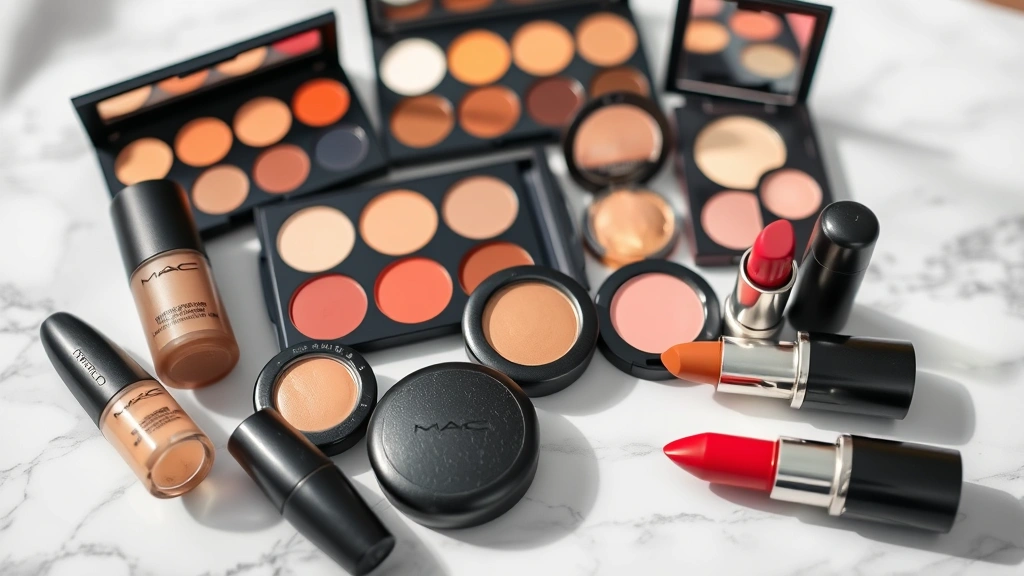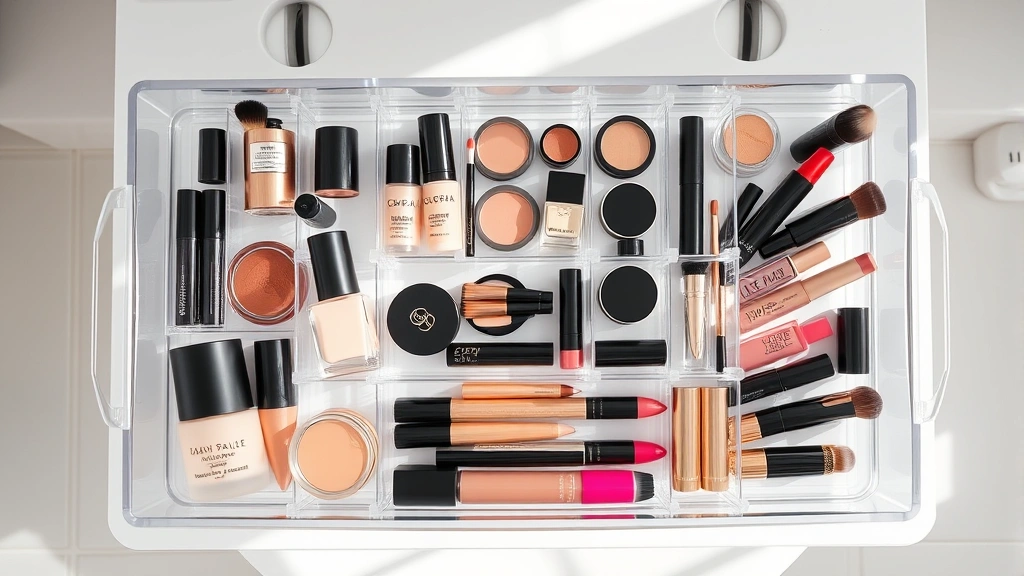
Organize Your Makeup? Expert Tips for Your Cosmetic Tray
A well-organized cosmetic tray transforms your daily beauty routine from chaotic to streamlined. Whether you’re a minimalist with five essentials or a makeup enthusiast with fifty products, the right organization system keeps everything accessible, visible, and in pristine condition. The key to successful makeup organization isn’t just about aesthetics—it’s about functionality, product preservation, and making your skincare and makeup application more efficient.
Your cosmetic tray serves as the command center for your beauty regimen. When products are properly arranged, you spend less time searching for that perfect shade and more time perfecting your look. Beyond convenience, strategic organization prevents product damage, extends shelf life, and helps you identify when items need replacement. This comprehensive guide explores expert strategies for maximizing your cosmetic tray space while maintaining product integrity and accessibility.
Understanding Your Cosmetic Tray Needs
Before investing in a cosmetic tray, assess your specific requirements. Consider the volume of products you own—from foundations and concealers to eyeshadows and lipsticks. Think about your daily routine essentials versus occasional-use items. A makeup artist requires different organization than someone applying makeup twice weekly. Your lifestyle, bathroom space, and beauty habits directly influence which tray style and organization method works best.
Size matters significantly when selecting a cosmetic tray. Oversized trays encourage product accumulation and waste, while undersized ones force cramping and potential damage. Measure your available counter space and consider whether you prefer a single large tray or multiple smaller ones. Some beauty professionals prefer cosmetic organizer countertop solutions that offer modular flexibility. The ideal tray accommodates your collection with approximately 20% empty space for air circulation and easy product retrieval.
Material selection impacts both organization effectiveness and product safety. Acrylic trays offer clear visibility and durability. Wooden trays provide aesthetic appeal but may absorb moisture from liquid products. Metal trays resist corrosion and offer sophisticated styling. Fabric-lined trays protect delicate items but require regular cleaning. Consider your bathroom humidity levels and product types when choosing materials.
Categorizing Products by Type and Function
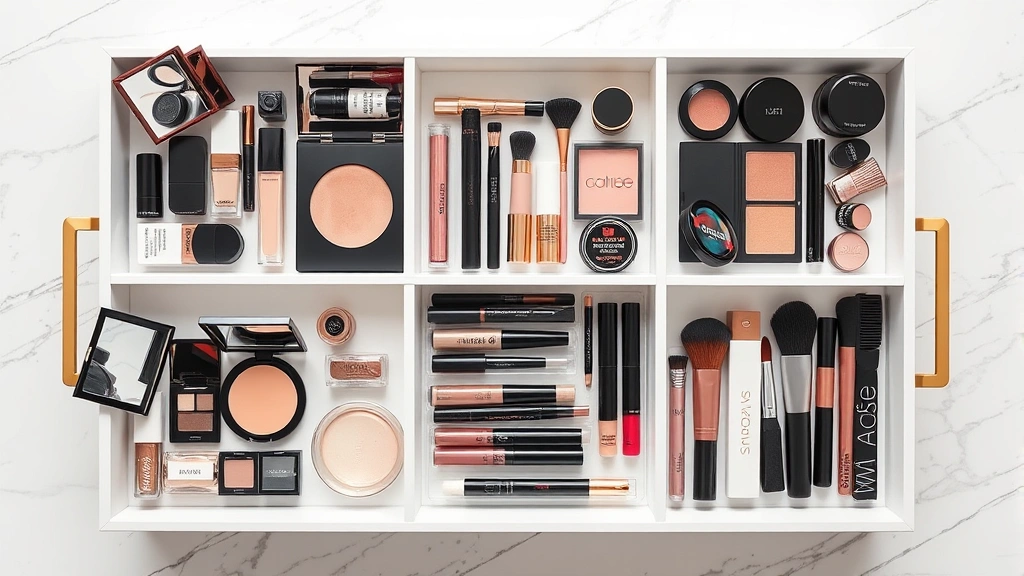
Strategic categorization forms the foundation of effective cosmetic tray organization. Group products by function: base products (primers, foundations, concealers), color products (blushes, bronzers, highlighters), eye products (eyeshadows, eyeliners, mascaras), and lip products (lipsticks, lip glosses, lip liners). This organization method mirrors your application sequence, making your makeup routine more intuitive.
Within each category, further subdivide by color family or undertone. All warm-toned foundations together, cool-toned blushes in another section, and nude lipsticks separate from reds. This system prevents purchasing duplicate shades and simplifies shade matching during application. If you maintain a cosmetic bag for travel or touch-ups, organize it using the same system for consistency.
Consider creating zones within your tray based on frequency of use. Daily essentials occupy the most accessible area—typically the center or front. Occasional-use items or seasonal products position toward the back or sides. This frequency-based arrangement reduces clutter in high-traffic areas and ensures your most-used products never require searching.
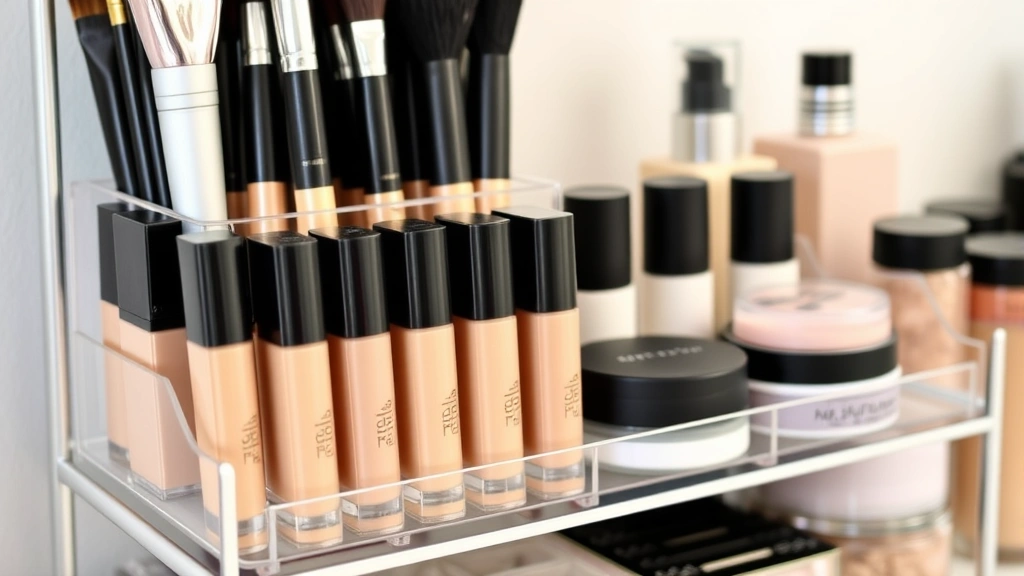
Specialty products deserve dedicated spaces. Cosmetic brushes and tools require upright storage in a cosmetic brush holder to prevent bristle damage. Cream and liquid products need separate areas from powders to prevent accidental spilling. Keep skincare items like specialized skincare for specific concerns in a designated zone adjacent to your tray for seamless pre-makeup preparation.
If you use fresh handmade cosmetics with shorter shelf lives, create a separate section with visible expiration dates. These products require more frequent monitoring and rotation to prevent using expired items.
IMAGE_2
Maximizing Vertical and Horizontal Space
Smart space utilization transforms even compact trays into functional storage solutions. Vertical organization multiplies available surface area without requiring additional counter space. Stackable organizers, tiered risers, and graduated shelving create visual separation while maximizing capacity. Tiered arrangements ensure every product remains visible—nothing disappears behind taller items.
Drawer dividers and compartment organizers prevent products from rolling around and getting damaged. Adjustable dividers adapt to your collection’s changing needs. Small containers corral loose items like single eyeshadows, lip samples, or makeup wipes. Clear containers offer visibility while containing smaller products effectively.
Vertical brush storage in a dedicated cosmetic brush holder preserves bristle integrity and saves tray space. Brushes standing upright dry properly after cleaning and remain easily accessible. This arrangement prevents bristle deformation caused by laying brushes flat or storing them bristle-side down.
Rotating lazy susans within your tray solve accessibility issues for deeper storage areas. Products positioned in the back rotate forward with a simple turn, eliminating the need to reach past front items. This particularly benefits cream products, liquid foundations, and other items prone to tipping.
Magnetic strips and adhesive hooks utilize vertical wall space above your tray. Magnetic palettes and metallic makeup containers stick securely without requiring shelf space. This approach works beautifully for frequently-used eyeshadow palettes or daily essentials you want immediately accessible.
Under-tray storage using shallow drawers accommodates backup products, seasonal items, or specialty collections without cluttering your primary tray. Label these storage areas clearly to prevent forgotten product accumulation. Maintain a mental or written inventory of backup products to avoid over-purchasing.
Protecting Product Quality During Storage
Proper storage conditions preserve product efficacy and extend shelf life significantly. Temperature stability matters—avoid storing cosmetics in direct sunlight or near heat sources. UV exposure degrades ingredients in foundations, serums, and color cosmetics. Bathroom humidity from showers and baths can compromise powder products and encourage bacterial growth in liquid formulations. Consider storing your cosmetic tray in a cool, dry area or using a dehumidifier in humid climates.
Separate liquid from powder products to prevent moisture transfer and accidental spilling. If your tray contains both product types, use waterproof liners or trays within trays to contain potential leaks. Check liquid product caps regularly—dried or loosened caps cause leakage and product waste.
Cream and liquid products require airtight storage to prevent oxidation. Keep foundation caps tightly sealed and store mascaras upright to slow drying. Opened products have limited shelf lives—mascaras typically last 3-6 months, cream products 6-12 months, and powder products up to 2 years. Mark opening dates on products lacking printed expiration dates.
Sensitive skin types benefit from organizing by ingredient compatibility. Group products containing similar active ingredients—vitamin C serums, hyaluronic acid hydrators, or niacinamide treatments—for easy identification during your skincare and makeup sequence. This organization prevents accidental ingredient conflicts that might irritate reactive skin.
Protect delicate items like highlighters and blushes with dividers preventing them from pressing against other products. Powders in particular benefit from individual compartments to prevent color mixing and dust accumulation. Use tissue paper or microfiber cloths as protective layers between items.
IMAGE_3
Implementing Rotation Systems
The FIFO (First In, First Out) rotation system ensures older products get used before expiring. As you purchase new items, position them behind existing products. This simple arrangement naturally guides you toward finishing older items first. Particularly important for fresh cosmetics with limited shelf lives, FIFO prevents waste and ensures product efficacy.
Seasonal rotation keeps your cosmetic tray relevant to current needs while preventing clutter. Winter foundations with more coverage rotate forward during cold months, while lighter formulas take priority in summer. Warm eyeshadow palettes replace cool tones seasonally, and your lipstick selection shifts from nude to bold or vice versa. This rotation maintains a curated collection matching your current lifestyle and climate.
Color-wheel rotation organizes products by undertone rather than brand. Warm foundations, neutral blushes, and cool eyeshadows each occupy dedicated sections. This system simplifies makeup application by grouping complementary shades together. When creating coordinated looks, finding harmonious color combinations becomes intuitive.
Frequency-based rotation moves daily-use items to prime real estate while relegating occasional-use products to secondary positions. Monthly, assess which products you actually used. Items untouched for three months might deserve removal or relocation to backup storage. This practice prevents accumulating unused products that waste valuable tray space.
Backup product rotation prevents running out of essentials unexpectedly. When you open a backup foundation, add a new one to your under-tray storage. This system ensures continuity in your beauty routine without emergency shopping trips or using expired products.
Maintaining Your Organized Tray
Regular maintenance prevents your meticulously organized cosmetic tray from deteriorating into chaos. Weekly tidying takes just five minutes—return products to designated spots, wipe spills immediately, and discard any dried-up or leaking items. This consistent habit maintains organization without requiring massive overhauls.
Monthly deep cleaning involves removing all products, wiping down your tray, and reorganizing. During this process, assess whether your current organization system still serves your needs. Check expiration dates and discard expired items. Evaluate whether category groupings remain logical or need adjustment based on your evolving routine.
Quarterly audits identify products you never use and prevent unnecessary accumulation. If a foundation shade hasn’t been applied in three months despite perfect color matching, it probably won’t get used. Donating unused products to friends or local beauty schools prevents waste while freeing valuable tray space. Consider selling gently-used, unopened items through online platforms dedicated to cosmetics.
Documentation through photos or written inventory prevents forgotten products and duplicate purchases. Photograph your organized tray from above—this visual reference helps you remember what you own and maintain consistency when reorganizing. For extensive collections, maintain a spreadsheet listing products, shades, purchase dates, and expiration dates.
Cleaning tools and products deserve attention equal to makeup organization. Makeup brushes require regular cleaning with proper solutions to prevent bacteria growth and product buildup. Store cleaned brushes bristle-side up to dry completely. Sponges need weekly washing and replacement every 1-3 months depending on usage frequency.
Environmental conditions within your storage area impact long-term product viability. Monitor bathroom humidity and consider a small dehumidifier if moisture levels remain elevated. Keep your cosmetic tray away from direct sunlight through UV-protective curtains or storage in a closed cabinet. Temperature fluctuations from heating and cooling cycles degrade products—aim for consistent 60-75°F storage conditions.
Reassess your organization system annually. As seasons change, trends evolve, and your beauty preferences shift, your cosmetic tray organization should adapt accordingly. What worked perfectly last year might feel restrictive now. Allow flexibility to modify categories, storage methods, or product prioritization based on your current lifestyle and beauty goals.
FAQ
What’s the best way to organize a cosmetic tray for sensitive skin?
For sensitive skin, organize by ingredient family—hypoallergenic products in one section, fragrance-free items in another, and products with active ingredients like niacinamide or centella asiatica in dedicated areas. This arrangement prevents accidentally combining incompatible products that might trigger irritation. Keep your tray in a cool, stable environment since temperature fluctuations can affect product stability and skin sensitivity.
How often should I completely reorganize my cosmetic tray?
Most beauty experts recommend quarterly deep reorganizations coinciding with seasonal changes. Weekly maintenance and monthly tidying prevent the need for overwhelming overhauls. However, if your collection grows significantly or your routine changes substantially, reorganize sooner. Listen to your needs—if you’re constantly searching for products or feeling frustrated with your system, reorganization time has arrived.
Can I use drawer organizers instead of a tray?
Absolutely. Drawer organizers offer excellent organization while keeping cosmetics protected from dust and sunlight. Clear drawer dividers provide visibility similar to open trays while offering superior protection. Drawers work particularly well for humidity-prone bathrooms where moisture might damage products in open trays. Consider combining drawer storage for backups with a small daily-use tray for quick access.
What products shouldn’t go in a cosmetic tray?
Liquid products with compromised caps shouldn’t share trays with powders to prevent cross-contamination. Extremely heat-sensitive items like certain mascaras or cream products might require dedicated cool storage elsewhere. Products you’re patch-testing for allergic reactions belong in separate containers away from your main tray. Expired or questionable products should be removed entirely rather than stored alongside active-use items.
How do I prevent my cosmetic tray from becoming cluttered again?
Implement a one-in-one-out rule—when purchasing a new product, commit to using or removing an existing item. This practice prevents accumulation while keeping your collection manageable. Schedule monthly audits where you assess unused products and immediately remove items untouched for extended periods. Be honest about your actual beauty routine rather than aspirational purchases.
Should I organize by brand or by product type?
Organizing by product type and function proves more practical for daily use. This arrangement mirrors your makeup application sequence and simplifies finding specific product categories. Brand-based organization works better for professionals with extensive collections from particular brands, but most beauty enthusiasts benefit from function-based grouping. You might combine both systems—organizing by type within brand-specific sections if you have extensive collections from particular manufacturers.