Boost Your Beauty Sales: Ecommerce Expert Tips for Cosmetics Success
The cosmetics ecommerce industry has exploded into a multi-billion dollar marketplace, with consumers increasingly turning to online platforms to discover and purchase their favorite beauty products. Whether you’re launching a new skincare line, selling makeup, or offering specialized treatments like cosmetics for mature skin, understanding the nuances of digital commerce is essential to standing out in this competitive landscape.
Success in cosmetics ecommerce requires more than just listing products online. It demands strategic planning, deep customer understanding, compelling content, and a commitment to building trust through transparency and education. This comprehensive guide will walk you through proven strategies that top beauty brands use to convert browsers into loyal customers and maximize their online revenue.
From optimizing product pages to leveraging user-generated content, we’ll explore actionable tactics that work specifically for the beauty and skincare industry. Let’s dive into the essential elements that will help you boost your cosmetics ecommerce sales and create a thriving online beauty business.
Optimize Your Product Pages for Conversions
Your product pages are the digital storefronts where purchase decisions happen. In cosmetics ecommerce, these pages must do far more than display a product image and price. They need to tell a compelling story, address customer concerns, and provide the specific information that beauty shoppers demand.
Start by crafting product titles that include relevant keywords without sacrificing readability. Instead of just “Face Serum,” try “Hydrating Vitamin C Face Serum for Sensitive Skin – Brightening and Anti-Aging.” This approach helps with search visibility while immediately communicating the product’s benefits and target audience.
Your product descriptions should answer the questions customers are actually asking: What skin types is this for? What problem does it solve? What are the key ingredients? How do I use it? Consider the specific concerns your customers face, whether they’re dealing with dark circles under eyes or seeking advanced anti-aging solutions.
Include a detailed ingredients list with explanations of what each key ingredient does. This transparency builds trust and appeals to the growing segment of consumers who care deeply about what they put on their skin. Link to relevant educational content like our guide on skincare products with antioxidants and how to choose the best, which demonstrates your expertise and keeps visitors engaged on your site.
Add trust signals strategically: customer reviews with photos, dermatologist recommendations, certifications, and third-party testing results. These elements significantly increase conversion rates because beauty shoppers want reassurance that products deliver on their promises.

Leverage High-Quality Product Photography and Imagery
In cosmetics ecommerce, visual presentation is everything. Since customers can’t physically touch or swatch products online, your photography must compensate by showing products from multiple angles, in various lighting conditions, and in realistic use scenarios.
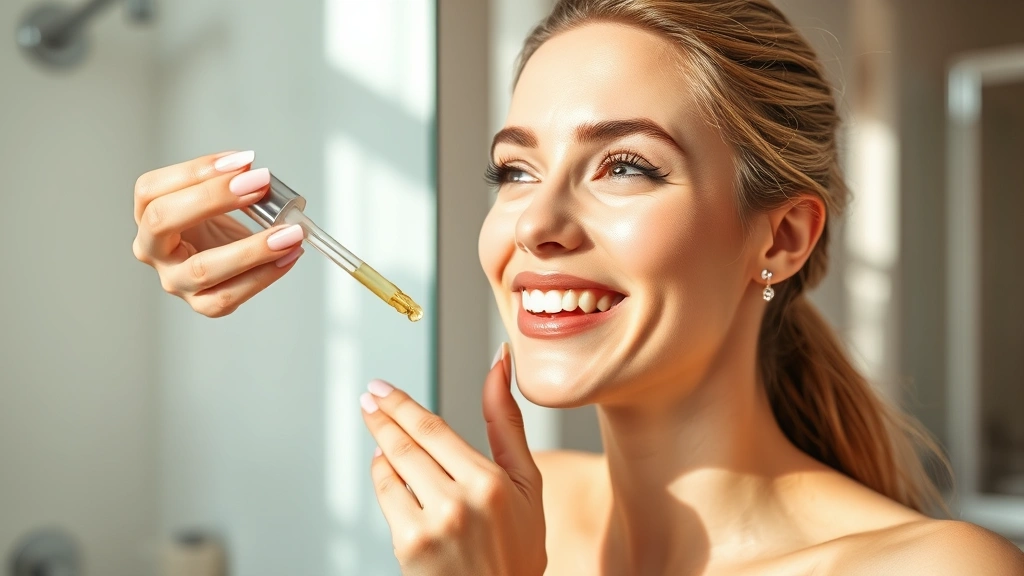
Invest in professional product photography that showcases texture, color, and finish. For liquid products, show how they look in the bottle and on skin. For powder formulations, capture the pigmentation and blendability. Include lifestyle images showing the product being used or the results it delivers, but ensure these images feel authentic rather than overly staged.
User-generated content (UGC) is gold in beauty ecommerce. Encourage customers to share photos of themselves using your products and feature these images prominently on product pages. This authenticity resonates far more powerfully than professional photography alone and provides social proof that your products work for real people.
Consider creating short video demonstrations showing product application, texture, and results. Videos dramatically increase engagement and time spent on product pages, which signals quality to search engines and gives customers confidence in their purchasing decisions.
Create Educational Content That Builds Authority
Educational content is the secret weapon of successful cosmetics ecommerce businesses. By positioning your brand as a trusted source of skincare and beauty knowledge, you attract customers through organic search, build authority, and create reasons for repeat visits to your site.
Develop a robust blog covering topics your target customers are searching for. If you sell anti-aging products, create content about collagen production, retinol benefits, and the science of facial aging. If you specialize in acne solutions, write guides about different acne types, ingredient effectiveness, and treatment protocols.
Link naturally from your blog to relevant product pages. When you write about cosmetics for mature skin, this is the perfect opportunity to recommend your targeted product line. When discussing how to reduce facial swelling, you can suggest products with anti-inflammatory ingredients.
Create comprehensive guides and resources that address the entire customer journey. Some visitors are just beginning to learn about skincare, while others are advanced and seeking sophisticated solutions. Content that serves all knowledge levels expands your potential audience and builds trust with everyone who reads it.
Establish yourself as an expert by citing scientific research and collaborating with dermatologists or cosmetic chemists. External credibility enhances your internal authority and appeals to ingredient-conscious consumers who want science-backed recommendations.
Master the Art of Ingredient Transparency
Modern beauty consumers are ingredient detectives. They research formulations, understand what different compounds do, and make purchasing decisions based on ingredient profiles. Transparency about your formulations isn’t just good practice—it’s a competitive advantage in cosmetics ecommerce.
For each product, provide a complete ingredient list in INCI (International Nomenclature of Cosmetic Ingredients) format, but don’t stop there. Explain what each key ingredient does, why you included it, and what concentrations you’re using. This level of transparency differentiates you from competitors who provide only bare-minimum ingredient information.
Address common ingredient concerns directly. If your product contains preservatives, explain why they’re necessary for product safety and stability. If you’ve chosen to exclude certain ingredients, explain that decision. Customers appreciate brands that acknowledge the complexity of formulation and educate rather than simply follow trends.
Link to relevant resources about ingredient benefits. When discussing vitamin C, link to our comprehensive article on skincare products with antioxidants. This demonstrates your commitment to customer education and improves your site’s internal linking structure for SEO.
Consider creating ingredient spotlights as dedicated blog posts. Explain the science behind popular ingredients, discuss different forms and their efficacy, and help customers understand how to identify high-quality ingredient sources. This content drives organic traffic and establishes your brand as a knowledgeable authority.
Build Community Through Social Commerce
Social media has become a primary shopping channel for beauty products, especially among younger demographics. Successful cosmetics ecommerce brands treat their social platforms as communities, not just sales channels.
Instagram and TikTok are essential for beauty brands. Share behind-the-scenes content showing your formulation process, feature customer testimonials and transformations, and create engaging tutorials demonstrating your products. The algorithm favors video content, so prioritize reels and TikTok videos over static posts.
Collaborate with beauty influencers and micro-influencers whose audiences align with your target market. Authentic partnerships feel less like advertising and more like genuine recommendations, which drives higher engagement and conversion rates than traditional ads.
Enable shopping features directly on your social platforms. Instagram Shopping and TikTok Shop allow customers to purchase without leaving the app, reducing friction in the buying process and capturing impulse purchases.
Engage actively with your community. Respond to comments, answer questions about ingredients and usage, and create content based on customer inquiries. This engagement builds loyalty and provides valuable insights into what customers actually want and care about.
Implement Smart Email Marketing Strategies
Email remains one of the highest-ROI marketing channels for ecommerce businesses. In cosmetics specifically, email allows you to nurture relationships, provide personalized recommendations, and drive repeat purchases.
Segment your email list based on purchase history, skin type preferences, and engagement level. A customer who bought anti-aging products should receive different recommendations than someone who purchased acne solutions. Personalized emails dramatically outperform generic broadcasts.
Create automated email sequences for key customer touchpoints. A welcome series introduces new subscribers to your brand and offers a first-purchase discount. A post-purchase series provides usage instructions, ingredient education, and complementary product recommendations. An abandonment series recovers lost sales from customers who added products to their cart but didn’t complete checkout.
Use email to build authority and trust. Share educational content about skincare, ingredient science, and beauty tips. When you provide genuine value through email, customers look forward to hearing from you and are more likely to make repeat purchases.
Include customer reviews and testimonials in your emails, especially for products you’re promoting. Social proof is powerful, and seeing real customers sharing their experiences increases the likelihood that email recipients will convert.
Personalization and Customer Segmentation
Generic marketing doesn’t work in cosmetics ecommerce. Customers expect personalized experiences based on their skin type, concerns, and purchase history.
Implement a skin type quiz on your website that helps customers identify their skin profile. Use this information to show personalized product recommendations throughout the site. A visitor with dry, sensitive skin should see different products and content than someone with oily, acne-prone skin.
Track customer behavior and purchase history to make increasingly sophisticated recommendations. If a customer has purchased multiple products from your mature skin line, recommend complementary items or suggest advanced treatments for specific concerns like fine lines or loss of elasticity.
Create dynamic content that changes based on visitor attributes. First-time visitors see different messaging than repeat customers. New customers might see educational content explaining your brand’s philosophy, while repeat customers see exclusive offers and new product launches.
Use retargeting ads to reach customers who’ve visited your site but haven’t purchased. Show them products they viewed or recommend complementary items. Personalized retargeting significantly increases conversion rates compared to generic ads.
Optimize for Mobile and Site Speed
Mobile commerce accounts for over half of all ecommerce traffic in the beauty category. Your site must be fully optimized for mobile devices, with fast load times and intuitive navigation.
Ensure your product pages load quickly on mobile networks. Compress images without sacrificing quality, minimize code, and leverage browser caching. Every second of load time impacts bounce rates and conversion rates significantly.
Design for mobile-first, not mobile-responsive. This means starting your design with the mobile experience and enhancing it for larger screens, rather than shrinking desktop designs down. Mobile users should be able to view product images, read descriptions, and complete checkout with minimal scrolling and friction.
Streamline your checkout process for mobile users. Minimize the number of form fields, offer mobile payment options like Apple Pay and Google Pay, and allow guest checkout. The easier you make purchasing, the higher your conversion rates will be.
Test your site’s mobile performance regularly using tools like Google PageSpeed Insights. Address performance issues promptly, as site speed is a ranking factor for search engines and a direct influence on customer satisfaction and conversion rates.
FAQ
What’s the most important factor for cosmetics ecommerce success?
Trust and transparency are paramount. Customers need to believe that your products are safe, effective, and honestly represented. This means detailed ingredient lists, customer reviews, dermatologist recommendations, and authentic before-and-after photos. Building trust takes time, but it’s the foundation of sustainable ecommerce growth.
How should I handle product returns in beauty ecommerce?
A generous return policy actually increases sales because it reduces purchase anxiety. Consider allowing returns within 30-60 days even if the product has been opened, as long as you can safely dispose of it. This policy signals confidence in your products and removes the biggest barrier to purchase: fear of wasting money on a product that won’t work.
Should I offer samples or travel sizes?
Absolutely. Samples and travel sizes are excellent tools for cosmetics ecommerce. They let customers try products before committing to full-size purchases, they increase average order value when included as add-ons, and they generate word-of-mouth marketing when satisfied customers purchase full sizes. Consider offering a sample with first purchases or as a free gift with orders over a certain amount.
How important is SEO for cosmetics ecommerce?
Very important. Many beauty customers start their shopping journey with search engines, looking for solutions to specific concerns. By optimizing your product pages and blog content for relevant keywords, you capture high-intent traffic from people actively seeking products like yours. SEO provides long-term, sustainable growth compared to paid advertising.
What role should influencers play in my strategy?
Influencer partnerships can drive awareness and credibility, but focus on authentic collaborations rather than one-off sponsored posts. Micro-influencers (10K-100K followers) often deliver better ROI than mega-influencers because their audiences are more engaged and loyal. Track which influencers drive actual sales, not just engagement, and build long-term relationships with those who genuinely connect with your brand.
How can I prevent cosmetic damage claims and negative reviews?
Provide detailed usage instructions, recommend appropriate patch testing for sensitive skin, and include clear ingredient warnings for known allergens. In your product descriptions and emails, educate customers about proper application and storage. Respond professionally to negative reviews, offer solutions, and use feedback to improve your products and customer communication.