Best Matte Lipstick? Beauty Expert’s Choice
Finding the perfect matte lipstick can transform your entire makeup look, but with countless formulations flooding the market, knowing which options truly deliver is essential. Matte lipsticks offer a sophisticated, long-wearing finish that flatters virtually every skin tone when you select the right shade and formula. Whether you’re seeking a bold statement lip or a neutral everyday color, understanding the science behind matte formulations helps you make an informed choice that works for your unique needs.
The beauty industry has evolved dramatically in recent years, with brands investing heavily in matte lipstick technology to create products that don’t compromise on comfort or color payoff. Modern matte formulas contain carefully balanced silicones, film-forming polymers, and moisturizing agents that prevent the drying sensation associated with older matte products. This comprehensive guide explores everything you need to know about selecting, applying, and maintaining the best matte lipstick for your lifestyle and preferences.
Understanding Matte Lipstick Formulations
Matte lipsticks differ fundamentally from their glossy and satin counterparts in their ingredient composition and finish characteristics. The matte effect comes from the absence of light-reflecting particles, which means the pigments sit flat on your lips rather than creating shine. This is achieved through the use of specific polymers and silicones that create a velvety texture while maintaining color intensity.
The core ingredients in quality matte lipsticks include film-forming agents like acrylates and silicone resins, which provide structure and longevity. Pigments used range from synthetic colorants to natural alternatives depending on the brand’s philosophy. Many premium formulations also incorporate emollients such as jojoba oil, vitamin E, and shea butter to counteract the drying effect traditionally associated with matte finishes. A consistent skincare routine for glowing skin actually extends to your lips—proper hydration starts from within.
Understanding the difference between true matte, velvet matte, and satin finishes helps you navigate product descriptions. True matte offers zero shine and maximum grip, while velvet matte provides a soft, almost powdery finish with slight texture. Satin matte sits between these two, offering some subtle reflection without appearing glossy. Each finish type requires different application techniques and maintenance strategies throughout the day.
Key Formula Components:
- Volatile silicones for smooth application and quick setting
- Non-volatile silicones for long-wearing properties
- Waxes (beeswax, candelilla) for structure and adhesion
- Pigments for color payoff and intensity
- Moisturizers to prevent lip dehydration
- Preservatives to maintain product integrity
Top Matte Lipstick Brands and Products
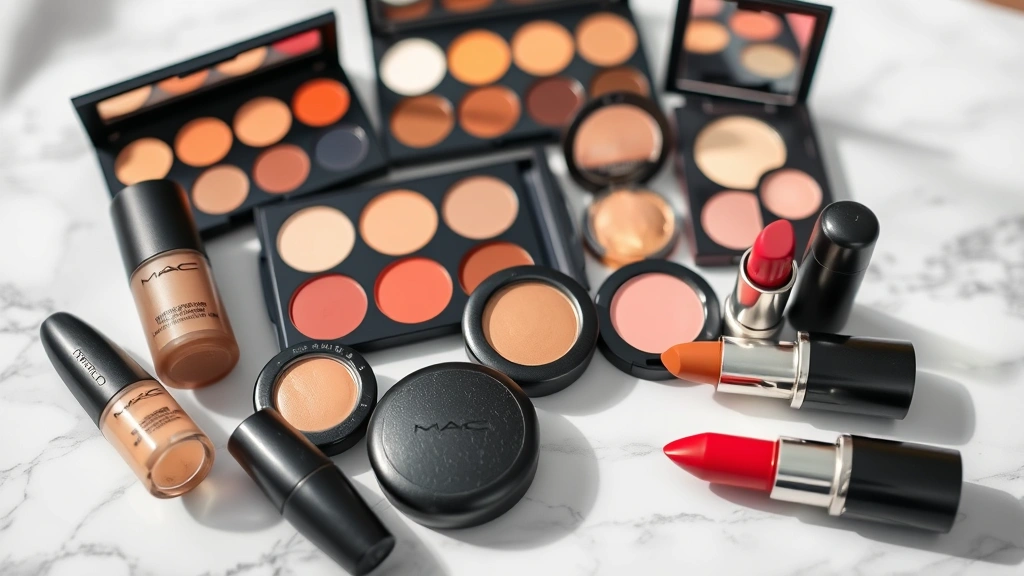
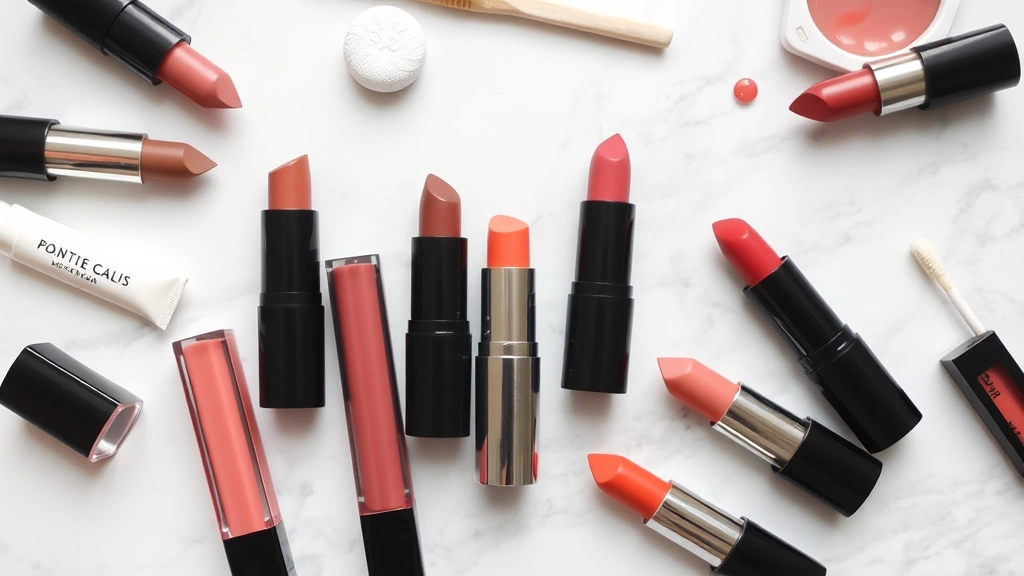
The market offers exceptional matte lipstick options across all price points, from luxury brands to accessible drugstore finds. MAC Cosmetics remains an industry standard, particularly their Powder Kiss Liquid Lipcolor and Retro Matte Lipstick lines, which deliver legendary pigmentation and wear time. MAC Cosmetics extends beyond blush into comprehensive color offerings that beauty professionals trust worldwide.
Huda Beauty’s Power Bullet Matte Lipstick combines comfort with striking color payoff, featuring their proprietary comfort matte technology that prevents the chalky appearance some matte formulas develop. The formula includes moisturizing ingredients that keep lips soft throughout wear, making it ideal for those sensitive to drying finishes. Urban Decay Vice Lipstick provides exceptional color range and a comfortable matte finish that lasts through meals and beverages without constant reapplication.
For budget-conscious beauty enthusiasts, Maybelline SuperStay Matte Liquid Lipstick offers impressive longevity and color intensity at a fraction of luxury brand prices. The formula sets quickly and resists transfer, though it requires a dedicated makeup remover for complete removal. Nyx Professional Makeup’s Lip Lingerie Liquid Lipstick provides a similar experience with a slightly more forgiving texture that feels less heavy on lips.
Luxury brands like Tom Ford and Charlotte Tilbury offer matte lipsticks with premium ingredients and sophisticated shade selections. Tom Ford Lip Color Matte features a blend of hydrating oils alongside matte pigments, creating a luxurious formula that doesn’t feel heavy. Charlotte Tilbury’s Red Carpet Red and similar shades come in her signature matte finish with a subtle vanilla scent that elevates the application experience.
Choosing the Right Shade for Your Skin Tone
Selecting a matte lipstick shade requires understanding your skin’s undertones and how different colors interact with your complexion. Cool undertones (pink, red, or bluish) pair beautifully with berry, plum, cool red, and mauve matte lipsticks. These shades create a harmonious look that makes teeth appear whiter and enhances cool-toned features.
Warm undertones (yellow, orange, or golden) benefit from warm reds, terracotta, rust, coral, and warm brown matte lipsticks. These shades complement golden skin tones and create a naturally radiant appearance. Neutral undertones have the flexibility to wear both cool and warm shades, though leaning toward your personal preference—whether you naturally gravitate toward gold or silver jewelry—provides useful guidance.
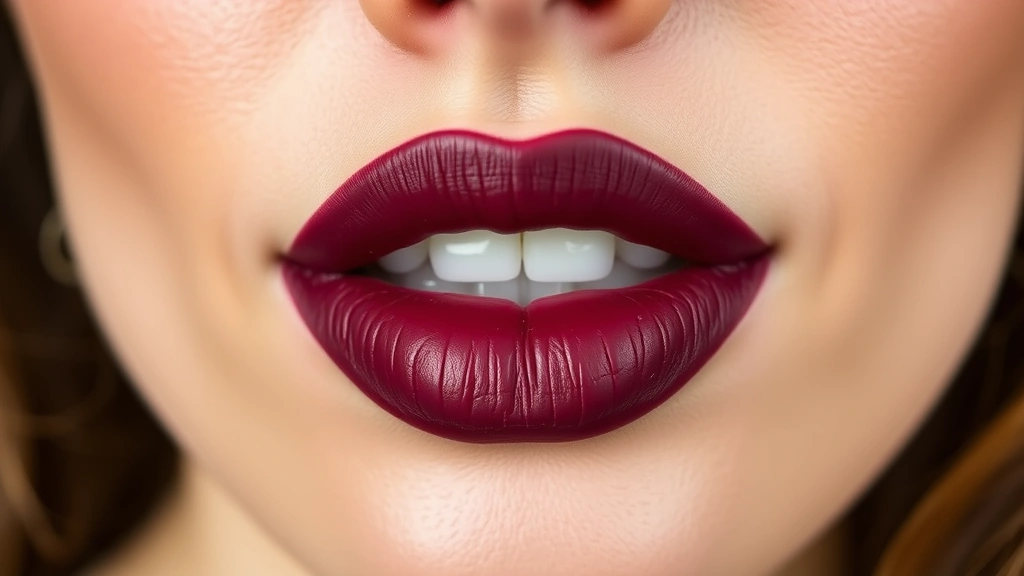
Fair skin tones achieve striking results with cool pinks, berry shades, and true reds in matte finishes. Medium skin tones can wear virtually any matte lipstick shade; warm corals and terracottas particularly enhance medium complexions. Deep skin tones showcase rich jewel tones, deep burgundies, and warm browns beautifully in matte finishes, though bright reds and cool berries also create stunning contrast.
Universal Shade Recommendations:
- Cool undertones: Berry, plum, cool red, mauve, dusty rose
- Warm undertones: Terracotta, warm red, rust, coral, warm brown
- Neutral undertones: True red, nude, brick, warm taupe
- Deep skin tones: Wine, burgundy, rich brown, jewel tones
Testing shades in natural lighting before purchase prevents disappointment, as artificial store lighting can dramatically distort color perception. Many brands offer sample sizes or return policies that allow you to test matte lipsticks at home under your regular lighting conditions. This investment in proper selection ensures your matte lipstick enhances rather than clashes with your natural coloring.
Application Techniques for Flawless Results
Proper application technique dramatically improves matte lipstick results and ensures even color distribution without patchy areas. Begin by exfoliating lips gently with a soft toothbrush or lip scrub to remove dead skin cells that create an uneven base. Those with sensitive or eczema-prone lips should use gentler exfoliation methods and prioritize moisturizing before application.
Apply a lip balm or primer and allow it to set for several minutes before beginning makeup application. This creates a smooth canvas and prevents the matte formula from clinging to dry patches. Some beauty experts recommend using a lip primer specifically designed for long-wearing color, as these products create an adhesive base that extends wear time significantly.
Using a lip liner in a matching or slightly darker shade prevents feathering and creates definition. Apply liner slightly inside the natural lip line for a softer appearance, or directly on the line for more dramatic definition. This step proves particularly important with matte formulas, which emphasize lip shape and require precise application for professional results.
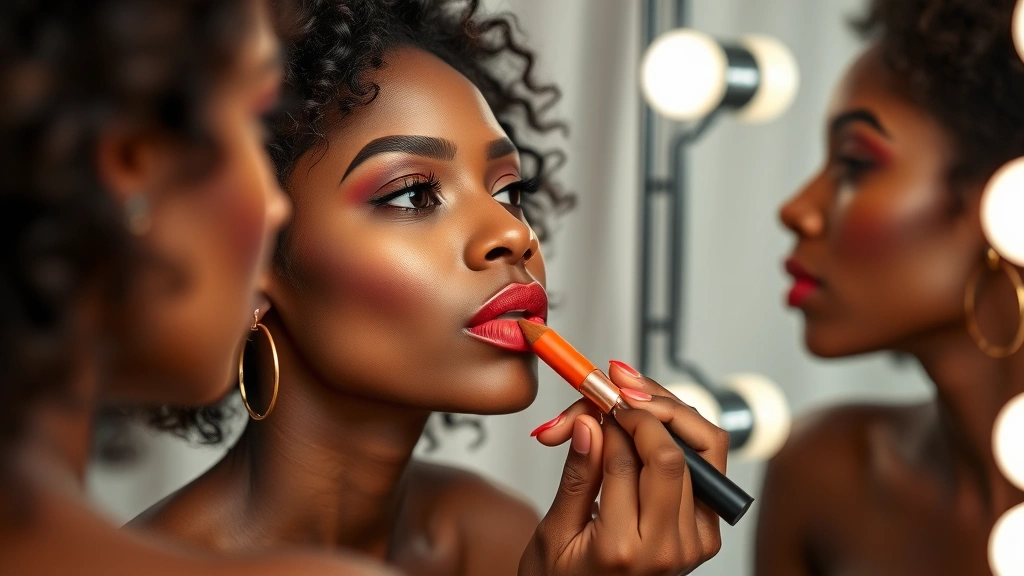
Apply matte lipstick with a brush for maximum precision and even coverage. Most matte formulas benefit from a thin initial layer followed by a second coat once the first has set. This technique prevents the heavy, thick appearance that results from applying excessive product in a single application. Allow each layer to dry completely before applying additional product or eating and drinking.
Step-by-Step Application Process:
- Exfoliate lips gently with a soft tool
- Apply moisturizing lip balm and allow to absorb
- Line lips with a matching lip liner
- Apply matte lipstick with a brush in thin layers
- Allow each layer to set before proceeding
- Use a lip setting spray for extended longevity if desired
- Blot gently with a tissue to remove excess product
Longevity and Wear Time Comparison
Matte lipstick longevity varies significantly between formulation types and individual factors like metabolism, diet, and activity level. Liquid matte lipsticks typically offer superior wear time (8-12 hours) compared to traditional cream matte formulas (4-8 hours), as the liquid base sets to a more permanent finish once dry. However, liquid formulas often require deliberate removal and may feel slightly less comfortable initially.
Cream matte lipsticks provide a more comfortable wearing experience for extended periods, though they transfer more readily onto cups, food, and other surfaces. These traditional formulas work well for shorter wear periods and situations where comfortable, easy reapplication matters more than all-day longevity. Many people prefer cream matte formulas for daily wear due to their forgiving nature and ease of touch-ups.
Factors influencing wear time include lip moisture content, the presence of lip balms or glosses, eating fatty or oily foods, and the specific brand’s formulation. Matte lipsticks with superior staying power often feel slightly drier initially but reward you with minimal reapplication needs. Testing different formulations helps identify which balance of comfort and longevity suits your lifestyle best.
Lip stains and tints offer an alternative approach to matte color, providing a lighter pigment that stains lips while allowing natural moisture to show through. These products typically last 4-6 hours and feel extremely comfortable, making them ideal for those who prioritize comfort over maximum color intensity. Many beauty experts recommend keeping both traditional matte lipsticks and tinted stains in your collection for different occasions and moods.
Caring for Your Lips While Wearing Matte Formulas
Maintaining lip health while regularly wearing matte lipstick requires intentional care and strategic product selection. Matte formulas inherently contain less emollient than glossy alternatives, necessitating extra hydration from external sources. Establishing a nightly lip care routine prevents the dryness and irritation that can result from consistent matte lipstick wear.
Apply a rich, nourishing lip balm or lip mask before bed each evening, allowing intensive moisturizers to penetrate overnight. Products containing hyaluronic acid, ceramides, and plant oils provide superior hydration compared to basic lip balms. Many dermatologists recommend lip masks containing glycerin and peptides for those wearing matte lipstick regularly, as these ingredients actively repair and strengthen the delicate lip barrier.
During the day, maintain lip hydration by using a hydrating lip primer before matte lipstick application. This creates a moisture barrier that prevents the formula from directly contacting lip tissue, significantly reducing dryness. Keeping your cosmetic vanity organizer stocked with multiple lip care products ensures you always have appropriate products available for daytime and nighttime use.
Avoid matte lipstick application directly onto dry, flaky lips, as the formula will emphasize texture irregularities and appear patchy. Gentle daily exfoliation using a soft lip brush removes dead skin without causing irritation. Some beauty experts recommend using a hydrating toner or essence on lips before balm application, as this adds an extra layer of hydration that extends throughout the day.
Lip Care Routine for Matte Lipstick Wearers:
- Exfoliate gently 2-3 times weekly with a soft tool
- Apply hydrating lip balm throughout the day
- Use lip primer before matte lipstick application
- Apply intensive lip mask every evening
- Drink adequate water to maintain internal hydration
- Avoid licking lips, which increases moisture loss
- Remove matte lipstick thoroughly with a proper makeup remover
Proper removal proves equally important as application and maintenance. Oil-based makeup removers dissolve matte lipstick more effectively than water-based alternatives, particularly with long-wearing liquid formulas. Micellar water works adequately for lighter matte products but may require multiple applications for full removal. Following removal, apply a nourishing lip balm to restore moisture and prepare lips for the next day’s wear.
FAQ
What is the difference between matte and satin lipstick finishes?
Matte lipsticks contain minimal to no light-reflecting particles, creating a completely flat, velvety finish with zero shine. Satin lipsticks include subtle reflective particles that create a soft sheen while maintaining opacity and color intensity. Satin finishes feel slightly more comfortable initially but may not provide the sophisticated, long-wearing finish that matte formulas deliver. The choice depends on your preference for shine level and comfort versus longevity.
Can I wear matte lipstick if I have naturally dry lips?
Yes, but it requires additional preparation and maintenance. Use a hydrating lip primer before application, exfoliate gently beforehand, and ensure lips are thoroughly moisturized with a rich balm. Modern matte formulations include more hydrating ingredients than older versions, making them increasingly accessible for those with dry lips. Consider testing formulas known for comfort, such as Huda Beauty’s Power Bullet or MAC’s Powder Kiss line, before committing to a full-size purchase.
How long does matte lipstick typically last?
Cream matte lipsticks generally last 4-8 hours, while liquid matte formulas provide 8-12 hours of wear. Longevity depends on individual factors including lip moisture, eating and drinking habits, and specific brand formulation. Reapplication after meals extends color throughout the day, and many people find this frequency acceptable for the enhanced comfort cream formulas provide. Liquid matte options suit situations requiring maximum longevity without touch-ups.
What’s the best way to remove matte lipstick?
Oil-based makeup removers work most effectively for matte lipstick removal, particularly with long-wearing liquid formulas. Apply the oil directly to lips, allow it to sit for 30-60 seconds, then gently wipe away with a soft cloth. Micellar water serves as an alternative but typically requires multiple applications. Following removal, apply a hydrating lip balm to restore moisture and prevent irritation from the removal process.
Which matte lipstick shade works for all skin tones?
True red and warm nude matte lipsticks work across virtually all skin tones, though the specific undertone matters. Cool-leaning reds suit cool undertones, while warm reds complement warm undertones. Nude shades should match your natural lip tone rather than your skin tone, making this category highly individual. Testing shades in natural lighting reveals how specific colors interact with your unique complexion.
Do matte lipsticks stain lips permanently?
Quality matte lipsticks don’t permanently stain lips, though some products may leave temporary tinting that fades within hours or days. This temporary staining actually indicates excellent pigment payoff and longevity. Complete removal with appropriate makeup remover prevents any lasting discoloration. Some people prefer formulas with slight staining properties, as this extends color longevity even after lipstick removal.