Table of Contents
Introduction
We’ve all been there. You’re in an important meeting, on a date, or just trying to get through your day when suddenly you can’t stop running your tongue over those dry, cracked lips. Chapped lips aren’t just annoying—they can be downright painful and make you feel self-conscious about something as simple as smiling.
If you’re constantly dealing with this frustrating problem, you’re definitely not alone. Chapped lips are incredibly common, especially when the weather gets harsh or the air turns dry. But here’s the thing: you don’t have to just suffer through it. Understanding why your lips get chapped in the first place is the key to keeping them soft and comfortable year-round.
The truth is, preventing chapped lips involves more than most people realize. Sure, environmental factors like cold wind and blazing sun play a huge role. But your daily habits, the products you use, and even your skin sensitivity all factor into whether your lips stay happy or turn into a flaky mess. If you have sensitive skin, this becomes even trickier—you need to be extra careful about what you put on your lips to avoid making things worse. That’s where learning about skincare products for sensitive skin comes in handy, giving you the knowledge to choose gentle, effective options that won’t irritate your delicate lip area.
Sometimes chapped lips are just part of a bigger skin issue. Maybe you’re dealing with facial swelling or general skin irritation that’s making your lip problems worse. In cases like these, knowing how to reduce facial swelling fast can help you tackle the root cause and get your skin back on track. It’s all connected, and treating your skin as a whole system usually works better than just focusing on one problem area.
Let’s be honest—most of us think slapping on some lip balm is enough. But the delicate skin on your lips loses moisture faster than you might expect, especially when you’re dealing with indoor heating, air conditioning, or spending time outdoors. Your lips need a more thoughtful approach to stay healthy. If you’re someone who struggles with irritated skin in general, checking out advice on how to soothe irritated skin can give you extra tools for your lip care toolkit. And since winter tends to be the worst culprit for dried-out lips, learning how to prevent skin dryness in winter will help you stay ahead of the seasonal challenge.
Here’s something interesting: the same things that give you glowing, healthy skin work wonders for your lips too. When you develop a solid skincare routine for glowing skin that focuses on hydration, gentle exfoliation, and proper nourishment, your lips benefit right along with the rest of your face. But don’t forget about the bigger picture—what you eat, how much water you drink, and your overall health habits all show up on your skin (lips included). Getting familiar with how to avoid skin dryness from a health perspective can strengthen your skin’s natural defenses. Plus, when you understand the balanced diet benefits for your skin, you’re basically feeding your lips the nutrients they need to stay healthy from the inside out.
What You’ll Learn in This Guide
Ready to finally solve your chapped lip problem? This guide breaks down everything you need to know, from figuring out what’s causing the issue to building habits that actually work. We’re covering all the bases—daily routines, product recommendations, lifestyle tweaks, and when you might need to call in professional help. Here’s what we’ll dig into:
- Common Causes of Chapped Lips: Discover the main factors that contribute to lip dryness, including environmental triggers and personal habits.
- Daily Practices to Prevent Dryness: Learn simple yet powerful habits such as hydration, protective measures, and the right way to care for your lips.
- Choosing Recommended Lip Care Products: Understand key ingredients and product types that help maintain moisture, protect from the sun, and heal damaged lips.
- Lifestyle and Environmental Tips: Get practical advice on adjusting your environment and habits, including avoiding irritants and protecting lips during extreme weather.
We’ll also cover the warning signs that mean it’s time to see a dermatologist, because sometimes chapped lips signal something bigger that needs professional attention. No one wants to deal with complications when a little expert help could solve the problem quickly.
Coming up, we’re going to break down exactly why lips get chapped in the first place. You might be surprised by some of the everyday things that can trigger or worsen dryness—some of them are habits you probably don’t even think about. Then we’ll get into the daily prevention techniques that are actually doable (no complicated 10-step routines here). We’ll help you navigate the world of lip care products, especially if you have sensitive skin—building on what you might already know about skincare for sensitive skin.
But we’re not stopping there. We’ll talk about the environmental and lifestyle factors you can control—things like using a humidifier or breaking the lip-licking habit (we’ve all been guilty of that one). For those of you who like to think about health from all angles, we’ll explore how your diet, hydration levels, and overall wellness connect to the health of your lips.
By the time you finish this guide, you’ll have a clear action plan for keeping your lips smooth, comfortable, and healthy no matter what the weather throws at you. Let’s get started on giving your lips the care they deserve—with practical advice that actually works in real life.
Let’s be honest—chapped lips are the worst. You know that feeling when your lips are so dry they’re practically begging for relief? It’s not just uncomfortable; it’s downright painful sometimes. The thing is, most people think chapped lips just happen randomly, but there’s actually a lot more going on behind the scenes. Weather, habits, even the products you’re using could all be working against you. We’re going to dig into what’s really causing your lip troubles and, more importantly, what you can do about it. Think of this as your complete game plan for keeping your lips soft and comfortable, no matter what life throws at you. Because trust me—once you understand the why behind chapped lips, preventing them becomes so much easier.
Understanding the Causes of Chapped Lips
Here’s the thing about chapped lips—they don’t just appear out of nowhere. There’s always a reason (or usually several reasons) why your lips are staging this uncomfortable rebellion. Let’s start with the obvious culprit: weather. Cold, dry air is like kryptonite for your lips. It literally sucks the moisture right out of that delicate skin, leaving you with the dreaded flaky, cracked situation we all know too well.
But here’s where it gets interesting—and where most people mess up. You know that instinct to lick your lips when they feel dry? Yeah, that’s actually making everything worse. I know, I know—it feels like you’re adding moisture, but here’s what’s really happening: your saliva evaporates super quickly, and it takes even more of your natural lip moisture with it. It’s like borrowing money from a loan shark—you might feel better for a hot second, but you’re going to pay for it later.
Then there’s the hydration factor. When you’re not drinking enough water (and let’s face it, most of us aren’t), your whole body starts conserving moisture. And guess where it shows up first? Your lips. They’re basically the canary in the coal mine for dehydration. Some people also have to deal with allergic reactions—whether it’s from that new lip balm you tried or something you ate. Your lips can get red, swollen, and irritated faster than you can say “allergic reaction.”
Don’t forget about sun damage either. Your lips don’t have much natural protection against UV rays, so they’re getting hit hard every time you step outside. It’s like leaving leather out in the sun—eventually, it’s going to crack and dry out.
Now, let’s talk about those sneaky lifestyle habits that might be sabotaging your lip health. That nervous lip-licking habit? It’s creating a vicious cycle. The more you lick, the drier they get, which makes you want to lick them more. Indoor heating during winter is another silent lip destroyer—it turns your home into a moisture-sucking desert. And if you’re on certain medications or dealing with health conditions that cause dry mouth, well, your lips are going to feel that too.
Primary Causes of Lip Dryness and Irritation
Here are the main culprits behind your chapped lip struggles:
- Cold and Dry Weather: Winter air is basically a moisture vampire for your lips. When humidity drops, your lips are the first to suffer. Bundle up those lips just like you would the rest of your face.
- Licking Lips Frequently: This one’s tough because it feels so natural, but it’s like scratching an itch—it only makes things worse. Every lick strips away your lips’ natural oils.
- Inadequate Hydration: Your lips are often the first place dehydration shows up. Think of them as your body’s early warning system that you need more water.
- Allergic Reactions: Sometimes your lips are trying to tell you that something doesn’t agree with them—whether it’s a new product, food, or environmental allergen.
- Sun Exposure: UV rays don’t discriminate. Your lips need protection just like the rest of your skin, but they’re often forgotten in our sun care routine.
Once you understand what’s working against your lips, you can start fighting back strategically. It’s not about luck or good genes—it’s about knowing your enemies and having a plan. Speaking of plans, if you’re dealing with sensitive skin issues beyond just your lips, you might want to check out our guide on skincare products safe for delicate skin. It covers gentle options that won’t irritate sensitive areas like your lips.
So now that we’ve identified the troublemakers, let’s talk solutions. The good news? Preventing chapped lips doesn’t require a PhD in dermatology or a medicine cabinet full of expensive products. It’s really about building some smart, consistent habits into your daily routine.
Daily Practices to Prevent Chapped Lips
Ready for some real talk about lip care? The best defense against chapped lips isn’t some miracle product—it’s consistency. Think of it like going to the gym. One workout won’t transform your body, but showing up every day will.
First things first: water is your best friend. I’m not talking about chugging a gallon and calling it a day. Just steady, consistent hydration throughout the day. Your skin (including your lips) is basically a reflection of your internal hydration levels. When you’re well-hydrated, it shows.
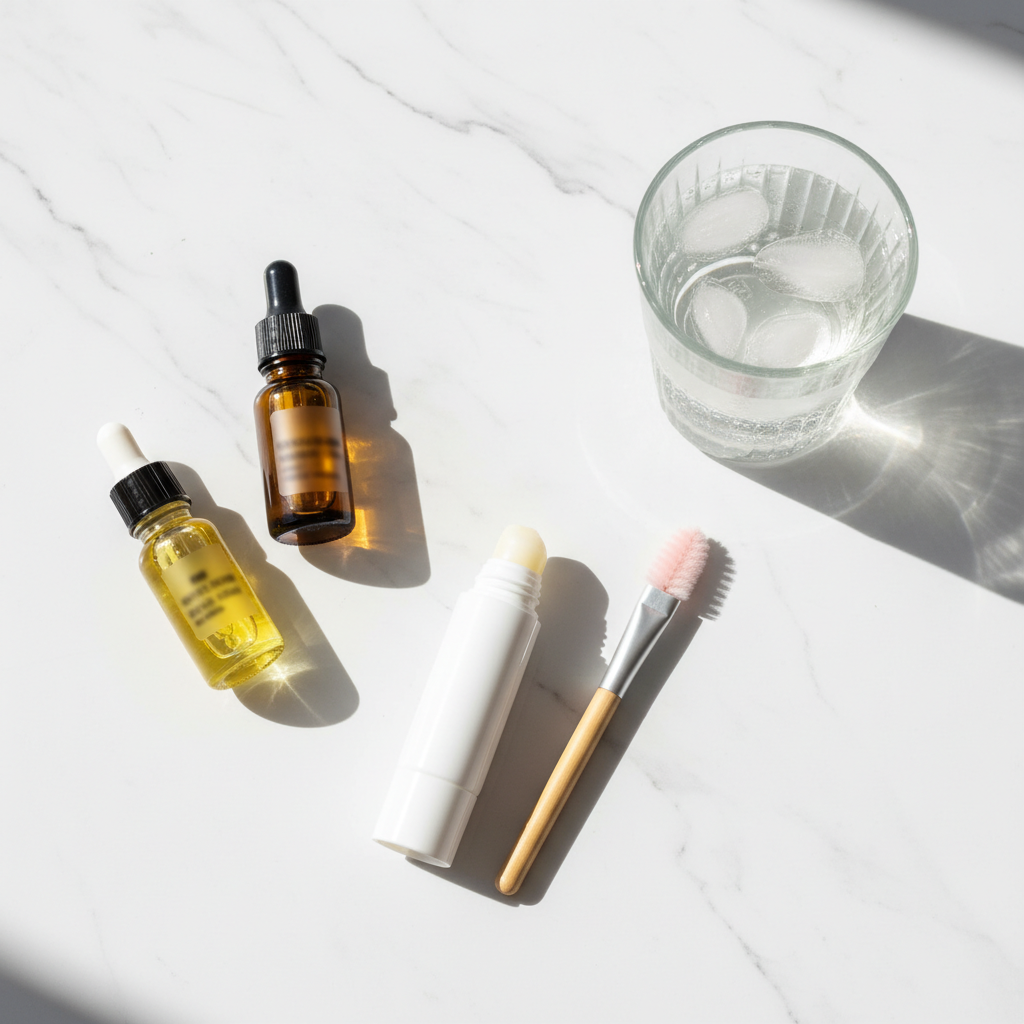
Next up: lip balm. But not just any lip balm—you want something that actually works. Look for ingredients like natural oils, glycerin, or hyaluronic acid. These don’t just sit on top of your lips looking pretty; they actually help lock in moisture and create a protective barrier. And here’s a pro tip: apply it before you need it, not after your lips are already crying for help.
Now, about that lip-licking habit—we need to break up with it. I get it; it’s basically a reflex at this point. But every time you catch yourself doing it, just reach for your lip balm instead. Eventually, you’ll retrain your brain to reach for moisture instead of creating more dryness.
Gentle exfoliation is also your friend, but emphasis on gentle. You’re not trying to sand down a piece of furniture here. A soft toothbrush or a simple sugar scrub once or twice a week will help remove dead skin and let your moisturizers actually penetrate. Think of it as clearing the path for the good stuff to do its job.
And let’s not forget about protection. When it’s cold or windy outside, cover up those lips. A scarf pulled up over your mouth, or even just being mindful to keep your lips protected, can make a huge difference. For sunny days, SPF isn’t just for your face—your lips need UV protection too.
Essential Habits for Lip Health
These daily habits will transform your lip game:
- Stay Hydrated: Aim for consistent water intake throughout the day. Your lips will thank you from the inside out. Eight glasses is the standard, but listen to your body.
- Use Moisturizing Lip Balm Regularly: Don’t wait until your lips are already chapped. Prevention is so much easier than repair. Reapply throughout the day, especially before going outside.
- Avoid Licking Your Lips: This is probably the hardest habit to break, but it’s also the most important. Every lick is like taking two steps backward in your lip care journey.
- Gently Exfoliate Lips: Once or twice a week, help your lips shed dead skin so your moisturizers can actually work. Think gentle massage, not aggressive scrubbing.
The beauty of these habits is that they become second nature pretty quickly. And once they do, you’ll wonder how you ever survived without them. If you’re interested in diving deeper into hydration-boosting ingredients, our guide on skincare products with hyaluronic acid is a goldmine of information. Hyaluronic acid isn’t just great for your face—it works wonders on lips too.
Now that we’ve covered the daily habits that’ll keep your lips happy, let’s talk about taking things to the next level. Because sometimes, you need more than just basic care—you need the right products and some smart lifestyle tweaks to really optimize your lip health.
Choosing the Right Lip Care Products and Lifestyle Adjustments
Here’s where things get interesting. Not all lip products are created equal, and figuring out what actually works can feel like navigating a maze. The key is understanding what ingredients actually do something versus what’s just marketing fluff.
SPF in lip balm isn’t optional—it’s essential. Your lips get hit with UV rays every single day, whether you’re thinking about it or not. Look for broad-spectrum protection, and make it part of your daily routine, not just something for beach days.
Natural oils are where it’s at for deep moisture. Coconut oil, almond oil, jojoba oil—these aren’t just trendy ingredients; they actually penetrate and nourish your skin. They’re like a drink of water for your lips, plus they come with antioxidants that help repair damage.
Humectants are your secret weapon. Ingredients like glycerin and hyaluronic acid don’t just moisturize—they actively pull moisture from the air and hold onto it. It’s like having a tiny moisture magnet working for your lips all day long.
For seriously chapped lips, sometimes you need to bring in the big guns. Medical-grade healing ointments can help speed up repair when your lips are in crisis mode. They’re not for everyday use, but when you need them, they’re lifesavers.
But products are only half the equation. Your environment and lifestyle choices play a huge role too. Running a humidifier during dry months can be a game-changer—it’s like giving your entire home (and your lips) a moisture boost. If you’re dealing with really dry air, this simple change can make all the difference.
Watch out for sneaky irritants too. Spicy foods, harsh facial products that might transfer to your lips, even certain toothpastes can cause irritation. Pay attention to patterns—if your lips get worse after certain activities or products, there’s probably a connection.
And if you smoke, well, this is just another reason to consider quitting. Smoking doesn’t just stain your lips; it actively dehydrates them and slows down healing. Your lips (and the rest of your body) will thank you for breaking that habit.
Key Components of Effective Lip Care
Focus on these elements for next-level lip health:
- Lip Balms with SPF: UV protection isn’t negotiable. Your lips need defense against sun damage just like the rest of your skin. Make it a daily habit, not a beach day afterthought.
- Natural Oils: Coconut, almond, and jojoba oils provide deep nourishment and antioxidant protection. They’re like superfoods for your lips.
- Humectant-Based Balms: Glycerin and hyaluronic acid actively attract and hold moisture. They’re moisture magnets that keep working long after you apply them.
- Lifestyle Adjustments: Use humidifiers, avoid irritants, protect from sun, and consider quitting smoking. Sometimes the biggest improvements come from changing your environment, not just your products.

Chapped lips? We’ve all been there. That annoying, sometimes painful reminder that our lips are basically just exposed skin dealing with whatever life throws at them. Cold weather, that nervous habit of licking your lips (guilty as charged), forgetting to drink enough water, too much sun—the list goes on. And let’s be honest, cracked lips don’t just hurt; they can make you feel self-conscious too.
Here’s the thing about prevention: it’s really about building good habits that stick. Sure, drinking more water helps your lips from the inside out, but that’s just the starting point. The right lip balm makes all the difference—especially ones with natural oils and hyaluronic acid that actually lock moisture in instead of just sitting on top. A gentle scrub once or twice a week? Game changer. It gets rid of all that flaky skin so your lip products can actually do their job. And those bigger lifestyle tweaks—like running a humidifier when the air’s dry, steering clear of spicy foods that irritate, slapping on SPF lip balm before heading outside, or finally kicking that smoking habit—they all add up to healthier lips. Just remember: if things aren’t getting better or seem to be getting worse, don’t tough it out. See a doctor.
Ready to get serious about lip care? Start simple. Keep a water bottle handy and actually use it throughout the day. Grab a good lip balm (the gentle, sensitive-skin kind works best) and apply it before you even feel dryness creeping in. If you’re not sure what products to trust, check out our guide on skincare products for sensitive skin. Next time you catch yourself licking your lips, reach for that balm instead. Your weekly routine should include some gentle exfoliation, and if you want to really step up your moisture game, dive into our skincare products with hyaluronic acid guide.
Don’t forget about environmental protection either. Winter’s coming? (Or already here?) Learn the ins and outs of how to prevent skin dryness in winter. Want a more comprehensive approach to keeping your skin hydrated everywhere? Our detailed guide on how to avoid skin dryness covers lifestyle changes that’ll benefit way more than just your lips. And if you’re a smoker? Quitting might be the best thing you can do for your lips—seriously, the difference in moisture and healing is dramatic. When irritation does happen, our article on how to soothe irritated skin has techniques you can adapt specifically for lip care.
Look, taking care of your lips doesn’t have to be complicated. Armed with what you know now, you can create a routine that actually works—one that keeps your lips soft and protected no matter what the weather’s doing. It’s all about consistency, choosing products that make sense, and tweaking your daily habits. Want to take your skincare game to the next level? Our skincare routine for glowing skin will help you build something that enhances your natural beauty from head to toe. Start today. Your lips (and your smile) will thank you.
Frequently Asked Questions
-
What causes lips to become chapped?
- Chapped lips mainly result from dryness caused by environmental factors, dehydration, frequent lip licking, allergic reactions, and sun exposure.
-
How often should I apply lip balm?
- Apply lip balm several times daily, especially before outdoor exposure and after eating or drinking to maintain consistent moisture.
-
Can dehydration cause chapped lips?
- Yes, staying well-hydrated is essential to keep lips moisturized and prevent dryness and cracking.
-
Are there any ingredients to avoid in lip care products?
- Avoid lip products with harsh fragrances, menthol, or alcohol, as they may worsen dryness and irritation.
-
When should I see a doctor for chapped lips?
- Consult a healthcare professional if your lips are persistently cracked, bleeding, or show signs of infection that don’t improve with home care.